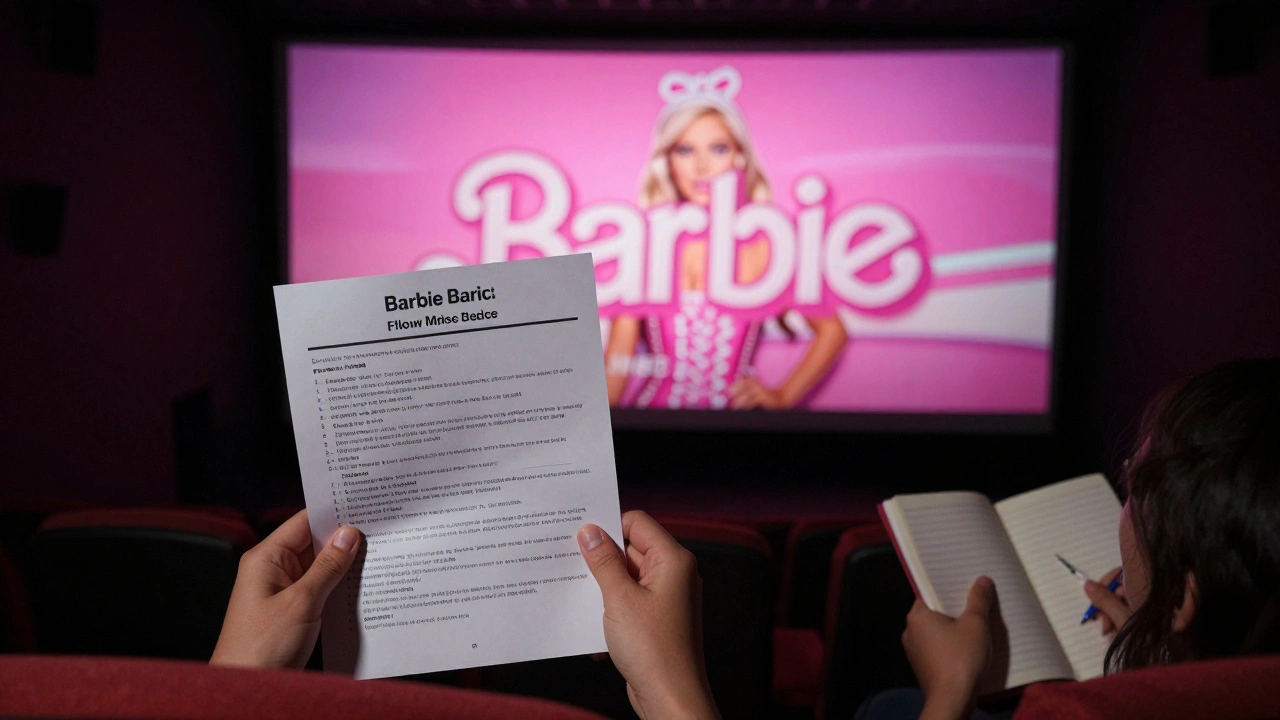
Most people watch movies. Few know how to read a film critic. You scroll through Rotten Tomatoes, see a 90% score, and think: Great, this must be good. But what if the critic who gave it that score only likes slow dramas with long silences-and you hate them? Or worse-what if the critic never even watched the whole movie?
Media literacy isn’t just about spotting fake news. It’s about learning how to read the filters between you and the art you love. Film criticism is one of the most misunderstood forms of media. Audiences treat reviews like verdicts: thumbs up, thumbs down. But critics don’t hand out grades. They offer perspectives. And if you don’t know how to read them, you’re letting strangers decide what you should feel about a film.
What Film Critics Actually Do
Critics aren’t movie police. They don’t decide if a film is "good" or "bad" in any universal sense. Their job is to analyze how a film works-its storytelling, visuals, performances, pacing, and cultural context. A critic might spend weeks thinking about a film, watching it multiple times, reading interviews with the director, studying its historical influences. Then they write about what they noticed.
Take Barbie (2023). One critic called it "a glitter-covered Marxist manifesto." Another called it "a joyful, shallow toy commercial." Both were right. The film is all those things at once. The difference? Their lenses. One saw satire and social commentary. The other saw missed potential for emotional depth. Neither was wrong. But if you only read the headline-"Critic Hates Barbie"-you’d miss the whole point.
Good critics don’t tell you what to think. They show you how to think. They point out what you might have missed: the lighting in a quiet scene, the way a character’s costume changes over time, the silence between lines that says more than dialogue. They help you notice patterns you didn’t know were there.
Why Your Taste Doesn’t Match the Critics
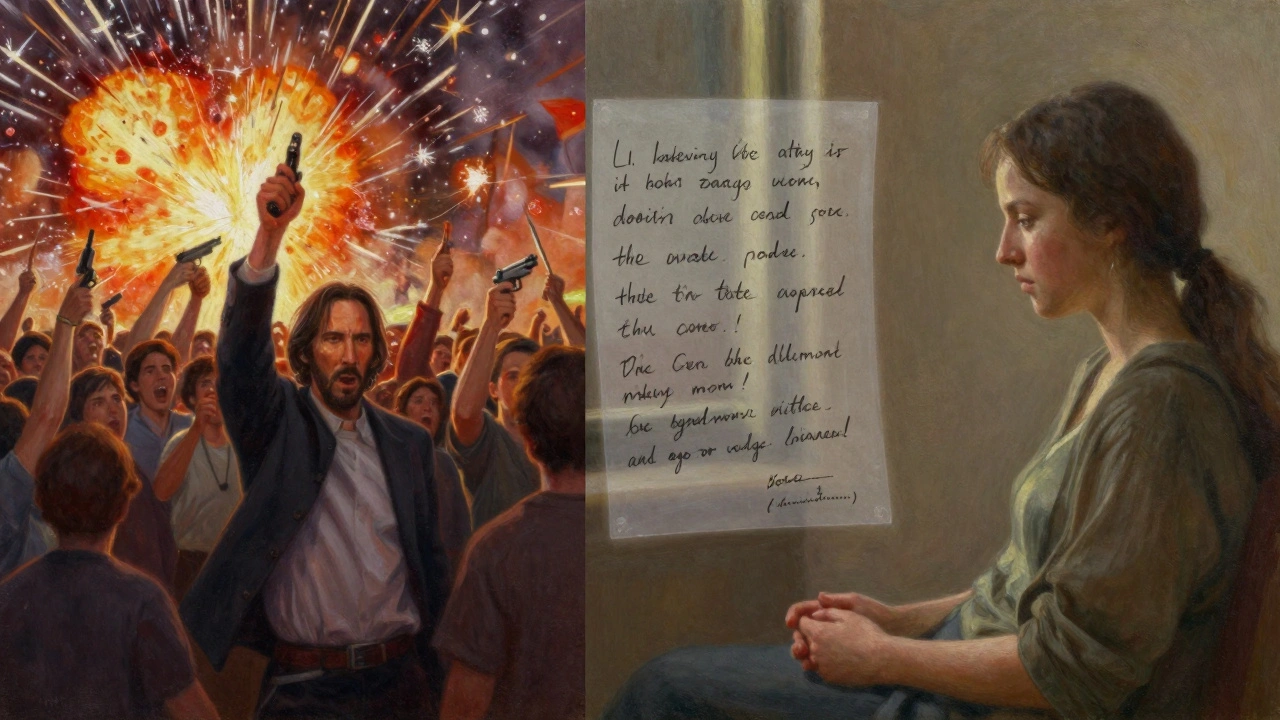
You loved John Wick. The critics gave it a 78%. You’re confused. Why not 90%? Because critics don’t rate movies based on how much fun they are. They rate them based on craft. John Wick has tight editing, inventive action choreography, and a consistent tone. But critics also notice the thin plot, the lack of character development beyond "man seeks revenge." They weigh those things.
That doesn’t mean you’re wrong for loving it. It means you’re enjoying a different kind of film. Action movies are meant to be visceral. Art films are meant to be dissected. Critics often come from the latter tradition. They’re trained to notice structure, symbolism, subtext. You might just want to see a guy shoot bad guys in slow motion with a pistol that fires bullets made of pure cool.
Here’s the truth: your taste and critical analysis aren’t opposites-they’re different languages. One speaks to emotion. The other speaks to technique. You don’t have to like what critics like. But you should understand why they say what they say.
How to Read a Review Like a Detective
Don’t just read the score. Don’t even just read the first paragraph. Here’s how to dig deeper:
- Find the critic’s background. Who are they? Do they write for a mainstream outlet like The New York Times, or a niche blog focused on horror? Do they have a history of hating superhero films? That’s not bias-it’s context.
- Look for specific examples. A good review doesn’t say "the acting was bad." It says, "The lead actor’s performance collapsed in the third act when his emotional arc ignored the film’s earlier themes about grief." That’s useful. That’s something you can check for yourself.
- Notice what they don’t say. Did they mention the score? The cinematography? The editing? If they skipped major technical elements, they might not care about them-or they might be overwhelmed by the film’s flaws.
- Check the date. A review written the day after a film’s premiere is often rushed. A review written after a second viewing, or after the film’s cultural impact becomes clear, is more valuable.
- Compare multiple critics. Don’t rely on one. If three critics all point out the same weakness-say, the villain’s motivation is unclear-you should pay attention. If only one does, it might be their personal blind spot.
Try this: Next time you watch a movie, pause after the credits. Open a review. Read it slowly. Then ask yourself: What did they notice that I didn’t? That’s where the real learning begins.
The Danger of Aggregators
Rotten Tomatoes, Metacritic, IMDb-they make it easy. But they also make it lazy.
These sites turn complex opinions into numbers. A 7/10 becomes "average." A 9/10 becomes "great." But what does that mean? A 7/10 could mean "brilliantly shot but emotionally hollow." Or it could mean "a mess, but fun." The number hides the nuance.
Worse, audiences start treating scores like weather forecasts. "It’s an 82% day-better go see it." That’s not media literacy. That’s surrender.
Aggregators are useful for spotting trends, not making decisions. If 10 critics all say the same thing-"the pacing drags in the middle"-you might want to know why. But if one critic says "this film changed my life," and the rest are mixed, that’s the story you should dig into. One voice can be more revealing than a hundred averages.
Teaching Kids to Read Critics
Most schools teach kids how to read books. Few teach them how to read movies. That’s a gap.
Start simple. Watch a cartoon with a child. Ask: "Why do you think the villain looks scary?" "What music made you feel sad?" "Did the hero change by the end?" You’re already doing film criticism. You just didn’t call it that.
Teach them to ask: Who made this? Why? What do they want me to feel? That’s the core of media literacy. It works for ads, news, social media, and yes-movie reviews.
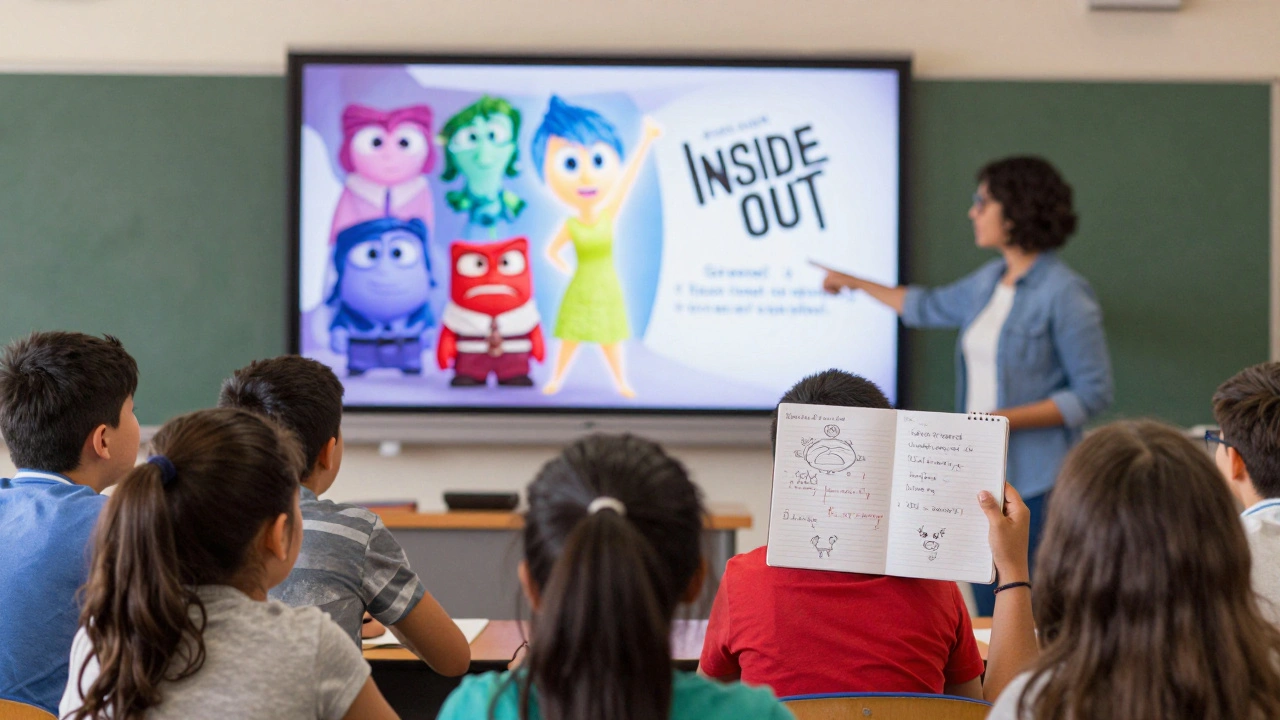
One teacher in Chicago asked her 8th graders to write reviews of animated films using the same structure as professional critics. They started noticing how Pixar used color to show emotion. They saw how Disney reused the same family dynamics. They weren’t just watching movies anymore. They were decoding them.
What Happens When You Stop Trusting Critics
When audiences stop reading critics and start ignoring them, something strange happens: they start trusting algorithms more.
YouTube recommends movies based on what you’ve watched before. Netflix suggests titles based on your watch history. TikTok pushes viral reviews from influencers who say "this movie is the best thing ever" because it got 2 million likes.
These aren’t critics. They’re echo chambers. They don’t challenge your taste. They reinforce it. And that’s dangerous. You end up in a bubble where every film you watch feels familiar, safe, predictable.
True media literacy means being able to step outside your comfort zone-not because a critic told you to, but because you learned how to understand why someone else found value in something you didn’t expect.
Think of it like food. You like pizza. That’s fine. But if you never try sushi because you think "it’s weird," you’re missing out. Critics are like chefs who explain why raw fish can taste like the ocean, or why a simple bowl of ramen can carry generations of history. You don’t have to like it. But if you know why it’s made that way, you’re no longer just a consumer-you’re a participant.
How to Build Your Own Critical Lens
You don’t need a film degree to become a thoughtful viewer. You just need curiosity.
- Follow one critic you trust. Not because they agree with you, but because they make you think. Try The Atlantic’s David Sims, or The Guardian’s Peter Bradshaw. Read their reviews for a month. Notice how they write.
- Watch a film twice. First for fun. Second, with notes. What did you feel? Why? What did you notice the second time?
- Write your own 200-word review. Don’t give it a score. Just describe what happened, what worked, what didn’t, and why.
- Compare your review to a professional one. Where do you agree? Where do you differ? Why?
That’s how you learn. Not by memorizing terms like "mise-en-scène" or "diegetic sound." But by noticing things. By asking questions. By letting yourself be wrong.
Final Thought: The Power of Disagreement
The best film critics don’t make you agree with them. They make you question yourself.
When a critic says, "This film is a masterpiece," and you think, "It’s boring," that’s not a failure. That’s an invitation. Why do you think that? Why do they think differently? What does that say about your expectations? Your experiences? Your culture?
Reading film criticism isn’t about becoming a critic. It’s about becoming a smarter viewer. It’s about knowing that a movie isn’t just something you watch-it’s something you interpret. And you’re the only one who can interpret it for yourself.
So next time you see a review that angers you, don’t scroll past it. Read it. Sit with it. Ask why it made you feel that way. That’s where the real movie begins.
Do I need to agree with film critics to be media literate?
No. Media literacy means understanding how critics form their opinions-not agreeing with them. You can love a film that critics hated and still be media literate if you can explain why you liked it and why they didn’t.
Are all film critics biased?
Yes-but so are you. Everyone has preferences. The difference is that good critics acknowledge their biases and use them to deepen their analysis, not ignore it. A critic who loves indie films might give a blockbuster a lower score, but they’ll explain why the storytelling feels rushed, not just say "it’s too loud."
Can I trust online reviews from regular viewers?
They can be helpful, but they’re not the same as criticism. Viewer reviews often say "I loved it!" or "It sucked." Critics explain why. Look for viewer reviews that go beyond emotion-those that mention pacing, character development, or cinematography. Those are the ones worth reading.
Why do critics sometimes hate popular movies?
Because popularity and quality aren’t the same thing. A movie can be wildly popular because it’s funny, nostalgic, or visually flashy-but still lack depth, originality, or craft. Critics look for those deeper elements. That doesn’t mean the movie is bad-it just means it’s not aiming for the same things a critic values.
How do I find good critics to follow?
Start with outlets known for thoughtful writing: The Atlantic, The New Yorker, The Guardian, Criterion Collection. Avoid critics who only write one-line reviews or use all caps and emojis. Look for those who explain their reasoning, reference other films, and admit when they’re unsure.





Comments(6)