For decades, Hollywood and Japan dominated the global animation scene. But in the last ten years, French animation studios have quietly carved out a massive share of the world’s most talked-about animated films. Not with big budgets or flashy marketing, but with bold storytelling, hand-drawn artistry, and a willingness to tackle themes no other studio dares touch. From the quiet grief of French animation studios like Studio Ghibli’s European cousin to the surreal political satire of films that won Oscars without a single English-speaking actor, France is now a powerhouse in animation - and it’s not slowing down.
What Makes French Animation Different?
Most American animated films follow a formula: cute characters, punchy jokes, a hero’s journey, and a happy ending. Japanese anime often leans into emotional intensity or complex world-building. French animation? It does something else entirely. It treats animation as a legitimate art form - not just for kids, but for adults who want depth, ambiguity, and beauty.
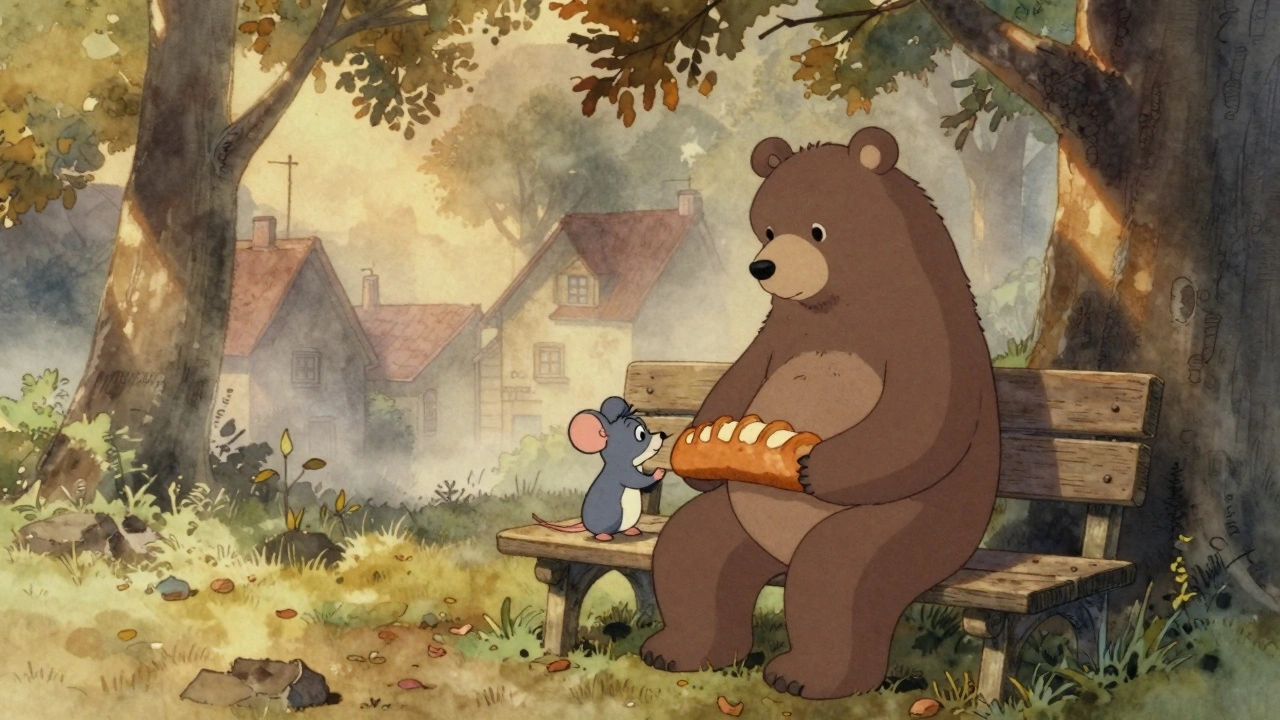
Take Ernest & Celestine (2012). It’s about a mouse and a bear who become friends in a world where they’re supposed to hate each other. No villain. No big battle. Just quiet moments of trust, shared meals, and small acts of courage. It won awards across Europe and was nominated for an Oscar. No explosions. No musical numbers. Just humanity.
French studios don’t chase trends. They chase emotion. They use watercolor textures, ink washes, and limited animation not because they can’t afford more, but because it serves the story. Studio Ghibli gets praised for its painterly style - but French studios like Folimage and Les Armateurs have been doing this for 30 years, often with half the budget.
Top French Animation Studios Making Global Waves
Here are the studios that are reshaping what animation can be:
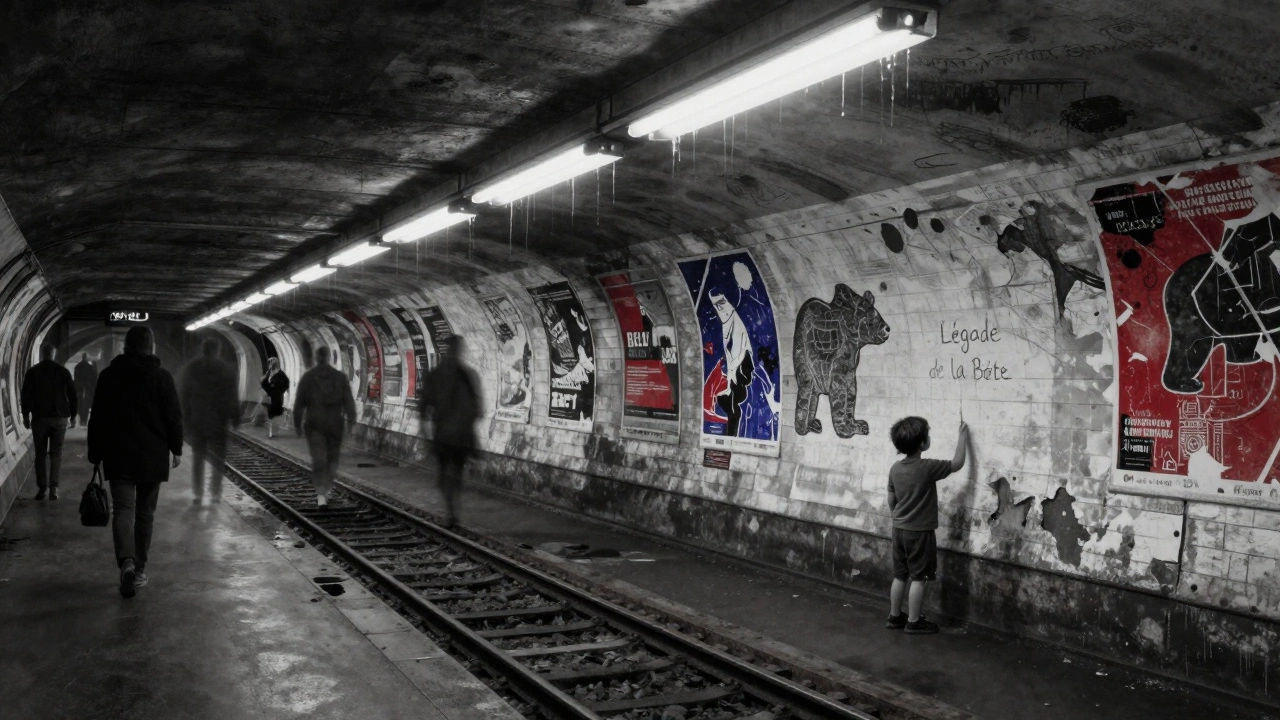
- Studio Ghibli comparison - Not a French studio, but often compared. While Ghibli leans into myth and nature, French studios like La Cité des Créatures focus on urban alienation and social isolation. Their 2023 film La Légende de la Bête was set entirely in a decaying Paris metro station and won Best Animated Feature at Annecy.
- Folimage - Based in Lyon, this studio has been around since 1985. Their film My Life as a Courgette (2016) was nominated for an Oscar and became a cult hit for its raw depiction of foster care. They use stop-motion with clay and paper, giving their films a tactile, imperfect charm.
- Les Armateurs - The team behind Ernest & Celestine and The Triplets of Belleville (2003). Their style is minimalist line art, bold colors, and jazz-infused soundtracks. They’ve never made a sequel. Never made a merch line. They just make films that linger.
- Passion Pictures France - Known for blending documentary realism with animation. Their 2024 film Les Ombres de l’École used real interviews with children in rural France and animated their memories. It screened at Sundance and was bought by Netflix in 14 countries.
- Aardman Animations - Not French, but worth mentioning. While Aardman’s Wallace & Gromit is British and whimsical, French studios like Folimage do something similar but darker. Aardman makes you smile. French studios make you think - then cry.
Why French Films Win International Awards
French animation doesn’t just compete - it wins. In the last five years, French films have been nominated for 12 Oscars in the Animated Feature category, winning twice. They’ve swept Annecy, the world’s most prestigious animation festival, more than any other country.
Why? Because they’re not trying to be American. They’re not trying to be Japanese. They’re trying to be honest.
Take The Secret of Kells - often mistaken for French. It’s Irish. But French studios like La Cité des Créatures and Folimage do what it does, better: they use medieval art styles, hand-drawn textures, and religious symbolism to tell stories about identity and belonging. Their films feel like books you can smell - ink, paper, dust.
They also get funding from the French government. The CNC (Centre national du cinéma) gives millions to animation projects that push artistic boundaries. That’s why a film about a deaf girl learning to communicate through dance - La Danse des Silences - got a €4 million budget and played in theaters from Seoul to São Paulo.
How They’re Changing the Industry
French studios are forcing Hollywood to rethink its assumptions. For years, studios said animation had to be loud, fast, and full of product placements to make money. France proved that’s not true.
My Life as a Courgette made $27 million worldwide on a $6 million budget. Ernest & Celestine made $50 million without a single celebrity voice. These films didn’t need marketing blitzes. They spread through word of mouth - parents, teachers, film clubs, critics.
Netflix and Apple TV+ now actively seek out French studios. Why? Because their films have longevity. They don’t fade after two weeks. They’re watched again. They’re taught in schools. They’re studied in film programs from Toronto to Tokyo.
Even Disney has taken notice. In 2023, Pixar hired a French animator to lead a new short film project focused on grief - something they’d never done before. The project, Le Silence entre les Étoiles, was inspired by French animation’s quiet approach to loss.
The Challenges They Still Face
French animation isn’t perfect. It’s still underfunded compared to Hollywood. Most studios have fewer than 50 employees. They struggle to compete with the marketing power of Universal or DreamWorks. And while their films play in art houses worldwide, they rarely get wide releases in the U.S.
Language is another barrier. Most French animated films are released in French, with subtitles. While that’s part of their charm, it limits mainstream appeal. Some studios now produce bilingual versions, but they’re rare. The studio behind La Légende de la Bête spent $1.2 million on English dubbing - and still only made 12% of its box office from English-speaking markets.
There’s also a lack of diversity in leadership. Over 80% of French animation directors are male. Studios like Les Armateurs are starting to mentor female filmmakers, but progress is slow.
What’s Next for French Animation?
The next wave is coming fast. In 2025, three major French animated features are set to premiere:
- Les Enfants de l’Éclipse - A post-climate collapse story set in a floating city built from recycled ships. Directed by a 28-year-old woman who grew up in Marseille.
- Le Rêve de l’Ours - A surreal tale of a bear who dreams of becoming a ballet dancer. Made with AI-assisted hand-drawn animation - a first for France.
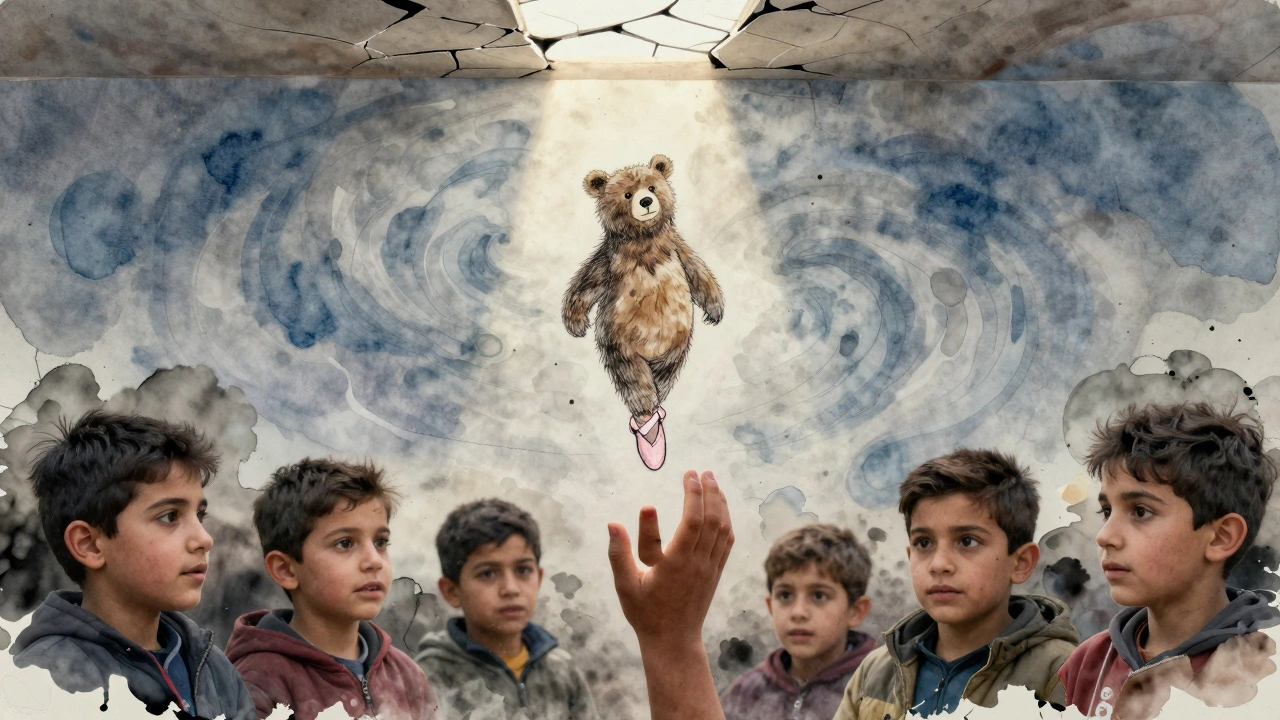
- La Voix des Murs - An animated documentary using real voices from Syrian refugees, layered over abstract watercolor backgrounds.
These films won’t have talking animals or singing princesses. But they’ll have something rarer: truth.
French animation isn’t about selling toys. It’s about asking questions. Why do we fear difference? How do we heal after loss? Can beauty exist in broken places?
That’s why the world is listening.
Why are French animated films so different from American ones?
French animated films focus on emotional depth, artistic expression, and mature themes rather than formulaic plots or commercial appeal. They often avoid talking animals, musical numbers, and happy endings. Instead, they use minimalist visuals, real human experiences, and cultural symbolism to create stories that resonate with adults and children alike. American studios prioritize broad appeal and merchandising; French studios prioritize artistic integrity.
Which French animation studio made the most Oscar-nominated films?
Les Armateurs holds the record for the most Oscar-nominated French animated films, with three nominations: The Triplets of Belleville (2003), Ernest & Celestine (2012), and My Life as a Courgette (2016). They are the only French studio to have three nominations in the Animated Feature category. Studio Ghibli has more overall, but no other French studio has matched their consistency.
Are French animated films only for adults?
No. Many French animated films are suitable for children, but they don’t talk down to them. Films like Ernest & Celestine and My Life as a Courgette are gentle enough for kids but layered with meaning adults appreciate. French studios believe children can handle complex emotions - grief, loneliness, injustice - and they don’t sugarcoat them. That’s why these films are often used in schools across Europe.
How do French studios fund their films?
Most French animation films are funded through public subsidies, primarily from the CNC (Centre national du cinéma), which allocates over €100 million annually to animation. Additional funding comes from regional governments, European Union grants, and pre-sales to international broadcasters like Netflix and Arte. Unlike Hollywood, they rarely rely on studio backing or toy sales to finance production.
Can I watch French animated films with English subtitles?
Yes. Nearly all major French animated films released internationally come with English subtitles. Platforms like Netflix, Criterion Channel, and MUBI carry curated collections. Some films, like My Life as a Courgette, even have official English dubs, but the subtitled versions are preferred by critics and fans for preserving the original voice performances and tone.
Where to Start Watching French Animation
If you’ve never watched a French animated film, here’s where to begin:
- The Triplets of Belleville (2003) - Quirky, musical, and unforgettable. A great introduction to the style.
- Ernest & Celestine (2012) - Gentle, beautiful, and deeply moving. Perfect for all ages.
- My Life as a Courgette (2016) - Heartbreaking and honest. Don’t watch alone.
- La Légende de la Bête (2023) - For those ready for something darker and more experimental.
- Les Enfants de l’Éclipse (2025) - Coming soon. Watch for it.
French animation isn’t just another genre. It’s a different way of seeing the world. And for the first time in decades, the world is finally paying attention.


Comments(9)