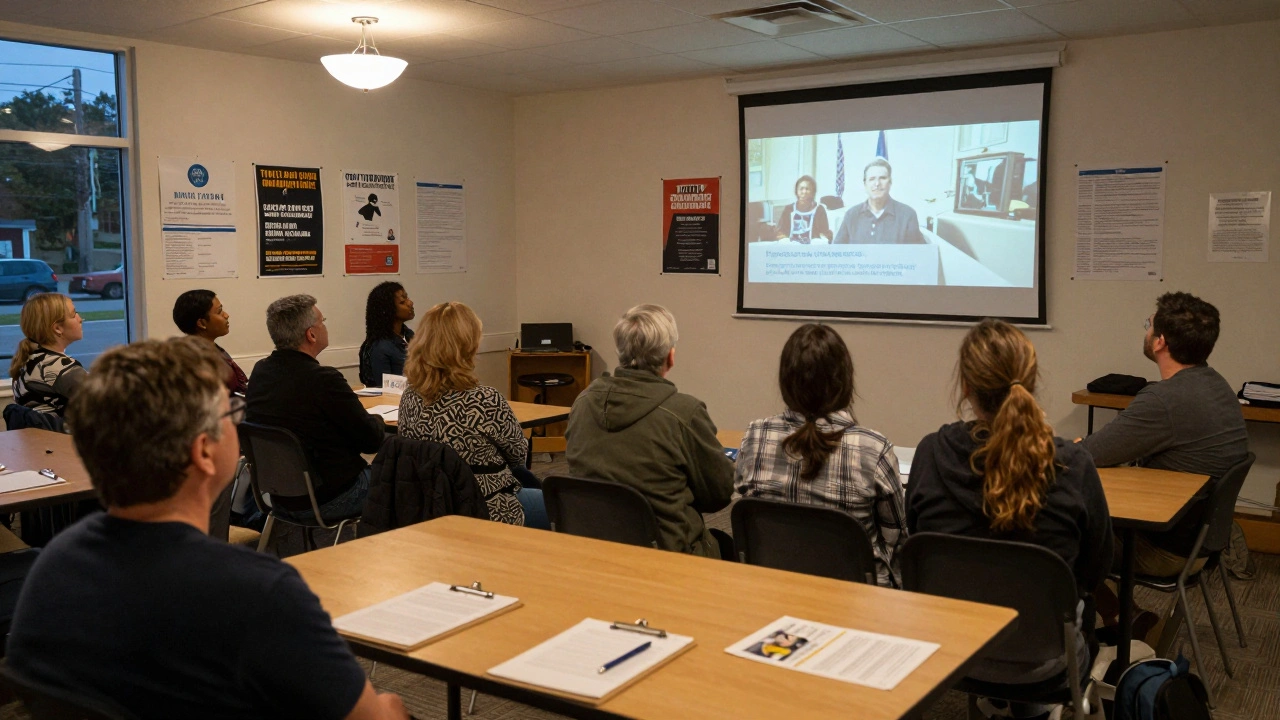
Documentary films don’t just show reality-they change it. When a film like 13th, The Social Dilemma, or Food, Inc. hits screens, it doesn’t stop at sparking conversation. Many are built from the ground up as impact campaigns-organized efforts to turn viewers into activists, voters, donors, or policy changers. But how do you measure if a documentary actually moved the needle on social issues? It’s not about box office numbers. It’s about real-world outcomes.
What Makes an Impact Campaign Different
Not every documentary has an impact campaign. A regular film might play in theaters or stream online and fade away. An impact campaign is intentional. It’s built alongside the film, often from the earliest stages of production. Teams include organizers, data analysts, community liaisons, and policy experts. Their job? To connect the film’s message to real action.Take The Game Changers. It wasn’t just about plant-based diets. The campaign partnered with gyms, universities, and NFL teams. They distributed free meal kits, hosted Q&As with athletes, and lobbied school districts to change cafeteria menus. Within two years, over 1,200 schools in the U.S. added plant-based options. That’s not coincidence-that’s campaign design.
Impact campaigns work because they don’t rely on passive watching. They create pathways: Watch → Learn → Act. The film is the hook. The campaign is the ladder.
How to Measure Success Beyond Views
You can’t count social change in streaming numbers. A film with 10 million views might change zero policies. Another with 500,000 views could spark a state law. So what metrics actually matter?- Policy changes: Did a bill get introduced or passed? Did a city council adopt a new rule? In 2023, Seaspiracy helped lead to a ban on single-use plastics in 17 coastal towns after screenings were followed by public comment sessions.
- Organizational action: Did nonprofits, schools, or corporations change their practices? After Mississippi Masala screenings, 87 faith-based groups in the South launched anti-racism workshops.
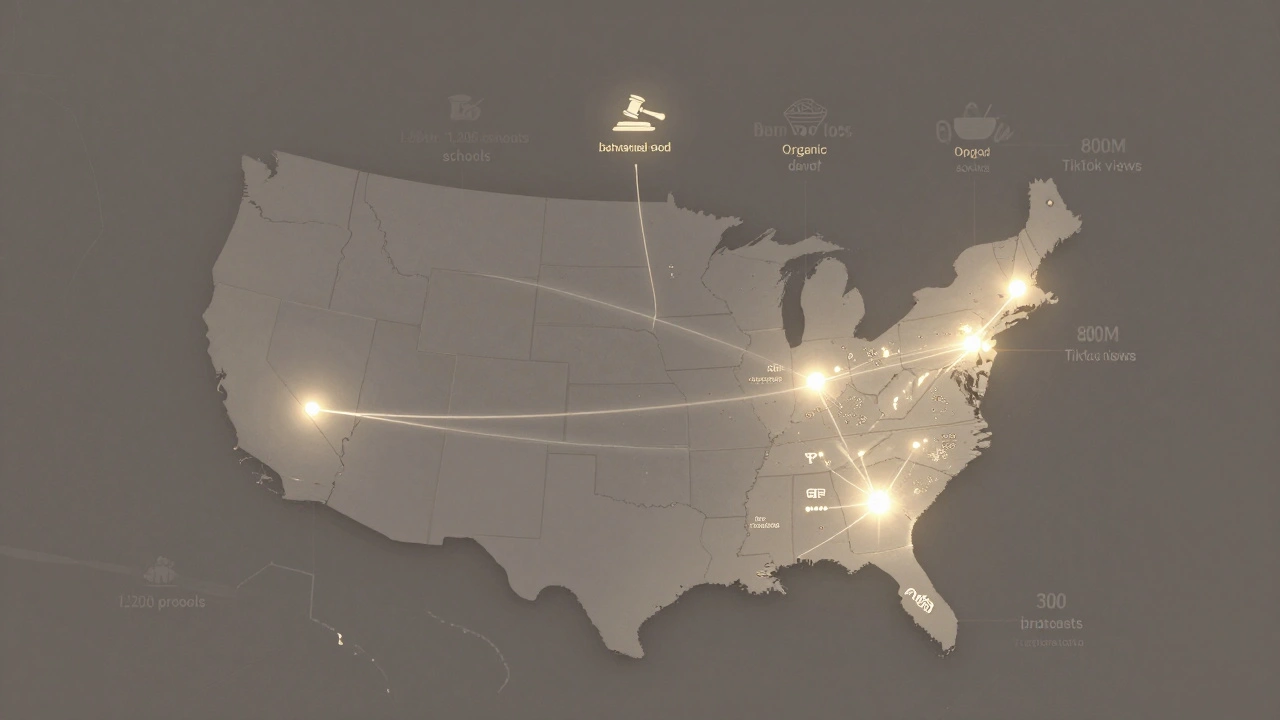
- Grassroots mobilization: Did people start petitions, organize rallies, or volunteer? The campaign for Whose Streets? led to over 300 local protests and 12,000 petition signatures in under six months.
- Media amplification: Did mainstream outlets pick up the story? When The Ivory Game exposed illegal ivory trade, it triggered a CNN investigation and a White House policy review.
- Behavioral shifts: Did consumption habits, voting patterns, or donations change? Food, Inc. saw a 23% increase in organic food sales in the three months after its release, according to Nielsen data.
These aren’t guesses. They’re tracked. Campaigns use CRM tools, survey data, legislative databases, and partner networks to map outcomes. Some even use geolocation data from screening events to see where engagement spiked.
The Tools of Measurement
Impact teams don’t wing it. They use real tools:- Pre- and post-screening surveys: Ask viewers: “What will you do after this film?” Then follow up 30, 60, 90 days later. One campaign found 68% of attendees took action within 30 days.
- Unique campaign URLs: Every screening gets a custom link. If 5,000 people visit a site to sign a petition after a screening, you know the film drove traffic.
- Partnership tracking: If you partner with a nonprofit, they report how many new volunteers or donations came from your audience.
- Legislative monitoring: Tools like LegiScan or GovTrack let you track bill introductions in states where screenings occurred. Correlation isn’t proof-but repeated patterns are telling.
- Media monitoring: Tools like Meltwater or Cision track how often the film’s issue is mentioned in news outlets after screenings.
One of the most powerful metrics? Follow-up engagement. If people keep showing up-attending meetings, joining campaigns, donating months later-that’s the real sign of impact. It’s not about the moment the credits roll. It’s about what happens after.
Real Examples That Worked
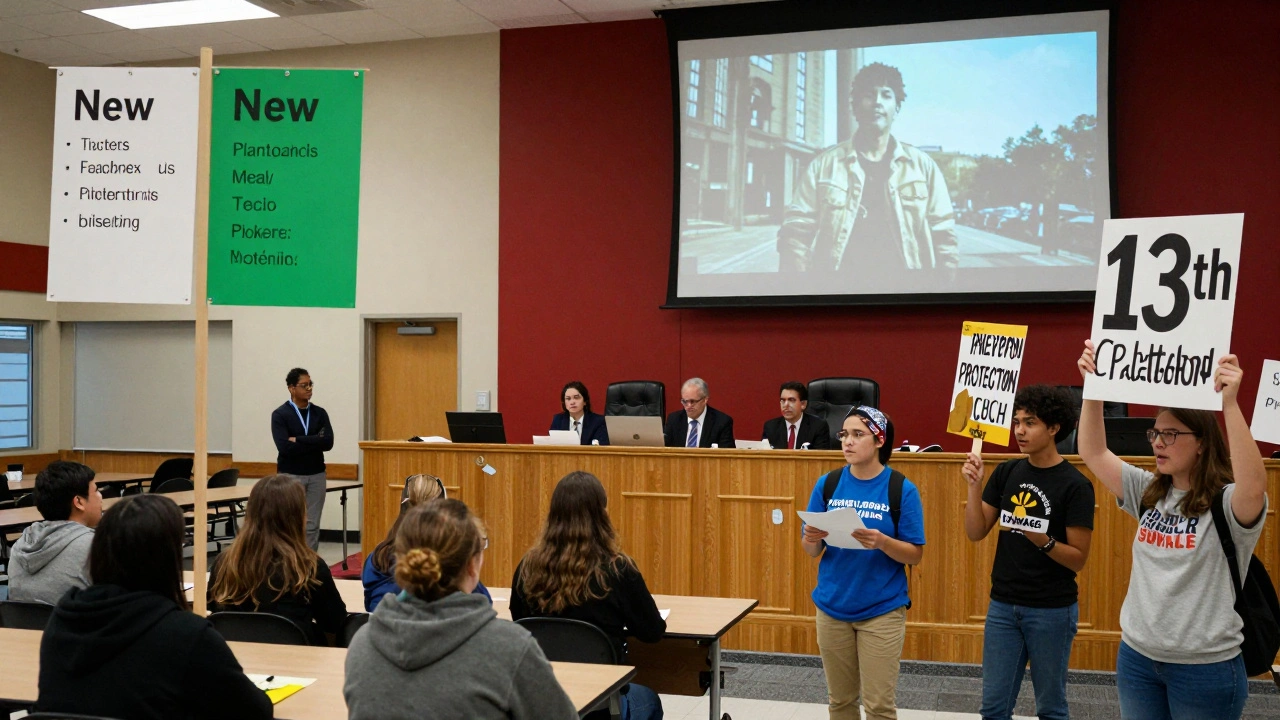
My Octopus Teacher didn’t just go viral. Its campaign worked with marine conservation groups to create “Octopus Awareness Days” in 14 countries. They trained 400+ educators to use the film in classrooms. Within a year, three U.S. states added cephalopod protection to their marine codes. The filmmakers didn’t wait for awards-they built a movement.13th’s campaign, led by Ava DuVernay’s team, partnered with ACLU and Color of Change. They distributed free screening kits to prisons, universities, and churches. They trained facilitators. They pushed for bail reform bills in 18 states. By 2022, six states had passed legislation reducing pretrial detention rates by over 30%. That’s not art. That’s policy.
Climate Justice (2024) used TikTok and Instagram Reels to turn 15-second clips from the film into viral challenges. The campaign hashtag hit 800 million views. Over 200,000 people signed up for climate advocacy training. That’s how you scale impact.
Why Most Campaigns Fail
Not every documentary succeeds. Many fail because they treat impact like an afterthought. Common mistakes:- Waiting until the film is done to plan outreach.
- Assuming viewers will act on their own.
- Using vague calls to action like “Learn more” instead of “Call your rep by Friday.”
- Not tracking data.
- Ignoring local context-what works in New York won’t work in rural Texas.
One 2023 study of 140 documentary campaigns found that those with impact plans from day one were 5x more likely to achieve measurable outcomes. The difference? Planning. Preparation. Persistence.
What You Can Do
If you’re a filmmaker, organizer, or even a viewer:- Ask: “What’s the action?” before you finish editing.
- Partner with groups already working on the issue-they have the networks.
- Make it easy: Give people a clear next step-sign, call, donate, share.
- Track everything. Even if you think it’s small.
- Follow up. Send emails. Host Zooms. Send postcards.
Impact isn’t magic. It’s methodical. It’s built one conversation, one petition, one policy win at a time.
Where Impact Starts
It doesn’t start in Hollywood. It starts in a community center in Asheville, a high school in Detroit, a living room in Omaha. A film is just the spark. The campaign is the fuel. And the people? They’re the fire.Can a documentary really change policy?
Yes. Documentaries like 13th, Seaspiracy, and The Game Changers have directly influenced state and local legislation. The key is pairing the film with a structured campaign that includes lobbying, public events, and data tracking. Policy change doesn’t happen from views alone-it happens when viewers are given clear, actionable steps backed by organized support.
How do you know if a campaign is working?
Look for outcomes, not impressions. Did a bill get introduced? Did a school change its menu? Did donations rise? Did a nonprofit report new volunteers? Use unique URLs, follow-up surveys, and partner data to track behavior-not just attendance. The most reliable sign? People taking action weeks or months after the screening.
Do you need a big budget to run an impact campaign?
No. Many successful campaigns started with under $10,000. What matters is strategy, not spending. A well-planned local screening series with community partners can outperform a national ad buy. Focus on building relationships with organizations already active in the issue. Their networks are your leverage.
What’s the biggest mistake filmmakers make?
Waiting until the film is finished to think about impact. The best campaigns are designed alongside the film. That means identifying target audiences, partners, and measurable goals during production-not after release. Without that early planning, outreach feels reactive, scattered, and ineffective.
Can individual viewers make a difference?
Absolutely. One person can host a screening, start a petition, or share the film with their city council. Impact campaigns thrive on grassroots energy. A single email from a viewer can trigger a meeting. A social media post can go viral. You don’t need to be an expert-just willing to act.





Comments(7)