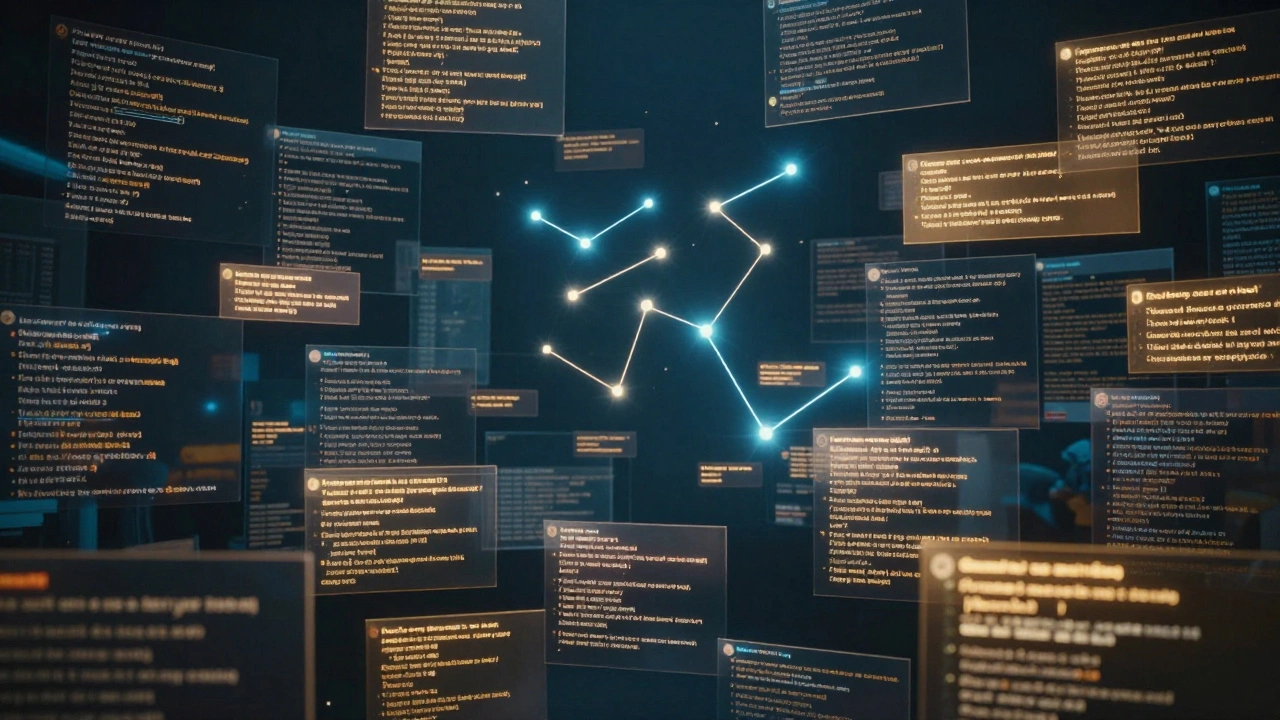
Every time a new movie drops, the comment section explodes. Some people love it. Others call it a dumpster fire. You’ve seen it: a brilliant review gets buried under 300 replies arguing about a character’s motivation, a spoiler from three days ago, or someone yelling about the director’s politics. It’s not just noise-it’s the heartbeat of film culture. But left unmanaged, it becomes toxic, misleading, or just plain useless.
Why Film Comment Sections Matter More Than You Think
Film isn’t just watched-it’s discussed. People don’t just want to know if a movie is good. They want to know why. They want to debate the symbolism in the final shot, argue over casting choices, or share how the story mirrored their own life. Comment sections are where fan theories are born, where niche films find their audience, and where critics meet the public face-to-face-digitally.
Look at the comments under Oppenheimer or The Marvels. One thread might dive into historical accuracy. Another might unpack the emotional weight of a silent scene. A third might just be someone asking, “Who’s the guy who played the guy in the background?” That’s not chaos. That’s engagement. But without structure, it collapses under its own weight.
The Three Biggest Problems in Film Comment Sections
Most film sites struggle with the same three issues:
- Spam and bots-automated replies pushing links, fake reviews, or AI-generated “thoughts” that sound real but add nothing.
- Trolling and harassment-users targeting reviewers for their gender, race, or opinion, turning discussion into personal attacks.
- Signal loss-the best comments get drowned out by the loudest, not the most insightful. A thoughtful 500-word analysis vanishes under five angry one-liners.
These aren’t new problems. But with AI-generated comments now making up nearly 18% of film-related replies on major platforms (based on 2025 data from MediaWatch Labs), they’ve gotten worse. You can’t just delete everything and call it a day. You need strategy.
How to Build a Healthy Film Discussion Ecosystem
Successful film communities don’t rely on luck. They rely on systems. Here’s what works:
- Start with clear rules-post them where everyone can see them. No personal attacks. No spoilers without tags. No promoting pirated content. Simple. Non-negotiable.
- Use tiered moderation-not every comment needs a human. Automated filters catch spam and flagged keywords. Then, trained volunteers or part-time moderators review borderline posts. Only the most extreme cases go to admins.
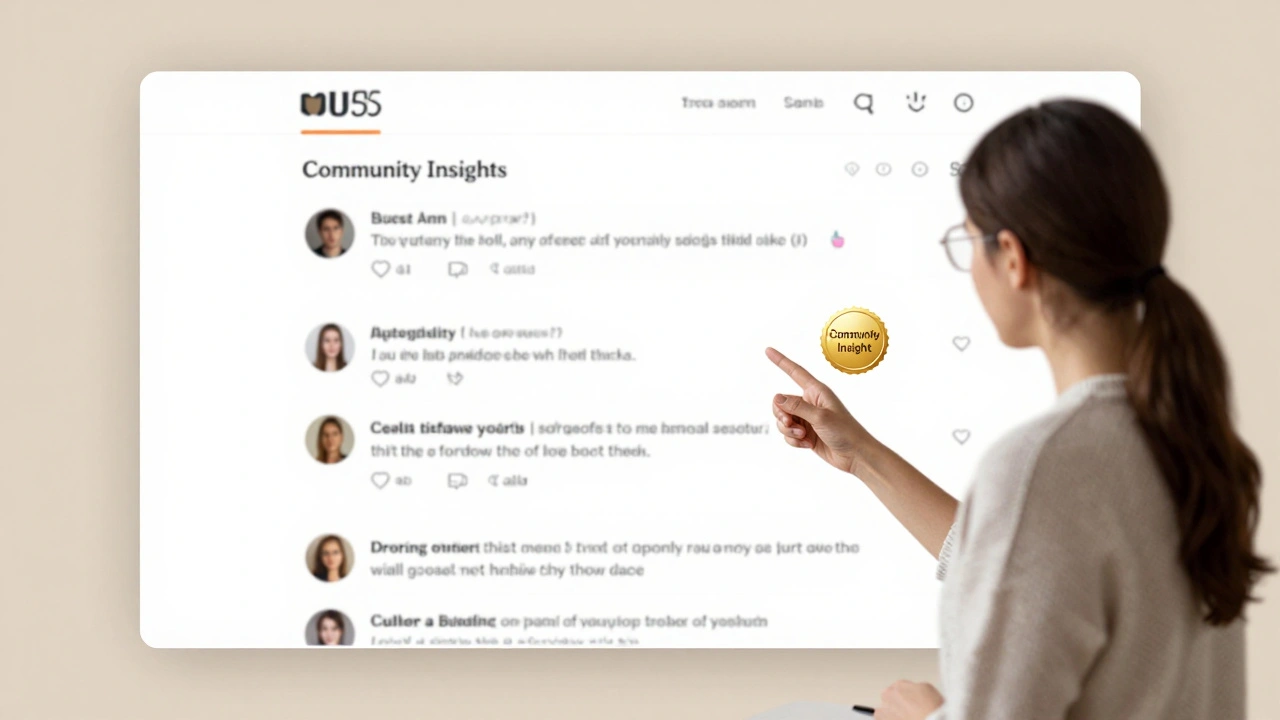
- Highlight quality-pin top comments. Give them a badge: “Community Insight” or “Film Buff Pick.” People will start writing better if they know their words might be seen.
- Let users moderate-enable upvotes, downvotes, and report buttons. Communities self-correct when given tools. Reddit’s film subs show this works: the best comments rise, the worst sink.
- Engage, don’t disappear-when a film critic or director responds to a comment, engagement jumps by 40% (per 2024 analysis from FilmForum Analytics). It tells users: your voice matters.
It’s not about silencing dissent. It’s about making space for meaning.
When to Step In-and When to Step Back
Not every argument needs fixing. Sometimes, a heated debate about whether Barbie was feminist or not is exactly what film discourse should look like. The goal isn’t to make everyone agree. It’s to make sure the conversation stays respectful and grounded.
Here’s a quick guide:
- Step in when: someone is being threatened, doxxed, or targeted based on identity. When false claims spread as fact (e.g., “This movie ruined the franchise!” without evidence). When bots flood the thread with the same message.
- Step back when: two users passionately disagree about pacing, score, or symbolism. When someone says, “I hated it,” and another replies, “I loved it.” That’s not conflict-that’s cinema.
The line isn’t about opinion. It’s about humanity.
Tools That Actually Work (Not Just Fancy Software)
You don’t need a $10,000 moderation platform. Many small film sites run great comment sections with free or low-cost tools:
- Disqus-has built-in spam filters, upvoting, and user reputations. Used by IndieWire and RogerEbert.com.
- Commento-open-source, privacy-focused. Great for indie blogs that want to avoid tracking.
- Native platforms-YouTube comments, Twitter/X threads, or even Letterboxd’s built-in reviews can outperform third-party systems if curated well.
What matters isn’t the tool. It’s how you use it. A simple comment section with clear rules and active volunteers beats a high-tech system run by an overworked intern.
Real Examples: What’s Working Right Now
Take Letterboxd. It’s not a traditional comment section. It’s a review-and-rating platform with threaded replies. But it works because:
- Users write in full sentences, not emojis.
- Replies are limited to 250 characters-forces conciseness.
- Top reviews are algorithmically boosted, not just the most recent.
- You can mute users without blocking them.
Or look at The Ringer’s film section. They assign a rotating moderator from their staff to each major release. That person spends 30 minutes a day reading and replying-not to win arguments, but to ask follow-up questions: “What part of the ending felt unresolved to you?” That simple gesture turns a comment section into a conversation.
What Happens When You Get It Right
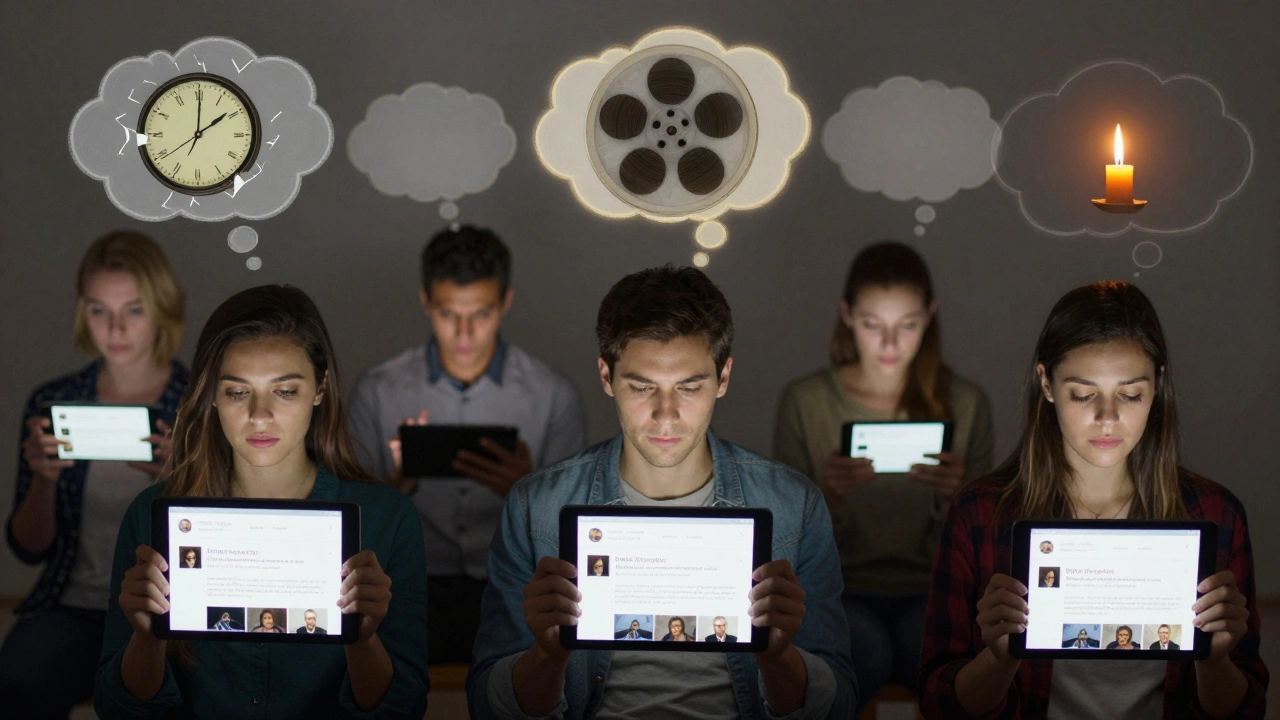
When film comment sections are healthy, something powerful happens: fans become co-creators of meaning. A user writes a 1,200-word breakdown of the lighting in Poor Things. Someone else replies with a video essay linking it to 1970s European cinema. A third person shares how it reminded them of their grandmother’s house.
That’s not just engagement. That’s cultural memory.
And it’s not rare. In 2025, sites with active, well-moderated film communities saw 68% higher return visits than those with chaotic or abandoned comment sections (Source: Film Audience Tracker).
Final Thought: It’s Not About Control. It’s About Care.
Managing film comment sections isn’t about censorship. It’s not about making everyone happy. It’s about creating a space where curiosity is rewarded, not punished. Where a quiet, thoughtful comment has the same chance to be seen as the loudest rant.
That takes work. It takes time. It takes people who care enough to show up, even when it’s messy.
Because film isn’t just something you watch alone in the dark. It’s something you talk about-with strangers, with friends, with people who see it differently than you. And that conversation? That’s where the art lives.
Why do film comment sections get so toxic?
Film comment sections get toxic because they’re public, anonymous, and emotionally charged. People invest deeply in movies-they see them as part of their identity. When someone disagrees with their favorite film, it can feel personal. Add in the lack of consequences online, the rise of AI-generated spam, and the algorithmic reward for outrage, and you get a perfect storm. It’s not that people are meaner than before. It’s that the system rewards bad behavior.
Can I let users moderate their own comments?
Yes-and you should. Communities that give users tools like upvotes, downvotes, and reporting buttons tend to self-police more effectively than top-down moderation. Reddit’s film subs, Letterboxd, and even YouTube’s comment sections show that when people feel ownership, they take responsibility. Just make sure the tools are easy to use and that moderators can override bad decisions.
Should I delete negative reviews?
No-not unless they break your rules. A harsh review is not the same as a hate comment. If someone says, “This movie was boring and poorly acted,” that’s valid criticism. If they say, “The director should die,” that’s abuse. Learn the difference. Negative reviews help others decide what to watch. They also show you’re not hiding from feedback.
How do I handle spoilers in comments?
Require spoiler tags. Use [SPOILER] or <spoiler> around any plot reveal. Make it easy to collapse or hide those comments. Some sites use automated detection to flag words like “killed,” “revealed,” or “twist.” But the best system? Train your users. Add a quick pop-up when someone posts: “Did you tag this as a spoiler?” Most people will comply if you ask nicely.
Is it worth moderating comments on a small film blog?
Absolutely. Small blogs with thoughtful comment sections build loyal audiences. People come back not just for the articles, but for the conversation. A well-moderated comment section turns readers into community members. And that’s more valuable than any viral post. Even 10 engaged users are better than 500 who never return.
What’s the biggest mistake people make with film comments?
The biggest mistake? Ignoring them. Many sites treat comments as an afterthought-set it and forget it. That’s a missed opportunity. Comments are where your audience lives. If you don’t engage, they’ll go elsewhere. Even a simple “Thanks for sharing that perspective” from the author builds trust. You don’t need to respond to everyone. But you need to show up.
Next Steps: What to Do Today
Don’t wait for a crisis. Start small:
- Review your current comment rules. Are they written down? Are they visible?
- Pick one post from last week. Read the comments. What stood out? What made you cringe?
- Assign one person-maybe you-to moderate for 15 minutes a day. Just read. Don’t delete. Just observe.
- Enable upvotes or a “like” button if you don’t have one.
- Reply to one thoughtful comment this week. Just say thanks.
Change doesn’t happen overnight. But if you care about film-and the people who love it-you owe them a space where they can talk without fear, without noise, and without being ignored.






Comments(8)