Remember when releasing a movie meant one thing? You booked theaters, waited months, and hoped people showed up. That model is dead for most independent films. Today, the smartest indie filmmakers are using a hybrid release strategy that combines theatrical screenings with immediate digital availability. This approach isn't just a compromise; it's a calculated move to maximize revenue and audience reach in a fragmented market.
You might be wondering if this dilutes the prestige of a theatrical run. It doesn't, if you execute it right. The key is understanding how these two channels support each other rather than compete. Let's break down exactly how hybrid releases work, why they're winning, and how you can use them for your next project.
What Exactly Is a Hybrid Release?
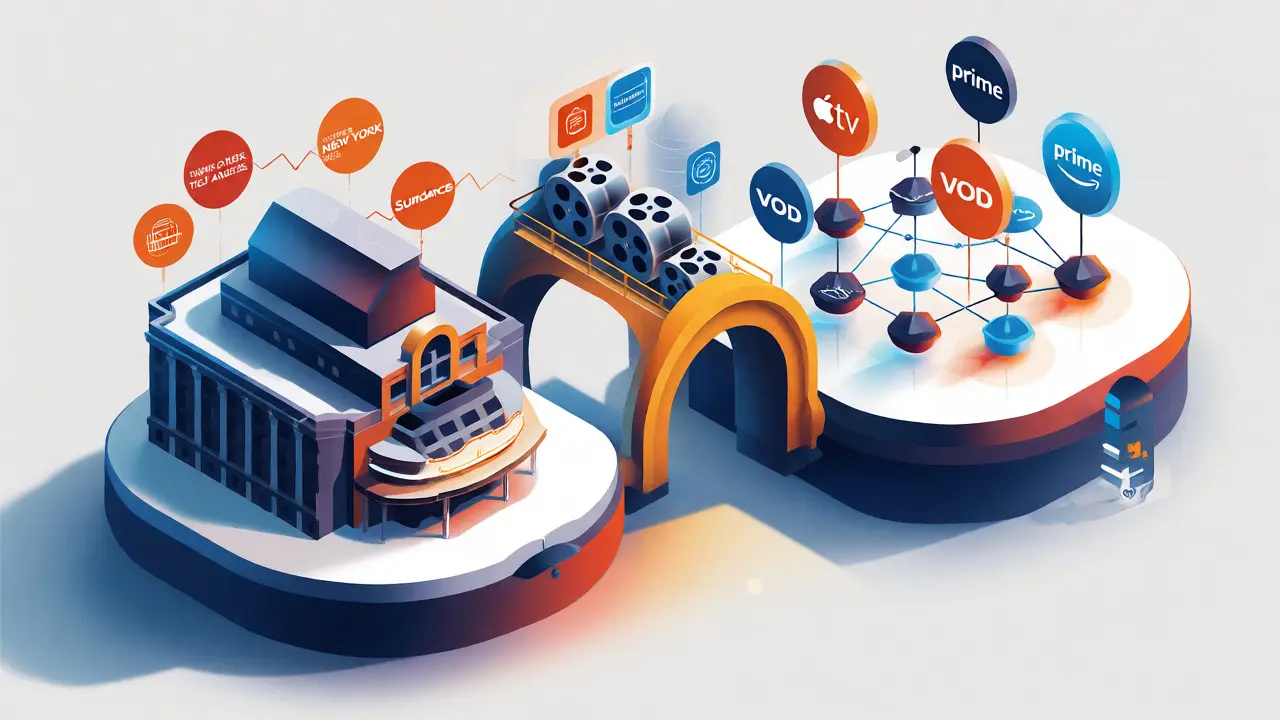
A hybrid release, often called "day-and-date," means a film opens in select theaters and on Video On Demand (VOD) platforms on the same day. Unlike traditional windows where streaming follows cinema by 90 days, here, the gap is zero. This model emerged out of necessity during the pandemic but has stuck because it solves real problems for small budgets.
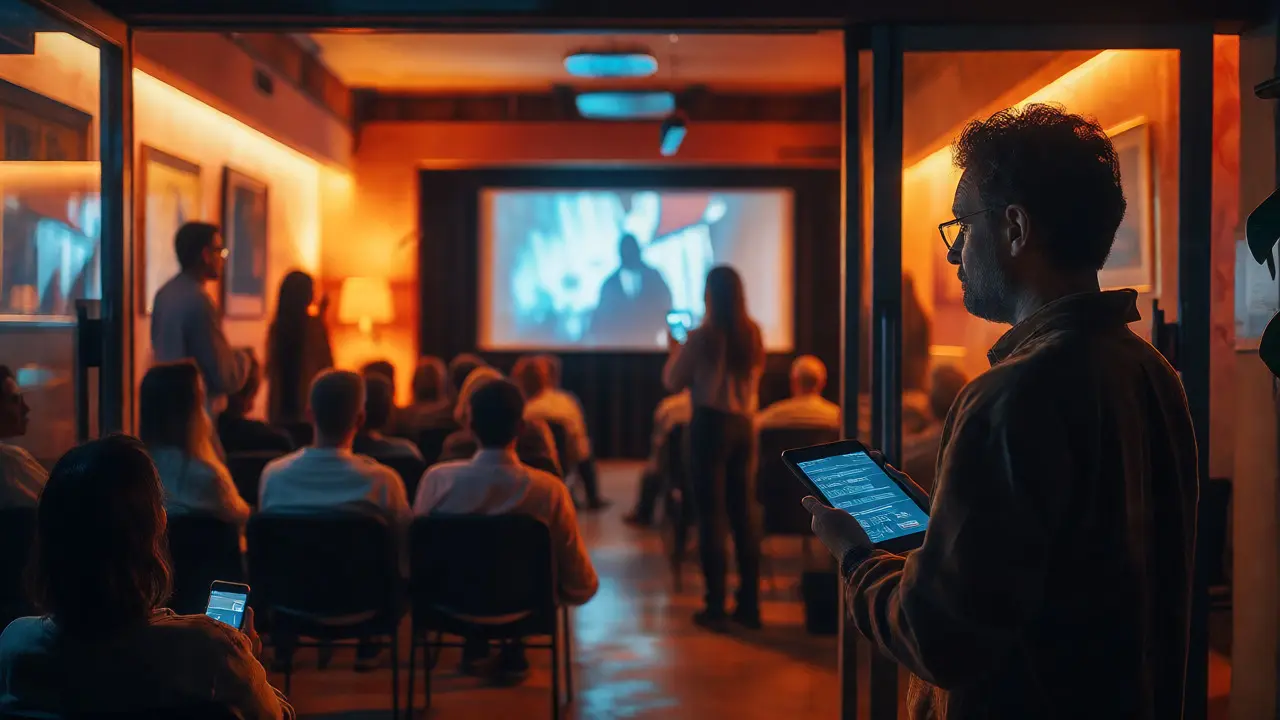
The central entity here is the Hybrid Release Model, which simultaneously distributes content across physical and digital channels to capture diverse consumer preferences. For an indie filmmaker, this means you aren't choosing between art-house credibility and home-viewing convenience. You get both. Platforms like MUBI or Shudder often partner with local cinemas to create event-style openings while making the film available globally online within hours.
This structure changes the economics completely. Traditional theatrical runs require massive prints and advertising costs that eat into profits before a single ticket is sold. Hybrid models reduce those upfront risks. You pay for limited theatrical exposure-maybe ten screens in major cities-and let the digital sales drive volume. If your film gets buzz from critics who saw it in New York, viewers in rural Kansas can watch it immediately without waiting three months.
Why Indies Are Ditching Traditional Windows
Let's look at the numbers. According to recent data from the Independent Film Project, over 60% of successful indie titles in 2025 utilized some form of simultaneous release. Why? Because attention spans are short. If someone hears about your movie on a podcast today, they want to watch it tonight, not in November. Waiting kills momentum.
There is also the issue of accessibility. Not everyone lives near an art-house theater. By going hybrid, you remove geographic barriers. A documentary about Appalachian coal mining, for example, can screen in Asheville while being streamed to viewers in London or Tokyo instantly. This global reach was impossible under old rules unless you had a major studio backing you.
Furthermore, theatrical screens still matter for awards eligibility. Many festivals and award bodies, including the Academy Awards, require a qualifying run in Los Angeles or New York. A hybrid release satisfies this requirement cheaply. You book a week-long run in LA, tick the box, and then focus your energy on marketing the digital launch where the actual money is made.
Structuring Your Day-and-Date Strategy
You can't just throw a film onto iTunes and call it a day. Success requires sequencing. Here is a typical workflow that works well for budgets under $1 million:
- Festival Premiere: Launch at a major festival like Sundance or SXSW to generate press and reviews.
- Limited Theatrical Run: Secure bookings in 3-5 key markets (NYC, LA, Chicago, Austin, Seattle). These serve as press hubs and award qualifiers.
- Digital Aggregation: Use an aggregator like Quiver Distribution or Tugg to place the film on Amazon Prime Video, Apple TV, and Vudu simultaneously with the theatrical opening.
- Targeted Marketing: Run geo-targeted social ads in the theatrical cities to drive foot traffic, and broader interest-based ads nationally to drive digital rentals.
The trick is synchronization. Your PR team must coordinate so that reviews drop the same week the film hits digital platforms. If critics praise your film on Tuesday, and it's only available in theaters until Friday, you lose the impulse buyers. When it's available everywhere, those readers convert directly into renters.
Revenue Streams: Where the Money Actually Comes From
Many filmmakers fear that digital cannibalizes theatrical revenue. In reality, for indies, digital usually accounts for 70-80% of total earnings. Theatrical shows are often loss leaders or break-even events designed to build brand awareness. But don't underestimate their value-they validate the product.
| Channel | Typical Share of Gross | Cost Structure | Timeframe |
|---|---|---|---|
| VOD/Rental | 45% | Low (Platform fees ~30%) | Weeks 1-12 |
| SVOD Licensing | 25% | Fixed Fee or Rev-Share | Months 3-24 |
| Theatrical | 10% | High (P&A Costs) | Weeks 1-4 |
| International Sales | 15% | Agent Fees (15-20%) | Ongoing |
| Merch/Direct | 5% | Variable | Ongoing |
Notice the SVOD licensing line. After the initial rental window closes, selling the film to a subscription service like Hulu or Netflix provides long-tail income. Hybrid releases make these deals easier to negotiate because distributors see proven engagement metrics from the digital launch phase.

Pitfalls to Avoid in Hybrid Distribution
It's not all smooth sailing. One major risk is platform saturation. If you release on too many platforms at once, you confuse the audience. Stick to the top three aggregators. Another trap is poor metadata optimization. On digital shelves, your title competes with thousands of others. If your thumbnail, description, and tags aren't optimized for search algorithms, you'll be invisible regardless of how good the film is.
Also, beware of pricing errors. Undercutting yourself too early can devalue the brand. Start with premium video-on-demand (PVOD) pricing ($14.99-$19.99) for the first month to capture super-fans and cinephiles. Then drop to standard rental prices ($5.99-$7.99) to capture the general audience. Don't start low; you can always lower the price later, but raising it looks bad.
The Future: Data-Driven Decisions
We are moving toward hyper-personalized distribution. Tools now allow filmmakers to see exactly where their viewers are located in real-time. If analytics show high demand in Texas but none in Florida, you can shift ad spend dynamically. This agility is impossible with traditional wide releases.
As we head into 2027, expect more partnerships between tech platforms and boutique chains. Imagine a scenario where watching a trailer on TikTok leads directly to a booking link for a nearby indie cinema or a one-click rental. The barrier between discovery and consumption is vanishing. For independent creators, this is the golden age-if you know how to navigate the hybrid landscape.
Does a hybrid release hurt my chances for Oscar qualification?
No, provided you meet specific criteria. The Academy requires a seven-day continuous run in Los Angeles County starting no later than December 31st. As long as your hybrid strategy includes this qualifying theatrical run, the simultaneous digital release does not disqualify the film. Many past nominees, such as 'The Irishman' and 'Nomadland,' used variations of this model.
Which VOD platforms are best for independent films?
Amazon Prime Video and Apple TV+ typically drive the highest volume for transactional VOD due to user base size. However, niche platforms like MUBI, Shudder, or Kanopy can offer better visibility and higher per-unit revenue for genre-specific or arthouse films. Using an aggregator like Quiver or Tugg allows you to distribute to all major platforms simultaneously, ensuring maximum coverage.
How much should I budget for a hybrid release?
For a modest indie film, allocate 15-20% of your production budget to distribution and marketing. This covers P&A (Prints and Advertising), festival fees, aggregator costs, and digital marketing ads. While theatrical costs are fixed, digital marketing is flexible-you can scale ad spend based on early performance metrics, allowing you to optimize return on investment dynamically.
Can I do a hybrid release without a distributor?
Yes, self-distribution via aggregators is common. Companies like FilmHub, Reelhouse, or Quiver handle the technical delivery to platforms for a fee or revenue share. However, securing a sales agent or minor distributor can help with international rights and PR placement, which are difficult to manage alone. Self-distribution gives you more control but requires significant time investment in marketing and logistics.
What is the ideal timing for the digital launch?
Simultaneous launch is the standard definition of hybrid, but some strategies stagger the digital release by 1-2 weeks after the theatrical premiere. This creates a brief exclusivity window for theatergoers, potentially boosting ticket sales. However, for most indies, immediate availability maximizes buzz conversion. Test both approaches with your target audience demographics; younger audiences prefer immediate access, while older cinephiles may appreciate the theatrical exclusivity period.