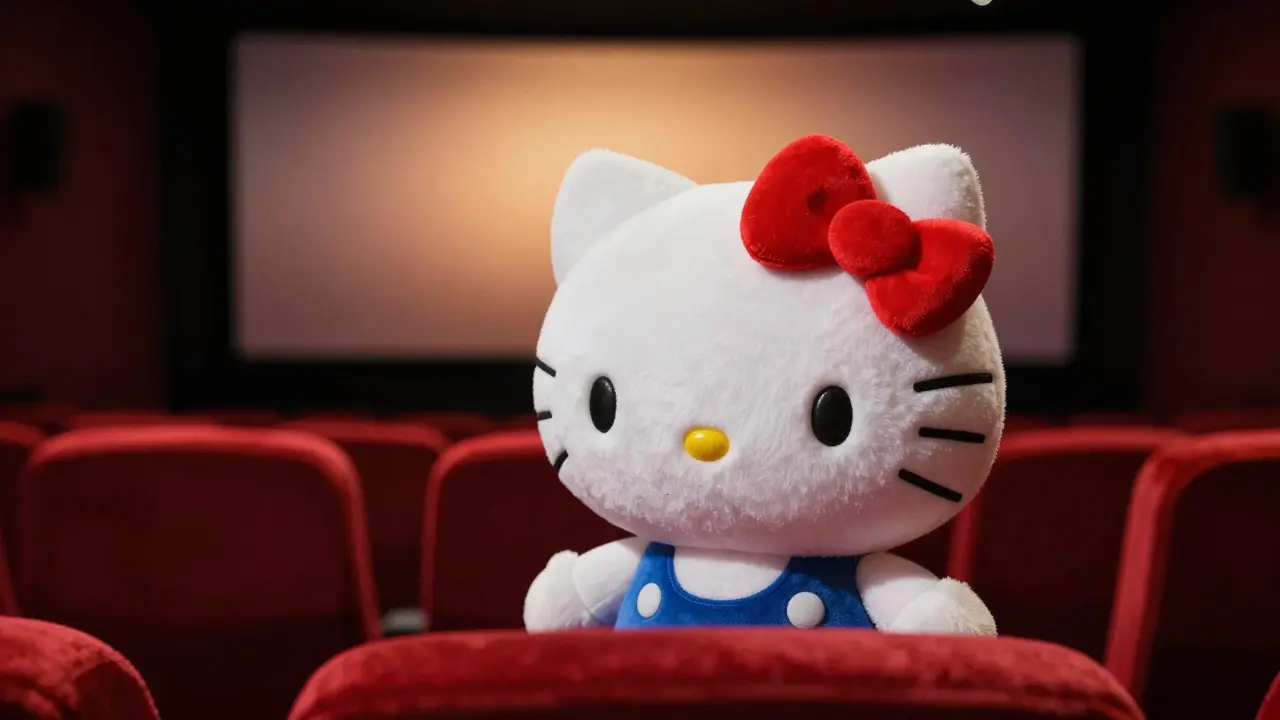
Sanrio just dropped a bombshell that has anime fans and corporate strategists scrambling. A Hello Kitty is a Japanese character designed by Yuko Shimizu in 1974, originally created as a coin purse character before becoming a global cultural icon. The announcement confirms a major Theatrical Film slated for a 2028 release. This isn't just another cartoon; it’s a calculated move to dominate the premium animation market. For decades, Hello Kitty existed primarily in merchandise and short-form digital content. Now, she’s stepping into the big leagues of feature-length cinema.
You might wonder why this matters beyond the cute aesthetic. The timing is critical. With streaming fatigue setting in and audiences craving shared theatrical experiences, studios are betting on established intellectual properties (IP) with built-in global recognition. Sanrio knows their asset value. By targeting 2028, they’re giving themselves enough runway to build hype while ensuring the technology for high-quality animation is mature enough to justify the ticket price. It’s a play for both nostalgia and new generations who’ve only seen the character on phone cases.
The Strategic Shift in Sanrio’s Business Model
Historically, Sanrio is a Japanese company founded in 1960, best known for creating and licensing characters like Hello Kitty, Cinnamoroll, and My Melody. Their revenue model was heavily skewed toward licensing fees from physical goods-stationery, apparel, and home decor. While lucrative, this approach caps growth potential compared to the massive box office and streaming rights associated with film franchises. The 2028 movie signals a pivot toward media-first monetization.
This shift mirrors what Disney did in the early 2000s but with a different flavor. Disney leveraged its own studio infrastructure. Sanrio, however, lacks a major Hollywood-style production arm. This means the 2028 film will likely involve significant co-production or distribution partnerships. We can expect collaborations with major animation houses or streaming giants who want exclusive or simultaneous windowing rights. The goal? To transform Hello Kitty from a "product" into a "media property" with recurring narrative arcs, much like Pokémon or Studio Ghibli films.
What We Know About the 2028 Release
Details are still scarce, which is typical for announcements made three years out. However, industry patterns suggest a few key elements. First, the style. Will it be 3D CGI, traditional 2D, or a hybrid? Given the trend toward photorealistic textures in recent animated features, a high-fidelity 3D look is probable. This allows for detailed environmental storytelling that matches the polished, clean aesthetic Hello Kitty is known for.
- Release Window: Likely November or December 2028, aligning with holiday shopping seasons to maximize merchandise synergy.
- Target Audience: Dual-targeted at children (ages 5-10) and millennial parents who grew up with the brand.
- Format: Feature-length (90-110 minutes), possibly accompanied by a limited series prequel or spin-off to build momentum.
The narrative focus remains unannounced, but early leaks suggest a story centered on friendship and self-discovery, staying true to the character’s gentle, non-verbal communication style. Unlike many modern protagonists who drive plot through dialogue, Hello Kitty’s stories often rely on visual cues and emotional resonance. This poses an interesting challenge for screenwriters working within a global context where language barriers exist.
Global Market Implications and Competition
Entering the global theatrical market in 2028 puts Sanrio in direct competition with established players. Let’s look at how this stacks up against other major animated franchises releasing around the same timeframe.
| Franchise | Parent Company | Primary Style | Global Reach | Key Advantage |
|---|---|---|---|---|
| Hello Kitty | Sanrio | 3D/2D Hybrid | Universal/Nostalgic | Massive existing merchandise base |
| Pokémon | The Pokémon Company | 3D CGI | Gaming/Fandom Driven | Integrated gaming ecosystem |
| Bear in the Big Blue House (Reboot) | Sony Pictures | 3D CGI | Nostalgia (US/EU) | Strong TV legacy in Western markets |
| New Studio Ghibli Original | Studio Ghibli | 2D Hand-drawn | Critical Acclaim | Award-winning artistic pedigree |
Hello Kitty’s edge lies in ubiquity. You don’t need to explain who she is to anyone over the age of 30. That instant recognition reduces marketing costs significantly. However, the risk is saturation. If the tone feels too childish for adults or too complex for young kids, it could fail to bridge the generational gap. Competitors like Pokémon have solved this by keeping the lore deep enough for older fans while remaining accessible to newcomers. Sanrio must find that balance without diluting the character’s simple charm.
Technological and Production Considerations
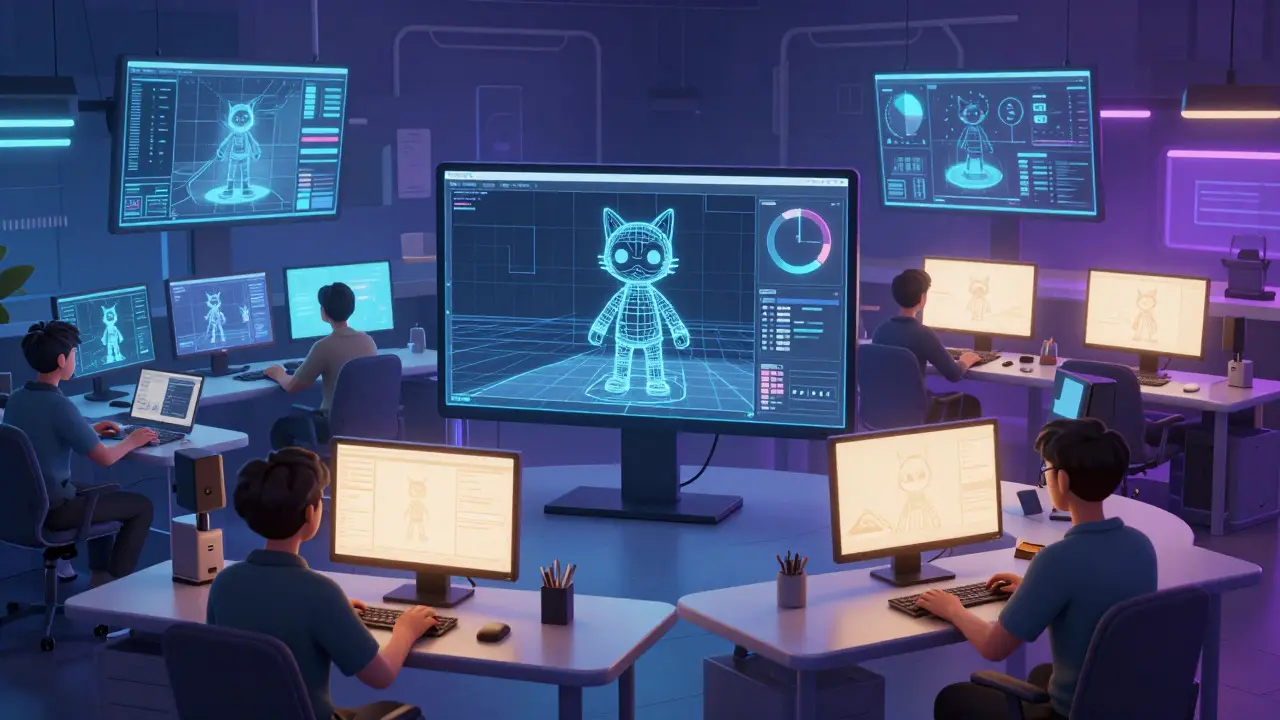
Producing a high-budget animated feature in 2028 requires cutting-edge tools. Studios will likely utilize AI-assisted workflows for background generation and character rigging to reduce production times. This efficiency is crucial for maintaining profit margins, especially when competing with lower-cost independent animations.
Furthermore, the rise of virtual production techniques, borrowed from live-action filmmaking, may influence how scenes are lit and composed. Imagine real-time rendering engines allowing directors to preview final shots instantly during pre-production. This technology enables faster iteration, which is vital for meeting tight release schedules. For Sanrio, partnering with tech-forward animation studios in South Korea or Japan could provide access to these pipelines without building them in-house.
Merchandising and Cross-Media Synergy
A film release is never just about tickets. It’s the catalyst for a multi-year merchandising cycle. Expect a wave of products hitting shelves six months before the premiere. From plush toys to high-end fashion collaborations, the revenue stream will diversify well beyond box office numbers.
We’ve seen this playbook work with *Sonic the Hedgehog*. The first film underperformed critically but succeeded commercially due to strong merchandise sales. Hello Kitty has even stronger brand equity in the lifestyle sector. Partnerships with luxury brands, previously rare for mass-market characters, could elevate the perception of the IP. Think limited-edition handbags or smartwatch faces tied to the movie’s release date. This cross-pollination between cinema and consumer goods creates a feedback loop where product visibility drives movie interest, and vice versa.
Frequently Asked Questions
Is the Hello Kitty movie already in production?
As of August 2026, the project is in the development phase. Scriptwriting and casting (if voice actors are involved) are likely underway, but full-scale animation production typically begins 18-24 months before release. So, expect active production to ramp up in late 2026 or early 2027.
Will the movie be released in theaters or directly on streaming?
The announcement specifies a "Theatrical Film," implying a traditional cinema release. However, given current industry trends, a simultaneous or near-simultaneous streaming release on a major platform is highly probable to maximize global reach, especially in markets where theater attendance is declining.
Who is directing the Hello Kitty 2028 movie?
No director has been officially announced as of mid-2026. Sanrio is likely seeking a director with experience in family-oriented animation or international co-productions. Rumors point toward talent from top-tier animation studios in Asia or North America, but nothing is confirmed yet.
How does this compare to previous Hello Kitty adaptations?
Previous adaptations included short OVA specials and a 2010 live-action/animated hybrid film. Those projects had limited scope and mixed reception. The 2028 feature represents a step up in budget, scale, and ambition, aiming for a standalone blockbuster rather than a niche fan service release.
What languages will the movie be available in?
Given Hello Kitty’s global popularity, the film will likely launch with English, Japanese, and Mandarin Chinese dubs at minimum. Additional dubs for Spanish, French, and German are expected to follow shortly after the initial release to capture broader European and Latin American markets.