Remember when releasing a movie meant picking one lane? You either went wide in theaters, hoping for a hit, or you dumped it on Vimeo On Demand and prayed the algorithm noticed you. Those days are gone. In 2026, independent filmmakers aren't just choosing between theatrical and digital; they're blending them into something new. This is the era of the hybrid release model, a strategy that combines multiple distribution channels simultaneously to maximize reach and revenue.
If you’re an indie producer staring at a finished cut and a shrinking budget, this shift isn’t just nice-to-have-it’s survival. The old linear path (festival → theatrical → VOD) has collapsed under the weight of changing audience habits and platform economics. Now, success depends on how well you can mix platforms without cannibalizing your own sales.
The Death of the Linear Window
For decades, the industry relied on strict distribution windows. These were exclusive time periods during which a film could only be shown on one specific platform. A movie would play in cinemas for 90 days, then move to DVD, then to premium VOD, and finally to basic cable. Each window protected the revenue of the previous one.
That model is broken for indies. Why? Because audiences don’t wait ninety days to watch a niche horror flick or a heartfelt drama. They want it now. When you force a long theatrical exclusive window on a small-budget film, you risk losing momentum entirely. By the time your film hits Apple TV or Amazon Prime Video, the cultural conversation has moved on.
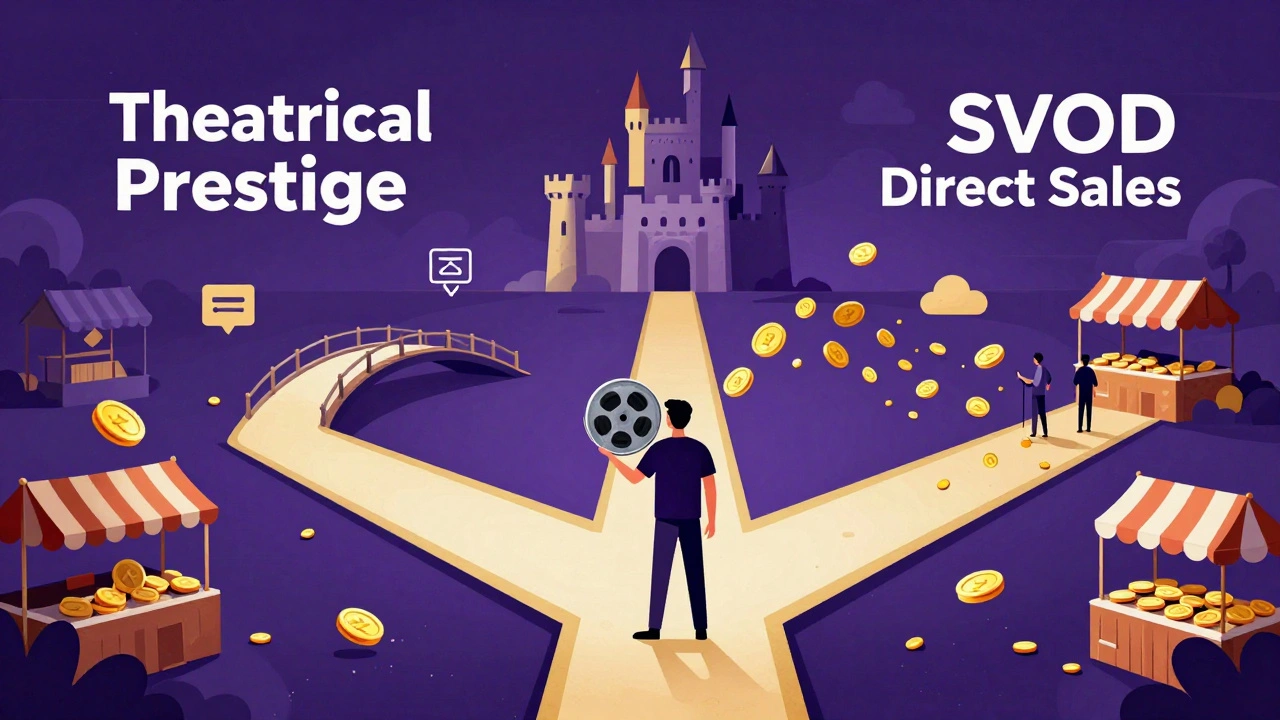
The hybrid model ignores these artificial walls. It allows you to release in select theaters while launching on Video on Demand (VOD) simultaneously. This approach, often called day-and-date release, refers to launching a film on physical screens and digital platforms on the exact same day. It sounds risky to traditionalists, but data from recent years shows it works if executed correctly.
Core Components of a Hybrid Strategy
A successful hybrid release isn’t random. It requires precise coordination across three main pillars: theatrical, digital, and community.
- Selective Theatrical: You don’t need 1,000 screens. You need 50-100 strategic locations where your audience lives. Think art-house cinemas in major hubs like New York, Los Angeles, London, and Berlin. The goal here isn’t box office dominance; it’s prestige and press coverage.
- Direct-to-Consumer Digital: Use platforms that allow you to keep more revenue. Vimeo On Demand lets you set your own price and keeps 90% of the revenue. Mubi offers curated exposure to cinephiles who actively seek out unique titles.
- Community Engagement: Your social media isn’t just for trailers. It’s your ticketing system. Direct fans to buy tickets online for local screenings or pre-order digital copies. This builds a database of buyers you can market to directly later.
The key is integration. Your theatrical poster should have a QR code linking to the digital store. Your digital landing page should highlight upcoming Q&A sessions in cities. Every channel feeds the others.
Day-and-Date vs. Staggered Releases
Not all hybrid models look the same. The two most common approaches are day-and-date and staggered releases. Choosing the wrong one can hurt your earnings.
| Strategy | Best For | Risk Level | Revenue Potential |
|---|---|---|---|
| Day-and-Date | Films with strong home viewing appeal (horror, comedy) | Medium (theaters may reject) | High immediate cash flow |
| Staggered (Theater First) | Visually spectacular films (sci-fi, epic drama) | Low (traditional partner approval) | Slower build-up |
| Digital Exclusive | Micro-budget (<$50k) or highly niche topics | Very Low | Limited ceiling |
Day-and-date is aggressive. It tells the market, "We are available everywhere right now." This works best for genres that thrive on word-of-mouth and quick consumption. If you make a slasher film, people won’t wait two weeks to see it in a theater. They’ll rent it tonight. Offering both options captures the casual viewer and the cinephile simultaneously.
Staggered releases offer a safety net. You open in theaters for 2-4 weeks to generate reviews and awards buzz. Then you expand digitally. This helps if your film relies heavily on the cinematic experience-like IMAX-sized visuals or surround sound design. However, it requires patience and upfront marketing spend before you see any digital returns.
Platform Economics: Who Pays What?
Understanding the financial split is crucial. Different platforms take different cuts, which affects your pricing strategy.
iTunes / Apple TV typically takes a 70% share of rental purchases, leaving you with 30%. This is standard for major aggregators. Google Play Movies operates similarly. While these platforms offer massive reach, the margins are thin. You need high volume to make significant profit here.
In contrast, Vimeo On Demand charges a flat fee per transaction plus a small percentage, allowing creators to retain up to 90% of the sale price. This makes it ideal for direct fan support. If you sell a copy for $10, you keep $9. On iTunes, you’d keep $3. That difference changes how you price your content. On Vimeo, you might charge $15 for a deluxe edition with bonus features. On iTunes, you’re forced to compete on price with thousands of other titles.
Subscription Video on Demand (SVOD) deals with services like Netflix or Hulu are different again. These are usually licensing fees rather than revenue shares. A flat fee of $50,000 might seem great, but it caps your upside. If your film goes viral, you don’t benefit beyond that initial payment. Hybrid models often use SVOD as a back-end strategy after exhausting direct sales.
Marketing Across Channels
You can’t market a hybrid release like a single-platform launch. Your messaging must adapt to each channel’s audience behavior.
For theatrical, focus on the event. Create scarcity. "Only playing in NYC this weekend." Partner with local influencers for premiere nights. Use Fandango or Atom Tickets to capture email addresses from ticket buyers. These emails are gold for your digital launch.
For digital, focus on convenience and exclusivity. Offer early access to subscribers. Create behind-the-scenes content that unlocks after purchase. Use targeted ads on social media platforms like Instagram and TikTok, directing users straight to the checkout page. Retargeting is powerful here-if someone watched your trailer, show them a ad for the full movie within 24 hours.
Avoid generic campaigns. Don’t just say "Watch my movie." Say "Experience the tension in a dark theater" for cinema-goers, and "Binge the mystery from your couch" for streamers. Tailor the value proposition to the medium.
Pitfalls to Avoid
Hybrid releases are complex. One misstep can derail your entire strategy.
- Ignoring Territory Rights: If you sell international rights to a distributor, you can’t release digitally in those regions yourself. Clear your contracts before mixing platforms.
- Overpricing Digital Copies: Audiences expect digital rentals to be cheaper than tickets. Charging $15 for a rental when a ticket is $12 will kill conversion rates.
- Neglecting Subtitles and Dubbing: Hybrid releases often attract global audiences quickly. If your digital version lacks subtitles, you lose 80% of potential international viewers.
- Poor Technical Quality: Streaming platforms require specific bitrates and audio formats. A blurry upload damages your reputation instantly. Ensure your digital master meets DCP standards for theater and high-bitrate H.264/H.265 files for streaming.
Also, beware of "platform fatigue." Releasing on every possible site dilutes your marketing efforts. Pick three to five core platforms and dominate them rather than spreading yourself thin across twenty minor ones.

Case Study: The Successful Blend
Consider the 2024 indie thriller Midnight Echoes. The team opted for a hybrid approach. They secured 20-screen limited theatrical run in major cities for four weeks. Simultaneously, they launched on Vimeo On Demand and Mubi.
The theatrical run generated critical acclaim from major publications, which drove traffic to their digital stores. The digital revenue covered 60% of production costs within the first month. The theatrical leg added prestige, helping them secure a larger licensing deal with a European SVOD provider six months later. Without the initial hybrid push, they likely would have remained invisible to the bigger buyers.
This case highlights the synergy. Theaters provided credibility; digital provided cash flow. Neither worked as well alone.
Tools for Execution
You need the right tech stack to manage a multi-platform launch.
- Aggregators: Services like FilmHub or Quiver Distribution help distribute your film to hundreds of platforms simultaneously. They handle metadata, encoding, and submission processes.
- Email Marketing: Tools like Mailchimp or ConvertKit are essential for nurturing your fan base. Segment lists by interest (theater lovers vs. streamers).
- Social Listening: Monitor mentions using tools like Brandwatch or free alternatives like Google Alerts. Respond to feedback quickly to boost engagement algorithms.
Automation saves time. Set up automated emails that trigger when a user buys a ticket or rents the film, offering them a discount on merchandise or future projects.
Future Trends in 2026 and Beyond
The landscape continues to evolve. Virtual Reality (VR) and Augmented Reality (AR) experiences are becoming part of hybrid packages. Imagine buying a digital copy that includes an AR poster for your phone or a VR behind-the-scenes tour.
Blockchain technology is also entering distribution. Some filmmakers are experimenting with NFTs (Non-Fungible Tokens) tied to film ownership, offering collectors exclusive perks like signed posters or director commentary tracks. While still niche, this adds another layer to the hybrid model.
As AI-driven recommendation engines become smarter, personalized marketing will grow. Expect platforms to suggest your indie film based on hyper-specific viewing habits, not just genre tags. This means your metadata needs to be incredibly detailed and accurate.
Is a hybrid release better than a festival-only strategy?
It depends on your goals. Festivals provide validation, networking, and potential sales agents. A hybrid release provides immediate revenue and audience building. Many successful filmmakers do both: premiere at a top-tier festival to gain buzz, then launch a hybrid distribution campaign shortly after. The key is timing-don’t let the festival circuit delay your market entry for too long.
How much does it cost to execute a hybrid release?
Costs vary widely. Basic digital distribution via an aggregator can cost $500-$1,500 per year. Theatrical booking fees range from $500 to $2,000 per screen, depending on location. Marketing budgets are the biggest variable; a modest campaign might start at $2,000, while a robust multi-city push could exceed $10,000. Always budget for marketing separately from distribution fees.
Can I change my release strategy after launching?
Yes, but carefully. You can extend theatrical runs or add new digital platforms. However, removing a platform once live is difficult and may violate terms of service. Always plan your rollout phases in advance. If you start with day-and-date, you can’t easily switch to a theatrical-exclusive window later without confusing audiences and upsetting partners.
What is the best platform for making money on indie films?
For pure revenue retention, Vimeo On Demand and direct sales through your own website are best because you keep ~90% of profits. For reach and discovery, Amazon Prime Video and Apple TV are superior due to their massive user bases, despite lower revenue shares. A hybrid approach uses direct sales for loyal fans and major platforms for new audience acquisition.
Do I need a distributor for a hybrid release?
Not necessarily. Self-distribution is increasingly viable thanks to aggregators and digital platforms. However, a distributor can provide valuable services like print-and-play costs, legal clearance, and wider market access. If you lack resources or experience, a selective distribution deal for certain territories might be wise, while retaining control over others.