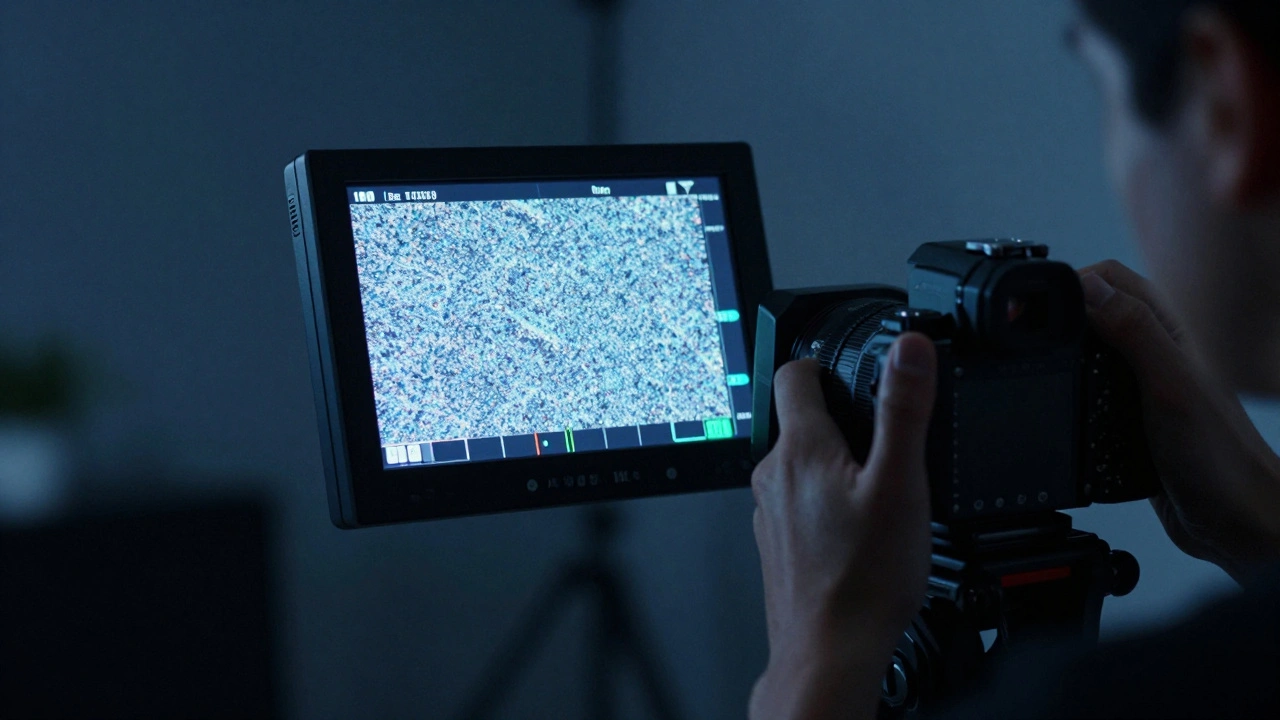
Why Resolution Isn't Just About Bigger Numbers
Most people think higher resolution always means better video. But in filmmaking, that's not always true. Let me explain why resolution matters more than you might think.
Take 8K resolution. It sounds impressive-7680 x 4320 pixels, about 33 million total pixels. But unless you're producing content for 8K screens (which are rare right now), that extra resolution doesn't automatically mean better quality. In fact, shooting in 8K for most projects can be a waste of time and storage. The real magic happens when you use oversampling.
Oversampling is a technique where a camera captures more pixels than needed for the final output. For instance, shooting 8K footage but outputting 4K. This extra data allows the camera to create a smoother, cleaner 4K image. Think of it like using a high-resolution photo to print a smaller size-you get better detail and less noise.
What Is Oversampling, Really?
Oversampling isn't a new concept. It's been used in photography for years. But in video, it's become a game-changer. When a camera oversamples, it reads more pixels than the final output requires. For example, a camera with an 8K sensor might output 4K footage by combining data from multiple pixels. This process reduces noise, improves color accuracy, and creates smoother motion.
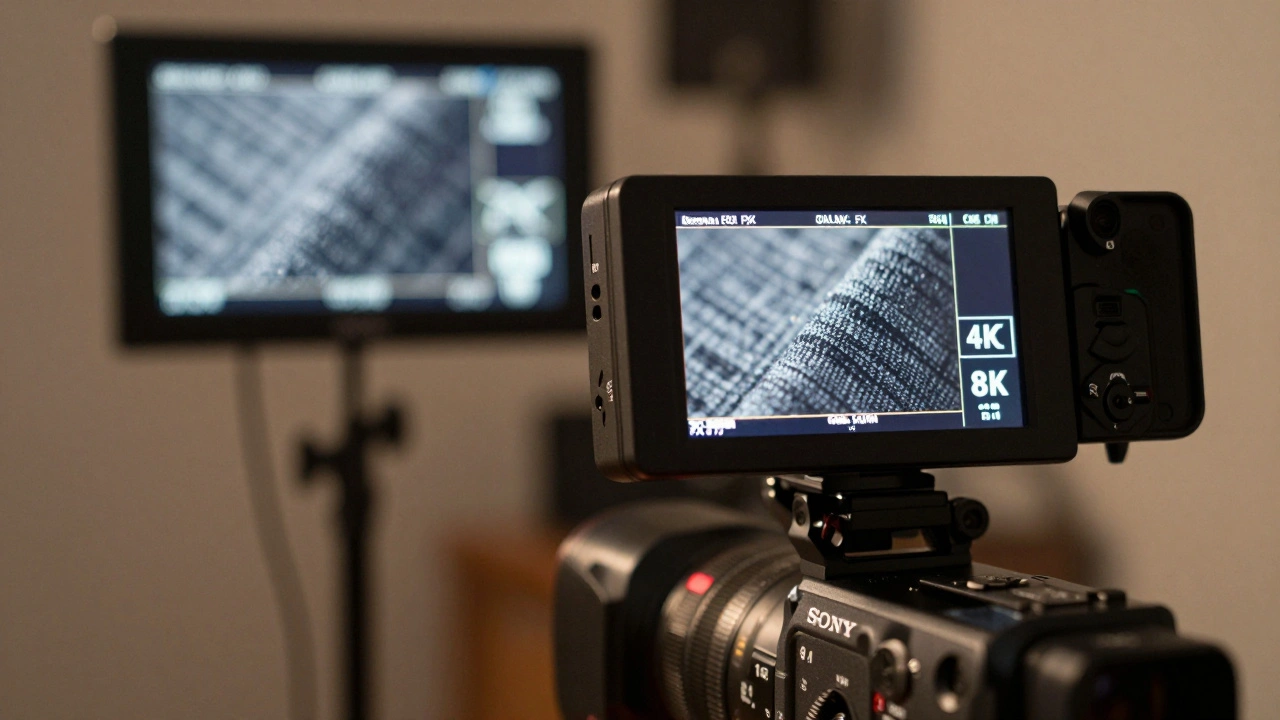
Let's say you're shooting a scene with fine details like fabric textures or hair. Native 4K might struggle to capture those details clearly. But if the camera oversamples from 8K, each 4K pixel gets data from several 8K pixels. The result? Sharper details and less grain, even in low-light conditions.
Not all cameras do oversampling the same way. Some use pixel binning (combining adjacent pixels), but oversampling is smarter. It uses the full sensor data to create a higher quality image. This is why cameras like the Sony FX6 or Canon R5 C are popular-they use oversampling to make their 4K footage look amazing.
8K Resolution: More Than Just Pixel Count
So what's the deal with 8K? It's not just about having more pixels. The sensor size matters too. A larger sensor with 8K resolution captures more light, which improves dynamic range and low-light performance. But if you're not outputting in 8K, the extra pixels only help if the camera uses them for oversampling.
For example, the RED Komodo 6K shoots 6K but oversamples to 4K. This gives better results than a camera that shoots native 4K. The key is the sensor's ability to capture more data than needed. That's why resolution matters-not for the output, but for the source data.
Here's a simple rule: if you're shooting for 4K output, a camera with a higher resolution sensor (like 6K or 8K) will give better quality than a native 4K camera. The extra pixels let the camera do its magic during downscaling.
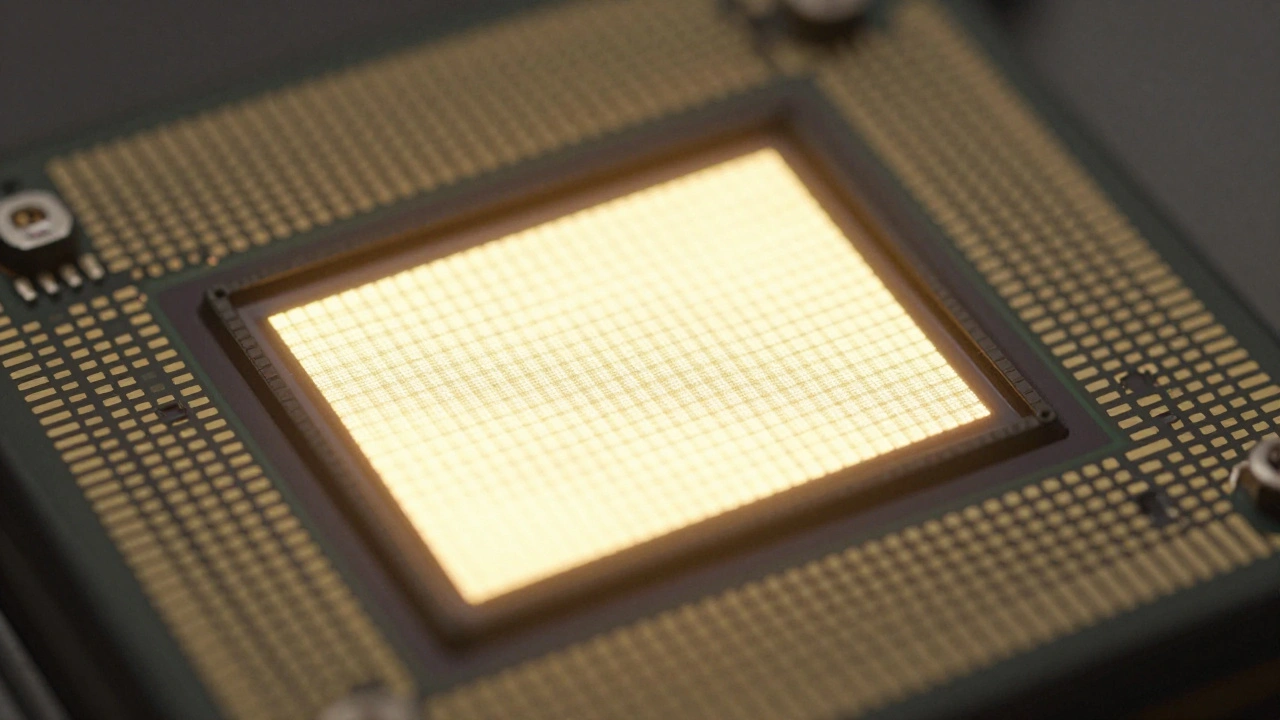
How Oversampling Transforms 8K Into Better 4K
Let's get technical. When a camera oversamples from 8K to 4K, each 4K pixel is created from multiple 8K pixels. This process averages out noise and smooths edges. It's like taking a high-resolution photo and resizing it in Photoshop-you get a cleaner image.
Compare this to a camera that shoots native 4K. It only uses 4K worth of pixels, so it has less data to work with. This often results in more noise, especially in shadows or fast motion. It also struggles with fine details because there's less data to capture them.
Real-world example: the Sony FX6 shoots 4K but uses its 6K sensor for oversampling. The result? Footage that looks sharper and more detailed than native 4K cameras. Even though it's outputting 4K, the higher resolution sensor makes all the difference.
This is why many filmmakers choose cameras that oversample. It's not about the output resolution-it's about the quality of the source data. A higher resolution sensor gives more flexibility in post-production. You can crop, stabilize, or zoom without losing quality.
When to Use 8K Native vs. Oversampling
| Aspect | 8K Native | Oversampling (8K to 4K) |
|---|---|---|
| Image Quality | High detail for 8K output | Superior detail and less noise for 4K |
| Storage Needs | Very high (huge files) | High, but manageable for 4K |
| Editing Workflow | Slower, requires powerful hardware | Faster than 8K, better than native 4K |
| Best For | 8K distribution, extreme cropping | Most 4K projects, future-proofing |
Common Misconceptions About Resolution
Let's clear up some myths. First, higher resolution doesn't always mean better quality. If you're shooting 8K but not using oversampling for downscaling, you might just be creating bigger files with no real benefit.
Another myth is that 8K is useless for 4K projects. But that's not true. As we've seen, oversampling 8K to 4K gives significantly better results than native 4K. The extra data from the sensor improves detail and reduces noise.
Also, many people confuse oversampling with pixel binning. Pixel binning combines adjacent pixels to reduce resolution, but it's not as effective. Oversampling uses the full sensor data to create a better image, not just combining pixels. This is why cameras with good oversampling capabilities stand out.
Finally, resolution isn't everything. Sensor size, lens quality, and lighting matter just as much. A great 4K camera with a large sensor can often outperform a poor 8K camera with a small sensor. It's about the whole system, not just the pixel count.
What's Next for Resolution in Filmmaking?
The future of resolution is interesting. As cameras get better at handling high-resolution data, oversampling will become even more common. We're already seeing cameras that shoot 8K but output 4K with incredible quality. In the next few years, 8K might become the new standard for capturing footage, even if most projects are still delivered in 4K.
But storage and processing costs are still a hurdle. Shooting 8K requires fast memory cards, powerful computers, and lots of storage. For now, the sweet spot is using cameras that oversample from 6K or 8K to 4K. This gives the best balance of quality and practicality.
For filmmakers, the key takeaway is simple: resolution matters, but only if you use it right. Oversampling is the smart way to get the most out of high-resolution sensors. Focus on the source data, not just the output resolution.
Frequently Asked Questions
What's the difference between oversampling and pixel binning?
Oversampling uses all the pixels on a sensor to create a higher quality image, while pixel binning combines adjacent pixels to reduce resolution. Oversampling gives better detail and noise reduction because it processes more data. Pixel binning is simpler but often results in lower image quality.
Do I need an 8K camera to get good 4K footage?
Not necessarily. Cameras that oversample from higher resolutions (like 6K or 8K) to 4K often produce better results than native 4K cameras. For example, the Sony FX6 uses a 6K sensor for oversampling, delivering excellent 4K footage. A camera with a good oversampling system can outperform one that shoots native 4K.
Is 8K worth it for YouTube videos?
For most YouTube videos, 8K is overkill. YouTube currently supports up to 4K, and most viewers watch on smaller screens. Shooting in 8K creates huge files and longer editing times without visible benefits. Unless you're doing extreme cropping or future-proofing, 4K with oversampling is the smarter choice.
How does oversampling affect video bitrate?
Oversampling itself doesn't directly affect bitrate, but higher resolution footage usually requires higher bitrates to maintain quality. For example, 8K footage needs much higher bitrates than 4K. However, when oversampling to 4K, the bitrate can be lower than native 8K but still higher than native 4K. The key is balancing bitrate with the benefits of oversampling.
What cameras are best for oversampling?
Cameras like the Sony FX6 (6K sensor for 4K output), Canon R5 C (8K sensor for 4K), and Blackmagic Pocket Cinema 6K (6K for 4K) are great for oversampling. These models use their high-resolution sensors to deliver superior 4K footage with better detail and less noise.







Comments(7)