If you’re tired of scripted dramas and want to see the world as it really is, then documentary filmmakers are your new favorite storytellers. In 2025, the line between journalism, art, and activism has never been blurrier-or more powerful. These creators don’t just record events; they shape how we understand them. Some work with tiny crews and handheld cameras. Others command access to classified archives or remote villages. What they all share is a refusal to look away.
Who’s Making the Most Impact Right Now?
It’s not just about who won an Oscar last year. The real impact comes from those who keep pushing boundaries, finding new ways to tell hard truths, and getting their work seen by millions. In 2025, these are the documentary filmmakers you need to follow.
Emerald O’Connell
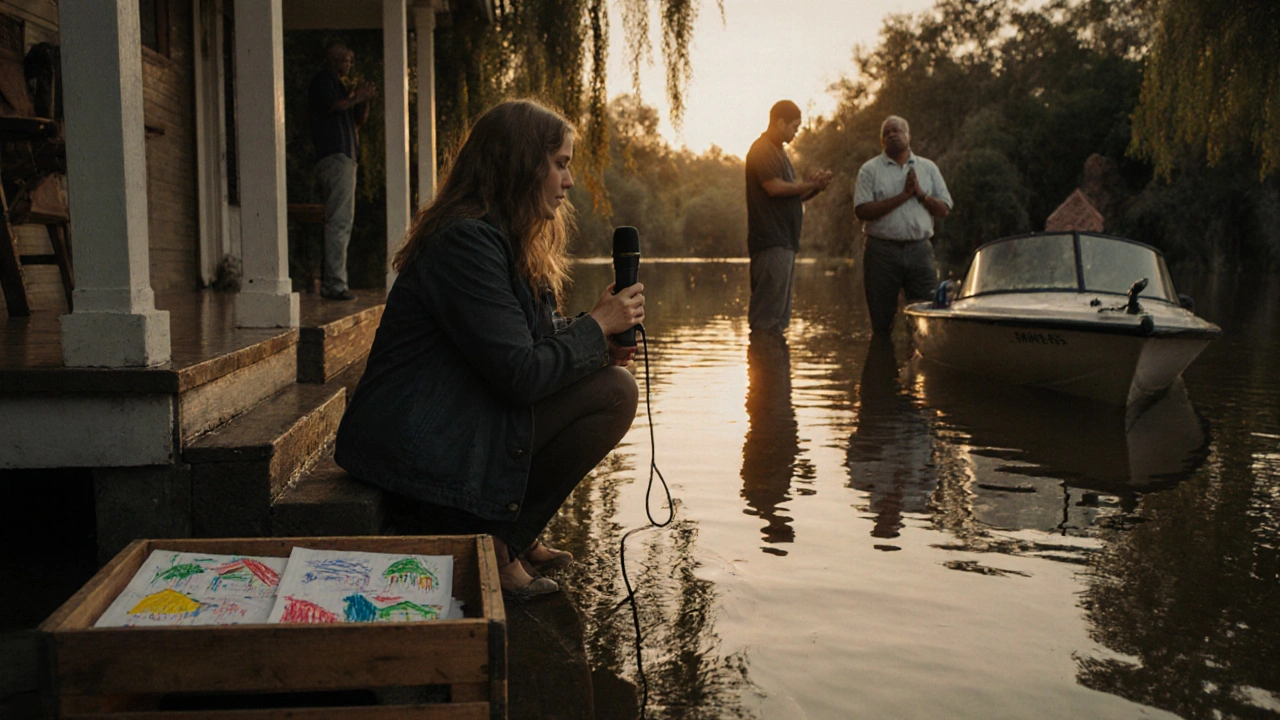
Emerald O’Connell doesn’t just film climate protests-she lives inside them. Her 2024 film When the Water Rises followed three coastal communities in Louisiana as their land disappeared over 18 months. She didn’t hire a sound team. She recorded everything with a lavalier mic clipped to her jacket. The result? Raw audio of fishermen praying over their sinking boats, kids drawing maps of homes now underwater. The film didn’t win awards. It got shared by the UN and translated into seven languages. O’Connell now runs a free training program for young people in flood zones to document their own stories.
Rajiv Mehta
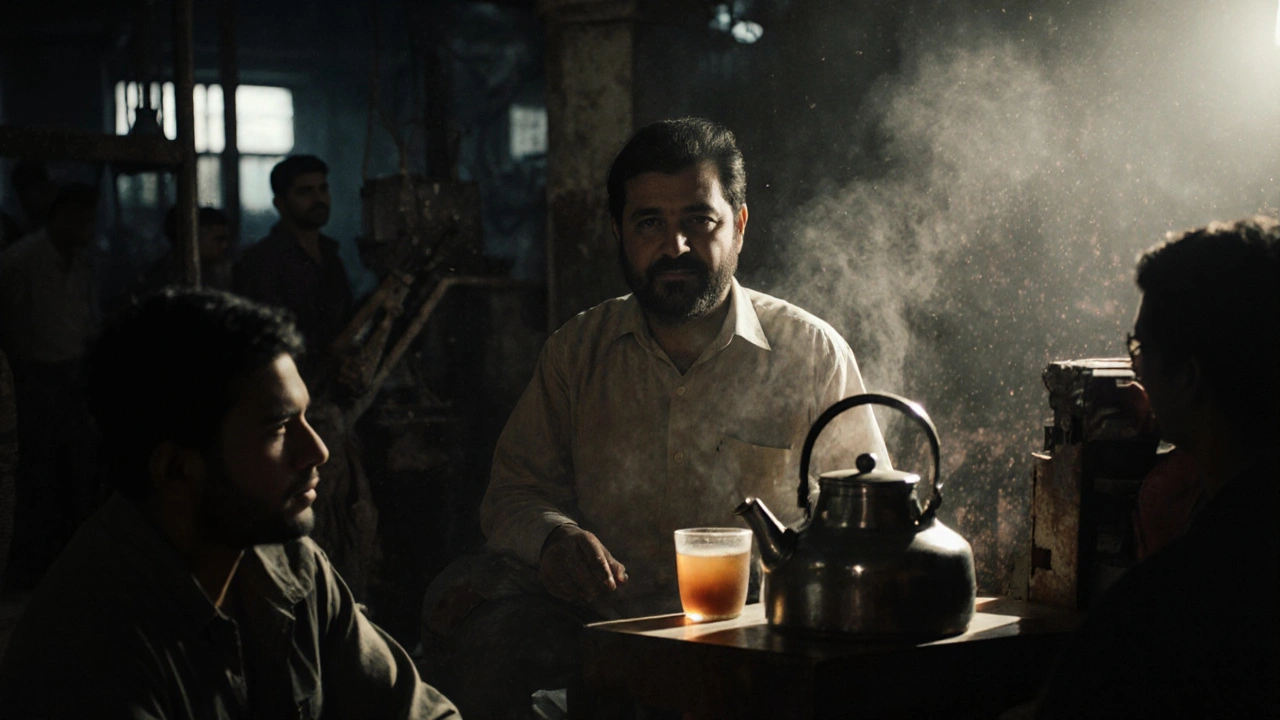
Rajiv Mehta’s films are quiet, but they hit like a hammer. His 2023 documentary One Shift, One Life spent 14 months inside a single factory in northern India, filming workers on the night shift. No interviews. No voiceover. Just the hum of machines, the clink of metal, the occasional cough. He didn’t ask for permission. He showed up every day for a year, brought tea to the workers, and slowly earned their trust. The film exposed unsafe conditions that led to a national labor reform. In 2025, he’s working on a project tracking the mental health of warehouse workers in the U.S. during peak holiday seasons.
Lena Park
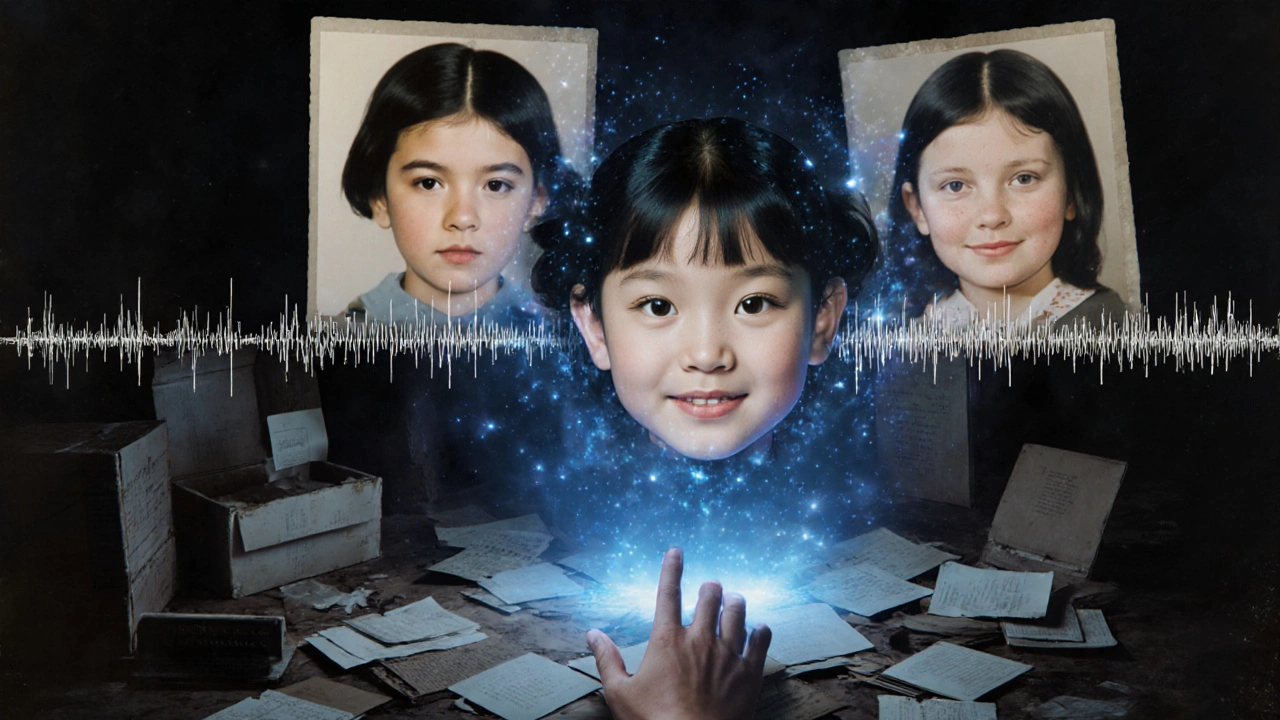
Lena Park’s work lives in the spaces between memory and truth. Her 2024 film What We Forgot used AI-enhanced archival footage to reconstruct the lives of 12 Japanese-American families interned during WWII-people whose photos were destroyed, whose stories were erased. She didn’t rely on historians. She tracked down grandchildren, dug through attic boxes, and rebuilt faces from old letters and voice recordings. The film premiered at Sundance and was later used in U.S. public school curriculums. Now, she’s building an open-source tool that lets families restore their own lost histories using old photos and audio.
Diego Ruiz
Diego Ruiz doesn’t make films about war-he makes films about what happens after. His 2024 film After the Last Bullet followed former child soldiers in Colombia as they tried to rebuild their lives. He lived with them for two years, slept in their homes, ate their food. He didn’t bring a crew. Just a camera and a notebook. The film showed how trauma doesn’t end when the guns fall silent. It showed how healing looks like: a man learning to hold a baby without flinching, a woman painting murals on the walls of a community center. In 2025, Ruiz is launching a global network of ex-combatants who document their own recovery journeys.
Sofia Alvarez
Sofia Alvarez is the rare filmmaker who turns bureaucracy into drama. Her 2023 film Waiting for Paper followed 17 asylum seekers in Germany as they navigated a broken immigration system. She didn’t film interviews. She filmed the waiting rooms-the chairs, the clocks, the silence. She recorded the sound of pens scratching on forms, the rustle of files being shuffled. The film had no music. No narration. Just time. It won the Grand Jury Prize at IDFA and led to a German parliamentary inquiry. In 2025, she’s turning her lens on the U.S. immigration court backlog, following families in Texas who’ve waited over 1,200 days for a hearing.
Why Follow These Filmmakers?
You might wonder why you should care about who’s behind the camera. The answer is simple: these aren’t just directors. They’re archivists, investigators, and sometimes, the only witnesses left. Their work doesn’t just entertain-it changes laws, shifts public opinion, and gives voice to people no one else will listen to.
Most mainstream media has given up on long-form truth-telling. Corporate newsrooms cut documentary units. Streaming platforms chase algorithms, not impact. But these filmmakers? They’re still out there, with small budgets, big hearts, and stubborn persistence.
Follow them not just to watch their films, but to understand how truth is made in a world that prefers distraction. Subscribe to their newsletters. Donate to their crowdfunding campaigns. Share their work-even if it’s uncomfortable. Because in 2025, the most radical thing you can do is pay attention.
Where to Find Their Work
You won’t find most of these films on Netflix or Hulu. They’re on smaller platforms: MUBI, Docuseek, Vimeo On Demand, or local film festivals. Some are free on their personal websites. O’Connell’s entire archive is available at emeraldoconnell.org. Mehta posts weekly short clips on Instagram under @rajivmehta_doc. Park’s AI tool is open-source and hosted on GitHub. Ruiz’s network, After the Last Bullet Collective, holds monthly online screenings. Alvarez’s team uploads 10-minute case studies every Thursday on YouTube.
Don’t wait for a recommendation algorithm to find them. Go directly. Bookmark their sites. Turn on notifications. Their work won’t always be easy to watch-but it will always be worth it.
What Makes a Great Documentary Filmmaker in 2025?
It’s not about fancy gear or big budgets. It’s about three things: time, trust, and tenacity.
- Time: These filmmakers spend months, sometimes years, with their subjects. Not to get the perfect shot, but to earn the right to tell the story.
- Trust: They don’t parachute in for a week and leave. They become part of the community. They eat the same food. They cry at the same funerals.
- Tenacity: They keep going when funding dries up, when subjects disappear, when no one else cares. They make films because the truth needs to be recorded-even if no one watches.
Look at the difference between a film made by someone who spent six weeks in a refugee camp and one made by someone who lived there for three years. The first shows suffering. The second shows survival.
How to Start Following Them
If you’re new to documentary filmmaking, here’s how to begin:
- Find one filmmaker whose work moves you. Start with their most recent film.
- Watch it twice. Once for the story. Once for how it was made.
- Check their website. Most have behind-the-scenes diaries, production notes, or reading lists.
- Subscribe to their newsletter or follow them on social media. Many post raw footage, edits, or thoughts between projects.
- Support them. Even $5 helps. Many rely on small donations to keep working.
You don’t need to become a filmmaker to make a difference. You just need to watch, share, and remember.
What’s Next for Documentary Filmmaking?
In 2025, the genre is evolving fast. AI is being used not to fake reality, but to restore it-like Park’s work. Drones are no longer just for sweeping landscapes; they’re used to document illegal logging in the Amazon. Cellphone footage is now being curated into feature-length films by teams of archivists. And more filmmakers are partnering with the communities they film, handing over editing control or co-directing credits.
The old model-outsider observes, edits, releases-is fading. The new model is collaboration. Transparency. Accountability.
These filmmakers aren’t just telling stories. They’re changing who gets to tell them.
Who are the top documentary filmmakers in 2025?
The most impactful documentary filmmakers in 2025 include Emerald O’Connell, Rajiv Mehta, Lena Park, Diego Ruiz, and Sofia Alvarez. Each focuses on underreported issues-from climate displacement and labor rights to trauma recovery and immigration bureaucracy. Their work is defined by deep immersion, ethical storytelling, and real-world impact, not just awards or views.
Where can I watch these documentaries?
Most of these films aren’t on mainstream platforms like Netflix. You’ll find them on MUBI, Docuseek, Vimeo On Demand, or directly on the filmmakers’ websites. Emerald O’Connell’s archive is free at emeraldoconnell.org. Rajiv Mehta posts weekly clips on Instagram. Lena Park’s AI tool is open-source on GitHub. Diego Ruiz’s collective hosts monthly online screenings. Sofia Alvarez uploads 10-minute case studies every Thursday on YouTube.
Why should I follow documentary filmmakers instead of watching news?
News reports events. Documentaries explain context. While headlines disappear in 24 hours, these filmmakers spend months or years with their subjects, capturing nuance, emotion, and long-term consequences. They don’t just show what happened-they show why it matters and how it affects real lives over time.
Can I support these filmmakers without money?
Yes. Share their films on social media. Tag friends who care about justice, climate, or human rights. Write reviews on Letterboxd or IMDb. Attend their free online screenings. Subscribe to their newsletters. Even small actions help these filmmakers reach wider audiences and keep making work that matters.
Are there any new tools changing documentary filmmaking in 2025?
Yes. AI is being used ethically to restore lost footage, enhance old audio, and reconstruct erased histories-like Lena Park’s work with Japanese-American internment families. Drones now document environmental crimes in real time. Cellphone footage from protests and communities is being curated into feature films by teams of archivists. The biggest shift? Filmmakers are now handing editing control to their subjects, making storytelling more collaborative and truthful.
Final Thought
The best documentaries don’t ask you to feel sorry for someone. They ask you to see them. To recognize their humanity. To realize that the person on screen could be your neighbor, your sibling, your future. These filmmakers are the keepers of that truth. And in 2025, watching their work isn’t just a choice-it’s a responsibility.



Comments(10)