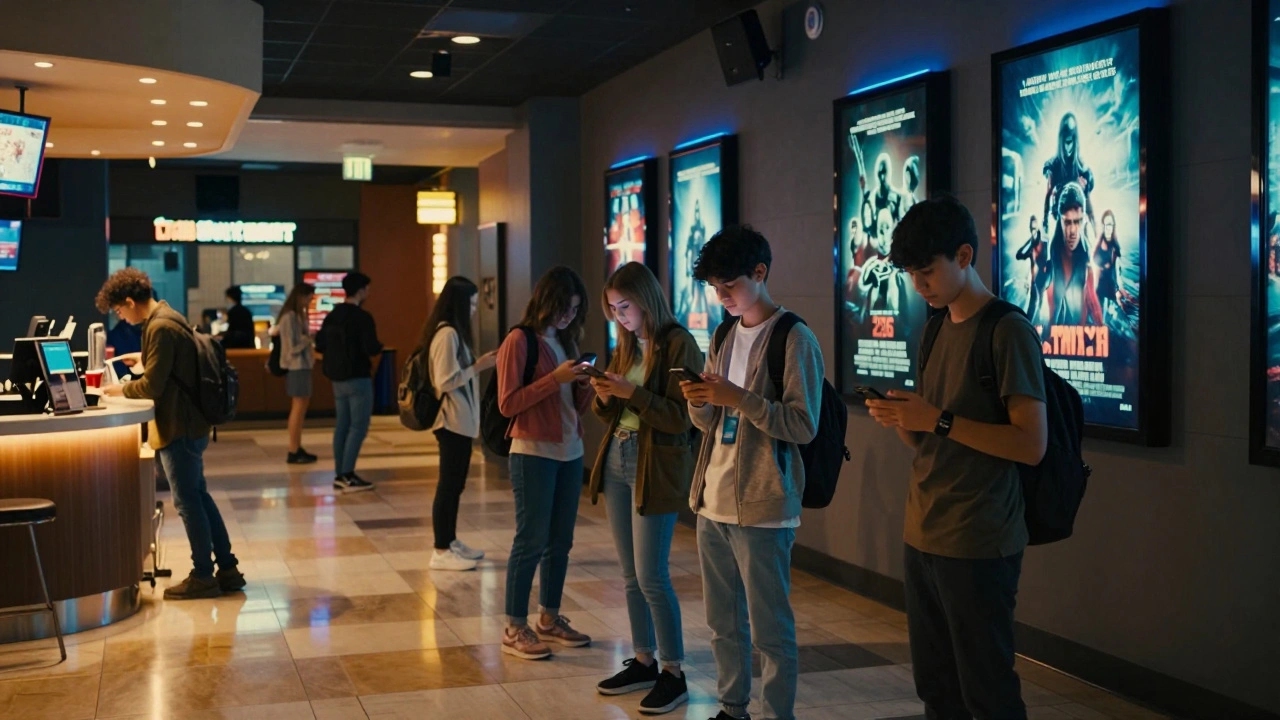
The movie theater business isn't just about opening night anymore. We are standing in early 2026, and the landscape has shifted significantly since the pandemic reshaped our relationship with screens. If you walk into a cinema today, you notice something different in the trailers and the lines at the concession stand. Genre Performance is no longer stable; it reacts to economic signals, streaming availability, and global events.
Audiences aren't paying the same way they did five years ago. The days of guaranteed billion-dollar weekends for every brand-new franchise are gone. Instead, specific categories of films are winning big while others fade into obscurity. Understanding this shift helps explain why your local multiplex is showing three sequels to small-scale hit movies and only one massive tentpole blockbuster.
The Decline of the Traditional Blockbuster
We used to believe that big budgets equalled big returns. That logic served studios well in the 2010s, but by 2026, the math has changed. Superhero Movies is a category that dominated the decade prior to now, but recent data shows clear signs of fatigue. Viewers are questioning whether spending $15 or more on a ticket plus snacks is worth an experience that could be seen on a home setup.
This phenomenon is often referred to as Franchise Fatigue. When a movie universe feels endless, it loses its urgency. People don't feel the same pressure to see a twenty-part saga in theaters. They wait for the digital release. Consequently, theaters have started pivoting to genres that offer a unique communal experience.
Consider the alternative. A horror movie costs a fraction of a budget to make but brings in massive profits relative to cost. Theaters love them because they sell high-volume tickets over a long period. While the blockbusters get the headlines, the smaller genres are quietly driving the majority of weekly attendance.
Horror and Sci-Fi Are Winning the Battle
If you look at the box office totals for the first half of 2026, two genres stand out. Horror has become the safest bet for independent distributors, and Science Fiction is reclaiming the prestige slot previously held by action-adventure flicks.
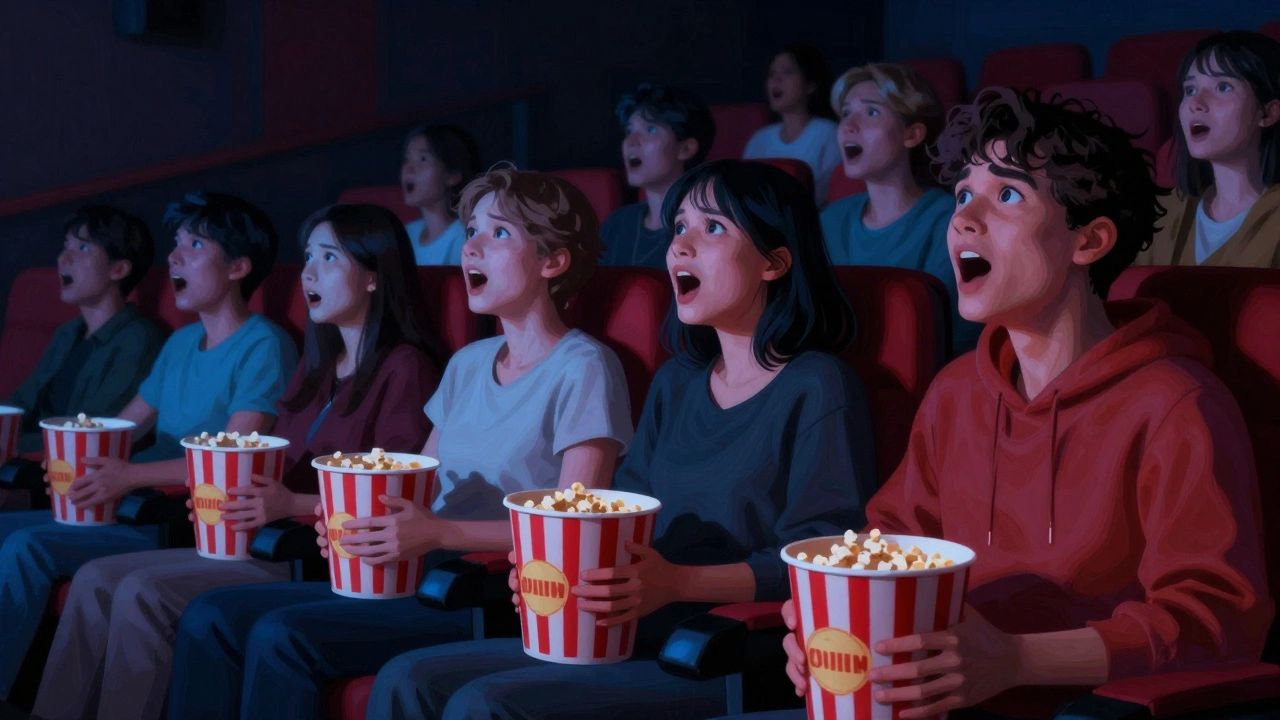
Horror Films consistently deliver returns that dwarf the production cost. Why does this happen? It comes down to cultural buzz and low barrier to entry. Younger demographics, particularly teenagers and young adults, prefer group outings for scary experiences. It creates a social media moment that drives word-of-mouth marketing without expensive ad spend.
Science Fiction, meanwhile, is evolving. It is moving away from pure space opera toward grounded technology stories that resonate with our current AI and climate anxieties. These stories feel immediate. They force the audience to engage with concepts that matter to them right now, rather than fantasy wars set a thousand years from now.
This shift impacts inventory planning. Studios are releasing fewer mid-budget dramas because the risk is too high compared to the upside. They want either viral hits or reliable niche wins. The middle ground is disappearing entirely.
Economic Factors Driving Ticket Choices
You cannot talk about genre performance without discussing wallet share. Inflation in 2025 pushed average ticket prices up significantly across North America and Europe. When the cost of a Friday night outing rises, consumers prioritize value.
Ticket Prices vary significantly between regions, but the upward trend is universal. Audiences are more selective. They are willing to pay premium prices for "Event Cinema," such as live broadcasts of concerts or sports, and re-releases of classic films. However, for a standard release, hesitation increases.
This selectivity favors genres with proven track records of entertainment value. A comedy works well because it offers guaranteed escapism that feels safe economically. An original thriller might take a riskier chance on the general public. As a result, the most financially successful films in 2026 tend to be remakes or sequels of established IPs, specifically in the horror and action sectors.
Distributors also use pricing models differently. Some theaters are offering membership subscriptions that lower the cost per visit. This changes viewing habits. When a person pays a monthly fee for unlimited tickets, they watch more diverse genres, including foreign films and documentaries. Subscription models encourage exploration, which slightly balances out the dominance of mainstream genres.
The Streaming Wars Continue
It is impossible to ignore the impact of home viewing. Streaming services were once the enemy of the box office, but by 2026, they function more as partners and competitors simultaneously. Major streaming platforms now require certain titles to play in theaters first to maintain cultural relevance.
Streaming Services dictate release windows more aggressively than ever before. The window between theatrical release and digital streaming has shrunk in many cases, especially for mid-budget titles. This shortens the lifespan of a movie in theaters.
This dynamic forces theatrical exclusives to compete harder. To draw people out of their homes, the film must offer something the TV cannot replicate. High-fidelity sound, large-format visuals, and shared laughter or screams are the primary drivers here. A slow-paced drama rarely survives this transition. It simply doesn't provide enough justification for the trip to the cinema when Netflix is waiting in the background.
Interestingly, streaming giants are now investing heavily in specific genres that thrive in theaters. They do this to boost brand prestige. Owning the rights to the biggest summer horror hit gives a streaming service immense leverage when negotiating subscriber retention. It creates a symbiotic relationship that benefits both the cinema operator and the streamer.
| Genre Category | Avg. Opening Weekend | Audience Retention Rate | Primary Demographic |
|---|---|---|---|
| Action / Sci-Fi | $45 Million | High First Week, Fast Drop | Families / Youth |
| Horror | $12 Million | Steady Over 4 Weeks | Teens / Young Adults |
| Animation | $28 Million | Consistent Family Traffic | Children / Parents |
| Comedy | $15 Million | Moderate, Spike on Social Buzz | Young Adults |
| Drama | $8 Million | Niche / Limited Release | Adults / Critics |
The table above highlights the disparity between initial hype and longevity. Action movies bring huge crowds immediately but fade fast. Horror starts slower but pulls money in steadily for months. This longevity is vital for cinema chains trying to balance their books. They need steady performers to offset the empty seats caused by bad weekend releases.
Regional Differences Matter
While national statistics tell a broad story, local realities differ. For instance, urban centers like Asheville or New York City show distinct preferences compared to rural markets. Urban audiences tend to skew toward foreign films, documentaries, and art-house programming. They often support independent cinemas that specialize in non-mainstream content.
In contrast, suburban and rural markets rely heavily on the traditional studio releases. They are less likely to seek out niche genres. This geographical split means that marketing teams must tailor regional strategies. Pushing a limited-release documentary to a rural demographic yields poor results, whereas promoting it to coastal cities performs exceptionally well.
International Markets also influence domestic performance. Hollywood is increasingly relying on Asian markets for revenue. If a franchise performs poorly in North America but explodes in China or South Korea, studios still consider it a win. This sometimes leads to casting decisions or plot adjustments that specifically cater to those global tastes, which can sometimes confuse Western audiences.
Understanding these variations helps predict future trends. A genre slump in one hemisphere might signal a rise in another. Global data synchronization allows producers to gauge potential success before greenlighting a project.
What Happens Next?
Looking toward the end of 2026 and beyond, the pendulum will keep swinging. Innovation in immersive technology, like virtual reality tie-ins, may create new sub-genres. The definition of what constitutes a "movie" continues to blur with interactive storytelling becoming more popular.
Ultimately, the core question remains the same: what motivates a purchase? People crave connection. Whether that happens through screaming at a monster on screen or laughing at a shared joke, the emotional payoff is the currency of the cinema industry. As long as there is a desire to gather together, the box office will survive, even if the types of movies being shown change every year.
Which genre makes the most money in 2026?
While Superhero Movies get the headlines, Horror Films consistently deliver the highest return on investment relative to budget due to lower production costs and sustained long-term viewership.
Why are ticket prices increasing?
Ticket prices are rising due to inflation, higher licensing fees for theaters, and operational costs. Theatres are offsetting this with membership models to retain customers.
Does streaming hurt movie theaters?
Yes, shorter windows reduce exclusivity. However, streaming platforms now require theatrical runs to boost prestige, creating a complex partnership rather than pure competition.
What drives international box office success?
Visual spectacle and universal themes travel well. Sequels and animated films perform best globally, often compensating for weak domestic openings in North America.
Are audiences choosing movies differently now?
Absolutely. Economic sensitivity makes audiences more selective. Word-of-mouth and social media buzz are now more important than traditional trailer marketing campaigns.




Comments(7)