Starting a queer film club isn’t just about picking movies and hitting play. It’s about creating a space where people feel seen, heard, and safe-where stories that rarely show up in mainstream theaters become the center of conversation, connection, and sometimes, healing. In 2025, LGBTQ+ cinema is more diverse than ever, but access still isn’t equal. Many small towns, rural areas, and even urban neighborhoods lack regular screenings of queer films. That’s where you come in. You don’t need a big budget, a fancy venue, or a film degree. You just need courage, care, and a few practical steps.
Start with Why, Not What
Before you pick your first movie, ask yourself: Why are you doing this? Is it because you miss seeing yourself on screen? Because you want queer teens to know they’re not alone? Because you’re tired of watching the same three rainbow-flagged films every Pride Month? Your reason will guide every decision-from the films you choose to the rules you set.Some clubs focus on classic cinema like Paris Is Burning or My Own Private Idaho. Others prioritize new indie films from trans directors or queer African storytelling. Some host double features: a 1980s underground film followed by a 2024 short from a nonbinary filmmaker. Your mission shapes your identity. Write it down. Keep it visible. It’s your anchor when things get messy.
Find Your People First
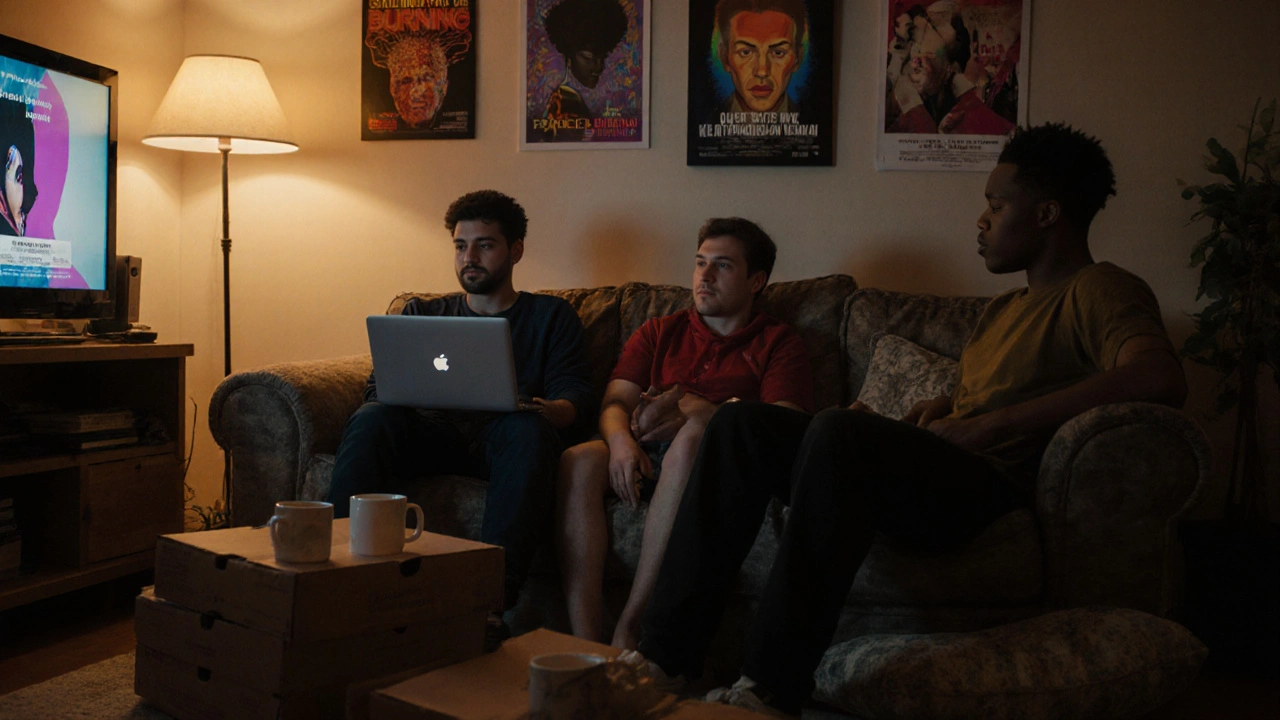
You can’t build a community from a flyer. Start with the people already in your orbit. Ask friends who love film. Reach out to local LGBTQ+ centers, college queer student groups, or even book clubs that talk about identity. Don’t post on social media yet. Talk to people one-on-one. Ask: "Would you come to a monthly screening of queer films? What kind of movies would make you show up?"One club in Milwaukee started with three people meeting in a living room. They watched The Watermelon Woman on a laptop, ordered pizza, and talked for three hours. That group grew to 40 people in six months-not because they advertised, but because each person brought one friend who brought another. Word-of-mouth built trust faster than any Instagram ad.
Choose a Simple, Accessible Space
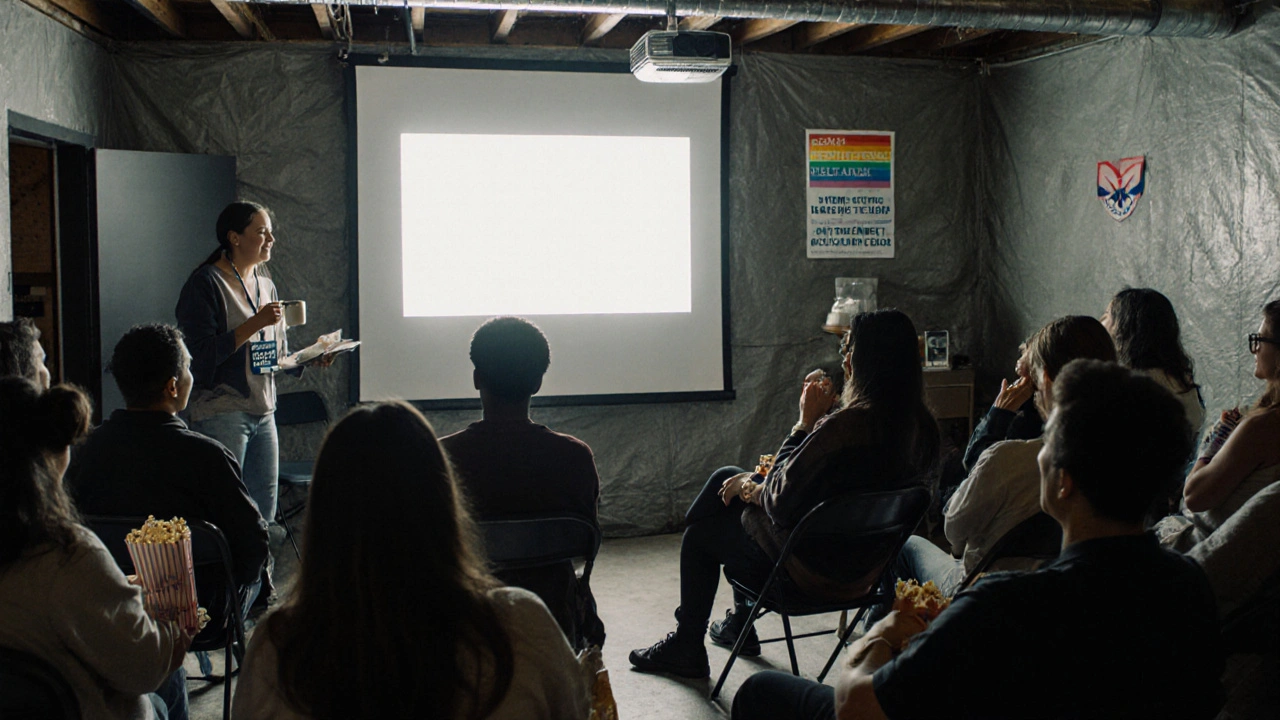
You don’t need a theater. Start small. Libraries often have free meeting rooms and projectors. Community centers, cafes with back rooms, even churches with open spaces might let you use them for free if you explain it’s for community building. Some bookstores host film nights as part of their events calendar.Look for places with:
- Free or low-cost rental
- A screen and projector (or a large TV)
- Seating for at least 15 people
- Accessible restrooms and entrance
One club in Portland uses the basement of a local LGBTQ+ health clinic. The clinic covers the electricity and popcorn. In return, the club promotes their free HIV testing nights. That’s the kind of partnership that lasts.
Curate With Intention, Not Just Popularity
Don’t just pick the most trending queer film on Netflix. Think about representation. Who made it? Who’s in it? Who is it for? A film like Portrait of a Lady on Fire is beautiful-but if your group is mostly trans youth, maybe pair it with Disclosure or a short film by a trans director from Brazil.Build a rotating schedule:
- First month: Classic (e.g., Paris Is Burning)
- Second month: New indie (e.g., How to Have Sex)
- Third month: International (e.g., My Name Is Alfredo from Portugal)
- Fourth month: Local filmmaker spotlight
Include documentaries, animations, experimental shorts, and even silent films. Don’t limit yourself to narratives. Queer cinema isn’t just about love stories-it’s about resistance, joy, grief, and survival.
Set Ground Rules for Safety and Respect
A queer film club can become a refuge-but only if people feel safe. Create simple, clear guidelines. Post them at every event. Include:- No interrupting or talking over speakers
- Respect all pronouns and names
- No asking personal questions about someone’s identity
- Alcohol is optional; no pressure to drink
- Everyone gets a turn to speak, but no one has to
Assign a volunteer as a “safety lead” for each night. Their job isn’t to police, but to notice if someone looks uncomfortable and quietly check in. One club in Toronto had a quiet corner with coloring books and tea for people who needed a break from discussion. Small things make big differences.
Make Discussion Part of the Experience
Don’t just show the film and leave. After the credits roll, give people space to react. Don’t force it. Start with an open-ended question: "What moment stayed with you?" or "Was there a character you recognized?"Some clubs use discussion prompts printed on cards. Others have a “kudos jar”-people write down a line from the film they loved and drop it in. At the next meeting, someone reads them aloud. It turns passive watching into active connection.
Don’t be afraid of silence. Sometimes the most powerful moments happen when no one speaks for a full minute. That’s when people are feeling something real.
Keep It Free and Open
Never charge admission. Queer spaces should be accessible to everyone-students, seniors, people without stable housing, those who can’t afford streaming subscriptions. If you need to cover costs, use a donation jar. Or partner with a local business that supports LGBTQ+ causes. A coffee shop might donate snacks. A bookstore might give away a free book to one attendee each month.One club in Austin got a small grant from a local arts foundation to buy a portable projector. They now own it. No more borrowing. That’s sustainability.

Document and Share (Without Exploiting)
Take photos? Only if people say yes. Don’t post group shots without permission. Don’t tag people who aren’t public figures. Your club isn’t content for your Instagram. It’s a living space.But do keep a simple newsletter. One paragraph a month: what you watched, who showed up, what you’re doing next. Send it to your list. No ads. No sponsors. Just honesty. People will stay because they feel included-not because they’re being marketed to.
Plan for Growth Without Losing Heart
You might start with five people. Then ten. Then thirty. That’s wonderful. But don’t let size become your measure of success. A club of three people who cry together after The Handmaiden is just as powerful as one with 100.When you grow, split. If you hit 25 regulars, consider starting a second group focused on youth or older adults. Let someone else lead it. That’s how movements grow-not by one person doing everything, but by many people carrying pieces of the work.
What Happens When It Ends?
Sometimes, clubs fade. People move. Life gets busy. That’s okay. Don’t treat it like a failure. The impact stays. Someone saw Boyhood at your screening and came out to their mom six months later. Someone else found their first queer friend there. That’s the legacy.If you need to shut it down, host a final night. Share stories. Pass on your film list. Give the projector to someone else who’s starting something. Let it live on.
Queer cinema isn’t just entertainment. It’s evidence. Evidence that we exist. That we’ve always existed. That we’re still here. Starting a film club is one of the quietest, most radical acts of community building you can do. You don’t need permission. You don’t need funding. You just need to say: Let’s watch this. Let’s talk about it. Let’s be together.
Do I need to be LGBTQ+ to start a queer film club?
No. Allies can and do start these clubs successfully. But the focus must remain on centering LGBTQ+ voices-not speaking for them. That means prioritizing films made by queer creators, inviting queer moderators, and listening more than leading. If you’re straight or cis, your role is to support, not to be the face of the group.
Where can I find free or low-cost queer films to screen?
Many indie distributors offer public screening licenses for nonprofits and community groups. Kanopy (available through libraries) has hundreds of LGBTQ+ films. Criterion Channel and MUBI sometimes offer educational licenses. Film festivals like Outfest and Frameline often provide screening kits with discussion guides. Always check the licensing terms before showing a film publicly.
How do I handle controversial or triggering content?
Always include content warnings before the film starts-mention themes like violence, suicide, transphobia, or racism. Let people know they can leave at any time. Have a quiet space ready. Afterward, don’t force discussion. Some people need time to process. Offer resources: local crisis lines, mental health hotlines for LGBTQ+ youth, or reading lists. It’s not your job to fix pain-but it is your job to hold space for it.
What if no one shows up to the first few screenings?
Keep going. The first screening might have two people. The second might have three. That’s still a community. One person might come because they’re lonely. Another because they’re curious. They might not say anything. But they’ll remember that someone showed up for them. After six months, that small group might become the core of something bigger. Consistency builds trust faster than crowds.
Can I start a queer film club in a conservative area?
Yes-but be strategic. Use neutral language: "Film Night for All Identities" instead of "Queer Film Club." Partner with a library or university that has a reputation for neutrality. Keep social media private. Focus on the art, not the politics. A screening of Call Me By Your Name might draw people who don’t even know what "queer" means-but they’ll leave feeling something. That’s how change starts.







Comments(9)