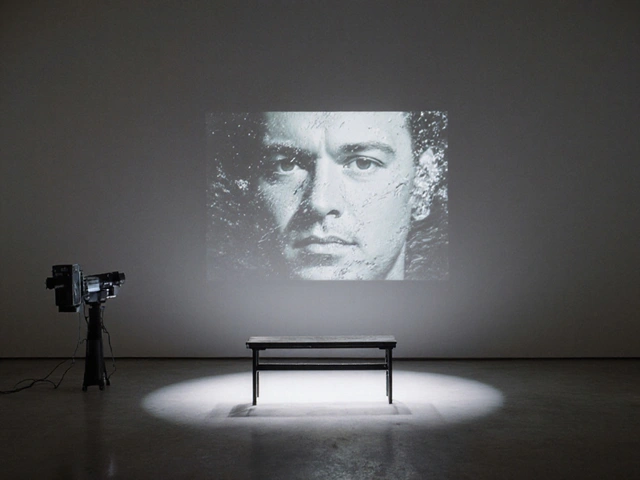
You walk into a dark theater in Asheville, or maybe you’re clicking play on a grainy stream on your laptop at 2 AM. The credits roll, and the title card flashes: "The Last Ferryman", a 2026 independent drama shot on 16mm film in rural Maine. It’s not playing in multiplexes. There are no trailers on TikTok. You know nothing about it except that it exists. How do you judge something that refuses to play by the rules of mainstream cinema? Reviewing independent films with limited release context is less about rating a product and more about decoding a conversation.
Mainstream blockbusters come with packaging. They have marketing campaigns, star power, and genre expectations baked in. An indie film often arrives naked. Without the safety net of a studio brand, the reviewer has to work harder to establish value. But this isn’t a disadvantage; it’s an opportunity. When you strip away the hype, you’re left with the raw material of storytelling. This guide breaks down how to approach these hidden gems without getting lost in the noise.
Understanding the Indie Landscape
To review an independent film effectively, you first need to understand what makes it "independent." In the industry, Independent Film is defined as a motion picture produced outside the major film studio system, often with lower budgets and greater creative freedom. This definition matters because it changes your baseline for judgment. You aren’t looking for perfect CGI or A-list dialogue delivery. You’re looking for authenticity, risk-taking, and emotional resonance.
The "limited release context" adds another layer. These films might only screen at three festivals before disappearing into the void, or they might be distributed via niche platforms like MUBI or Criterion Channel. The audience is small, curated, and often cynical. Your review needs to speak to this specific demographic. They don’t want to know if the movie is "fun." They want to know if it’s true. If it’s brave. If it says something new.
Consider the difference between reviewing a Marvel movie and reviewing a micro-budget horror film from a filmmaker in Ohio. The Marvel movie is a cultural event; its success is measured in box office returns and meme potential. The indie horror film is a personal artifact. Its success is measured in whether it unsettles you, surprises you, or forces you to rethink a assumption. Recognizing this shift in purpose is the first step in writing a credible review.
Context Is King: Digging Beyond the Screen
When a film lacks a massive marketing budget, the context becomes part of the art. Who made this? Why did they make it? Where was it filmed? These questions aren’t trivia; they are essential tools for interpretation. For example, knowing that a film was shot guerrilla-style during a lockdown period changes how you view its pacing and isolation. It transforms technical limitations into thematic strengths.
Research the filmmaker’s previous work. Are they repeating themselves, or evolving? Look at the production history. Did the film struggle to get funding? Was it cut short by distributors? Understanding the battles fought behind the scenes helps you appreciate the final product. If a director managed to capture a complex social issue with only $50,000 and a borrowed camera, that achievement deserves recognition. It shows resourcefulness, which is a hallmark of great indie cinema.
Also, consider the festival circuit. If a film premiered at Sundance, Cannes, or TIFF, it carries a certain weight. These festivals act as quality filters. However, don’t let prestige blind you. A film can win awards and still be flawed. Conversely, a film rejected by every major festival might be a diamond in the rough. Your job is to look past the laurels and assess the work on its own merits.
Evaluating Craft Over Budget
One of the biggest mistakes reviewers make is judging an indie film by blockbuster standards. You won’t find Hollywood-level sound design or seamless editing in every low-budget project. Instead, focus on the craft elements that matter most in constrained environments: performance, screenplay, and visual metaphor.
- Performances: Indie films often rely on non-professional actors or emerging talents. Look for naturalism. Does the actor feel like a real person, or are they reciting lines? Great indie performances are often subtle, relying on silence and reaction rather than grand monologues.
- Screenplay: With limited resources, dialogue must carry weight. Every line should serve a purpose. Look for subtext. Is the script economical? Does it avoid exposition dumps? Strong indie scripts often use ambiguity to engage the viewer’s imagination.
- Visual Storytelling: How does the director use light, shadow, and composition? Since they can’t afford expensive sets, indie directors often use location scouting creatively. A rundown apartment might become a character itself. Pay attention to how the environment reflects the internal state of the protagonists.
For instance, if a film uses long takes, ask why. Is it to build tension? To show the passage of time? Or is it simply because they couldn’t afford to edit? Distinguishing between artistic choice and financial necessity is crucial. Sometimes, limitation breeds innovation. A shaky handheld camera might be a stylistic choice to create intimacy, or it might just be bad stabilization. Trust your eyes, but back up your observations with evidence from the frame.
Narrative Structure and Pacing
Independent films frequently experiment with narrative structure. They might reject the traditional three-act plot in favor of episodic storytelling, circular narratives, or open-ended conclusions. This can be frustrating for viewers accustomed to clear resolutions. As a reviewer, you need to decide if the structure serves the story or confuses it.
A loose, meandering pace isn’t inherently bad. Many European arthouse films embrace slow cinema to encourage contemplation. However, there’s a difference between deliberate slowness and boredom. Ask yourself: Is each scene adding depth to the characters or themes? If the film drags because the writer didn’t know how to end it, call it out. If it lingers to let an emotion breathe, praise it.
Pay special attention to the ending. Indie films rarely offer neat bows. They often leave questions unanswered. This isn’t always laziness; it’s often a reflection of life’s complexity. Evaluate whether the ambiguity feels earned. Does the film provide enough clues for the viewer to construct their own meaning? Or does it feel like a cop-out? The best ambiguous endings invite discussion, not confusion.
The Role of Theme and Social Commentary
Indie cinema has always been a vehicle for voices excluded from mainstream media. Whether it’s exploring racial identity, gender dynamics, economic disparity, or mental health, these films often tackle subjects that studios deem too risky or unprofitable. When reviewing, identify the core theme. What is the film arguing? Is it effective?
Don’t just summarize the plot. Analyze the message. For example, if a film critiques consumer culture, does it do so through satire, realism, or allegory? Is the commentary heavy-handed, or is it woven subtly into the narrative? The most powerful indie films trust the audience to draw their own conclusions. They present situations and let the ethics emerge naturally.
Be wary of preachiness. If a film stops being a story and starts being a lecture, it loses its power. Good social commentary in film comes from character action, not voiceover narration. Look for moments where the theme clashes with the character’s desires. That conflict is where the drama lives.
| Criteria | Mainstream Blockbuster | Independent Film |
|---|---|---|
| Budget Expectations | High polish, VFX-heavy | Resourceful, aesthetic-driven |
| Narrative Arc | Predictable, resolution-focused | Experimental, open-ended |
| Acting Style | Star-powered, recognizable | Naturalistic, character-driven |
| Marketing Context | Heavy promotion, hype-driven | Word-of-mouth, festival pedigree |
| Reviewer Focus | Entertainment value, franchise fit | Authenticity, thematic depth |
Writing the Review: Tone and Audience
Your tone should match the film’s energy. If you’re reviewing a chaotic, punk-rock documentary, your prose can be jagged and urgent. If you’re reviewing a quiet, meditative drama, your writing should be reflective and precise. Avoid academic jargon. Write for the curious cinephile who wants to understand the film, not the film theory professor who wants to dissect it.
Start with a hook that captures the essence of the film. Don’t begin with "This film is about..." Instead, try a vivid image or a provocative question. Then, provide necessary context without spoiling key plot points. Discuss the craft, the themes, and the emotional impact. Finally, offer a clear recommendation. Who is this film for? Is it for fans of slow cinema? For people interested in regional stories? Be specific.
Honesty is paramount. If a film fails, say so. But explain why. Did it lack direction? Were the characters unsympathetic? Constructive criticism is more valuable than blind praise or harsh dismissal. Remember, you are speaking to a community that cares deeply about these films. Your words can help them discover hidden treasures or avoid wasted time.
Common Pitfalls to Avoid
New reviewers often fall into a few traps when covering indie films. First, don’t confuse obscurity with quality. Just because a film is weird doesn’t mean it’s good. Second, don’t ignore technical flaws if they distract from the story. While we forgive minor errors in low-budget productions, consistent poor sound mixing or unreadable lighting can ruin an otherwise strong film.
Third, avoid comparing indie films unfairly to mainstream hits. Saying "this isn't as good as Top Gun" misses the point entirely. Compare it to other indie films in the same genre or era. Fourth, don’t neglect the sound design. In indie films, where visuals might be limited, sound often carries the emotional weight. A well-designed soundscape can elevate a simple scene into something haunting.
Finally, resist the urge to over-intellectualize. Not every indie film is a profound philosophical treatise. Some are just funny, sad, or scary. Allow the film to be what it is. If it’s a simple love story told well, celebrate that simplicity. You don’t need to find deep symbolism in every frame.
What is the primary difference between reviewing an indie film and a mainstream movie?
The primary difference lies in the criteria for success. Mainstream movies are judged on entertainment value, spectacle, and adherence to genre conventions. Indie films are judged on authenticity, creative risk, and emotional truth. You evaluate how well the filmmakers used limited resources to tell a unique story, rather than how much money was spent on effects.
How do I handle a film with an ambiguous or open ending?
Analyze whether the ambiguity serves the theme. If the film explores uncertainty or moral complexity, an open ending may be appropriate. Discuss the possible interpretations without declaring one as "correct." Focus on how the ending affects the viewer emotionally and intellectually. If the ambiguity feels lazy or confusing without purpose, critique the lack of narrative closure.
Should I mention the film's budget in my review?
Only if it directly impacts the viewing experience or highlights the filmmaker's ingenuity. Mentioning a low budget can contextualize technical limitations, such as practical effects instead of CGI. However, avoid using budget as an excuse for poor craftsmanship. A low budget explains constraints, but it doesn't justify bad acting or incoherent plotting.
Where can I find reliable information about limited release films?
Check festival programs (Sundance, SXSW, TIFF), specialized databases like IMDb Pro, and industry publications like Variety or The Hollywood Reporter. Filmmaker interviews on podcasts or YouTube channels dedicated to indie cinema can also provide valuable context about the production process and creative intentions.
Is it okay to criticize the pacing of a slow-burn indie film?
Yes, but distinguish between intentional slowness and poor pacing. Slow cinema is a valid genre that prioritizes atmosphere and mood. Critique the film if the slowness feels aimless or boring rather than meditative. Explain whether the pacing enhances the theme or detracts from engagement. Specific examples of scenes that drag versus those that resonate will strengthen your argument.