
There is a specific moment in awards season that everyone talks about but few truly understand. It happens right before the envelopes are opened. Industry insiders call it "ballot morning." This is when the final tally of votes is confirmed, and the narrative shifts from who should win to who actually did. Sometimes, the results surprise us. A smaller film beats a blockbuster. But often, the outcome feels predictable because one movie dominated the conversation in every major category.
We call these films "double nominees"-movies that secure nominations not just for Best Picture, but also for the top creative roles like Director, Lead Actor, or Screenplay. When a film lands these dual spots, it doesn't just get more screen time; it changes the math of the entire race. These movies tend to overperform, winning big even when their box office numbers were modest. Why does this happen? Is it just luck, or is there a strategy behind the scenes?
The Power of the "Double" Advantage
To understand why double nominees win so often, you have to look at how voting works. Most major awards use a ranked-choice system for Best Picture. Voters pick their first choice, then their second, and so on. If your favorite film isn't in the top five, your vote transfers to your next pick. This creates a ripple effect.
When a film is nominated for Best Picture and Best Director, it signals strength. Voters see it as a package deal. They think, "If the director is good enough to win, the picture must be too." This psychological link is powerful. It reduces the friction for voters who might otherwise split their support between two different movies. Instead, they consolidate their votes behind one strong contender.
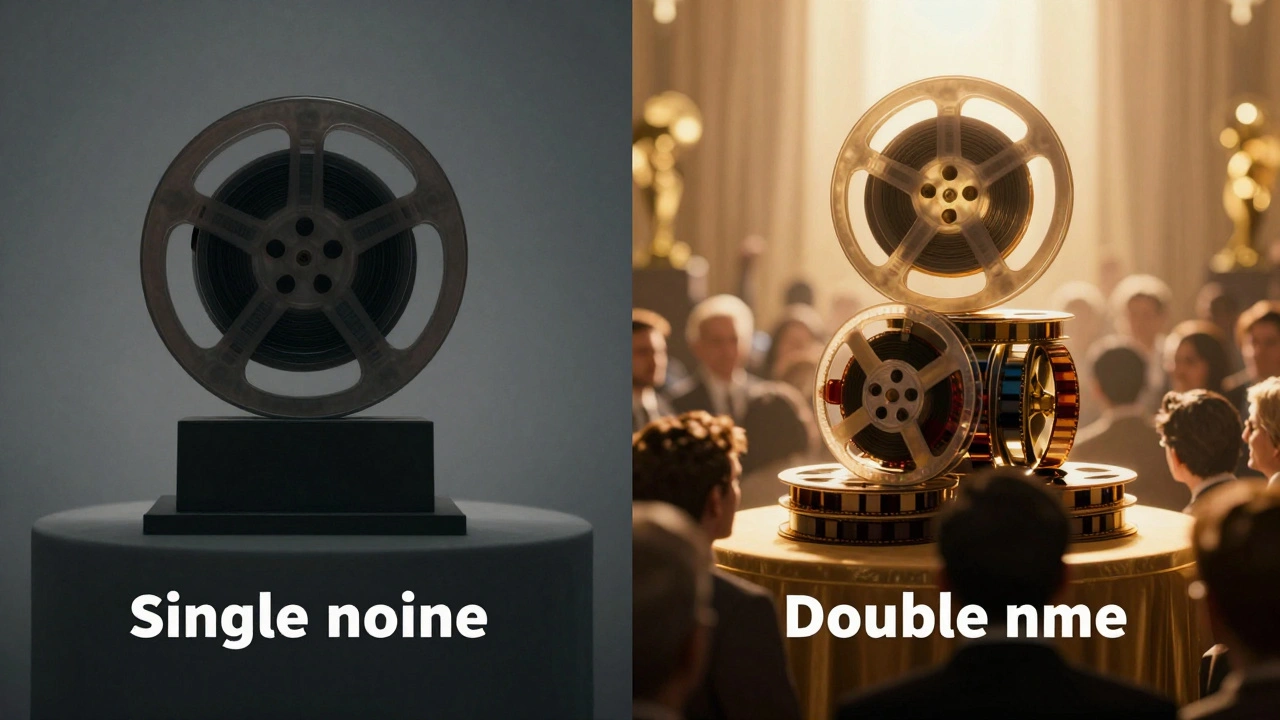
Consider the difference between a "single" nominee and a "double" nominee. A single nominee might be great in one category, say Best Supporting Actress, but invisible elsewhere. A double nominee has presence everywhere. It stays in the news cycle longer. It gets more talk show appearances. It becomes the default choice for voters who want to make a safe, respectable decision.
| Factor | Single Nominee | Double Nominee |
|---|---|---|
| Voter Visibility | Low (One category focus) | High (Cross-category exposure) |
| Campaign Efficiency | Scattered resources | Consolidated budget |
| Momentum Build-up | Slow, niche appeal | Rapid, broad appeal |
| Win Probability | Lower (Unless outlier) | Higher (Statistical favorite) |
Ballot Morning: The Final Countdown
Ballot morning is not just about counting votes. It is about managing expectations. Studios and campaigns spend months preparing for this day. They analyze early polls, track guild awards, and monitor social media sentiment. By ballot morning, they know exactly where they stand.
If a double nominee is ahead, the campaign shifts into "defense mode." They ensure their voters stay loyal. They send reminders, host final screenings, and keep the momentum going. If they are behind, they go on the offensive. They try to sway undecided voters by highlighting their strengths in multiple categories.
This is where the "overperformance" comes in. Double nominees often enter ballot morning with a slight lead. But because they have more nominations, they have more opportunities to gain late support. A positive review in a major newspaper can boost both the film and its director. A viral clip can help the actor and the screenplay. Each nomination acts as a multiplier for the others.
For example, if a film wins Best Original Screenplay, it immediately gains credibility for Best Picture. Voters respect the craft. They see the writing as the backbone of the story. This cross-pollination of votes is rare for single nominees. They don't have that safety net. If their one nomination falters, they lose everything.

The Role of Campaign Strategy
You cannot ignore the money and effort behind these nominations. Winning an award is not just about talent; it is about persuasion. Studios hire publicists, lobby members of the academy, and create buzz around their films. For double nominees, this strategy is even more intense.
Campaigns focus on "synergy." They promote the director's vision alongside the actor's performance. They frame the film as a complete artistic achievement. This makes it harder for voters to criticize any single aspect. If you love the acting, you support the picture. If you admire the direction, you back the film. It is a self-reinforcing loop.
Moreover, double nominees benefit from "vote consolidation." In a crowded field, voters often eliminate weaker candidates early. Double nominees survive this cut because they appear stronger on paper. They have more reasons to be considered. This gives them a structural advantage that persists until the very last vote is cast.
- Targeted Outreach: Campaigns identify key voters and personalize their pitches based on the film's multiple strengths.
- Media Placement: Double nominees secure more interviews and features, keeping the film relevant throughout the season.
- Award Show Appearances: Accepting speeches at earlier ceremonies build goodwill and remind voters of the film's quality.
Historical Precedents and Trends
Look back at recent years, and the pattern holds true. Films like Oppenheimer is a biographical thriller directed by Christopher Nolan that swept the 2024 Oscars demonstrated this power. It was nominated for Best Picture and Best Director, among many others. Its dominance wasn't accidental. It was the result of a campaign that leveraged every nomination to reinforce the others.
Similarly, Past Lives is a romantic drama that gained significant traction through strategic nominations in directing and screenplay categories showed how a smaller film could punch above its weight. By focusing on the director and writer, it created a narrative of artistic integrity that resonated with voters. It didn't have the biggest budget, but it had the smartest strategy.
These examples prove that double nominations are not just vanity metrics. They are tactical assets. They allow a film to control the narrative, dictate the terms of the debate, and ultimately, secure the win. When you see a film with multiple top-tier nominations, you can bet on it. The odds are stacked in its favor.
Why This Matters for Viewers
You might wonder why this matters if you are not part of the industry. The answer is simple: it shapes what we watch and celebrate. Awards influence cultural memory. Films that win big become part of the canon. They get re-released in theaters, added to streaming platforms, and studied in schools.
By understanding the mechanics of double nominations, you become a smarter viewer. You see beyond the glitz and glamour. You recognize the strategy behind the success. You appreciate the artistry, but you also acknowledge the effort required to reach the podium.
Next time you watch an awards ceremony, pay attention to the double nominees. Notice how they dominate the conversation. Watch how their supporters rally around them. And remember that on ballot morning, it is not just about who made the best film. It is about who built the strongest case.
What does "ballot morning" mean in awards season?
Ballot morning refers to the final day before awards are announced when votes are counted and verified. It is a critical period for campaigns to manage voter sentiment and ensure their preferred candidates maintain momentum.
Why do double nominees have an advantage?
Double nominees benefit from vote consolidation and increased visibility. Having nominations in multiple major categories creates a perception of overall superiority, making voters more likely to support the film across all fronts.
How does ranked-choice voting affect double nominees?
In ranked-choice systems, double nominees often receive transferred votes from eliminated competitors. Their broad appeal ensures they remain in contention longer, increasing their chances of securing the necessary majority to win.
Can a single nominee beat a double nominee?
Yes, but it is less common. A single nominee must rely on exceptional emotional resonance or a unique artistic achievement that overrides the statistical advantage of multi-nominated films. This usually requires a strong grassroots movement or critical darling status.
What role do studios play in promoting double nominees?
Studios invest heavily in campaigns that highlight the synergy between nominations. They organize screenings, buy ads, and engage directly with voters to reinforce the narrative that the film is a comprehensive masterpiece deserving of top honors.