Most indie filmmakers hit a wall when they run the numbers. The script is ready, the cast is lined up, but the bank account says otherwise. Traditional grants are competitive and slow, while private investors often want equity or creative control you’d rather keep. That’s why indie film crowdfunding has become the backbone of modern independent cinema. It’s not just about raising cash; it’s about building an audience before the first frame is even shot.
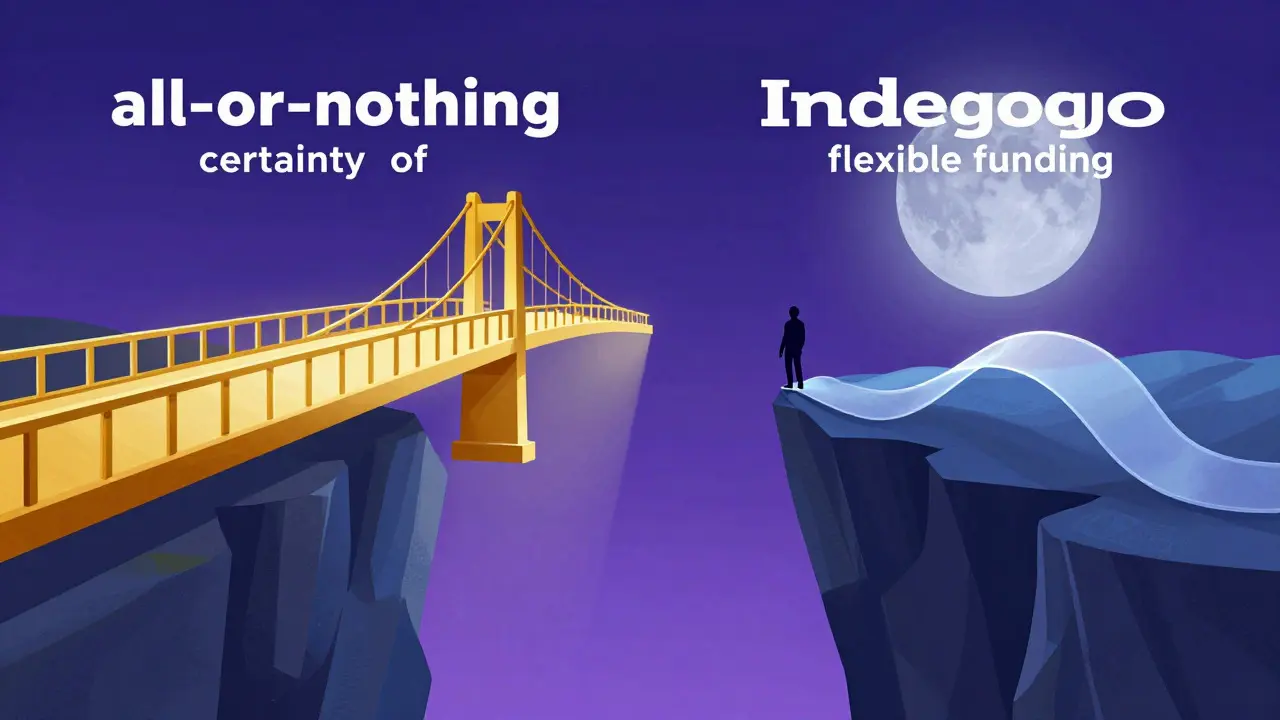
You have two main platforms in your corner: Kickstarter is a major online platform that allows people to fund new projects by pre-paying for them. It operates on an all-or-nothing model. If you don’t hit your goal, you get nothing back. On the other hand, Indiegogo is a crowdfunding platform that offers flexible funding options where creators can keep funds even if they miss their initial goal. This distinction changes everything about how you structure your campaign, your risk tolerance, and your marketing strategy.
The All-or-Nothing Gamble: Why Kickstarter Fits Filmmakers
Kickstarter remains the gold standard for creative projects, including films. The reason is simple: scarcity drives action. When backers know they are only charged if the project reaches its full target, they feel safer. They aren’t betting on a half-funded idea; they are investing in a viable production. For a filmmaker, this creates a powerful psychological hook. You aren’t just asking for money; you’re proving demand.
If you raise $50,000 out of a $100,000 goal on Kickstarter, you don’t get the $50,000. You get zero. This sounds terrifying, but it forces discipline. You need a solid marketing plan before you launch. Most successful film campaigns spend weeks building an email list and social media following before the "Launch" button is clicked. The platform itself doesn’t drive traffic; your community does. Kickstarter takes a 5% fee plus payment processing costs (around 3-5%), so if you aim for $100,000, you should actually set your goal at around $108,000 to cover fees and ensure you have enough for post-production.
The all-or-nothing model also helps with budgeting. Since you know exactly what you will receive (assuming success), you can lock down contracts with crew and actors more confidently. There’s no ambiguity about whether the lights will turn on next week. This certainty is valuable in a volatile industry like film production.
Flexible Funding: The Safety Net of Indiegogo
Indiegogo offers a different approach with its "Flexible Funding" option. Here, you keep whatever you raise, even if you fall short of your goal. This is appealing if you already have some capital and just need to bridge a gap. Maybe you have $40,000 saved and need $60,000 more. If you raise $30,000 on Indiegogo, you walk away with $70,000 total. That’s a working budget.
However, there’s a catch. Flexible funding often lacks the urgency of the all-or-nothing model. Backers might think, "I’ll contribute later," because there’s no deadline-driven pressure to reach a specific number. Additionally, smaller amounts can make it harder to justify large-scale production commitments. If you only raise 20% of your goal, do you still shoot the movie? Do you scale it down? These questions can create chaos during pre-production.
Indiegogo also has a slightly higher fee structure depending on the plan, and its user base skews differently than Kickstarter’s. While both platforms attract tech enthusiasts and creative types, Kickstarter has a stronger reputation specifically for arts and media projects. If your film relies heavily on a niche community-like horror fans or sci-fi enthusiasts-both platforms work, but Kickstarter’s algorithm tends to favor established creative communities.
Building the Audience Before the Launch
Here is the truth most gurus won’t tell you: the campaign is 20% of the work. The other 80% happens before you go live. Whether you choose Kickstarter or Indiegogo, you need a warm audience. Cold traffic converts poorly. People donate to people they trust, not to strangers on the internet.
Start building your email list six months before launch. Offer free value in exchange for emails. Share behind-the-scenes photos, character sketches, or a one-page synopsis. Use tools like Mailchimp or ConvertKit to segment your list. When you finally launch, your first day should be explosive. Platforms like Kickstarter boost visibility for campaigns that show strong momentum early on. A strong first 48 hours can push your campaign into featured spots, bringing in organic traffic from users browsing the site.
Social media plays a supporting role here. Instagram Reels and TikTok clips showing your passion for the story can go viral, but they rarely convert directly without a clear call to action. Always link back to your campaign page. Make sure your landing page is optimized. The video is critical. Keep it under three minutes. Show the team, explain the story, and state clearly why you need the money. Don’t hide the risks; transparency builds trust.
Reward Structures: More Than Just Money
Crowdfunding isn’t charity; it’s a transaction. Backers expect something in return. For films, rewards are less about physical goods and more about experience and recognition. Standard tiers include:
- $10-$25: Digital copy of the film, name in credits.
- $50-$100: Signed poster, digital soundtrack, exclusive making-of footage.
- $250-$500: Limited edition Blu-ray/DVD, invitation to premiere, personal thank-you video.
- $1,000+: Producer credit, dinner with the director, custom artwork.
Be careful with physical rewards. Shipping DVDs or posters internationally is a logistical nightmare. Many filmmakers stick to digital rewards to avoid fulfillment headaches. If you do offer physical items, calculate shipping costs accurately. Underestimating shipping is the fastest way to eat into your profit margin. Also, consider stretch goals. If you hit 110% of your goal, add a bonus scene or release a short film. This keeps the momentum going in the final days of the campaign.
Platform Comparison: Which One Should You Pick?
Choosing between the two depends on your current financial situation and risk appetite. Let’s break down the key differences to help you decide.
| Feature | Kickstarter | Indiegogo |
|---|---|---|
| Funding Model | All-or-Nothing | Flexible or All-or-Nothing |
| Platform Fee | 5% | 5% (Standard) / 3% (Plus) |
| Payment Processing | ~3-5% | ~3-5% |
| Audience Focus | Arts, Media, Tech | Tech, Social Causes, General |
| Best For | Proven concepts, strong community | Bridging gaps, lower risk tolerance |
| Campaign Duration | 30-45 days typical | 30-60 days typical |
If you have a strong fanbase and believe in your project’s viability, Kickstarter is usually the better choice. The prestige of a successful Kickstarter campaign can also help with future distribution deals. Studios and distributors often look at crowdfunding success as a market validation metric. If you are unsure about hitting a high target, or if you need every dollar regardless of the total, Indiegogo’s flexible option provides a safety net.

Post-Campaign: Fulfillment and Distribution
Raising the money is only half the battle. Now you have to deliver. Set aside 10-15% of your total budget for reward fulfillment. Printing, packaging, and shipping take time and money. Create a timeline for updates. Backers love progress reports. Post monthly updates on the platform, sharing news about casting, location scouting, and shooting schedules. Silence kills engagement. If you disappear after the campaign ends, you lose goodwill that could have helped with word-of-mouth promotion later.
Once the film is complete, use your crowdfunding data for distribution. You now have a database of hundreds or thousands of people who care about your movie. Send them a premiere date. Invite them to Q&As. This built-in audience can generate significant opening weekend buzz, which is crucial for getting attention from larger distributors or streaming services. Crowdfunding isn’t just financing; it’s marketing infrastructure.
Common Pitfalls to Avoid
Many first-time filmmakers make mistakes that derail their campaigns. Here are the big ones:
- Setting an unrealistic goal: Don’t aim for $500,000 if your network can only support $50,000. Start small and grow.
- Poor video quality: Your pitch video represents your professionalism. Invest in good lighting and audio.
- Ignoring international backers: Check tax implications and shipping logistics for global rewards.
- Lack of backup plan: What if you miss the goal? Have a Plan B, even if it’s just scaling the scope down.
- Forgetting legal compliance: Ensure you have proper contracts with crew and actors before spending funds.
Finally, stay engaged. Respond to comments. Thank backers publicly. Treat every backer like a VIP. Their support is what makes your dream possible, and that relationship can last long after the credits roll.
Is Kickstarter better than Indiegogo for films?
Kickstarter is generally preferred for films due to its all-or-nothing model, which creates urgency and validates demand. However, Indiegogo is better if you need flexible funding to bridge a budget gap without risking losing all raised funds.
How much should I set my crowdfunding goal for an indie film?
Set your goal based on your actual production needs plus 10-15% for platform fees and reward fulfillment. If your production budget is $50,000, aim for roughly $55,000-$58,000 to cover costs safely.
Do I need a finished script to start a campaign?
Yes, a polished script is essential. Backers want to know the story is solid. Include a logline, synopsis, and perhaps a sample scene or trailer to demonstrate quality and direction.
How long does a typical film crowdfunding campaign last?
Most successful film campaigns run for 30 to 45 days. Shorter campaigns create more urgency, while longer ones allow for sustained marketing efforts. Avoid going over 60 days, as momentum often fades.
What are the biggest risks of using flexible funding?
The main risk is underfunding. If you raise only a portion of your goal, you may struggle to secure necessary resources like equipment or locations, leading to compromised production quality or delayed timelines.