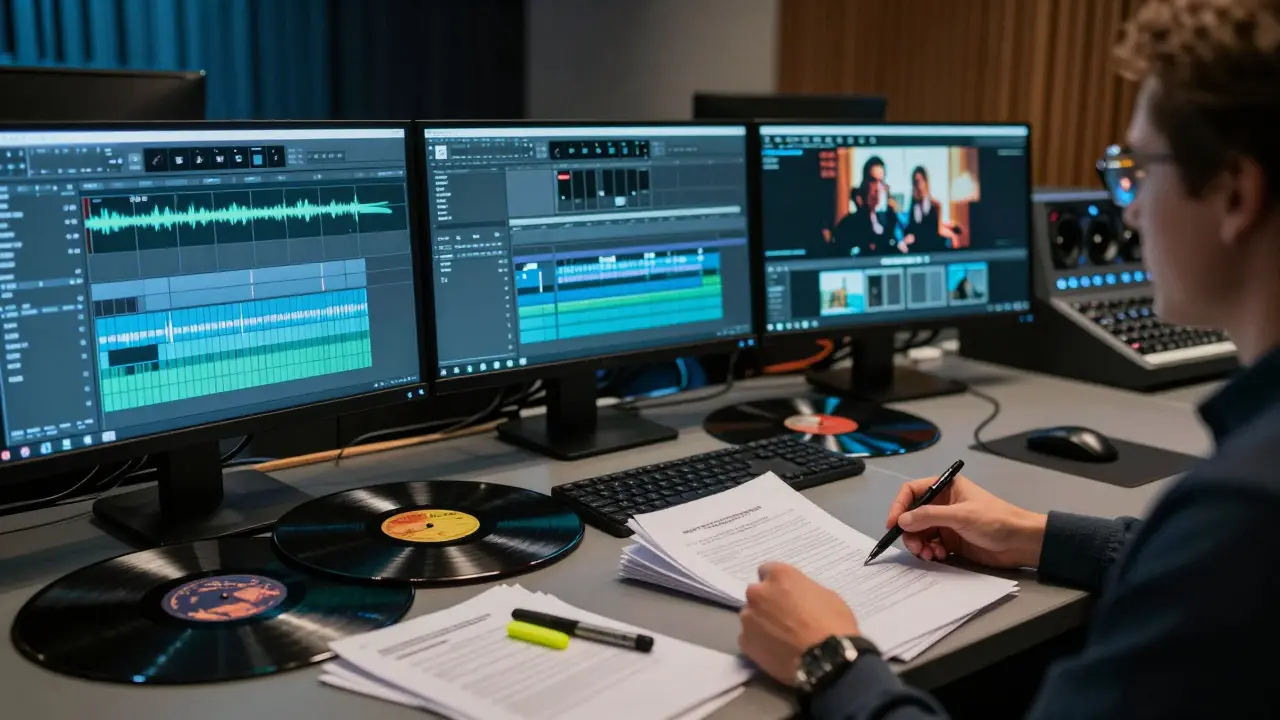
Ever watch a movie where a single song makes you cry, or a beat drop that perfectly times with a car chase? That wasn't luck. It was the work of a Music Supervisor is a creative professional who selects, licenses, and places existing songs within film, television, and commercial media. Unlike a composer who writes original scores from scratch, a music supervisor acts as a curator and negotiator. They bridge the gap between the director's vision and the vast library of recorded music. In 2026, this role has become even more critical as streaming platforms demand distinct sonic identities to stand out in crowded markets.
The job is far more complex than picking a hit song from Spotify. It involves navigating intricate legal landscapes, managing tight budgets, and collaborating closely with directors, editors, and composers. If you’ve ever wondered how that specific 1980s track ended up in your favorite drama, or why the trailer used a different version of a pop anthem, you’re looking at the output of a music supervisor’s day-to-day grind.
Key Takeaways
- Music supervisors handle both creative selection and legal licensing for pre-existing songs in films.
- The role requires deep knowledge of music history, copyright law, and budget management.
- Sync licensing costs vary wildly based on song popularity, usage duration, and media scope.
- Collaboration with composers is essential to balance original score with licensed tracks.
- Digital distribution has expanded opportunities but also increased the complexity of rights clearance.
The Core Responsibilities of a Music Supervisor
At its heart, the music supervisor’s job is about storytelling through sound. When a director says, "I need something that feels like nostalgia mixed with anxiety," the supervisor translates that vague emotional cue into concrete musical options. This process usually begins during pre-production, long before cameras roll. The supervisor attends story meetings, reviews scripts, and starts building a mood board of potential tracks.
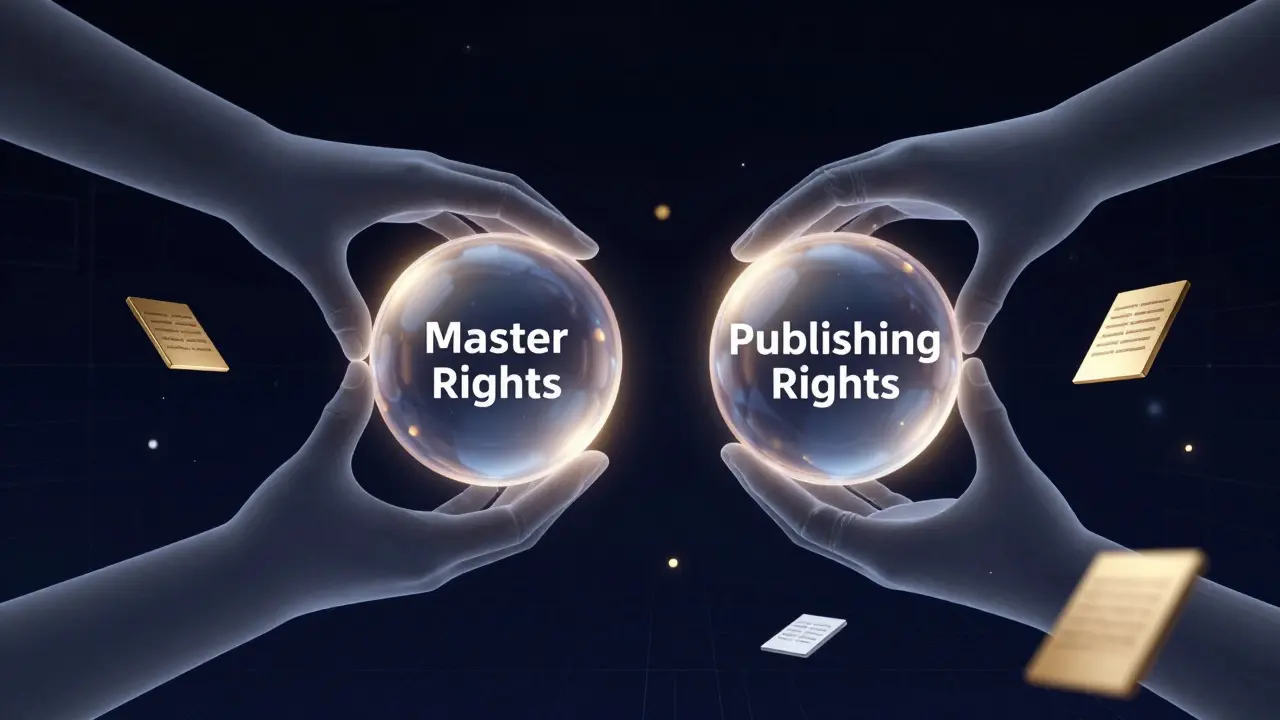
However, creativity is only half the battle. The other half is logistics. Once a song is selected, the supervisor must secure two main types of rights: the master use license (for the specific recording) and the synchronization license (for using the composition). These are often held by different entities-record labels for masters and publishing companies for compositions. Negotiating these deals can take weeks or months, making early planning vital.
- Script Analysis: Identifying key moments where music drives emotion or narrative pacing.
- Temp Scoring Review: Working with the editor to understand what temporary music they used and why it worked.
- Track Selection: Creating shortlists of songs that fit the tone, era, and budget.
- Licensing Negotiation: Contacting publishers and labels to negotiate fees and terms.
- Final Placement: Ensuring the audio files meet technical standards for final mix.
Understanding Sync Licensing: The Financial Side
Money talks in music supervision. A major Hollywood feature might have a $500,000 to $1 million budget just for music licensing. Independent films might scrape by with $50,000 to $100,000. The cost of a sync license depends on several factors, often referred to as the "four corners" of licensing:
A chart-topping pop song from the last five years can cost anywhere from $50,000 to over $200,000 per side (master and publishing). An obscure indie track from 1975 might cost $2,000 to $5,000. This disparity forces supervisors to make strategic choices. Sometimes, a lesser-known song fits the vibe better and saves money for a crucial scene later in the film. Other times, a recognizable hit is necessary to instantly ground the audience in a specific time period.
| Song Tier | Master Use License Range | Publishing License Range | Typical Usage Scenario |
|---|---|---|---|
| Top 40 Hit (Last 3 Years) | $50,000 - $150,000+ | $50,000 - $150,000+ | Opening credits, climax scenes |
| Recognizable Classic (1980-2000) | $15,000 - $50,000 | $15,000 - $50,000 | Nostalgia sequences, character intros |
| Indie/Emerging Artist | $1,000 - $5,000 | $1,000 - $5,000 | Background texture, montage sequences |
| Public Domain Composition | $0 (New Recording Required) | $0 | Period pieces, low-budget films |
Collaboration with Composers and Editors
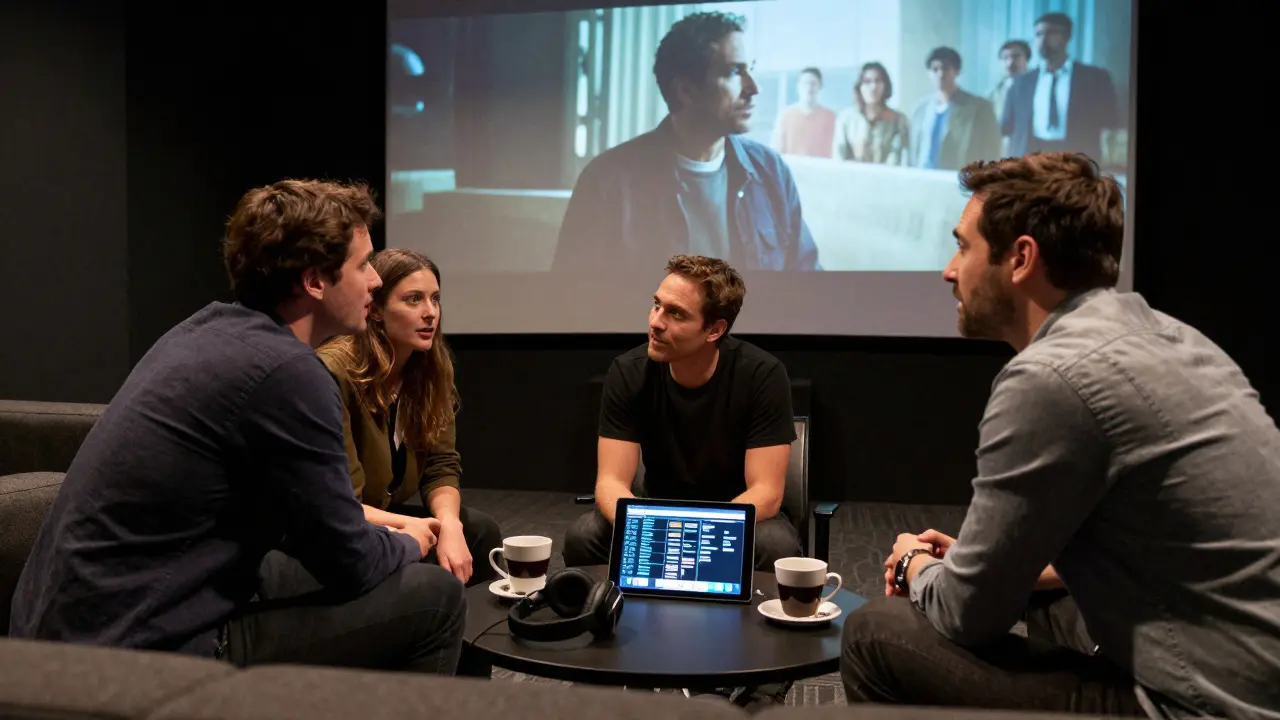
A common misconception is that music supervisors compete with composers. In reality, they are partners. The composer creates the original score-the underscore that swells under dialogue and drives tension. The supervisor brings in pre-existing songs that provide cultural context or contrast. For example, a tense thriller might use a delicate, original piano score for most scenes, but then cut to a loud, distorted rock song when the protagonist makes a risky decision. This juxtaposition creates a powerful emotional response.
The editor plays a huge role too. During post-production, editors often use "temp music"-placeholder tracks-to help the director visualize the pacing. If the temp track works, the supervisor tries to find a similar real song or commission a custom piece. If the temp track is a famous song that isn’t affordable, the supervisor has to find an alternative that captures the same energy without breaking the bank. This iterative process requires constant communication and flexibility.
The Rise of Streaming and Digital Rights
In 2026, the landscape is heavily influenced by streaming services. Netflix, Amazon Prime, and Apple TV+ produce hundreds of hours of content annually. This volume means music supervisors are working faster than ever. The window for exclusivity has shrunk; a song featured in one streamer’s exclusive film might be used in another’s series three months later if the licensing terms allow it.
Digital rights management (DRM) has also evolved. Platforms now track metadata meticulously to ensure proper attribution and royalty payments. Supervisors must ensure that every track is correctly tagged with ISRC codes and composer credits. Errors here can lead to unpaid royalties or legal disputes, damaging relationships with artists and labels. Furthermore, the rise of AI-generated music presents new challenges. While not yet dominant in major features, AI tracks are appearing in lower-budget productions, raising questions about ownership and authenticity that supervisors must navigate carefully.
Building a Career in Music Supervision
There is no single path to becoming a music supervisor. Many start as assistants to established supervisors, handling administrative tasks like filing paperwork and tracking deadlines. Others come from backgrounds in music journalism, A&R (Artist & Repertoire), or even law. What unites successful supervisors is a combination of taste, persistence, and organizational skills.
Key skills include:
- Encyclopedic Knowledge: Knowing obscure B-sides and rare recordings helps find unique sounds.
- Negotiation Skills: Getting the best deal without burning bridges with publishers.
- Time Management: Post-production schedules are rigid; missing a deadline can delay the entire film.
- Networking: Building relationships with label reps, publishers, and composers opens doors.
Entry-level positions often pay modestly, but the career offers significant creative satisfaction and exposure to diverse projects. As you gain experience, you move toward larger budgets and higher-profile films, where your name on the credits can significantly boost the project’s credibility.
Frequently Asked Questions
What is the difference between a music supervisor and a composer?
A composer writes and records original music specifically for the film (the score). A music supervisor selects and licenses pre-existing songs (soundtrack) for specific scenes. They work together to create the complete audio experience.
How much does it cost to license a popular song for a movie?
Costs vary widely. A top-tier current hit can cost $100,000 or more total (master + publishing). Older classics range from $15,000 to $50,000. Indie tracks can be as low as $2,000. The exact price depends on usage, territory, and duration.
Who owns the rights to a song?
Usually, two parties own separate rights. The record label owns the master recording rights. The publishing company (often owned by the songwriter or their estate) owns the composition rights. Both must grant permission for a sync license.
Can I use any song I like in my student film?
Technically, no. You still need permission, though many labels and publishers offer reduced rates or free licenses for non-commercial educational use. Always check specific terms. Using a song without permission can lead to takedowns or fines if the film is distributed publicly.
How do music supervisors find obscure songs?
They use a mix of personal listening habits, database tools like Musicbed or Artlist, direct contacts with independent labels, and recommendations from other industry professionals. Many keep extensive spreadsheets of tracks categorized by mood, tempo, and instrument.





Comments(6)