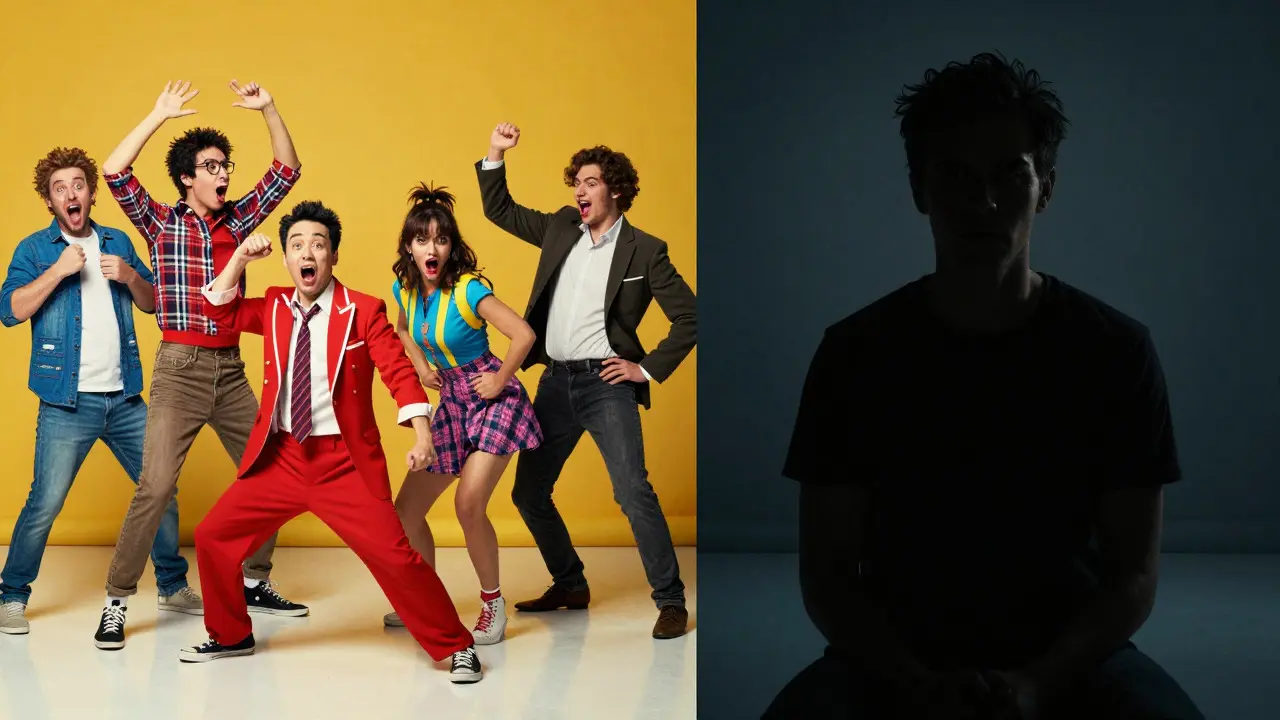
There is a specific kind of silence that falls over a set when an actor misses the beat in a comedy scene. It’s not the heavy, dramatic pause you get in a tragedy; it’s a collective exhale from the crew who just realized the joke didn’t land. For directors, managing this shift between tone control and raw emotion is one of the most delicate balancing acts in cinema. Whether you are steering a character through a heartbreak or a slapstick mishap, the underlying goal remains the same: authenticity. But the tools you use to get there are fundamentally different.
Understanding the mechanics behind these two genres isn't just about knowing the difference between a laugh track and a sad violin. It’s about recognizing how timing, physicality, and emotional subtext interact differently depending on the narrative engine driving the story. A director who treats a comedic moment with the same weight as a dramatic climax often kills the rhythm, while one who underplays a tragic beat can make the audience feel disconnected from the stakes. Let’s break down how to navigate these waters without losing your audience's trust.
The Rhythm of Laughter vs. The Weight of Sorrow
Comedy relies heavily on rhythm. Think of it like jazz music; if you miss the beat, the whole performance falls apart. In a drama, rhythm is more about breath and pacing. When directing a comedy, you are essentially conducting a musical piece where the 'downbeat' is the punchline. If the actor rushes into the setup, the punchline loses its impact. If they linger too long after the joke, the energy dies out before the next line can be delivered.
In contrast, drama thrives on suspension. The audience needs time to process what is happening. A dramatic monologue might take three minutes to deliver, but those minutes need to feel earned. This requires a different approach to coverage. In comedy, you often shoot wider to capture physical reactions and ensemble dynamics. In drama, you move in closer, relying on facial micro-expressions to convey internal conflict. The camera becomes an intimate observer rather than a distant spectator.
| Element | Comedy Direction | Drama Direction |
|---|---|---|
| Timing Focus | Precise beats, quick cuts, rhythmic flow | Sustained pauses, slow builds, emotional breathing room |
| Camera Distance | Medium to wide shots to capture physicality | Close-ups and extreme close-ups for intimacy |
| Actor Feedback | "Play it straight," "Don't sell the joke," "Trust the script" | "Find the truth," "What are you hiding?", "Let it happen" |
| Error Tolerance | Low (timing errors kill momentum) | High (emotional messiness can be edited) |
Physicality and Space: How Actors Occupy the Frame
Space works differently in each genre. In a comedy, characters often invade each other's personal space intentionally to create friction or absurdity. A scene between two bickering siblings in a sitcom-style film might involve overlapping dialogue, sudden movements, and exaggerated gestures. The director must ensure these physical actions don't obscure the faces of the actors, which is why blocking in comedy is often dynamic and fluid.
In drama, space is usually defined by isolation or distance. Two lovers separated by a table in a quiet restaurant scene use the physical barrier to emphasize their emotional disconnect. The director focuses on stillness here. Small shifts in posture-a hand tightening around a glass, eyes dropping to avoid contact-carry more weight than any large gesture. If an actor in a dramatic scene starts moving around too much, it signals nervousness or a lack of conviction in the moment. Stillness is power in drama; motion is energy in comedy.
The Role of Subtext in Both Genres
A common misconception is that comedy lacks subtext. In reality, the best comedy is built entirely on subtext. The humor comes from the gap between what the character says and what they mean. When directing, you aren't asking the actor to be funny; you are asking them to be honest. If the actor tries to force a laugh, it feels fake. If they play the character's genuine frustration or embarrassment, the audience laughs because they recognize the truth in the situation.
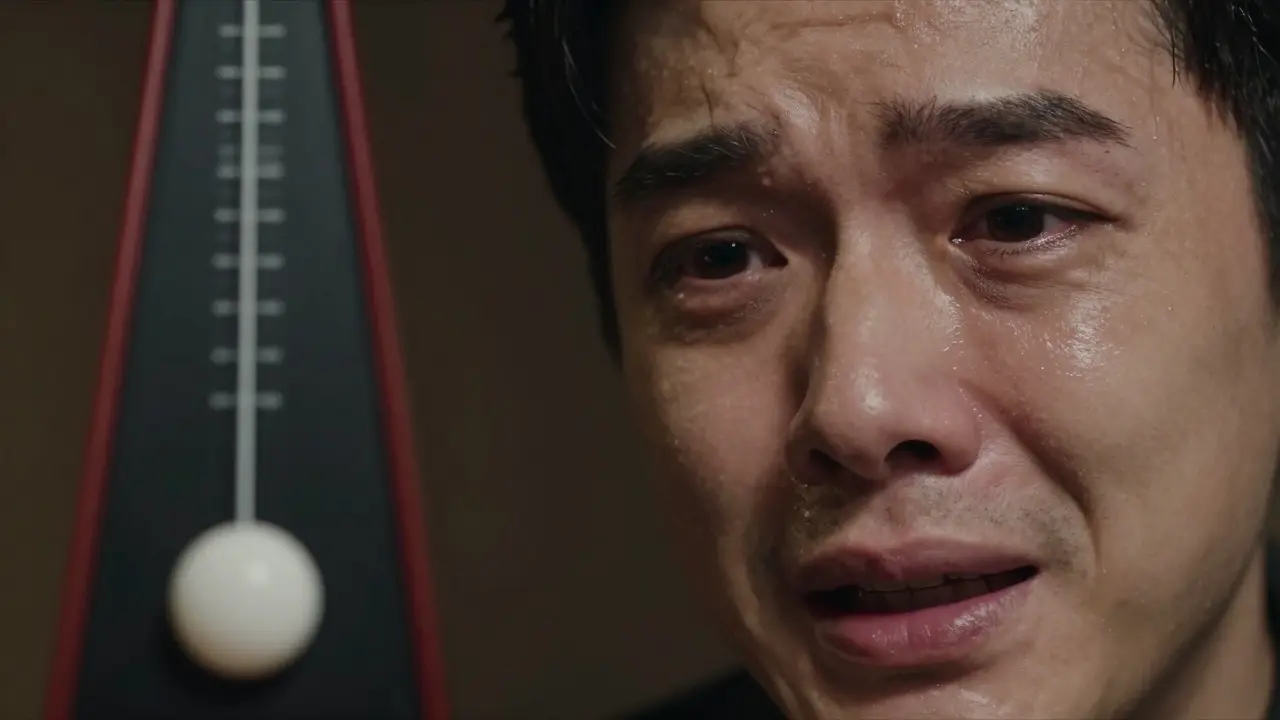
Drama also relies on subtext, but the stakes are higher. Here, the subtext is often about survival, love, or loss. The actor isn't trying to hide a joke; they are hiding their pain or fear. The director's job is to help the actor find that hidden layer without making it obvious. This is where the concept of 'listening' becomes crucial. In both genres, the funniest or most poignant moments often happen in the reaction shot, not the action shot. The director must anticipate where the true emotion lies and position the camera accordingly.
Casting and Chemistry: Finding the Right Fit
Casting decisions differ significantly based on tonal requirements. For a comedy, you look for actors with strong comedic instincts, which often translates to excellent listening skills and the ability to react quickly. You want performers who can throw off a planned beat if the scene demands it, provided the core logic holds up. Versatility is key; a great comedic actor can switch from deadpan to manic in seconds.
For drama, you prioritize depth and consistency. An actor who can sustain a complex emotional arc over several scenes is invaluable. Chemistry tests in drama focus on endurance and vulnerability. Can the actors sit in silence together for ten minutes without breaking character? Can they share a look that conveys years of history in a single frame? These qualities are harder to teach in rehearsal and rely heavily on the innate connection between performers.
Rehearsal Techniques That Bridge the Gap
While the final products look different, the rehearsal process shares some DNA. Improvisation is a powerful tool in both cases, but for different reasons. In comedy, improv helps find the natural rhythm of the dialogue. Lines written on the page might feel stiff, but when actors riff on them, the natural speech patterns emerge. This can reveal better phrasing or even new jokes that fit the character's voice.
In drama, improvisation helps uncover backstory. By exploring scenes that happened before the current moment, actors build a foundation of truth that makes the present scene feel lived-in. A director might ask an actor to improvise a phone call with a parent who has just passed away, simply to understand how grief affects their daily interactions. This background work doesn't always make it to screen, but it informs every subtle choice in the actual scene.
Editing as the Final Director
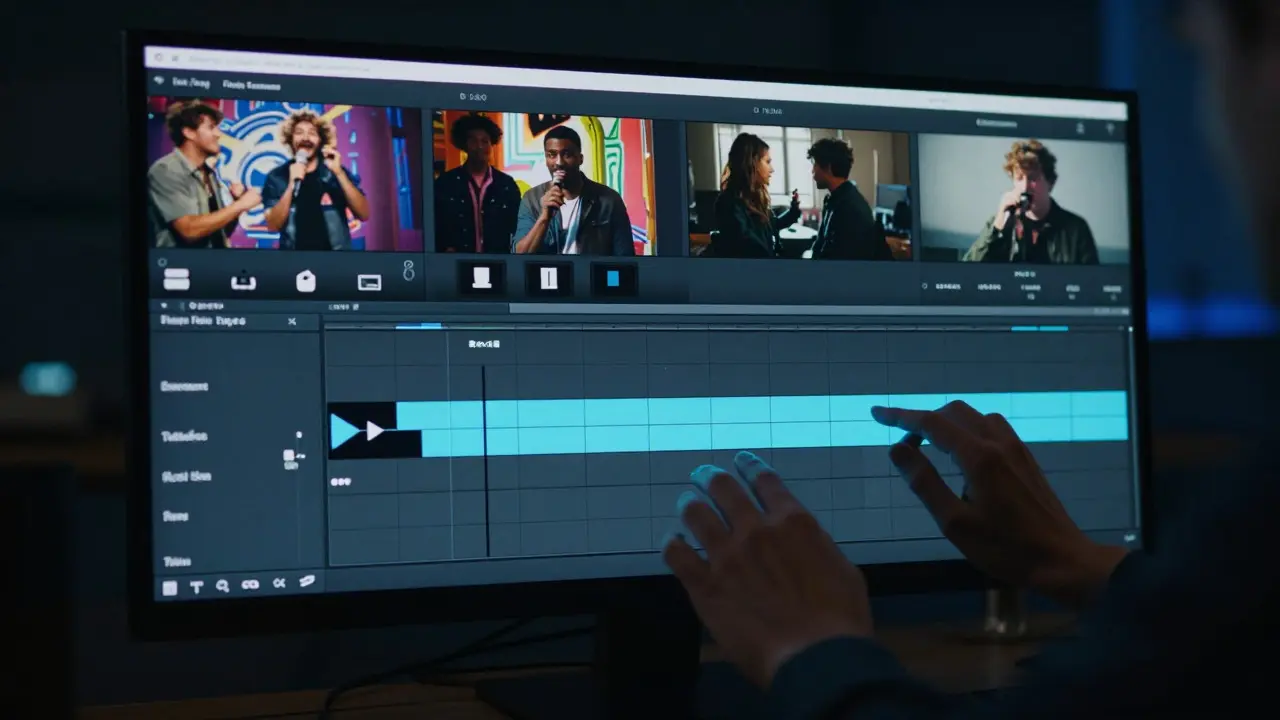
No matter how well you direct on set, the final tone is cemented in the edit. Comedy editing is fast. Cuts happen on the beat, often before the previous line finishes fading out. This keeps the energy high and prevents the audience from overthinking the joke. If a cut lingers for half a second too long, the laughter dies.
Drama editing is slower. Cuts happen on the emotion, often allowing a beat of silence after a significant line. This gives the audience time to absorb the weight of the moment. The editor and director must collaborate closely to decide where to hold and where to cut. In comedy, you cut to keep the pace; in drama, you cut to protect the feeling. Getting this balance right is what separates a good film from a memorable one.
Is it possible to blend comedy and drama effectively?
Yes, this is known as a dramedy. The key is consistency in tone within individual scenes. While the overall film may shift between light and dark, each specific interaction should adhere to the rules of either comedy or drama. Mixing tones within a single beat can confuse the audience and dilute the impact of both elements.
How do I tell if an actor is playing for laughs instead of being authentic?
Watch their eyes. If an actor is looking at the camera or checking the reaction of their scene partner to see if the joke landed, they are likely performing for the audience rather than inhabiting the character. Authentic comedy comes from the character's internal state, not an external desire to be funny.
Which genre is harder to direct?
Opinions vary, but many directors find comedy harder because the margin for error is smaller. A missed beat in a drama can be saved in post-production with a close-up. A missed beat in a comedy often ruins the entire scene's momentum, requiring reshoots or significant re-editing.
Do lighting techniques differ between comedy and drama?
Generally, yes. Comedy often uses brighter, flatter lighting to enhance visibility of facial expressions and physical movement. Drama frequently employs chiaroscuro or softer, directional lighting to create mood and emphasize shadows, reflecting the internal complexity of the characters.
How important is the sound design in controlling tone?
Extremely important. In comedy, sound effects are often exaggerated to highlight physical actions (like a slip or fall). In drama, ambient sound is used to isolate the character or emphasize silence. The score also plays a massive role; comedic scores are often staccato and bright, while dramatic scores are sustained and harmonic.