
Most aspiring film critics make the same mistake. They write brilliant thoughts about cinema but keep them in a private notebook or a messy Google Doc. If you want to be taken seriously by editors at major publications or by indie filmmakers looking for press coverage, you need a visible, curated body of work. You need a portfolio.
A film critic portfolio is not just a collection of links. It is your professional identity. It shows how you think, what you value, and whether you can meet deadlines. In 2026, the landscape of media criticism has shifted. The gatekeepers are fewer, but the noise is louder. Your portfolio must cut through that noise immediately.
The Core Components of a Strong Film Criticism Portfolio
Before you worry about design or platforms, you need content. But not just any content. Editors look for specific types of writing that demonstrate range and depth. Your portfolio should answer three questions instantly: Can you analyze a film? Can you write clearly? Do you have a unique voice?
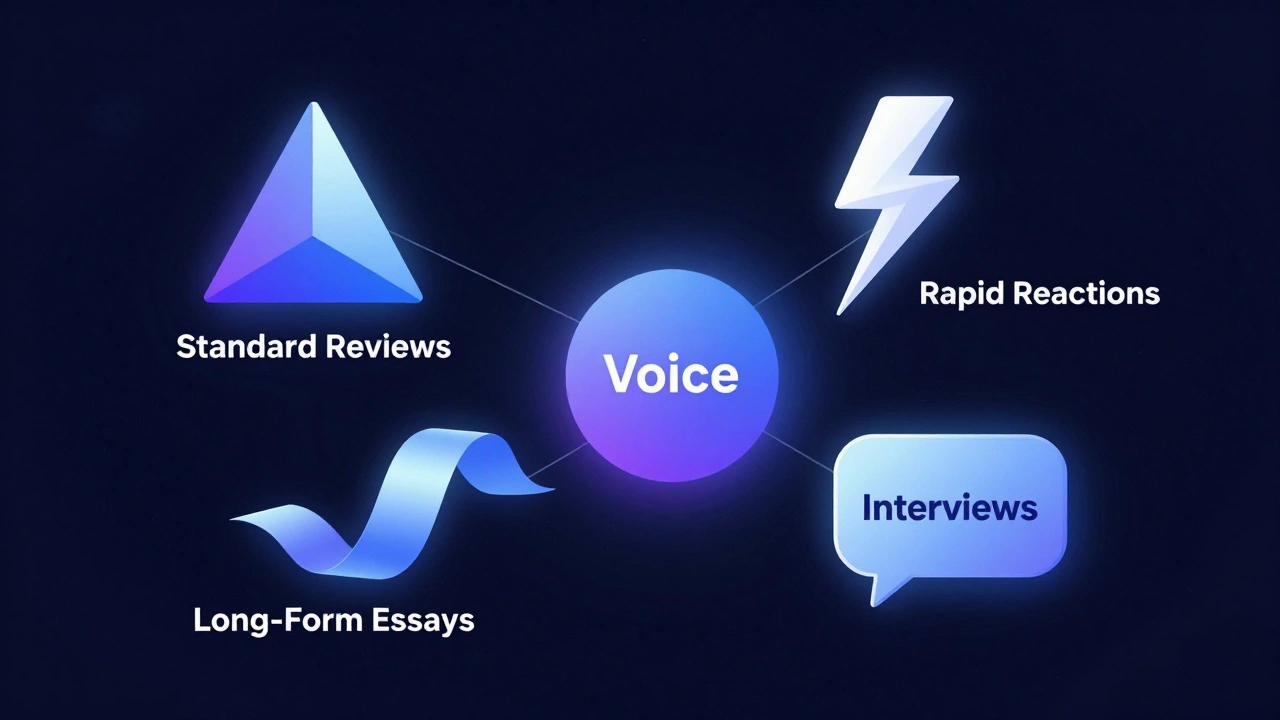
To achieve this, structure your portfolio around these core components:
- Standard Reviews: These are your bread and butter. Aim for 800-1,200 words. They should cover recent releases or notable festival films. Show that you can summarize a plot without spoilers, analyze themes, and critique technical aspects like cinematography and sound design.
- Long-Form Essays: This is where you show depth. Write 2,000+ word pieces on broader topics. For example, "The Evolution of the Anti-Hero in Post-2020 Cinema" or "Why Silent Films Matter Today." This proves you can sustain an argument over length.
- Rapid Reaction Pieces: Shorter, punchier takes (300-500 words) on trending movies. These show you can write quickly under pressure, a skill highly valued by digital news outlets.
- Interviews or Q&As: If possible, include transcripts or edited interviews with directors, actors, or crew members. This demonstrates your ability to conduct research and engage professionally with industry figures.
Avoid including every single review you’ve ever written. Quality beats quantity. Ten strong, diverse pieces are better than fifty mediocre ones. Curate ruthlessly.
Choosing the Right Platform for Your Work
Where you host your portfolio matters less than how accessible it is, but some platforms signal professionalism better than others. In 2026, the debate often centers between personal websites and third-party platforms.
| Platform | Pros | Cons | Best For |
|---|---|---|---|
| Personal Website (WordPress/Squarespace) | Fully customizable, owns SEO, looks professional | Requires maintenance, hosting costs ($5-$20/month) | Critics aiming for staff positions at major outlets |
| Substack | Built-in audience, easy newsletter integration, free start | Limited design control, platform dependency | Critics building a direct subscriber base |
| Medium | Large existing readership, clean interface | High competition, hard to stand out, limited branding | Beginners testing their voice before investing |
| LinkedIn Articles | Direct access to industry professionals | Poor reading experience, not designed for creative writing | Networking-focused critics targeting corporate media roles |
If you are serious about a career in criticism, invest in a simple personal website. Use a domain name that includes your name (e.g., joelchanca.com). This gives you full control over your narrative and ensures that when an editor searches for you, they find exactly what you want them to see. Avoid cluttered templates. Clean typography and fast loading speeds are non-negotiable.
Crafting Reviews That Stand Out
Anyone can say if they liked a movie. A critic explains why. To build a compelling portfolio, your reviews must move beyond subjective opinion into objective analysis. Here is how to elevate your writing:
- Contextualize the Film: Don’t treat the movie as an isolated event. Connect it to the director’s previous work, the genre’s history, or current cultural moments. For instance, when reviewing a new sci-fi thriller, reference its relationship to the cyberpunk genre of the 1980s or the social commentary of modern dystopian fiction.
- Analyze Technical Craft: Discuss lighting, editing, score, and production design. Explain how these elements serve the story. Did the shaky cam enhance the tension, or did it distract? Was the color palette used to reflect the protagonist’s mental state?
- Develop a Thesis: Every review should have a central argument. Instead of saying "the acting was good," argue that "the lead performance deconstructs traditional masculinity through subtle facial expressions rather than dialogue."
- Use Specific Examples: Quote lines from the script. Describe specific scenes. Vague praise like "it was emotional" holds no weight. Specificity builds credibility.
Remember, your goal is not to tell people what to watch. Your goal is to teach them how to watch. This distinction separates casual bloggers from professional critics.
Building Credibility Through Consistency and Niche
You cannot compete with the massive reach of established outlets like Variety or The Hollywood Reporter by trying to be everything to everyone. Instead, find your niche. Are you the expert on international arthouse cinema? Do you specialize in horror subgenres? Maybe you focus exclusively on documentary filmmaking techniques.
Niching down helps you become the go-to source for specific topics. When editors need a writer who understands the nuances of Korean neo-noir, they will remember you if you have consistently covered that area. It also helps your audience know what to expect from your brand.
Consistency is equally vital. Publish on a regular schedule. Whether it is weekly or bi-weekly, stick to it. This discipline signals reliability. Editors hire writers they trust to deliver. An inconsistent posting history suggests flakiness. Set up a content calendar. Plan your reviews around release dates, film festivals like Sundance or Cannes, and award seasons.
Promoting Your Portfolio Without Selling Out
Writing great reviews is only half the battle. You must get eyes on them. However, promotion should never feel desperate or spammy. Focus on community engagement.
Engage with other critics and filmmakers on social media platforms like X (formerly Twitter) and Instagram. Share your articles in relevant groups, but add value to the conversation first. Comment on other people’s work thoughtfully. Build relationships, not just follower counts.
Consider submitting your best long-form essays to literary magazines or film journals that accept submissions. Even if they don’t publish them, the process of refining your work for submission improves your craft. Additionally, look for local opportunities. Write for your city’s alternative weekly newspaper or university film club blog. Local press often has lower barriers to entry and provides valuable bylines.
Also, optimize your portfolio for search engines. Use clear titles, meta descriptions, and alt text for images. Include keywords naturally, such as "film analysis," "movie review," and specific director names. This helps potential employers find you when they search for emerging talent.

Common Mistakes to Avoid
Even talented writers sabotage their portfolios with avoidable errors. Watch out for these pitfalls:
- Spoilers: Never reveal major plot twists without a clear warning. Respect your reader’s experience.
- Inconsistent Formatting: Ensure all your articles use the same font, heading style, and layout. Visual consistency reinforces professionalism.
- Ignoring Feedback: Ask peers or mentors to read your work. Constructive criticism helps you identify blind spots in your analysis or writing style.
- Overusing Jargon: While demonstrating knowledge is important, excessive academic language can alienate general readers. Aim for clarity and accessibility.
- Broken Links: Regularly check that all external links in your articles work. Broken links look negligent.
Next Steps: From Portfolio to Publication
Once your portfolio is solid, take action. Create a list of target publications. Research their submission guidelines carefully. Tailor your pitch letters to each outlet. Mention specific articles you’ve written for them that you enjoyed, and explain why your perspective fits their audience.
Attend film festivals, even locally. Network with programmers and other journalists. Hand out business cards with your website URL. Be present in the community you want to join.
Finally, keep learning. Watch films outside your comfort zone. Read classic criticism by authors like Roger Ebert, Pauline Kael, and Manny Farber. Understand the history of the craft. The more you know, the deeper your insights will be, and the stronger your portfolio will become.
How many reviews do I need in my portfolio to start getting noticed?
You don't need hundreds. A strong portfolio typically contains 10-15 high-quality pieces. This includes a mix of short reviews, long-form essays, and perhaps an interview. Focus on variety and depth rather than volume. Editors prefer to see five exceptional articles than twenty average ones.
Should I include reviews of old movies or only new releases?
Include both. Recent reviews show you are active and aware of current trends. Reviews of older classics demonstrate your knowledge of film history and your ability to engage with canonical works. A balanced approach shows range. Just ensure that older reviews offer fresh perspectives or new contextual analysis.
Is it okay to write negative reviews in my portfolio?
Yes, absolutely. In fact, negative reviews can be more impressive if done well. They show you have critical standards and can articulate why a film failed. Avoid mean-spirited rants. Instead, provide constructive criticism that explains the flaws in storytelling, technique, or execution. This demonstrates maturity and analytical rigor.
Do I need a formal degree in film studies to be a film critic?
No. While a degree can help with networking and theoretical knowledge, it is not required. Many successful critics are self-taught. What matters is your ability to write clearly, analyze deeply, and communicate effectively. Your portfolio serves as proof of your skills, regardless of your educational background.
How often should I update my portfolio?
Update it regularly. Add new pieces as soon as they are published. Remove outdated or weaker work to maintain high quality. Aim to refresh your portfolio every few months. This keeps your online presence active and shows potential employers that you are currently working and engaged in the field.





Comments(9)