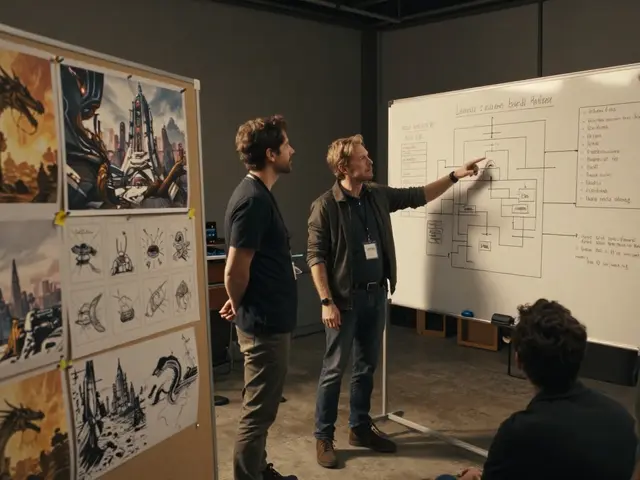
Think about the last time you sat through a sequel and felt like it actually belonged with the first movie. Not just a cash grab with the same actors and a bigger budget-but a real extension of the story. That doesn’t happen by accident. It takes planning, discipline, and often, a lot of failed attempts. Filmmakers don’t just wing it when they make a sequel. They’re building something that lasts, and that means thinking years ahead-even if the first movie barely broke even.
Start with a story that can grow
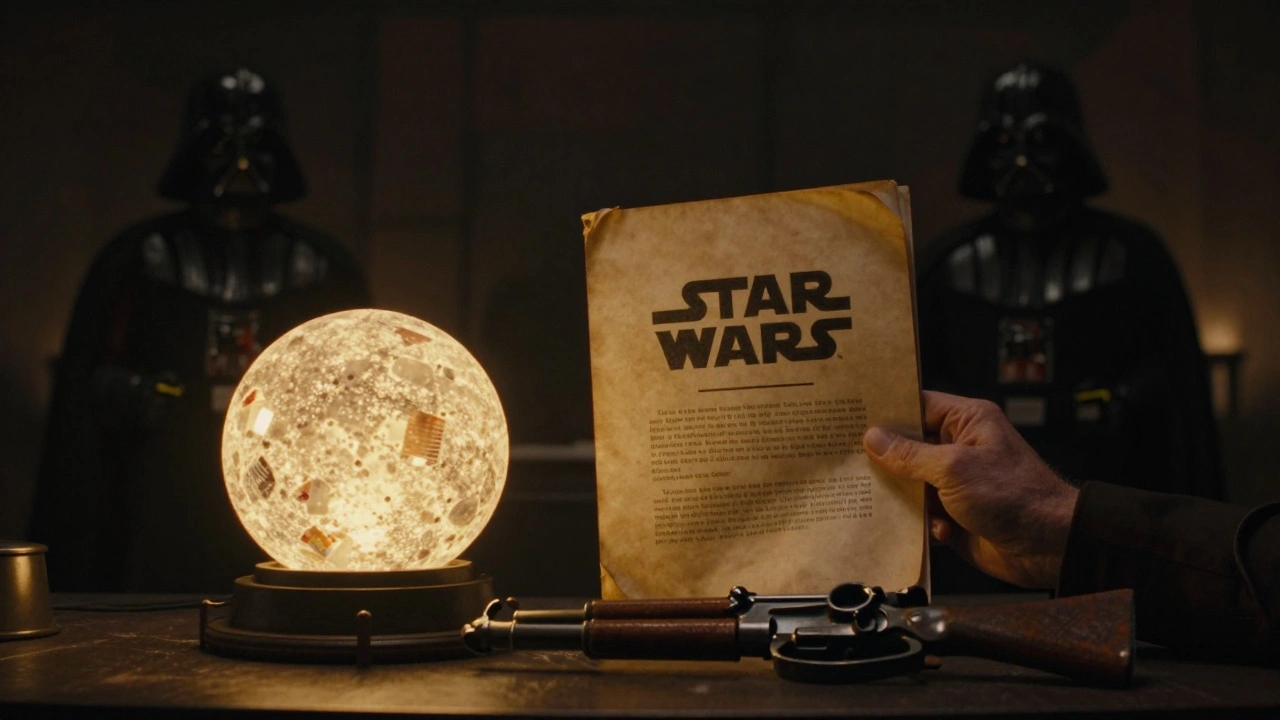
Not every movie is meant to become a franchise. Some stories are self-contained: a single journey, one character arc, a clear ending. But the ones that spawn sequels? They’re built with room to breathe. Think of Star Wars. George Lucas didn’t just make a space adventure-he created a galaxy with history, politics, and hidden lore. The first film worked because it felt like a glimpse into something bigger. That’s the trick: leave questions unanswered on purpose. Who is the mysterious mentor? What happened to the Empire after the battle? How did the protagonist’s family really die? These aren’t just plot holes-they’re hooks.James Cameron’s Aliens didn’t just follow Alien. It answered the question: What if you went back to that planet with a whole squad? It expanded the world without retreading the same ground. The original was horror. The sequel was war. Same universe, different tone, deeper stakes. That’s how you keep audiences hooked across multiple films.
Characters must evolve, not repeat
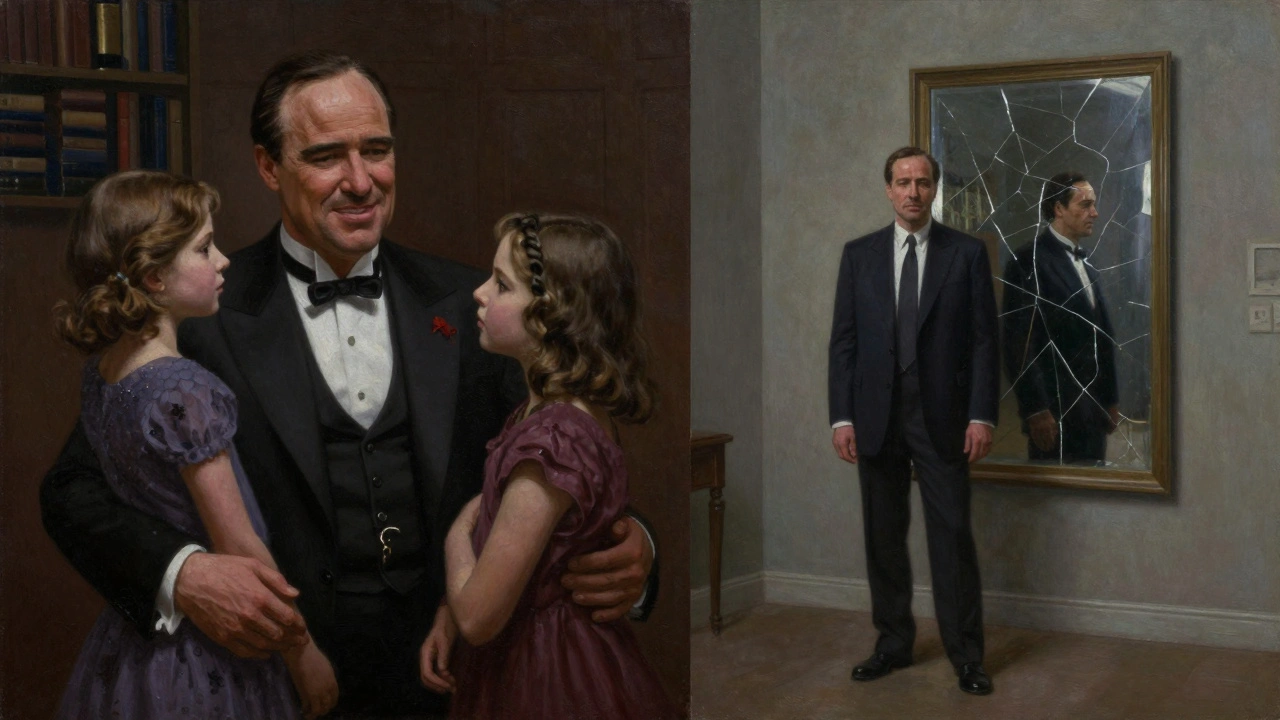
One of the biggest mistakes in sequels is making characters do the same thing again. Think of early Fast & Furious movies. The first one was about street racing and family loyalty. The sequels turned into international spy thrillers with cars jumping between skyscrapers. The characters didn’t grow-they just got more exaggerated. Audiences notice when the soul of a character disappears.Compare that to The Godfather Part II. Michael Corleone didn’t just become more powerful-he became more isolated. His choices in the first film led to his emotional death in the second. The story didn’t just continue; it deepened. That’s why it’s considered one of the greatest sequels ever. The character’s arc didn’t stop at the end of the first movie. It kept going, and the audience was forced to watch him unravel.
Successful franchises know this: you can’t just give the hero a new villain. You have to give them a new version of themselves.
World-building isn’t just about sets and costumes
People think expanding a universe means adding more locations, aliens, or magic systems. But real world-building happens in the small details. The way people talk. The rules of the society. The history behind the weapons. The music that plays in the background.In the Marvel Cinematic Universe, the Tesseract isn’t just a glowing cube. It’s tied to Asgardian history, S.H.I.E.L.D. experiments, and the origins of the Avengers. It shows up in Thor, Captain America, and Avengers-each time with new meaning. That’s not random. It’s intentional. Every object, every line of dialogue, every background character adds weight to the world.
Compare that to Transformers: Revenge of the Fallen. The plot felt like a checklist: new robot, new city, new explosion. There was no sense of history, no rules, no stakes beyond "save Earth again." The world didn’t feel alive-it felt rented.
Use callbacks, not just cameos
Cameos are easy. A familiar face pops up for five seconds, the crowd cheers, and the movie moves on. But callbacks? Those are powerful. They tie the past to the present in a way that feels earned.In Star Wars: The Force Awakens, Han Solo doesn’t just appear-he’s haunted by his past. He’s older, tired, and carrying guilt. When he says, "Chewie, we’re home," it lands because you remember the first movie. You remember him as a selfish smuggler who became a hero. That line isn’t nostalgia-it’s closure.
Compare that to Ghostbusters: Afterlife. It didn’t just bring back the original cast. It showed how their legacy lived on through a new generation. The old equipment was rusted. The ghost trap was buried in a farm. The humor was still there, but the tone had changed. The film didn’t rely on the past-it honored it.
Sequels need their own identity
Too many franchises treat sequels like bonus episodes of a TV show. They copy the first film’s structure, tone, and pacing. But audiences don’t want the same thing twice. They want to see how the world changed because of what happened before.The Dark Knight didn’t copy Batman Begins. It took the origin story and turned it into a crime epic. The Joker wasn’t just another villain-he was chaos made flesh. The movie wasn’t about Batman winning. It was about what happens when you fight evil without rules. That’s why it’s still talked about 15 years later.
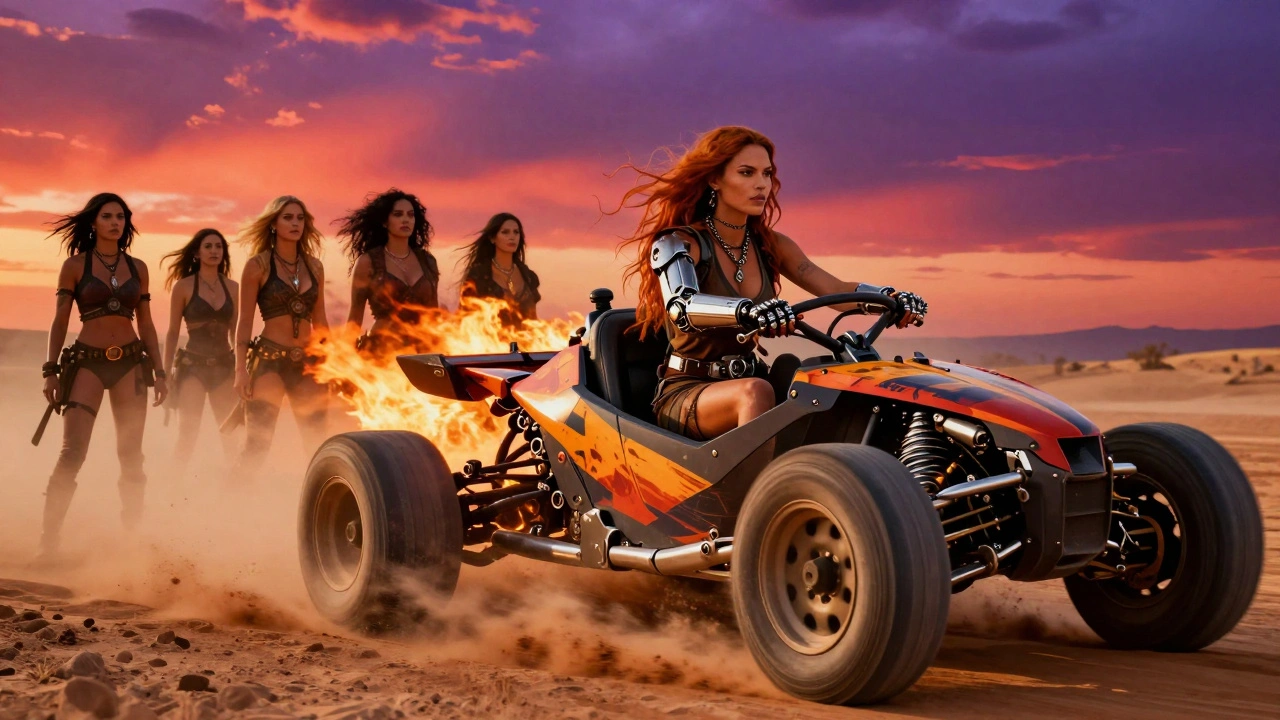
Even Mad Max: Fury Road-a sequel made 30 years after the last one-felt completely fresh. It didn’t rehash the desert chases. It turned them into a feminist allegory wrapped in high-octane action. The world had changed. So had the characters. And so did the story.
Failures teach more than successes
Not every sequel works. And that’s okay. The best filmmakers learn from the ones that flop.Spider-Man 3 tried to do too much: two villains, a black suit, a love triangle, a musical number. It felt like a studio checklist. Audiences didn’t feel connected-they felt overwhelmed. The lesson? Less is more. Focus on one emotional core.
Meanwhile, Avengers: Endgame succeeded because it didn’t just end a story-it honored every moment that came before. Every character’s arc from the last 11 years had a payoff. The movie didn’t just bring back heroes. It gave them closure. That’s why it broke records.
Franchises are marathons, not sprints
Making a successful franchise isn’t about releasing a sequel every year. It’s about patience. The Lord of the Rings took 17 years from the first book to the last film. Terminator went 25 years between its most impactful entries. The best filmmakers know: you can’t force it.Some franchises die because they keep going too long. Others die because they stop too soon. The key is knowing when to pause. When to let the world rest. When to let the characters breathe.
Look at John Wick. Four films in eight years. Each one raised the stakes, but never lost the tone. Each one added a new layer to the world-the High Table, the Continental, the rules of the assassin code. It didn’t need to be bigger. It needed to be deeper.
What makes a sequel feel right?
There’s no formula. But there are signs. When a sequel feels like the natural next chapter-not a marketing campaign-it works. When characters change. When the world expands. When the stakes feel real. When the audience doesn’t just recognize the names-they care about what happens next.It’s not about the money. It’s about trust. The audience trusted you with the first story. Now, you owe them a second one that’s just as meaningful.
Why do some sequels feel forced while others feel natural?
Forced sequels usually try to replicate the first film’s success without adding anything new. They rely on nostalgia, big explosions, or celebrity cameos. Natural sequels build on what came before-deepening characters, expanding the world, or changing the stakes. The difference is emotional truth. If the story feels like it’s still growing, the audience stays with it.
Can a sequel be better than the original?
Yes, and it happens more often than people admit. The Godfather Part II, The Dark Knight, and Mad Max: Fury Road are all widely considered better than their predecessors. They didn’t just match the original-they improved on it by taking risks, deepening themes, or refining the storytelling. The original sets the foundation. The sequel can build a better house.
Do you need a big budget to make a successful sequel?
No. Budgets help with spectacle, but not with story. Paranormal Activity made $193 million on a $15,000 budget. John Wick didn’t need CGI armies-it needed tight choreography and emotional stakes. What matters is clarity of vision. A small film with a strong narrative thread can outlast a $200 million franchise that forgets why people loved the first one.
How do filmmakers plan sequels before the first movie even releases?
Some do. James Cameron wrote the ending of Aliens while making Alien. The Russo brothers mapped out the entire Marvel timeline before Captain America: The Winter Soldier came out. They leave clues-lines of dialogue, visual motifs, character arcs-that can be picked up later. It’s like planting seeds. You don’t need a full script for the sequel-you just need to know where the story could go.
What’s the biggest mistake filmmakers make when creating sequels?
The biggest mistake is treating sequels like products instead of stories. When studios prioritize box office numbers over character development, the result feels hollow. Audiences can tell when a movie is made to sell toys or merchandise instead of to move them emotionally. The best sequels don’t ask, "How much can we make?" They ask, "What happens next-and why does it matter?"
If you’re watching a sequel and you’re not thinking about what comes after it, then the filmmakers didn’t do their job. Great stories don’t end-they just pause. And the best filmmakers know how to make you wait for the next chapter.




Comments(11)