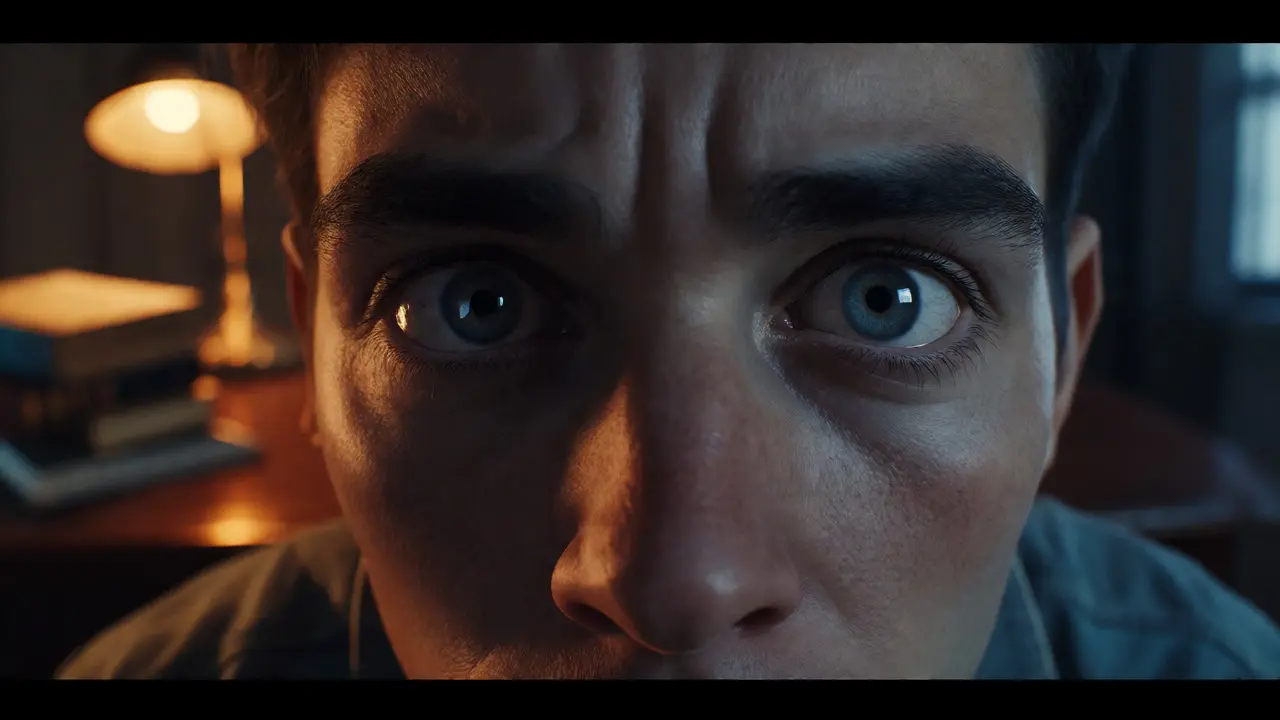
You’ve read the book. You love the protagonist’s inner world-their sarcasm, their fears, the way they see the universe through a very specific, biased lens. Then you watch the movie, and suddenly that intimate connection is gone. The character feels flat, distant, or worse, unrecognizable. What happened? Usually, it’s because the Point of View (POV) shifted from first-person to third-person without a proper translation strategy.
Adapting a First-Person Novel into visual media is one of the trickiest jobs in screenwriting. In literature, "I" is powerful. It gives you direct access to thoughts, memories, and unreliable perceptions. In film and TV, "I" is awkward. We rarely hear characters narrate their own lives unless we’re doing something experimental like Fight Club or American Psycho. Most adaptations drop the "I" entirely. They switch to a Third-Person Limited perspective, showing us what the protagonist sees but hiding their internal monologue behind facial expressions and dialogue.
This shift isn’t just a technicality; it changes the entire emotional contract with the audience. If you’re writing an adaptation, or just curious why your favorite book-to-screen transition felt off, understanding how to handle this POV shift is crucial. Let’s break down exactly how writers bridge the gap between internal thought and external action.
The Problem With Keeping the "I"
Why don’t movies just keep the first-person narration? Sometimes they do, but it’s risky. When a character talks directly to the camera or provides constant voiceover, it can feel gimmicky. It creates a barrier between the viewer and the other characters. If the protagonist is always explaining their feelings, we stop watching them act and start listening to them explain.
Consider the difference between reading a thriller where the narrator says, "I knew he was lying," versus seeing a detective squint at a suspect. The book tells you the conclusion; the film lets you deduce it. This active participation is what makes visual storytelling engaging. But removing the "I" means losing the immediate access to the protagonist’s psyche. That’s the core challenge: how do you show what someone is thinking without having them say it?
Writers solve this by converting internal states into external behaviors. A nervous character doesn’t say, "I am terrified." They pick at their cuticles, check their phone repeatedly, or speak too fast. This process, often called "externalizing the internal," requires a deep understanding of human behavior. You have to ask: if this character couldn’t tell me their feeling, what would I see them do?
Techniques for Translating Internal Monologue
Once you accept that the literal first-person voice usually goes away, you need tools to preserve the essence of the protagonist’s mind. Here are three common strategies used in successful adaptations.
- Visual Subjectivity: Use camera angles and editing to mimic the protagonist’s perception. If a character is paranoid, use shaky cam, tight close-ups, or distorted sound design. The audience experiences the world as the character does, even if they aren’t hearing the character’s thoughts. Think of the disorienting sequences in Birdman or the subjective horror in Hereditary.
- Dialogue Subtext: Rewrite dialogue so that what is said reveals what is unsaid. In a first-person book, the narrator might explain their hidden motive. In a script, another character might misinterpret the protagonist, forcing the protagonist to react in a way that reveals their true intent. This creates dramatic irony-we know more than the other characters on screen, mimicking the intimacy of reading a diary.
- Selective Voiceover: Don’t use voiceover for exposition. Save it for moments where the visual alone fails to convey complex internal conflict. Even then, keep it sparse. A single line of narration at the beginning or end of a scene can frame the action without dominating it. This technique works well in noir films or literary dramas where the tone is reflective rather than action-driven.
Handling Unreliable Narrators
Many first-person novels feature Unreliable Narrators who lie to themselves or the reader. Adapting these is particularly hard because the audience needs to realize the narrator is wrong, but the visuals often present things as objective truth. If the narrator says, "She looked happy," but the actress looks sad, who is right?
In literature, the text is the truth until proven otherwise. In film, the image is usually treated as reality. To adapt an unreliable narrator, you have to break the visual language. Show us two versions of a scene, or use color grading to signal memory versus reality. For example, in Gone Girl, the shift in perspective mid-film recontextualizes everything we saw earlier. This structural trick works because the audience trusts the first half, only to have the rug pulled out later.
Another approach is to let the audience be smarter than the protagonist. If the narrator insists they are charming, but everyone else cringes, the comedy comes from the gap between their self-perception and reality. This requires precise casting and direction. The actor must play the delusion, not the truth.
Case Studies: Successes and Failures
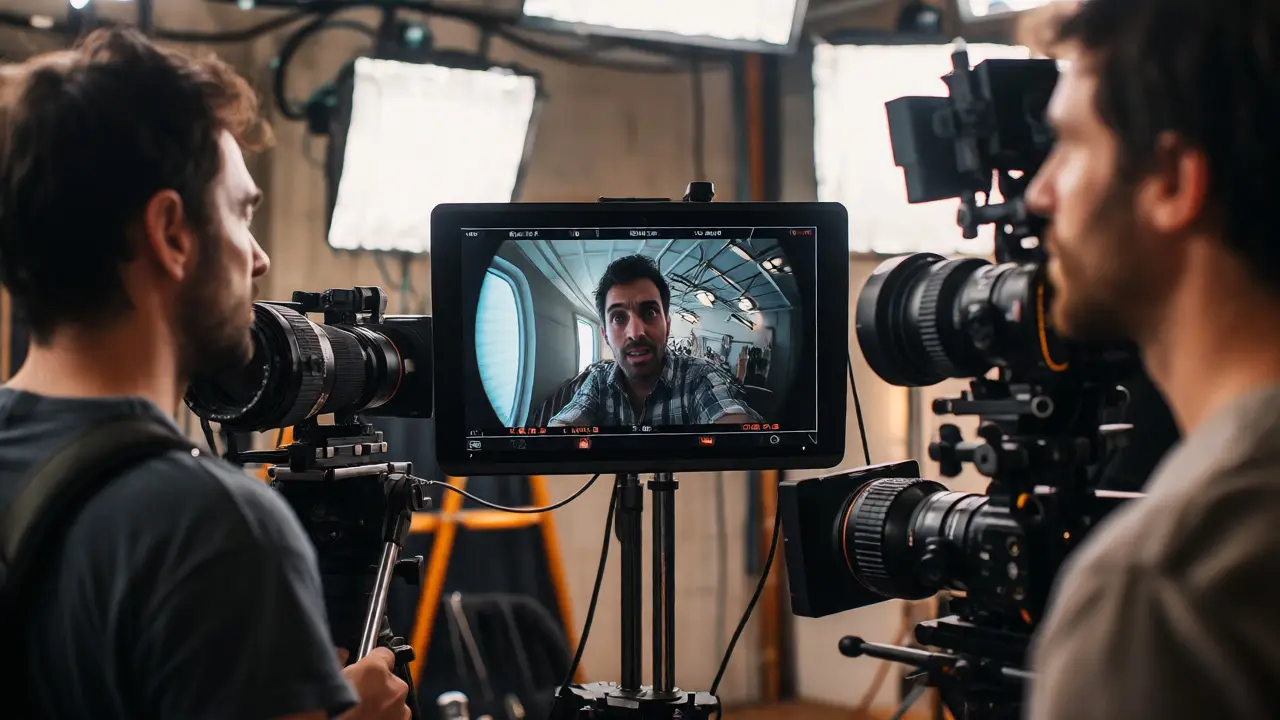
Let’s look at how different projects handled this shift. The Great Gatsby is a classic example. Nick Carraway is the narrator, but the film focuses heavily on Gatsby’s actions. The voiceover remains, but it serves as a framing device rather than a constant commentary. This works because Gatsby is mysterious; we need Nick to interpret him for us. Without Nick’s perspective, Gatsby might just seem like a rich guy throwing parties.
Contrast this with The Perks of Being a Wallflower. The source material is epistolary-letters written in first person. The film keeps some voiceover, but it leans heavily on Charlie’s facial expressions and his interactions with Sam and Patrick. The intimacy is preserved through close-up shots and quiet moments, allowing the audience to feel Charlie’s isolation without him constantly stating it.
On the flip side, consider poorly adapted YA novels where the protagonist’s internal snark is lost. If the character thinks, "He’s such an idiot," but the movie just shows them staring blankly, the personality evaporates. The fix isn’t necessarily adding voiceover; it’s giving the character witty lines that reveal their attitude. Make them say something sarcastic to a friend instead of thinking it silently.
The Impact on Audience Empathy
Shifting POV changes how much we empathize with the protagonist. In first-person books, we are trapped in their head. We forgive their flaws because we understand their reasons. In third-person films, we judge them based on their actions. This can make protagonists seem colder or more ambiguous.
To counteract this, adapters often amplify the stakes. If the internal motivation is less clear, the external consequences must be higher. Or, they introduce a confidant character-a friend or therapist-who the protagonist can talk to. This allows for expository dialogue that feels natural. Instead of saying, "I’m afraid of commitment," the character might argue with a partner about why they won’t move in together. The fear is shown through resistance, not stated as fact.
It’s also worth noting that some genres handle this better than others. Horror thrives on limited perspective. We see what the victim sees, which builds tension. Romance suffers more because love is largely internal. How do you show falling in love without telling us? Through lingering glances, accidental touches, and the way the lighting softens when the couple is together. These visual cues replace the romantic prose.
Checklist for Writers Adapting POV
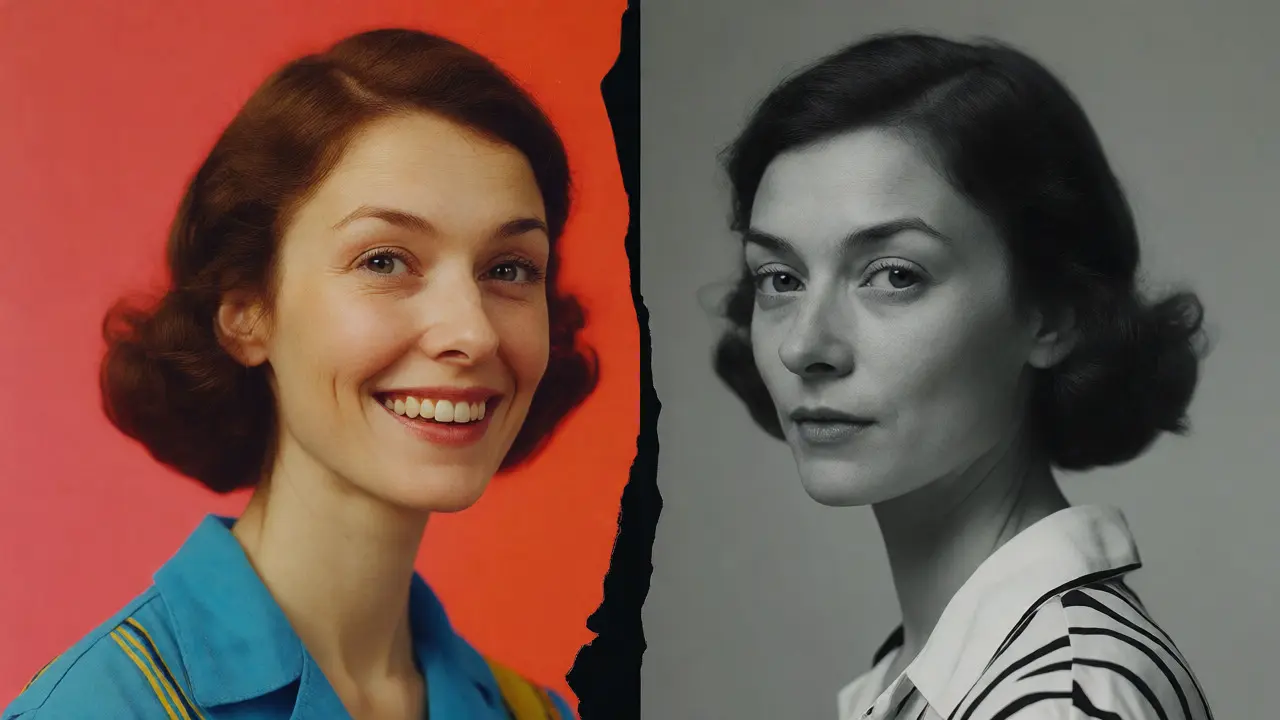
If you’re tackling a first-person adaptation, run your script through this checklist to ensure you haven’t lost the soul of the original work.
| Element | Book (First-Person) | Film (Third-Person Adaptation) | Action Item |
|---|---|---|---|
| Internal Thoughts | Explicit statements | Implicit via behavior | Convert thoughts to actions or subtext. |
| Narrator Bias | Clear bias in text | Subjective camera/sound | Use visual/audio cues to show bias. |
| Pacing | Controlled by reflection | Controlled by scene cuts | Ensure scenes advance plot, not just mood. |
| Other Characters | Seen through narrator's eyes | Independent agency | Give secondary characters their own motives. |
Remember, the goal isn’t to replicate the book exactly. It’s to evoke the same emotional response using a different medium. Sometimes, dropping the first-person constraint actually strengthens the story by forcing the writer to find stronger visual metaphors.
Final Thoughts on Narrative Freedom
Adapting a first-person novel is an exercise in trust. You have to trust the audience to read faces, to infer motives, and to sit with ambiguity. You also have to trust your actors to convey depth without dialogue. When done right, the shift from "I" to "they" doesn’t diminish the story; it expands it. It turns a private diary entry into a shared public experience.
So next time you watch an adaptation and miss the narrator’s voice, look closer. See if the director replaced words with images. Did the camera angle change to match the character’s anxiety? Did a silence speak louder than a paragraph of explanation? Often, the missing voice is still there, just speaking a different language.
Is voiceover bad for first-person adaptations?
Not necessarily, but overusing it is. Voiceover should be used sparingly to establish tone or provide context that visuals cannot convey. Relying on it for every plot point makes the film feel lazy and prevents the audience from engaging visually with the story.
How do you show an unreliable narrator in film?
You can use visual discrepancies, such as showing a scene from the narrator's biased perspective and then revealing the objective truth later. Other techniques include using distorted sound, unusual color grading, or having other characters contradict the narrator's claims.
Can a movie stay in first-person POV?
Yes, but it is rare. Films like Adaptation or Peep Show (TV) use first-person perspectives effectively. However, maintaining this throughout a feature-length film can become exhausting for viewers and limits the ability to show simultaneous events happening elsewhere.
What is the biggest mistake in adapting first-person novels?
The biggest mistake is trying to translate every internal thought into dialogue or voiceover. This results in clunky, unnatural speech. Successful adaptations externalize emotions through action, expression, and cinematography, trusting the audience to infer the internal state.
Does shifting POV change the genre of the story?
It can. First-person thrillers rely on the narrator's limited knowledge for suspense. Shifting to third-person omniscient can reduce suspense by revealing information the protagonist doesn't have yet. Adapters must carefully manage information flow to maintain the intended genre effects.


Comments(10)