How Independent Films Found Their Audience in 2024-2025
Most indie films never make it past film festivals. But in 2024 and 2025, a handful broke through-not by luck, but by smart, deliberate distribution moves. These weren’t big studios with million-dollar marketing budgets. These were small teams, often just the director and a producer, working out of garages or co-working spaces in places like Austin, Brooklyn, and Asheville. They didn’t wait for a distributor to pick them up. They built their own paths. And it worked.
The Power of Niche Targeting: “The Last Light”
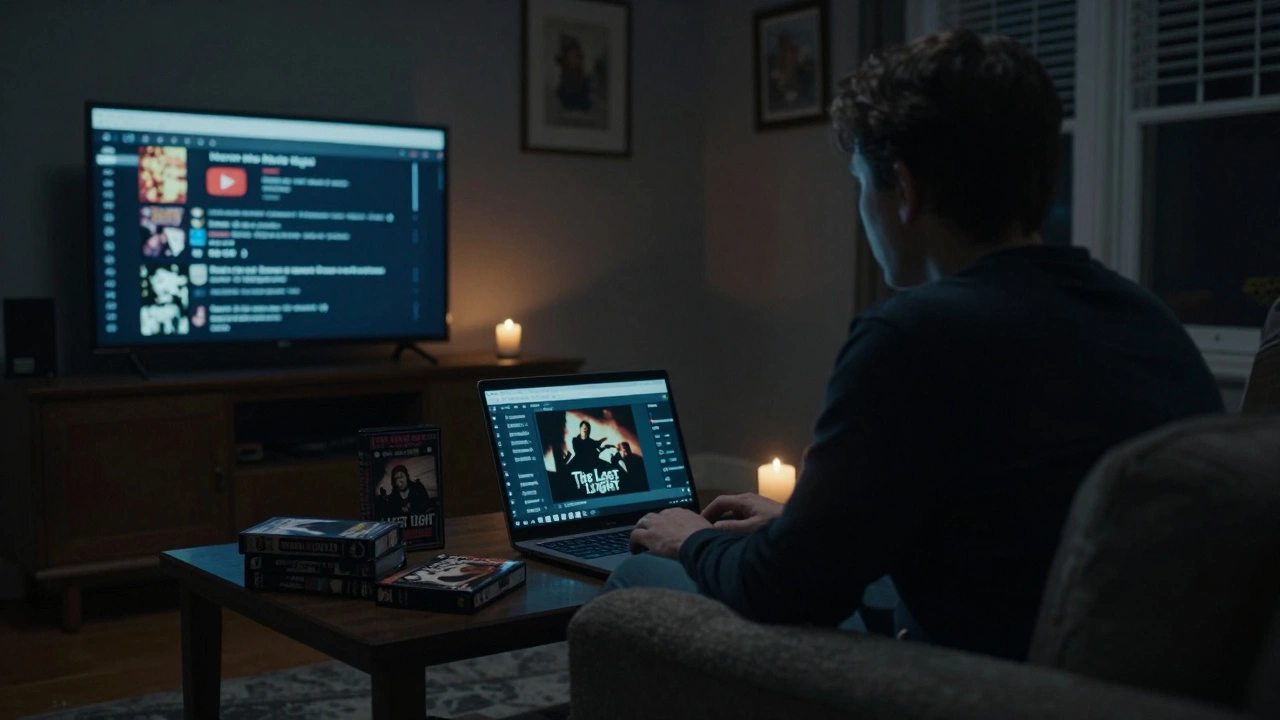
“The Last Light,” a quiet horror film shot in rural Maine on a $42,000 budget, didn’t screen at Sundance. It didn’t even get into SXSW. But it made $1.2 million in under six months. How? It targeted one group: fans of slow-burn, atmospheric horror who follow niche YouTube reviewers like Horror Movie Night and The Midnight Watch.
The filmmakers bought targeted ads on YouTube and Instagram, focusing on people who had watched similar films like The Lighthouse and Hereditary. They partnered with three small horror podcasts for exclusive Q&As. They released a free 15-minute behind-the-scenes doc on Vimeo, gated behind an email signup. That built a list of 18,000 people. When the film dropped on VOD platforms, 62% of first-week sales came from that list. No traditional press. No billboard campaigns. Just a tight audience and the right message.
Going Direct: “Cassette” and the Rise of Self-Distribution
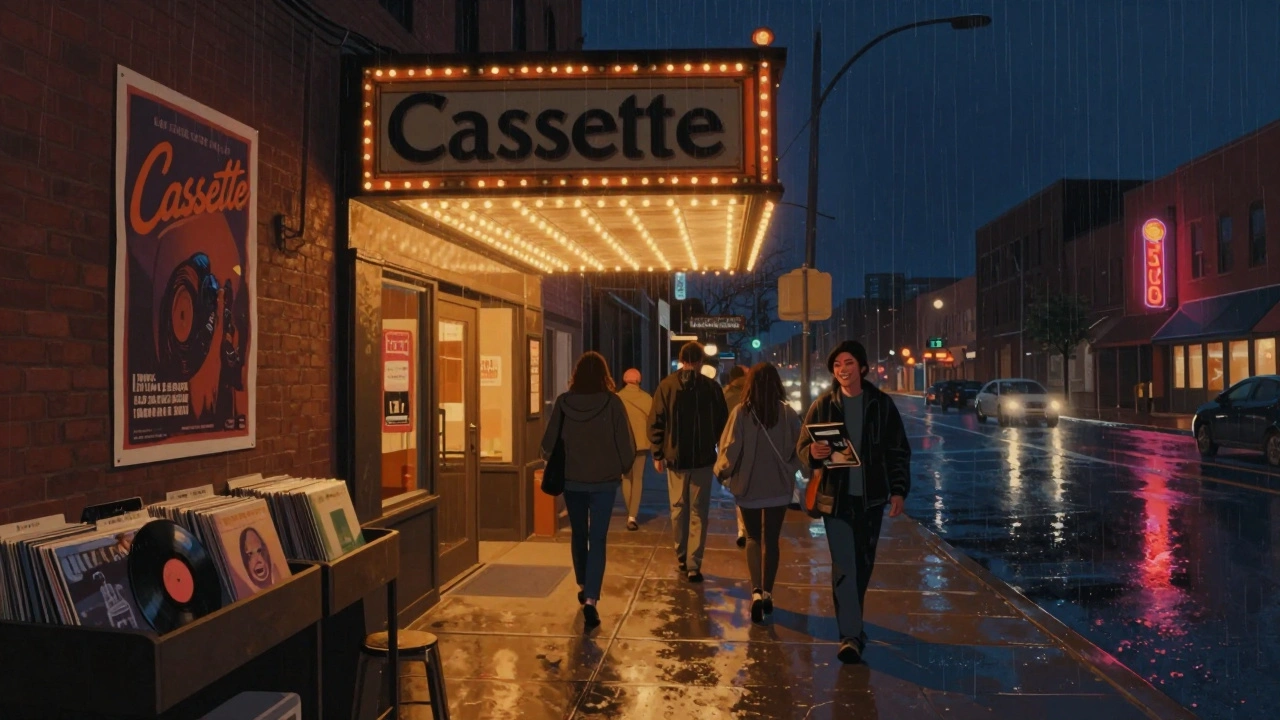
“Cassette,” a coming-of-age drama about a teen in Detroit who discovers her late father’s vinyl collection, was picked up by a distributor-but only for streaming rights. The filmmakers kept theatrical rights. So they rented out 47 independent theaters across 23 states for one-night events. Each screening was tied to a local record store hosting a listening party afterward.
They didn’t pay for ads. They handed out flyers at vinyl shops, community centers, and college campuses. They worked with local musicians to play sets before each show. In Kansas City, the screening sold out. In Boise, they made $1,800 in ticket sales and sold 73 vinyl copies of the film’s original soundtrack. The total gross from these events: $217,000. The distributor never saw that number. The filmmakers did.
Streaming Isn’t the Only Way: “Rust Belt Requiem” and Theatrical Windowing
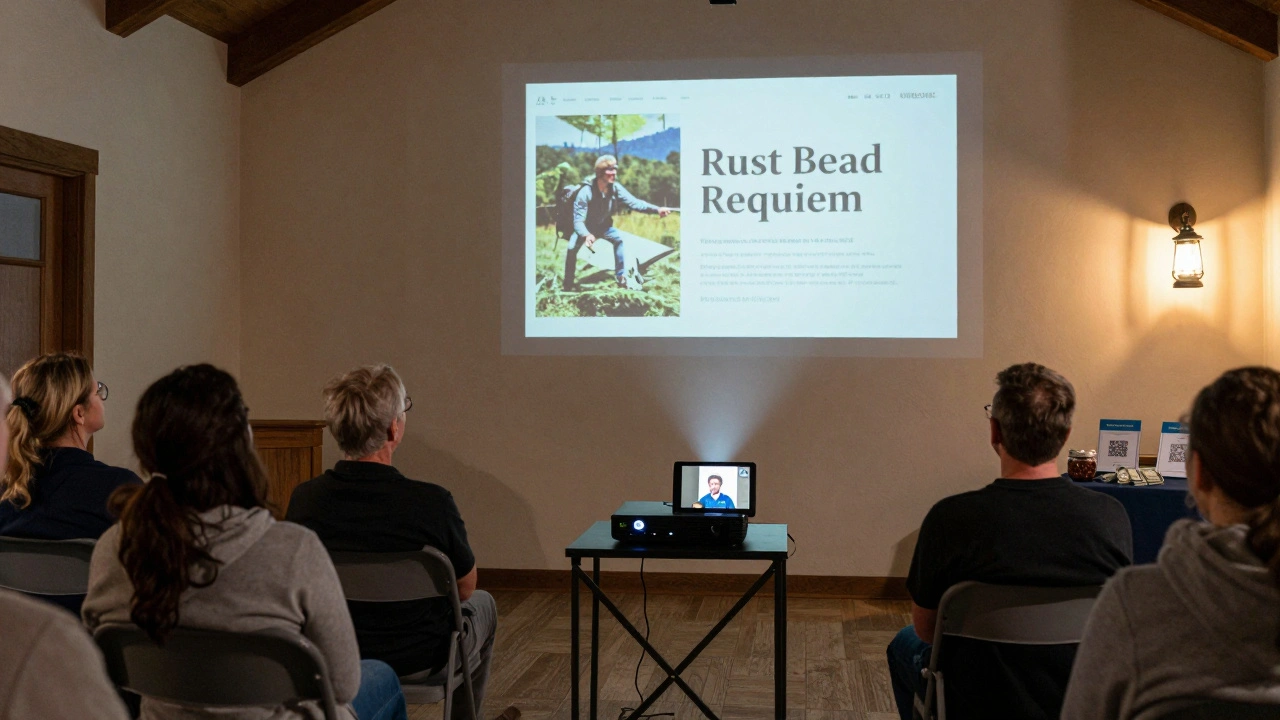
“Rust Belt Requiem,” a documentary about coal miners’ families in West Virginia, had a different strategy. It didn’t go to Netflix. It didn’t go to Hulu. Instead, it partnered with DocYard, a nonprofit that screens documentaries in small towns without theaters. They sent a portable screen, projector, and sound system to 87 libraries, churches, and VFW halls.
Each screening was followed by a live Zoom Q&A with the director and two of the subjects. They collected donations on-site-$5-$15 per person-and offered a digital download code for those who gave. Over six months, they screened it 112 times. They raised $148,000. That’s more than most docs make on streaming platforms in a year. And they kept 92% of every dollar.
The Algorithm Didn’t Help: “Paper Birds” and the Human Touch
“Paper Birds,” a tender story about two sisters running a failing bookstore in Ohio, got rejected by every festival. So the director, a former librarian, started a blog. She wrote weekly posts about books her characters would’ve loved, shared photos of the real bookstore that inspired the film, and interviewed real small-town librarians.
She didn’t post on TikTok. She didn’t chase trends. She built a community. After six months, she had 22,000 readers. When she launched a Kickstarter to fund a limited DVD run with signed booklets, she hit her $50,000 goal in 11 days. She sold 1,800 copies. Each one came with a handwritten thank-you note. People didn’t buy the film because it was trending. They bought it because they felt like they knew the people behind it.
Why These Strategies Worked When Others Failed
There’s a myth that indie films need big platforms to survive. That’s not true anymore. What these films had in common:
- They knew their audience down to the detail-not just age or location, but what they read, listened to, and cared about.
- They owned their channels-email lists, direct sales, community events-instead of relying on algorithms or third-party platforms.
- They turned viewers into participants-not just watchers, but people who showed up, donated, shared, and felt part of something.
- They didn’t try to be everything to everyone-they doubled down on what made them unique and let that be enough.
One filmmaker told me: “We didn’t want to be on Netflix. We wanted to be in someone’s living room, on their shelf, next to their favorite book.” That’s the new goal.
What to Avoid in 2025
Not every indie film needs to do all of this. But here’s what still kills chances:
- Waiting for a distributor-most won’t pick you up unless you’ve already proven you can move people.
- Spending money on ads you can’t track-if you don’t know who clicked, who bought, or why, you’re just throwing cash into the wind.
- Trying to go viral-viral doesn’t mean sustainable. A 24-hour spike won’t pay your rent.
- Ignoring your local community-your neighbors, your town, your city are your first audience. Don’t treat them like an afterthought.
Tools That Made a Difference
These weren’t fancy tools. Just the right ones used well:
- Vimeo On Demand-for direct sales with no platform cut on the first $5,000 per film.
- Kickstarter-for pre-sales, community building, and proving demand before launch.
- Mailchimp-for email lists that actually open (open rates above 45% in these cases).
- Eventbrite-for organizing local screenings and collecting attendee data.
- Canva-for designing flyers, posters, and social posts without hiring a designer.
Where Do You Go From Here?
If you made a film in 2024 or 2025 and you’re wondering how to release it, start here:
- Identify your 100 most passionate viewers. Who are they? Where do they hang out online and offline?
- Build one direct channel-email list, Instagram page, or newsletter-and fill it with value, not just promotion.
- Plan one real-world event: a screening, a Q&A, a book club, a listening party. Make it personal.
- Offer something tangible-a signed poster, a soundtrack, a limited edition booklet. People pay for meaning, not just content.
- Track everything. Know where your money comes from. Don’t guess.
You don’t need a studio. You don’t need a PR firm. You just need to know who you’re making the film for-and then show up for them.
Can indie films make money without streaming deals?
Yes. Films like “The Last Light” and “Cassette” made over $1 million without any streaming deals. They earned through direct sales, limited theatrical runs, and community events. Streaming platforms take 30-50% of revenue. Direct distribution lets filmmakers keep 80-95%. The key is building a loyal audience and selling directly to them.
Is it worth doing a physical DVD release in 2025?
For niche films, yes. “Paper Birds” sold 1,800 signed DVDs with handwritten notes and made $50,000. People aren’t buying DVDs to watch them-they’re buying them as collectibles, gifts, or keepsakes. If your film has emotional weight, artistry, or a strong story, a physical product adds value. Use print-on-demand services like Disc Makers or Vat19 to avoid upfront inventory costs.
How do I find my audience if I’m not on social media?
You don’t need to be on every platform. Start with where your audience already is. If your film is about rural life, check local Facebook groups, library newsletters, or community radio stations. If it’s about music, reach out to indie podcasters. If it’s about history, contact local historical societies. Real connections happen offline and in small online spaces-not in viral trends.
What’s the minimum budget needed for self-distribution?
You can start with under $2,000. That covers a Vimeo On Demand setup, a basic website (using Squarespace or Carrd), 500 printed flyers, and a few targeted Facebook ads. The biggest cost isn’t money-it’s time. You’ll need to spend 10-20 hours a week building relationships, managing emails, and organizing events. If you’re willing to put in the work, you don’t need a big budget.
Should I submit to film festivals if I’m self-distributing?
Only if you’re using them as a tool, not a goal. Festivals can give you credibility and help you meet distributors, but they rarely lead to sales. Use them to build press, connect with audiences, and gather testimonials. Don’t spend $1,000 on a submission fee unless you plan to screen the film locally afterward and use the festival as a launchpad.
How long does it take to see results from self-distribution?
Most successful films took 6 to 12 months to build momentum. “Cassette” spent four months building its email list before launching. “Rust Belt Requiem” ran 112 screenings over six months. There’s no overnight success. The payoff comes from consistency-showing up, staying in touch, and delivering value over time.



Comments(5)