There is a moment in every film production where the script stops being just words on a page. It happens during rehearsal. If you have ever stood in front of a cast and felt the energy drop because your instructions were vague, you know the risk. Rehearsal is the critical phase where directors establish the visual language and emotional truth of a scene before cameras roll. It is not just about blocking; it is about building a bridge between your internal vision and the actor’s external performance. Many directors treat rehearsal as a dry run, but that mindset kills creativity. When actors feel they are just memorizing lines, they play safe. To get raw, honest performances, you need to shift from commanding to collaborating. This article breaks down specific methods to create an environment where trust thrives and clarity reigns, ensuring your shoot day is efficient and your footage is compelling.
The Psychology of the Rehearsal Room
Before you talk about camera angles or line readings, you must address the power dynamic. Actors are often vulnerable when they first meet a director. They worry about being judged, over-directed, or losing their own interpretation. Your job is to dismantle that fear immediately.
Think of the rehearsal room as a laboratory, not a courtroom. In a laboratory, mistakes are data points. In a courtroom, mistakes are crimes. When you frame the process this way, actors take risks. They try weird things. They break character. This chaos is where the gold lives.
- Establish Safety: Start with non-performance exercises. Ask actors to share a memory related to the scene’s emotion. This builds rapport without the pressure of "performing."
- Define the Goal: Make it clear that there is no "wrong" answer yet. The goal is exploration, not perfection.
- Model Vulnerability: Share your own uncertainties. Saying "I’m not sure how this looks yet" invites them to help you solve the puzzle together.
Blocking with Purpose, Not Position
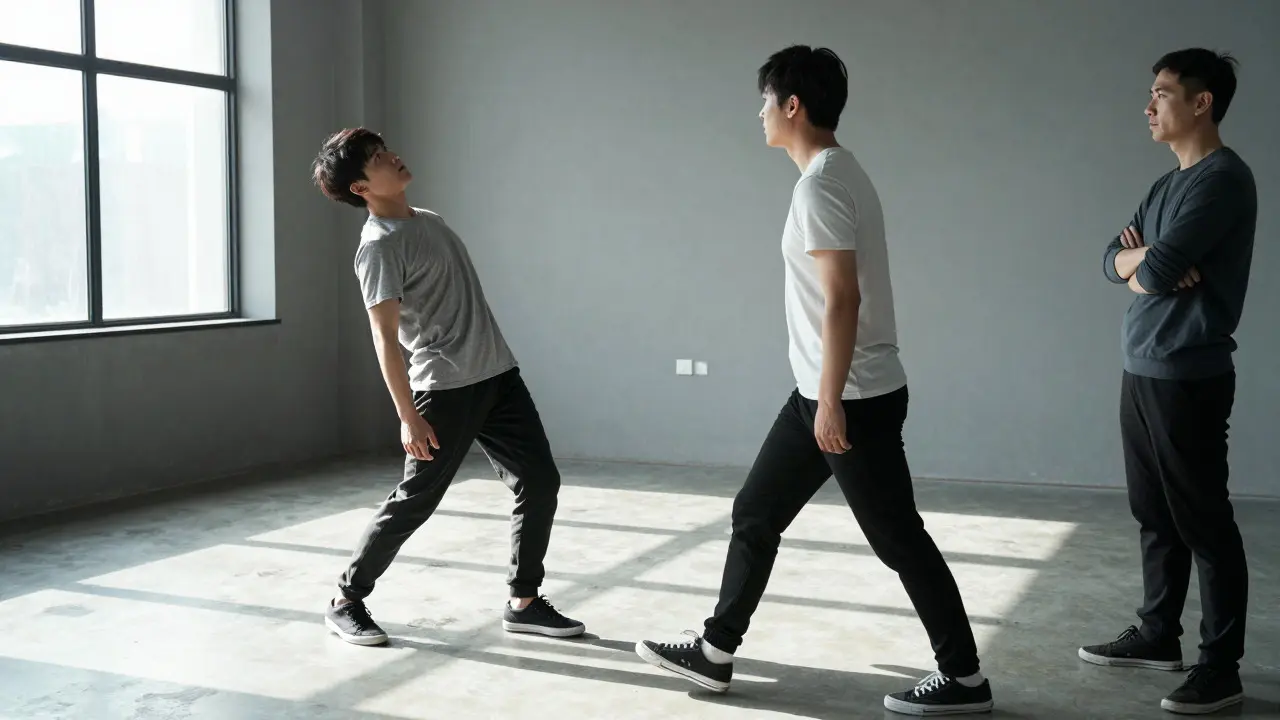
Blocking is the arrangement of actors' movements and positions within a scene to serve the narrative and visual composition. A common mistake is treating blocking like chess, moving pieces to look good in the frame. Instead, block based on objective and obstacle. Why does Character A move left? Are they avoiding eye contact? Are they trying to escape?
If the movement has no psychological reason, it will feel fake. When actors understand *why* they are moving, the physical action becomes part of the subtext. For example, if two characters are arguing, don't just say "stand here." Ask, "How close do you want to be to them? What distance makes you feel most threatened?" Let them find the space. Then, adjust for the lens only after the emotional logic is set.
Active Listening and Feedback Loops
Directors often talk too much. We explain our vision so thoroughly that we leave no room for the actor to breathe. Try the "listen-first" approach. After a take, stay silent for three seconds. Let the actor self-correct. Often, they know what didn’t work better than you do.
When you do give feedback, avoid abstract adjectives. Words like "more intense" or "softer" are subjective and confusing. Use concrete, sensory-based directions.
| Vague Direction | Concrete Alternative | Why It Works |
|---|---|---|
| "Play it sadder." | "Remember the last time you lost something you couldn't replace." | Connects to a specific memory, bypassing intellectual analysis. |
| "Be more angry." | "Punch through the word 'no.' Hit the air with your voice." | Gives a physical action that creates the emotion naturally. |
| "Relax." | "Drop your shoulders. Breathe out longer than you breathe in." | Addresses the body directly, which calms the mind. |
Building Trust Through Consistency
Trust is built in small moments, not grand speeches. It comes from consistency between what you say and what you do. If you tell an actor you value their intuition, but then override every suggestion they make, trust evaporates quickly.
One effective technique is the "Yes, And..." method borrowed from improv comedy. If an actor suggests a different entrance or tone, say "Yes," and add your constraint. "Yes, let's try that entrance, and see if we can make it quieter." This validates their idea while steering it toward your vision. It shows them that their input matters, even if the final result is slightly different.
Also, protect the quiet moments. Sometimes the best performance happens when you stop talking. Step back. Watch. Let the scene play out. Your presence should be supportive, not intrusive. Actors feed off the director's energy. If you are anxious, they will be anxious. If you are calm and curious, they will be brave.
Technical Integration Without Distraction
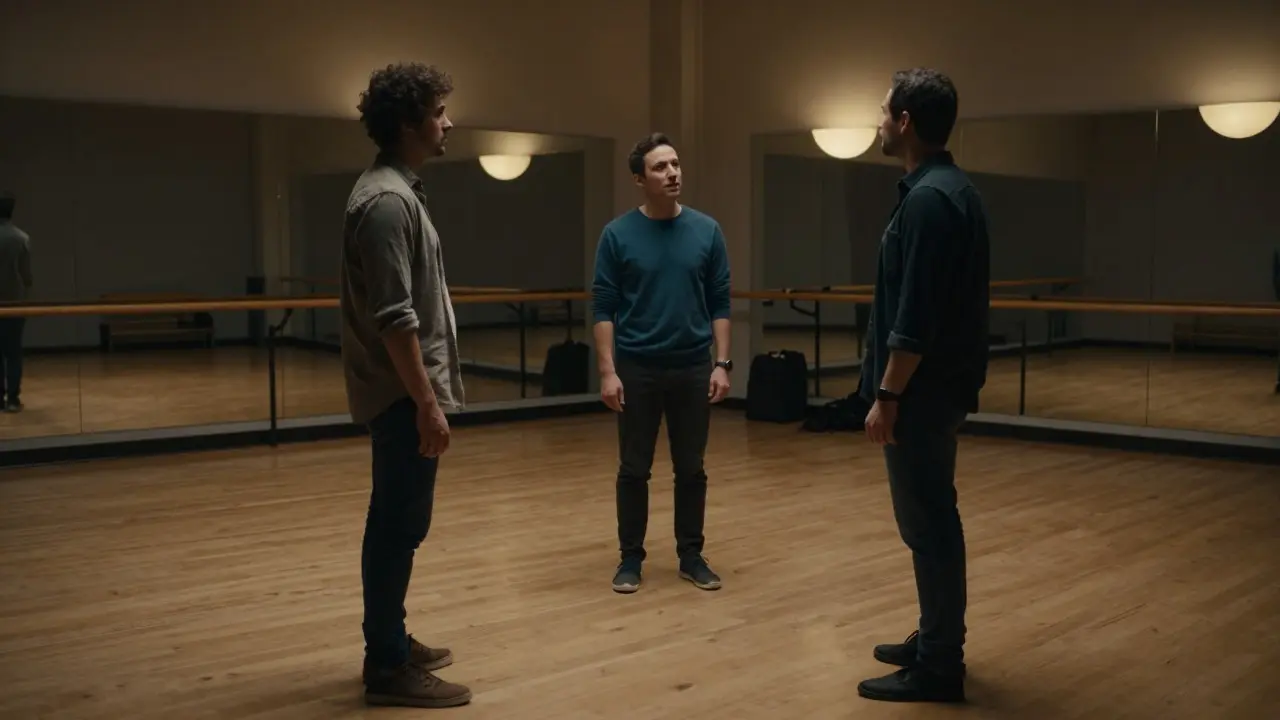
Introducing technical elements like lenses, lighting, or camera movement too early can confuse actors. They start thinking about hitting marks instead of feeling the emotion. Keep the first few rehearsals purely theatrical. No cameras. No lights. Just people and space.
Once the emotional core is solid, bring in the technology gradually. Show them how the wide lens changes their proximity. Explain why you are using a handheld camera (to create instability). When actors understand the *why* behind the technical choices, they adapt faster. For instance, if you use a long lens to compress space, explain that it makes the background feel closer, increasing tension. Suddenly, their awareness of the space expands.

Managing Time and Energy
Rehearsal schedules are tight. You might only have two days. How do you maximize impact? Prioritize complexity. Spend 80% of your time on scenes with high emotional stakes or complex blocking. Simple dialogue exchanges can be worked out on set.
Break the rehearsal into blocks:
- Cold Read (30 mins): Everyone reads the script aloud. Identify rhythm issues.
- Exploration (60 mins): Actors try different interpretations. Director observes.
- Shaping (45 mins): Director gives notes. Refine the chosen path.
- Run-Through (30 mins): Full scene, start to finish. Check timing and flow.
Frequently Asked Questions
How long should film rehearsals last?
It depends on the scale of the project, but for feature films, 1-2 weeks is standard for principal photography prep. For smaller projects, 2-3 days per major sequence is sufficient. The key is quality over quantity. Three focused hours are better than eight distracted ones.
Should I rehearse with the full crew present?
Generally, no. Early rehearsals should be intimate with just the director, actors, and perhaps the cinematographer. Having the full crew watching can make actors self-conscious. Introduce the crew later, once the scene feels comfortable and established.
What if an actor disagrees with my direction?
Listen first. Ask them why they prefer their version. Often, their instinct reveals a nuance you missed. If you still disagree, compromise. Find a middle ground that honors both visions. Disagreement is healthy if handled with respect.
How do I handle nervous actors during rehearsal?
Reduce the stakes. Tell them it's okay to mess up. Use humor to lighten the mood. Break the scene into smaller chunks. Nervousness often comes from the overwhelming size of the task. Small steps build confidence.
Is improvisation useful in film rehearsals?
Yes, but with boundaries. Improv helps actors discover natural reactions and dialogue rhythms. However, always return to the script. Use improv to find the truth, then shape it back into the written words. Don't let improv derail the narrative structure.