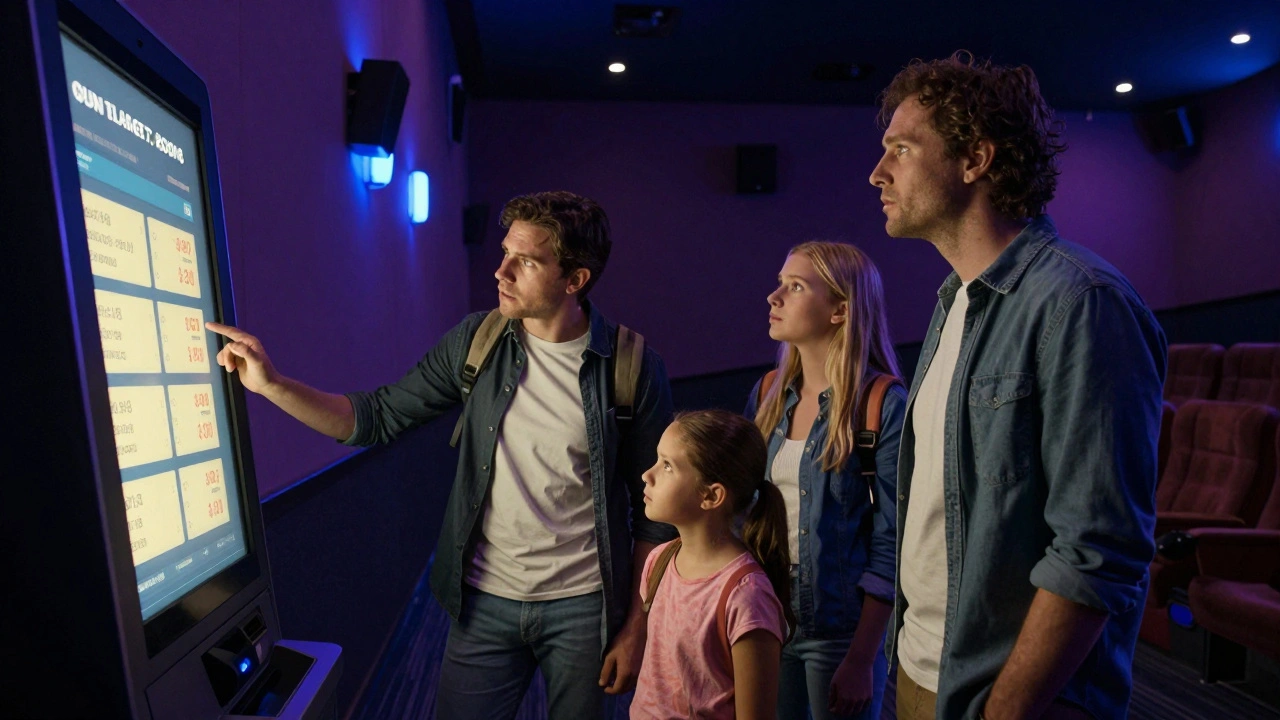
Have you ever walked into a theater, looked at the price on the screen, and decided to wait for streaming instead? You aren't alone. As of early 2026, the average ticket price in the United States has climbed past $13. That is a massive jump from the $8-$9 range we saw just five years ago. But here is the tricky part: higher prices don't always mean more money for studios. Sometimes, they mean fewer people in the seats.
We need to look at how ticket prices directly impact box office numbers. It isn't just about adding up the cash register totals. It’s about understanding the delicate balance between cost and demand. When prices rise faster than wages, audiences change their habits. They stop going to see every blockbuster. They pick only the ones that feel like an event. This shift changes everything for filmmakers, distributors, and theater owners.
The Math Behind the Money
Let’s break down the basic equation. Box office gross equals the number of tickets sold multiplied by the average ticket price. If you sell 100 tickets at $10, you make $1,000. If you raise the price to $20 but only sell 40 tickets, you make $800. On paper, the first scenario looks worse per person, but the total revenue is lower in the second case because the drop in attendance was too steep.
This concept is known as price elasticity of demand. For most goods, if you raise the price, people buy less. Movies are special because they are an experience. But even experiences have a limit. When the cost of a family outing hits $70 or $80, many parents start saying "no." Studios rely on volume. They need millions of bodies in seats to recoup the $200 million budgets common today. If high prices kill that volume, the math stops working.
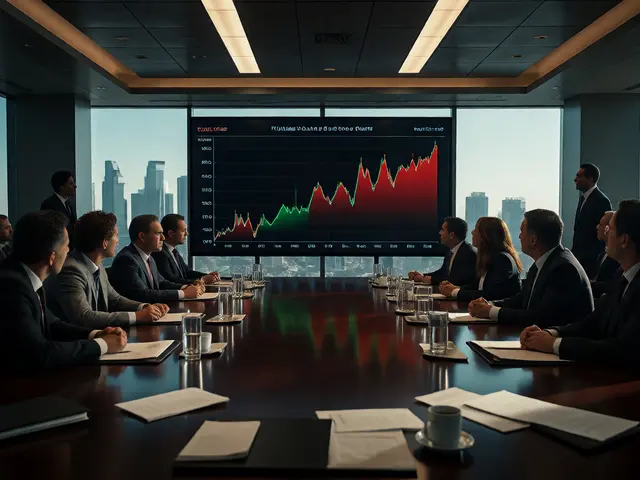
In 2025 and early 2026, we’ve seen a clear trend. Domestic box office revenues have remained relatively flat or grown very slowly, despite ticket prices hitting record highs. Why? Because attendance has dropped. Fewer people are going to the movies overall. The industry is relying on a smaller core group of frequent viewers to drive the numbers. This creates a fragile ecosystem where one bad summer can hurt theaters significantly.
Who Pays More?
Not all screenings cost the same. Premium format pricing has become a major driver of revenue growth. Formats like IMAX, Dolby Cinema, and 4DX charge significantly more than standard shows. An IMAX ticket might cost $25-$30 in major cities. These formats offer a unique value proposition: bigger screens, better sound, and immersive effects that you can’t replicate at home.
Studios love these formats. They allow them to extract more revenue from fans who are willing to pay for the best experience. However, this also skews the data. When we look at box office numbers, a large portion now comes from premium formats. If a movie performs well in IMAX but poorly in standard theaters, it tells us that casual viewers are staying away. Only the hardcore fans are showing up, and they are paying top dollar.
This creates a two-tier system. On one side, you have the "event" movies-superhero blockbusters, sci-fi epics, and horror franchises-that draw crowds regardless of price. On the other side, you have mid-budget dramas, comedies, and romantic films. These genres struggle to justify a $15 ticket price for audiences. As a result, they often skip theaters entirely and go straight to streaming platforms. This leaves theaters with fewer options and forces them to rely even more heavily on the few big titles that can command high prices.

The Streaming Competition
You cannot talk about ticket prices without mentioning streaming services. Netflix, Amazon Prime Video, Disney+, and Max offer unlimited entertainment for a monthly fee. For many families, spending $150 a month on streaming feels cheaper than taking the kids to the movies four times. The convenience factor is huge. No traffic, no parking fees, no popcorn upsells, and no risk of a bad movie wasting your evening.
Streaming has changed consumer expectations. People are used to having thousands of titles available instantly. When a new movie arrives, they can watch it later at home for free (if they already subscribe). This reduces the urgency to see a film in its opening weekend. Opening weekends are critical for box office success. A slow start can doom a movie’s marketing campaign. High ticket prices contribute to this hesitation. If I’m not sure I’ll love the film, why risk $15?
However, streaming hasn’t killed theaters. Instead, it has forced them to evolve. Theaters are becoming destinations again. They are investing in luxury seating, better food and beverage options, and exclusive events. The goal is to make the trip worth the extra cost. If the experience is good enough, people will pay more. But if the theater is dirty, the seats are broken, and the staff is rude, no amount of marketing will convince people to return.
Regional Differences and Global Markets
Ticket prices vary wildly around the world. In the United States, prices are among the highest globally. In countries like China, India, and parts of Europe, tickets are much cheaper. This affects global box office performance. A movie might earn billions worldwide, but a large chunk of that comes from international markets where the per-ticket revenue is lower but the volume is higher.
For example, China's box office is the largest single market in the world. Chinese audiences are sensitive to value. While they enjoy big spectacles, they expect fair pricing. Studios tailor their releases accordingly. They might release a movie earlier in China to capture holiday crowds or adjust marketing strategies to appeal to local tastes. Understanding these regional differences is crucial for predicting box office success.
In contrast, European markets often have subsidized cinema cultures. Governments support the arts, keeping ticket prices affordable. This encourages broader audience participation. In the US, cinemas operate purely as businesses. They must maximize profit from each customer. This leads to aggressive pricing strategies, especially during peak seasons like Christmas and summer vacations.
What Happens Next?
Looking ahead, the pressure on ticket prices will continue. Operating costs for theaters are rising. Rent, labor, and equipment maintenance are getting more expensive. To stay profitable, theaters may need to keep raising prices. But there is a breaking point. If prices get too high, attendance will collapse further. We could see a future where only the biggest blockbusters survive in theaters, while everything else moves to streaming.
Studios are already experimenting with dynamic pricing. Similar to airlines and hotels, ticket prices could fluctuate based on demand. Matinees on weekdays might be cheap, while Friday night premieres could be expensive. This approach could help fill empty seats during off-peak times while maximizing revenue during busy periods. However, consumers hate complexity. Simple, transparent pricing builds trust. Dynamic pricing risks alienating customers if they feel tricked.
Another possibility is subscription models for theaters. Imagine paying a monthly fee to see as many movies as you want. This would lock in recurring revenue for theaters and give consumers predictable costs. Some chains have tested this idea, but it hasn’t taken off yet. The challenge is convincing people to commit to a service when streaming alternatives exist.
| Option | Average Cost | Experience Quality | Convenience |
|---|---|---|---|
| Theater (Standard) | $13-$15 | High (Big Screen) | Low (Travel Required) |
| Theater (IMAX/Dolby) | $25-$30 | Very High (Immersive) | Low (Travel Required) |
| Streaming Subscription | $15-$25/month | Medium (Home Setup) | Very High (Instant Access) |
| Digital Rental | $3-$6 | Medium (Home Setup) | High (On-Demand) |
Key Takeaways for Audiences and Industry
If you are a moviegoer, be selective. Save your theater visits for films that truly benefit from the big screen. Action movies, visual spectacles, and social events are worth the price. For quieter dramas or comedies, wait for streaming. You’ll save money and still enjoy the story.
For the industry, the message is clear: value matters. Raising prices without improving the experience is a short-term strategy. Invest in comfort, technology, and hospitality. Make the trip to the cinema something people look forward to, not just endure. Build loyalty through community events, fan clubs, and exclusive content. Remember, you’re competing against the couch. Win their hearts, and they’ll open their wallets.
Finally, keep an eye on policy changes. Some cities are considering caps on ticket prices or subsidies for low-income viewers. These initiatives could reshape the landscape. Affordable access ensures a diverse audience base, which strengthens the cultural relevance of cinema. Without it, movies risk becoming niche products for the wealthy.
Why are movie ticket prices so high in 2026?
Ticket prices have risen due to inflation, increased operating costs for theaters, and the need to generate revenue from fewer attendees. Premium formats like IMAX also drive up average prices. Additionally, studios and theaters share revenue, so higher prices help both parties cover expenses.
Do higher ticket prices lead to higher box office earnings?
Not necessarily. While higher prices increase revenue per ticket, they can reduce the total number of tickets sold. If attendance drops significantly, the overall box office gross may stagnate or decline. The key is finding the right balance between price and demand.
How does streaming affect box office numbers?
Streaming provides a convenient, low-cost alternative to going to the theater. This reduces the urgency to see new releases immediately, leading to slower opening weekends and lower overall attendance. It forces theaters to focus on unique experiences that cannot be replicated at home.
Will dynamic pricing change how we buy movie tickets?
Dynamic pricing is being tested by some chains. It allows prices to fluctuate based on demand, similar to airlines. While it could optimize revenue, it risks confusing consumers. Transparency and fairness are essential for acceptance. Currently, it remains a niche strategy rather than an industry standard.
Are theaters losing money despite high ticket prices?
Many theaters operate on thin margins. High ticket prices help, but rising costs for rent, labor, and concessions squeeze profits. Additionally, the split with studios means theaters keep only a portion of ticket sales. Concessions remain a primary profit driver, making the overall business model vulnerable to attendance fluctuations.