Independent films winning the Best Picture Oscar used to be rare. Now, they’re becoming the rule. Back in the 1990s, if you told someone a movie made for under $10 million could beat out studio blockbusters for Hollywood’s top prize, they’d laugh. But since then, the Oscars have shifted-rewarding raw storytelling over big budgets. These aren’t just underdogs. They’re proof that emotion, vision, and grit matter more than marketing dollars.
My Left Foot (1989)
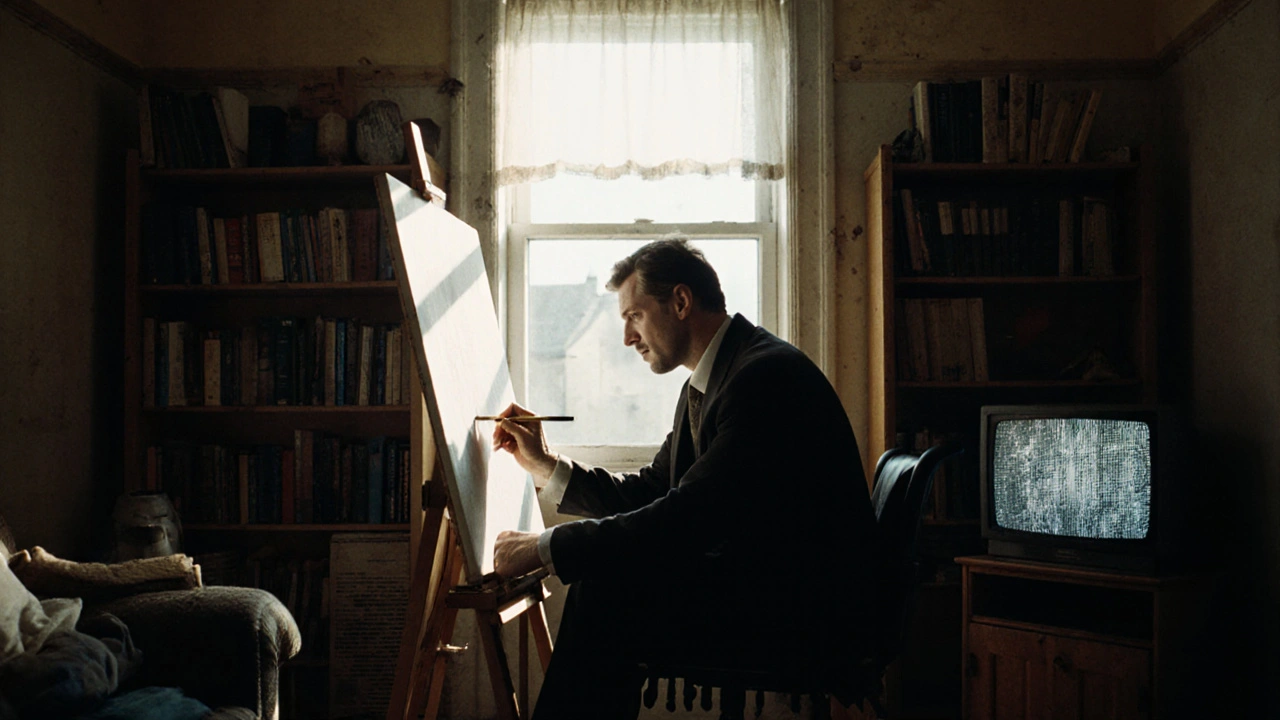
Before Parasite or Spotlight, there was My Left Foot. Made for just $4 million, this biopic about Christy Brown, an Irishman born with cerebral palsy who learned to paint and write with his left foot, was produced by a small Irish company and distributed by a boutique U.S. label. Daniel Day-Lewis’s performance wasn’t just acclaimed-it was transformative. He didn’t just act like someone with cerebral palsy; he lived it. The film didn’t have a single action sequence or CGI effect. It had silence, struggle, and a single foot moving across a canvas. That’s all it needed to beat Batman and Field of Dreams for Best Picture.
Million Dollar Baby (2004)
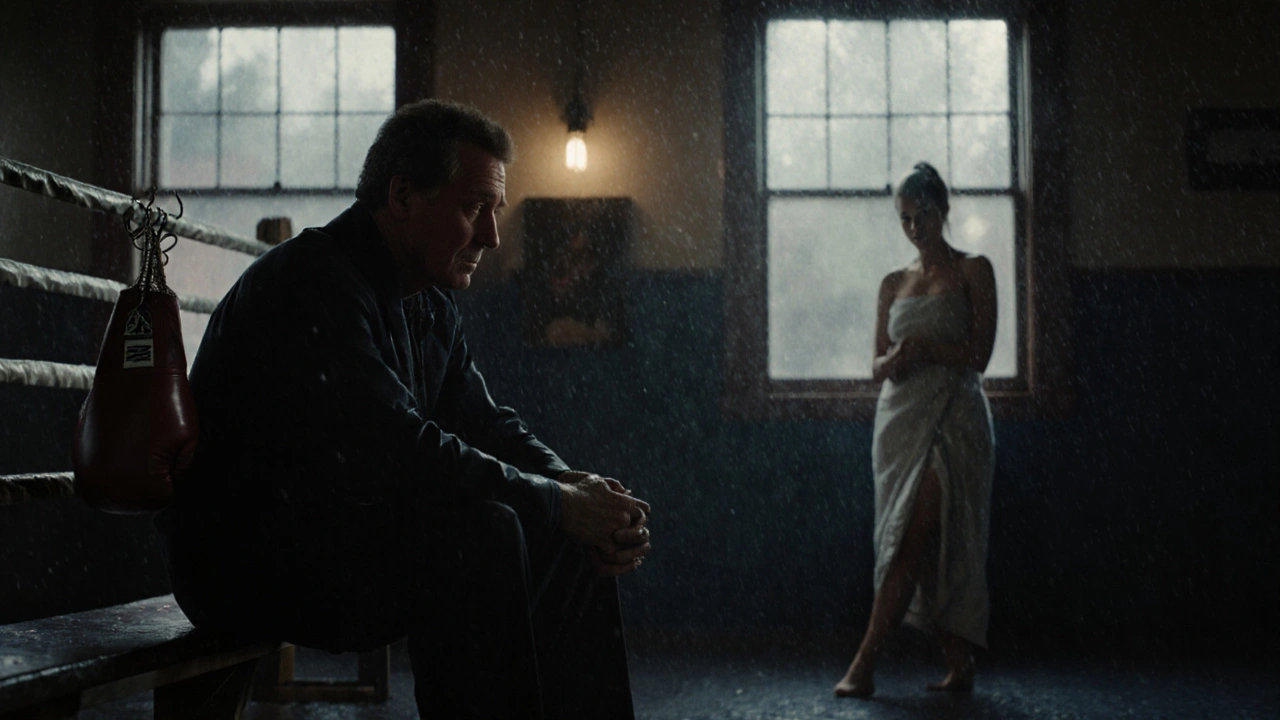
Clint Eastwood didn’t just direct Million Dollar Baby; he financed it out of his own pocket after studios passed. The budget? $30 million-tiny for a film with a star like Eastwood and Hilary Swank. But what made it truly independent was its refusal to soften the ending. The studio wanted a happier conclusion. Eastwood refused. The result? A quiet, brutal, beautiful story about a female boxer, her aging trainer, and the cost of sacrifice. It won four Oscars, including Best Picture, and became the first film directed by a lead actor to win Best Picture since Warren Beatty’s Heaven Can Wait in 1978.
Slumdog Millionaire (2008)
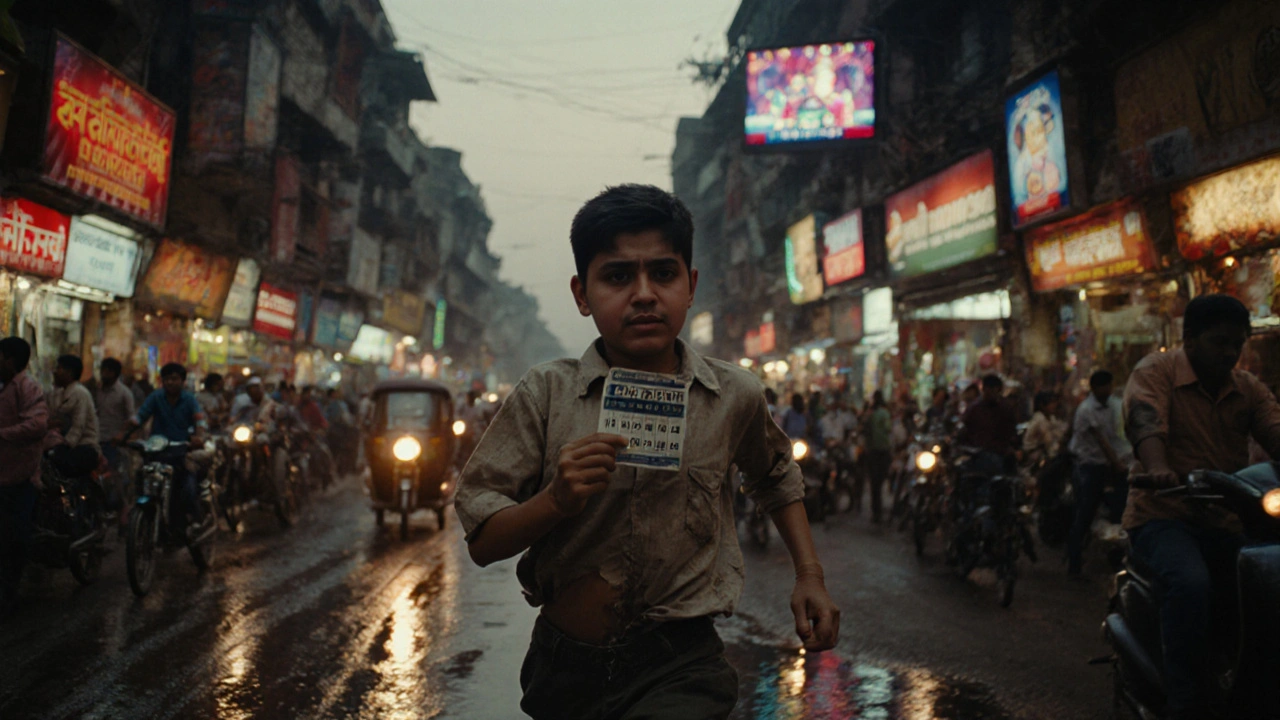
Imagine a film shot on handheld cameras in Mumbai’s slums, with non-professional actors, a soundtrack blending Bollywood and electronica, and a plot that sounds like a fairy tale. That was Slumdog Millionaire. Made for $15 million, it was funded by a British indie company and distributed by Fox Searchlight. Critics called it a gamble. Audiences called it magic. It swept the Oscars with eight wins, including Best Picture. What made it work wasn’t the budget-it was the heartbeat. Every frame pulsed with urgency, hope, and the kind of human resilience no studio script could fake.
The King’s Speech (2010)
Before Netflix and Amazon dominated awards season, The King’s Speech proved that a period drama with no explosions could still dominate the Oscars. Made for $15 million, it was produced by a small British company and released by Weinstein Company. Colin Firth played King George VI, a man with a crippling stammer who had to deliver a wartime speech to a nation on the brink. The film’s power came from its intimacy-two men in a room, working through fear, one word at a time. It beat Inception, True Grit, and Black Swan. Not because it was flashy. Because it was real.
Argo (2012)
Ben Affleck’s Argo was made with $44 million-a modest sum for a historical thriller starring a major Hollywood director. But it was still independent in spirit. No studio wanted to touch the true story of the CIA’s fake sci-fi movie cover-up during the Iran hostage crisis. Affleck raised the money himself, shot it quickly, and kept the tone grounded. The film didn’t rely on spectacle. It relied on tension, timing, and the quiet heroism of ordinary people. It won Best Picture over Lincoln and Life of Pi. And it proved that even in an age of superhero movies, audiences still crave stories about ordinary people doing extraordinary things under pressure.
12 Years a Slave (2013)
Steve McQueen’s 12 Years a Slave was made for $22 million-a fraction of what a typical historical epic costs. It was funded by Plan B Entertainment, Brad Pitt’s indie production company, and distributed by Fox Searchlight. The film didn’t shy away from brutality. It showed whippings, auctions, and the psychological toll of slavery with unflinching clarity. Lupita Nyong’o’s breakout performance wasn’t just powerful-it was necessary. The film won Best Picture over American Hustle and Gravity. It didn’t win because it was easy to watch. It won because it was impossible to forget.
Spotlight (2015)
No car chases. No aliens. No superheroes. Just reporters. A newsroom. A stack of documents. That was Spotlight. Made for $10 million, it was the rare film that turned journalism into a thriller. The true story of the Boston Globe’s investigation into priest abuse was told without melodrama. The actors didn’t shout. They listened. They typed. They dug. The film won Best Picture over The Revenant and Mad Max: Fury Road. It won because it showed how truth, when pursued patiently, can topple institutions. It was a quiet film. But its impact was deafening.
Green Book (2018)
With a $23 million budget, Green Book wasn’t tiny-but it was independent in every way that mattered. It was produced by a small company called Participant Media and released by Universal Pictures’ specialty division. The story of an African American pianist and his Italian American driver on a 1960s Southern tour was told with humor, heart, and discomfort. It won Best Picture over Black Panther, BlacKkKlansman, and Bohemian Rhapsody. Critics called it simplistic. But audiences connected to its humanity. It didn’t need grand speeches. It just needed two men learning to see each other.
Parasite (2019)
When Parasite won Best Picture, it didn’t just break records-it shattered assumptions. It was the first non-English language film to win the top Oscar. Made for $11 million by South Korea’s CJ Entertainment, it was distributed in the U.S. by Neon, a tiny indie distributor. The film blended dark comedy, thriller, and social satire into something no Hollywood studio would have risked. It wasn’t marketed with billboards. It was spread by word of mouth. And it beat Joker, 1917, and The Irishman. It proved that language, culture, and class are universal. All you need is a great story.
Everything Everywhere All at Once (2022)
It started as a passion project. Made for $25 million, Everything Everywhere All at Once was financed by A24, a company known for backing risky films. It had martial arts, talking raccoons, and a multiverse of infinite possibilities. But at its core, it was about a Chinese immigrant laundromat owner and her fractured family. It didn’t have a studio’s marketing machine. It had fans. It had memes. It had heart. It won seven Oscars, including Best Picture, beating The Banshees of Inisherin and Top Gun: Maverick. It won because it didn’t just entertain-it made people feel less alone in a chaotic world.
How Independent Films Win
What do all these films have in common? They weren’t made to be hits. They were made because someone believed in them. No studio greenlit My Left Foot because it didn’t fit the mold. No studio would have let Parasite end with a prison cell. But indie filmmakers didn’t wait for permission. They found money, cast unknowns, shot on location, and trusted their instincts.
They also knew how to play the game. These films didn’t just show up at the Oscars. They campaigned smartly. They screened at Sundance. They built buzz with critics. They targeted voters who cared about authenticity over spectacle. And they didn’t need a $100 million ad budget. They just needed to be unforgettable.
Why This Matters
When an indie film wins Best Picture, it sends a message: You don’t need a billion-dollar budget to tell a story that moves the world. You need courage. You need a voice. You need to care more than the system does.
For every Everything Everywhere All at Once, there are hundreds of films that never get seen. But the fact that even one gets through changes the game. It tells filmmakers everywhere that their story matters-even if it’s quiet, strange, or made in a garage.
What’s Next?
The rise of streaming has blurred the line between indie and studio. But the spirit remains. The next Oscar winner might be a film shot on a phone in a small town. It might be in a language no one in Hollywood speaks. It might not have a single famous actor. But if it’s honest-if it makes you feel something-you’ll hear about it. And you’ll wonder why it took so long for someone to notice.
Can a low-budget film really win Best Picture?
Yes. Since 1989, at least eight independent films have won Best Picture, with budgets under $30 million. Films like My Left Foot, Spotlight, and Parasite were made for a fraction of what major studios spend. What matters isn’t the budget-it’s the emotional impact, originality, and execution.
What defines an independent film?
An independent film is one made outside the major studio system, typically with lower budgets, creative control retained by the filmmaker, and distribution handled by smaller companies. It doesn’t mean no studio involvement-it means the film wasn’t initiated or funded by a major Hollywood studio like Warner Bros. or Disney.
Do indie films have a better chance of winning now?
The odds have improved. Academy membership has diversified in recent years, with more international and younger voters who value fresh voices. Streaming platforms have also made indie films more visible. But winning still requires strong festival buzz, targeted campaigns, and genuine critical acclaim-not just a low budget.
Which indie film had the smallest budget to win Best Picture?
My Left Foot (1989) holds the record for the lowest budget winner at around $4 million. Adjusted for inflation, that’s less than $10 million today-far below the average Best Picture budget of $70-100 million in recent years.
Are indie films still being recognized at the Oscars?
Absolutely. In 2023, Everything Everywhere All at Once won Best Picture, and in 2024, Oppenheimer-though studio-backed-won largely due to its indie-style production approach and creative risk-taking. The trend continues: the Oscars now reward originality over spectacle, and indie films lead that charge.



Comments(8)