Netflix, Disney+, Amazon Prime Video - they all show the same movies and shows in over 190 countries. But if you watch film localization in action, you’ll notice something strange: a Korean thriller feels totally different in Mexico than it does in Germany. That’s not a glitch. It’s strategy.
Streaming platforms don’t just upload content and hope it works everywhere. They spend millions to change it - dubbing voices, rewriting subtitles, adjusting cultural references, even reshooting scenes. Why? Because a joke that lands in Tokyo might fall flat in São Paulo. A hero’s arc that moves audiences in India might confuse viewers in France. If you want global success, you don’t just translate words. You rebuild the experience.
Why Localization Isn’t Just Translation
Translation is word-for-word. Localization is culture-for-culture.
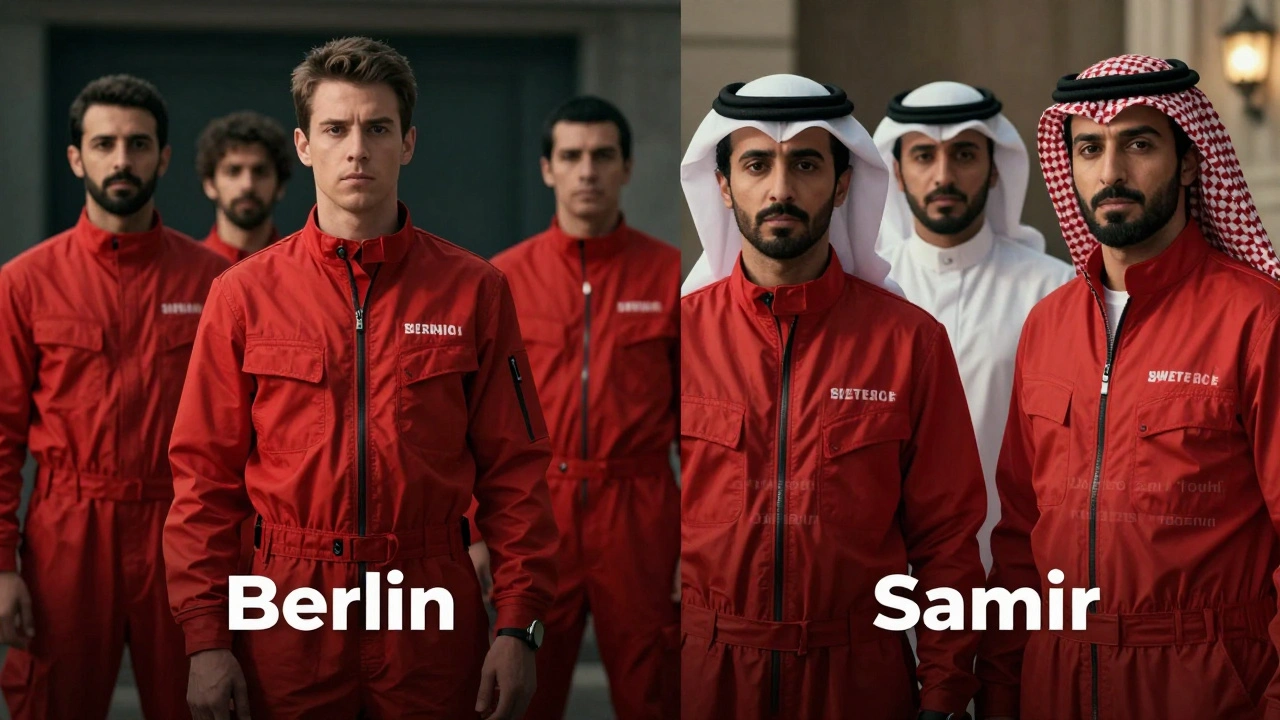
Take the Netflix series Money Heist. Originally Spanish, it became a global hit. But in its Arabic version, the characters’ names were changed. "Berlin" became "Samir" - a name that fits the region’s cultural context. The red jumpsuits stayed. The heist stayed. But the names? Rewritten to feel familiar, not foreign.
In Japan, Netflix dubbed Stranger Things with voice actors who mimicked the original tone but softened the American slang. "Dude" became "mate" in Australian English versions. In Brazil, the slang "cool" was replaced with "legal," a word that carries the same casual weight in Portuguese.
It’s not just language. It’s rhythm. Timing. Humor. A pause that works in English might feel awkward in Mandarin. Subtitles need to sync with lip movements, but also with cultural pacing. In some cultures, viewers expect faster subtitles. In others, they need more time to read. Netflix’s data shows subtitle reading speed varies by 40% between countries - and they adjust for it.
How Platforms Decide What to Change
There’s no rulebook. But there’s data.
Streaming services track what viewers watch, pause, rewind, or quit. If 60% of viewers in Indonesia drop a show after the first episode, they dig into why. Was it the dubbing? The pacing? The cultural references? Sometimes, they find that a character’s clothing in a scene offended religious norms. Other times, a joke about American politics made no sense.
Disney+ learned this the hard way with The Mandalorian. In the Middle East, they removed a scene where a character drinks alcohol - not because it was violent, but because it violated local norms. In India, they added a brief voiceover explaining why the character didn’t eat beef. The scene stayed. The context changed.
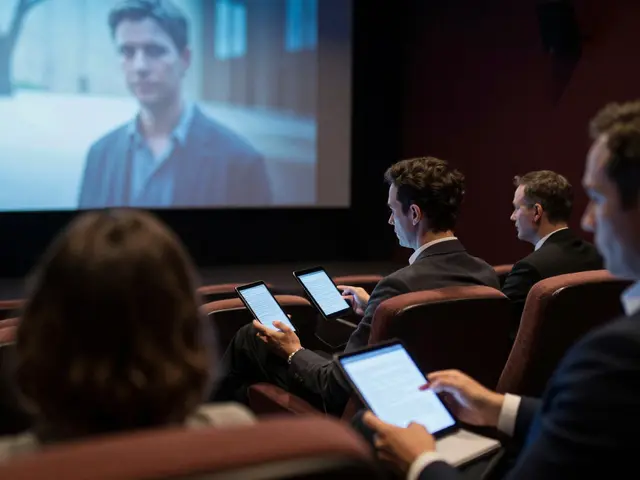
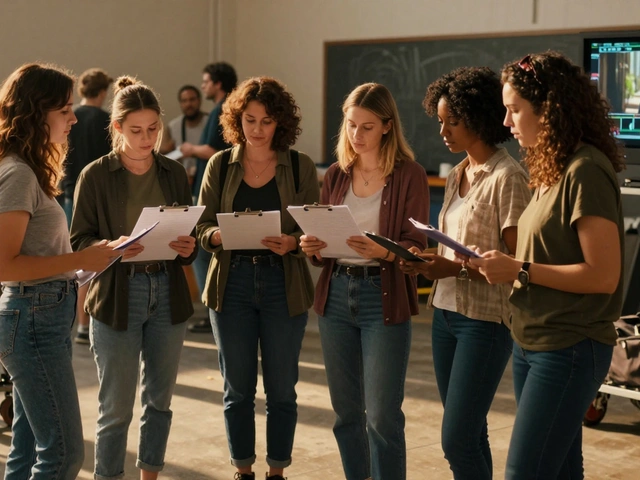
Platforms also test content with local focus groups. Before releasing a film in South Korea, Amazon Prime runs test screenings with 200 viewers. They ask: "Did you understand the humor?" "Did you feel connected to the characters?" "Did anything feel off?" If even 15% say something felt "foreign," they rework it.
The Cost of Getting It Right
Localization isn’t cheap. It costs 10-30% more than the original production budget.
For a $50 million film, that’s $5-15 million just for localization. That includes:
- Dubbing: Hiring voice actors, sound engineers, dialect coaches
- Subtitling: Timing, readability, cultural adaptation
- Cultural consulting: Hiring local experts to review scripts
- Legal review: Making sure content doesn’t violate local laws or norms
- Reshoots: Occasionally, scenes are re-filmed to match local expectations
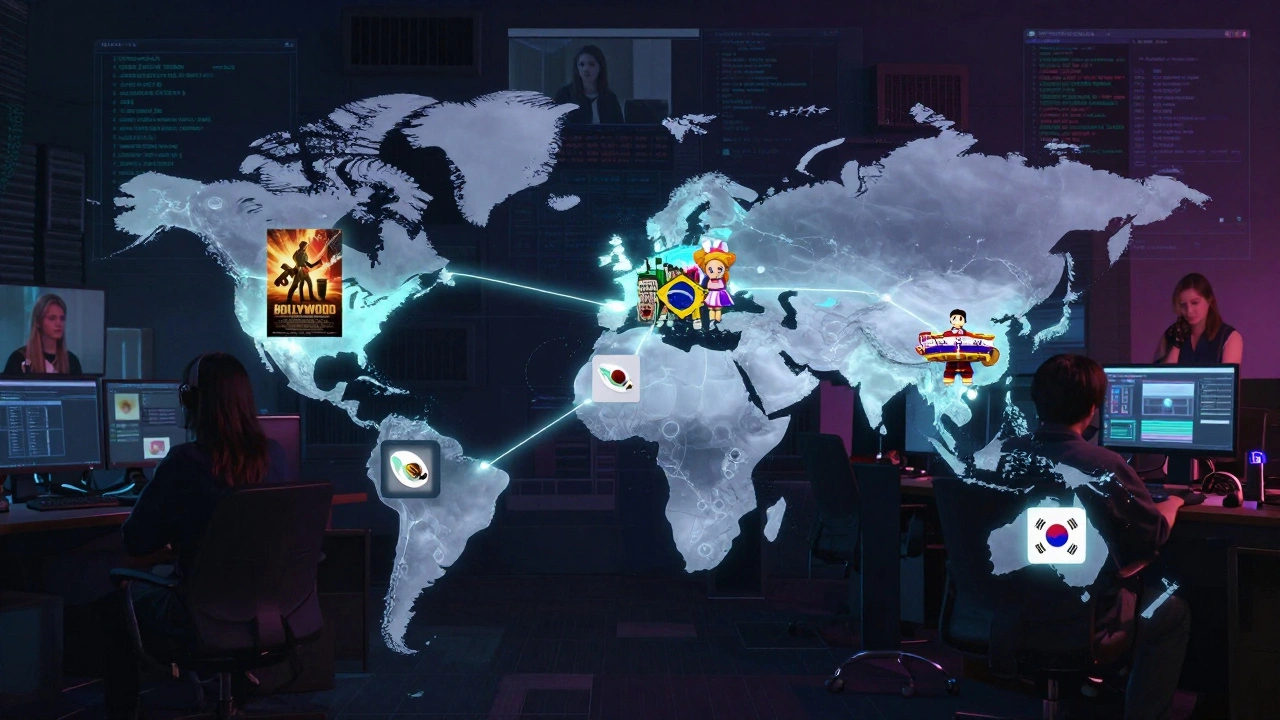
Netflix spent over $200 million on localization in 2024 alone. Half of that went to just five markets: India, Brazil, Mexico, Japan, and South Korea. Why? Because those are the fastest-growing regions. And in those markets, local content performs better than imported American shows - if it’s done right.
Local Content Over Global Imports
Here’s the twist: platforms now spend more on local originals than on licensing Hollywood films.
In India, Netflix’s Sacred Games and Amazon’s The Family Man drew bigger audiences than Stranger Things. In Brazil, 3% became a national phenomenon - not because it was American, but because it was Brazilian. The language, the politics, the social tensions - all felt real to viewers.
Disney+ launched Ms. Marvel in the Middle East with a special version that included Arabic-language commentary from local scholars explaining the cultural references. It wasn’t just dubbed. It was explained.
Platforms now hire local writers, directors, and producers to build stories from the ground up. In Nigeria, Netflix partnered with Nollywood studios to co-produce films. In Thailand, they worked with indie filmmakers to adapt local folklore into horror series. These aren’t afterthoughts. They’re core to growth.
The Risks of Getting It Wrong
Bad localization doesn’t just annoy viewers. It backfires.
In 2023, a Netflix anime was dubbed in Spanish with slang that made characters sound like teenagers from Buenos Aires - even though the show was set in Tokyo. Viewers in Mexico and Colombia complained it felt "fake." The platform pulled the dub and re-did it within weeks.
Another example: a Korean drama on Hulu had subtitles that translated "I love you" as "I care about you." In Korean culture, "I love you" is rare and powerful. The soft translation made the romance feel weak. Viewers called it "emotionally dishonest." The streamer quietly fixed it.
And then there’s censorship. In China, Disney+ removed all LGBTQ+ references from WandaVision. In Russia, they edited out scenes showing protests. These aren’t localization - they’re compliance. And viewers notice. Some audiences now distrust platforms that change too much.
What Works: The Localization Formula
Successful localization follows a simple pattern:
- Keep the story’s soul - the emotion, the conflict, the stakes
- Change the surface - names, slang, clothing, music
- Explain the unfamiliar - add context, not cuts
- Test with real people - not just translators
- Don’t over-correct - audiences want authenticity, not a sanitized version
For example, in the French version of Squid Game, the children’s game "Red Light, Green Light" was kept. But the giant doll’s voice was changed from a high-pitched child’s voice to a deeper, eerie whisper - matching French horror tropes. The result? Even higher viewership than in South Korea.
Platforms now treat localization like a creative process, not a technical one. They hire local directors to oversee dubs. They let regional teams choose which jokes to keep or drop. They let audiences help shape the final product.
The Future: AI, But With a Human Touch
AI is changing localization - fast.
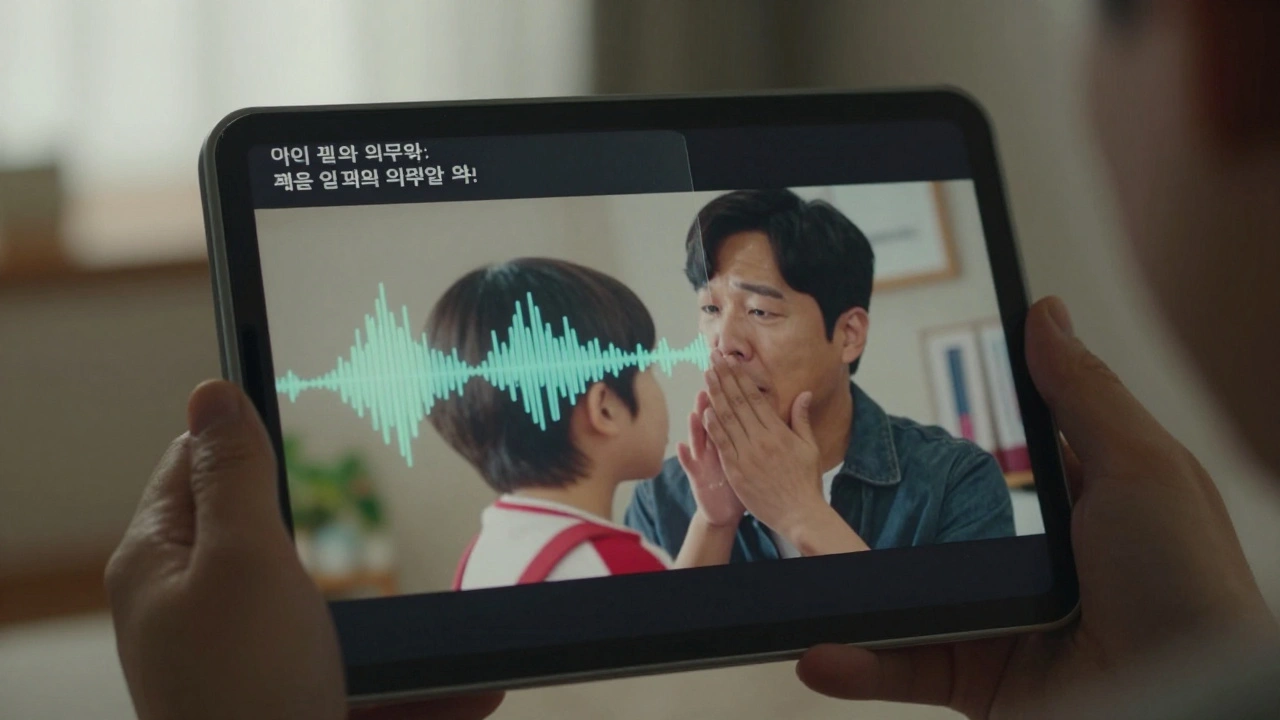
Tools like DeepL and ElevenLabs can now generate near-perfect dubbing in minutes. AI can match lip movements, adjust tone, and even mimic an actor’s voice. But it still fails at cultural nuance.
AI doesn’t know that in Japan, silence speaks louder than words. That in Italy, exaggerated gestures are part of storytelling. That in Nigeria, proverbs carry more weight than direct dialogue.
So the best platforms use AI for speed - and humans for soul. AI generates the first pass. Local editors refine it. Cultural consultants give the final thumbs-up. The result? Faster, cheaper, but still authentic.
By 2026, 70% of new content on streaming platforms will be localized for at least five major markets. And the ones that get it right? They’re not just winning viewers. They’re becoming part of the culture.
What Viewers Really Want
Here’s the truth: audiences don’t want perfect translations. They want to feel seen.
A teenager in Jakarta doesn’t care if the hero says "cool" or "keren." They care that the character feels like someone they know. A mother in Cairo doesn’t need the exact same joke. She needs to laugh at something that reflects her life.
Streaming platforms are no longer just distributors. They’re cultural curators. And the ones who succeed aren’t the ones with the biggest budgets. They’re the ones who listen - really listen - to what viewers across the world are saying.


Comments(9)