Getting your independent film seen by the right audience is no longer about waiting for a phone call from a major studio executive. In 2025, the landscape has shifted dramatically. The gatekeepers have multiplied, fragmented, and digitized. For filmmakers, this means more opportunities but also more noise. You are not just making a movie; you are launching a media product that needs a clear path to revenue and viewership.
The old model of "finish the film, submit to festivals, wait for a deal" is dead. Today, distributors-whether traditional or self-distribution platforms-want proof of concept before they sign. They want to see an engaged audience, a clear marketing plan, and often, some initial traction. This guide breaks down exactly how to secure those deals in the current market, focusing on actionable steps rather than vague advice.
What is the first step in securing a distribution deal?
The first step is defining your target audience and creating a marketing plan before you even finish post-production. Distributors need to know who will buy your film and how you intend to reach them.
Understanding the Modern Distribution Landscape
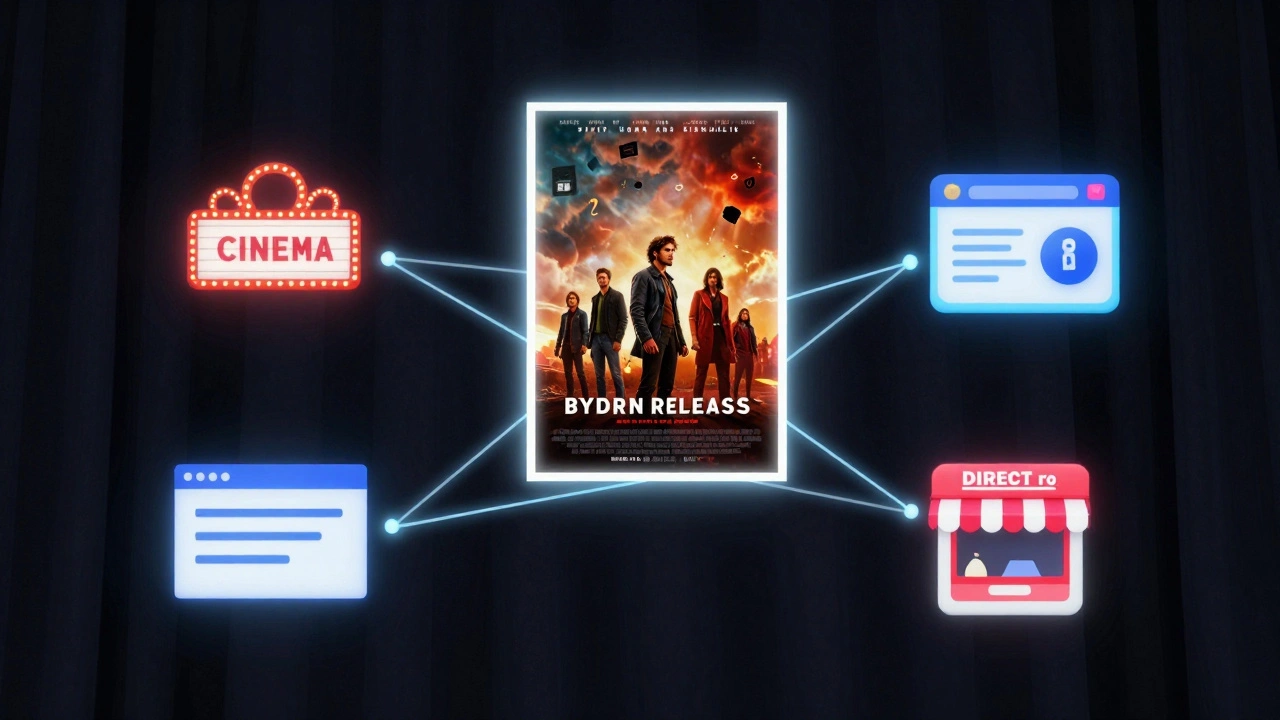
To navigate the process, you must first understand who you are dealing with. The term "distributor" covers a wide range of entities, each with different goals and capabilities. In 2025, the line between traditional and digital distribution has blurred, leading to what industry experts call the Hybrid Release Model, which combines theatrical, streaming, and video-on-demand releases to maximize revenue streams.
- Traditional Distributors: Companies like A24, Neon, or Sony Classics still exist but are highly selective. They look for films with strong critical buzz, award potential, or a unique cultural hook. They handle physical production, marketing, and theater bookings.
- Digital Aggregators: Services like FilmHub, Swank Motion Pictures, or DistroKid (for music videos) help you get onto platforms like Amazon Prime, Apple TV, and Hulu. They take a percentage of your revenue but require minimal upfront investment.
- Self-Distribution Platforms: Tools like Vimeo On Demand or MUBI’s curated sections allow you to sell directly to consumers. You keep most of the profit but handle all marketing and customer service.
- Film Sales Agents: These are intermediaries who represent your film at international markets like Cannes, Berlin, or AFM (American Film Market). They negotiate deals on your behalf for a commission, typically 10-15%.
Knowing which category fits your film is crucial. A micro-budget horror film might thrive on self-distribution via Shudder, while a high-concept drama might need a sales agent to navigate international territories.
Building Proof of Concept Before Pitching
Distributors are risk-averse. They want to see that your film already has an audience. This is where the concept of "Proof of Concept" comes in. It’s not enough to say your film is good; you need data.
In 2025, this means leveraging social media and community building early. Start building an email list and social following during pre-production. Share behind-the-scenes content, cast interviews, and set photos. When you approach a distributor, you can show them:
- A mailing list of 5,000+ engaged subscribers.
- Social media engagement rates above 3%.
- Pre-sales or crowdfunding campaigns that demonstrate financial interest.
- Positive reviews from influencers or niche bloggers in your genre.
This data reduces the perceived risk for the distributor. It shows you are not just a filmmaker but a marketer who understands their audience. For example, if you made a sci-fi thriller, showing that you have 10,000 followers on a sci-fi subreddit is far more valuable than a generic Instagram following.
The Role of Film Festivals in 2025
Festivals remain a critical launchpad, but their role has evolved. They are no longer just about screening; they are networking hubs and marketplaces. Your strategy should be targeted.
Submit to festivals that align with your film’s genre and tone. A comedy should go to Sundance, SXSW, or Telluride, not necessarily Cannes unless it has a unique artistic merit. Focus on festivals known for selling films, such as:
- Sundance Film Festival: Known for acquiring indie dramas and comedies for streaming deals.
- Tribeca Film Festival: Strong focus on urban stories and diverse voices.
- AFM (American Film Market): A pure marketplace where buyers and sellers meet. Ideal for genre films like horror, thriller, and action.
- Cannes Marché du Film: The premier international market for European and global acquisitions.
When you screen at a festival, bring your marketing materials. Have a one-sheet, a trailer, and a press kit ready. Network with sales agents and distributors attending the event. Many deals are struck in the corridors, not in the screening rooms.

Working with Film Sales Agents
If you aim for international distribution, a Film Sales Agent is a professional who represents filmmakers to sell distribution rights in various territories worldwide. is essential. They have relationships with broadcasters and streamers in countries you may not even know about.
Choosing the right agent involves due diligence. Look for agents who specialize in your genre. Ask for references from past clients. Understand their commission structure. Typically, they charge 10-15% of gross receipts. Some may ask for an upfront fee, which is a red flag. Reputable agents earn only when you earn.
Prepare a comprehensive sales package. This includes:
- A high-quality trailer.
- Still images and posters.
- A synopsis and logline.
- Cast and crew bios.
- Festival laurels and critical quotes.
- A marketing plan.
Your agent will use these materials to pitch your film to buyers. The better your package, the more likely they are to secure a deal.
Negotiating the Deal: Key Terms to Watch
When you receive an offer, do not sign immediately. Read the contract carefully. Consider hiring an entertainment lawyer to review the terms. Here are key clauses to pay attention to:
- Advance Payment: This is the upfront money you receive. It is recoupable, meaning you won’t see additional profits until the distributor makes back their advance plus expenses.
- Revenue Split: How much of the net revenue do you get? Typical splits range from 50/50 to 70/30 in favor of the distributor for theatrical releases. Digital deals may offer higher percentages to the filmmaker.
- Term Length: How long does the distributor have the rights? Shorter terms (2-5 years) allow you to regain control sooner. Longer terms (10+ years) may come with higher advances but limit future earnings.
- Territory Rights: Does the deal cover worldwide rights or specific regions? Retaining certain territories can allow you to pursue alternative distribution strategies.
- Marketing Budget: Is there a guaranteed marketing spend? If so, how is it accounted for? Ensure transparency in how marketing costs are calculated.
Remember, a deal is only as good as the distributor’s ability to market your film. A large advance with zero marketing support is worse than a smaller advance with active promotion.
Self-Distribution: A Viable Alternative
If traditional deals fall through, self-distribution is not a failure; it’s a strategic choice. In 2025, tools make it easier than ever to distribute independently.
Platforms like Vimeo On Demand allows filmmakers to create custom storefronts to sell rentals, purchases, and subscriptions directly to audiences. enable you to set your own prices and keep up to 90% of the revenue. You handle marketing, but you retain full creative and financial control.
Successful self-distribution requires a robust marketing plan. Use social media ads, influencer partnerships, and email campaigns. Build a community around your film. Engage with viewers on social media. Offer exclusive content to supporters.
Consider a hybrid approach. Release your film theatrically in select cities to build buzz, then move to digital platforms. This maximizes exposure and revenue. Track your performance closely. Adjust your strategy based on data.
Leveraging Data and Analytics
Data is your best friend in modern distribution. Use analytics tools to track viewer behavior. Understand where your audience comes from, what they watch, and how they engage.
Tools like Google Analytics, social media insights, and platform-specific dashboards provide valuable information. Use this data to refine your marketing efforts. Target ads to similar audiences. Optimize your landing pages. Improve conversion rates.
Distributors also value data. Show them your analytics. Demonstrate that you understand your audience. This builds trust and increases your chances of securing favorable terms.
Common Pitfalls to Avoid
Avoid these common mistakes to protect your film and your career:
- Signing Away Too Many Rights: Be cautious about granting perpetual worldwide rights. Negotiate limited terms and territories.
- Ignoring Marketing: Distribution is not just about placement; it’s about promotion. Without marketing, your film will disappear.
- Underestimating Costs: Distribution involves costs for marketing, legal fees, and platform fees. Budget accordingly.
- Rushing the Process: Take time to find the right partner. A bad deal can harm your reputation and future projects.
- Neglecting Legal Advice: Always consult an entertainment lawyer before signing any contract.
By avoiding these pitfalls, you position yourself for long-term success. Your film is an asset. Protect it wisely.
Next Steps for Filmmakers
Start by assessing your film’s strengths and weaknesses. Identify your target audience. Build your marketing plan. Reach out to potential partners. Attend festivals and markets. Network relentlessly.
Remember, distribution is a marathon, not a sprint. Stay persistent. Adapt to changes in the market. Keep learning and growing. Your next film will benefit from the lessons learned today.
How much does a film sales agent cost?
Most reputable film sales agents work on commission, typically charging 10-15% of the gross revenue generated from sales. They usually do not charge upfront fees. If an agent asks for an advance payment, proceed with caution and seek legal advice.
Is self-distribution better than traditional distribution?
It depends on your goals and resources. Self-distribution offers higher revenue shares and creative control but requires significant marketing effort. Traditional distribution provides wider reach and marketing support but takes a larger cut of profits and may restrict your rights. Many filmmakers now choose a hybrid approach.
What is a typical revenue split for indie films?
For theatrical releases, the split is often 50/50 or 60/40 in favor of the distributor after recouping expenses. For digital platforms, filmmakers may negotiate for 70-80% of net revenue. Always clarify whether the split is based on gross or net receipts, as this significantly impacts your earnings.
Which film festivals are best for securing distribution deals?
Top festivals for distribution include Sundance, Tribeca, SXSW, Cannes, Berlin, and Toronto. Genre-specific festivals like Fantastic Fest (horror) or Hot Docs (documentary) are also excellent for connecting with niche distributors and audiences.
Can I distribute my film on Netflix without a distributor?
Direct submission to Netflix is extremely difficult and rarely successful for independent filmmakers without a track record. Most Netflix deals are acquired through established distributors or sales agents who have existing relationships with the platform’s acquisition team.