For decades, activist documentaries haven’t just shown problems-they’ve changed laws, shifted public opinion, and sparked movements. You’ve probably seen one without realizing it: a grainy clip of police brutality that went viral, a quiet interview with a climate refugee that made you cry, or a hidden-camera expose that got a corporation shut down. These aren’t just movies. They’re tools. And when done right, they do more than inform-they ignite.
What Makes a Documentary Activist?
An activist documentary isn’t just about a cause. It’s about action. It doesn’t sit back and report. It picks a side. It names names. It shows who’s responsible and who’s suffering. It doesn’t ask, "What do you think?" It demands, "What are you going to do?"
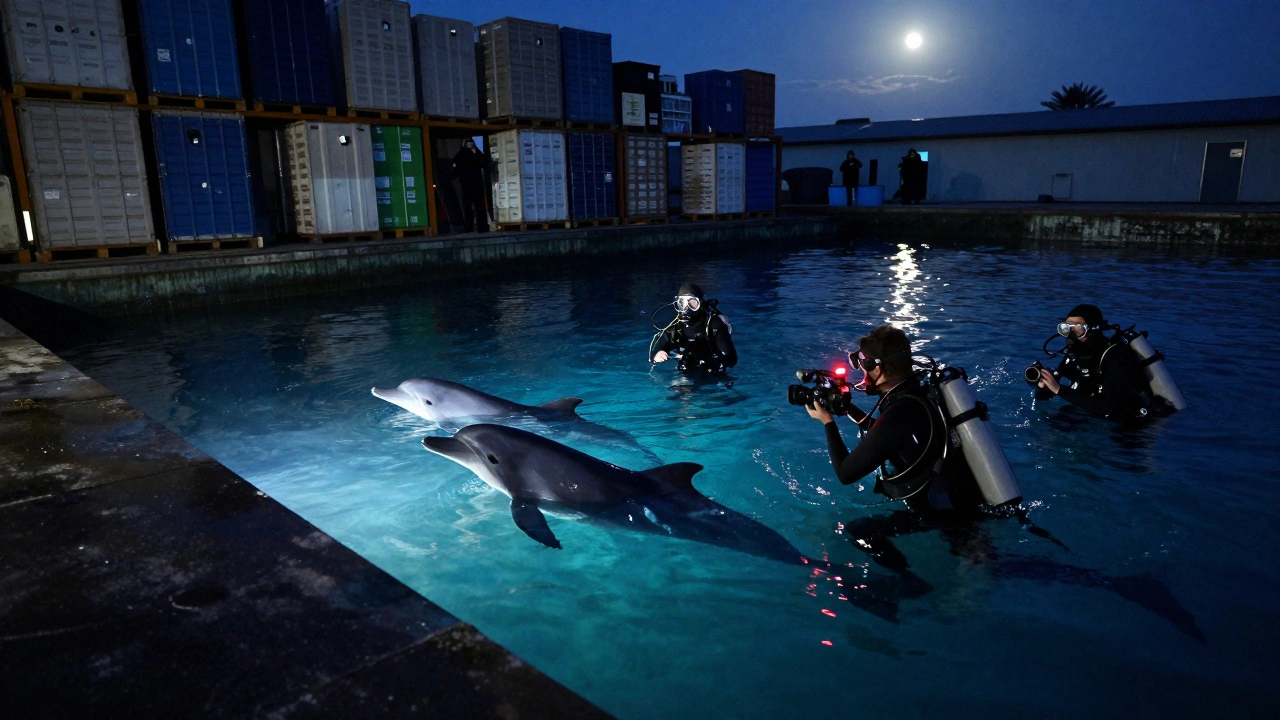
Take The Cove (2009). It didn’t just film dolphins being slaughtered in Japan. It used hidden cameras, undercover operatives, and a team of divers to expose a hidden industry. The result? Japan’s dolphin hunt dropped by 40% in three years. Tourists stopped visiting the cove. Local restaurants stopped serving dolphin meat. The film didn’t just raise awareness-it broke a system.
Compare that to a documentary that just "shows both sides." That’s journalism. Activist film is war. It’s a hammer. It’s designed to crack open indifference.
How These Films Get Made (And Why They’re So Hard to Fund)
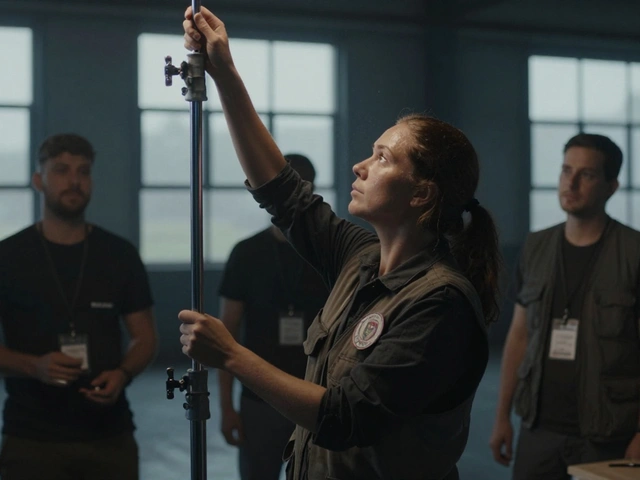
Most activist documentaries start with one person. A teacher. A nurse. A farmer. Someone who saw something broken and couldn’t look away. They grab a camera, borrow a mic, and start filming. No studio. No budget. Just grit.
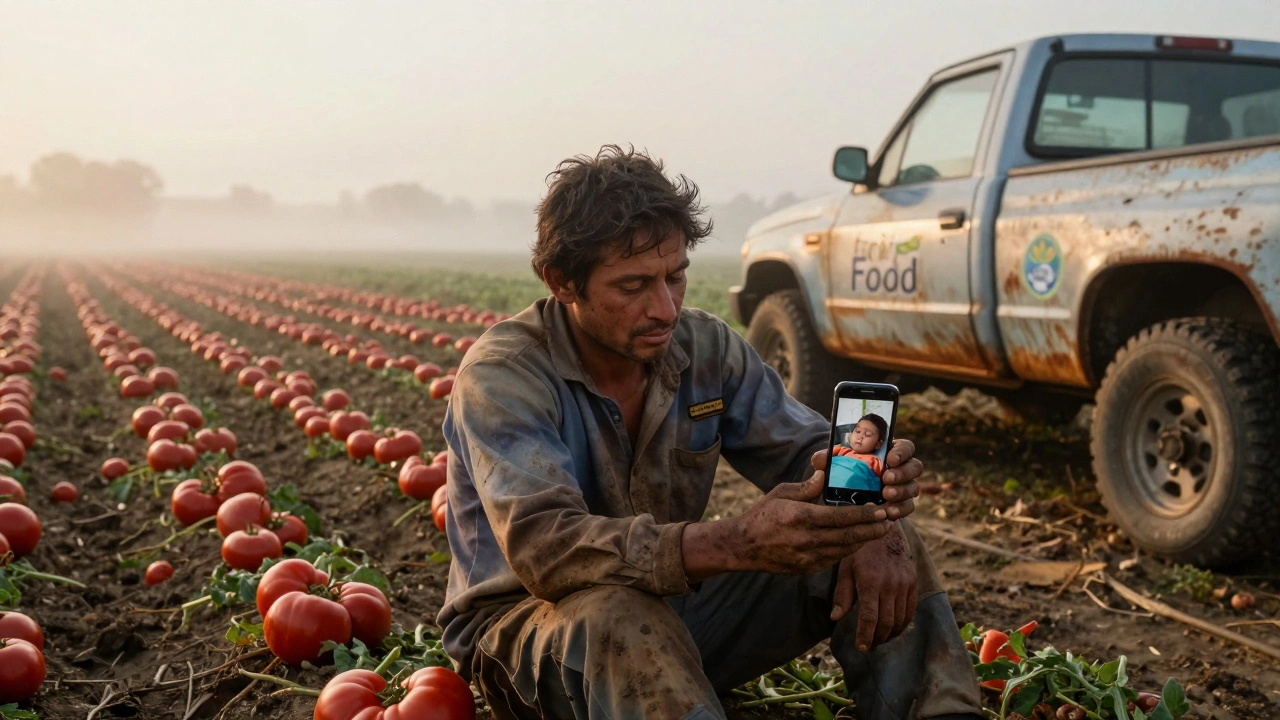
Take the team behind Food Chains (2014). They spent two years following farmworkers in Florida who were getting paid 50 cents for every bucket of tomatoes they picked. They didn’t have a production company. They lived out of their car. They filmed at 4 a.m. in the fields. The film led to the first-ever Fair Food Program, where major retailers like Whole Foods and McDonald’s agreed to pay workers more and protect them from abuse.
But here’s the truth: most of these films never get seen. Funding is brutal. Foundations won’t touch them because they’re "too political." Streaming platforms want "entertaining," not "angry." And when they do get picked up, they’re buried in a sea of reality TV and true crime.
That’s why distribution is just as important as production. A film that plays in a theater for two weeks and then disappears? That’s a failure. A film that gets shown in schools, churches, prisons, and town halls? That’s a movement.
The Science Behind Why These Films Work
It’s not magic. It’s neuroscience. Studies from the University of California, Berkeley show that when people watch emotional, personal stories-especially ones with clear injustice-their brains release oxytocin. That’s the same chemical released when you hug someone you love. It makes you feel connected. It makes you care.
And then comes the second part: the call to action. The best activist documentaries don’t end with a sad song. They end with a website. A phone number. A protest date. A petition. A simple step. That’s when the brain switches from feeling to doing.
A 2021 study of viewers of 13th (2016) found that 68% of people who watched it signed a petition for criminal justice reform within 30 days. That’s not anecdotal. That’s data. That’s proof that film can move people from passive viewers to active citizens.
What Makes These Films Different From News Reports
News tells you what happened. Activist film tells you why it matters.
A news segment on homelessness might show a statistic: "12% of people in this city are unhoused." An activist film shows Maria, a single mom who lost her job during the pandemic, sleeping in her car with her two kids. It shows her trying to fill out paperwork at a library because she has no internet. It shows her crying because the shelter told her she can’t bring her dog.
The difference? One makes you think. The other makes you feel. And feeling is what changes behavior.
Also, activist films stick around. News fades. But a well-made documentary? It lives on YouTube. It gets shown in classrooms. It’s passed around on phones. It becomes part of the cultural memory.
Real Impact: Cases That Changed Things
Here are three films that didn’t just get seen-they got results:
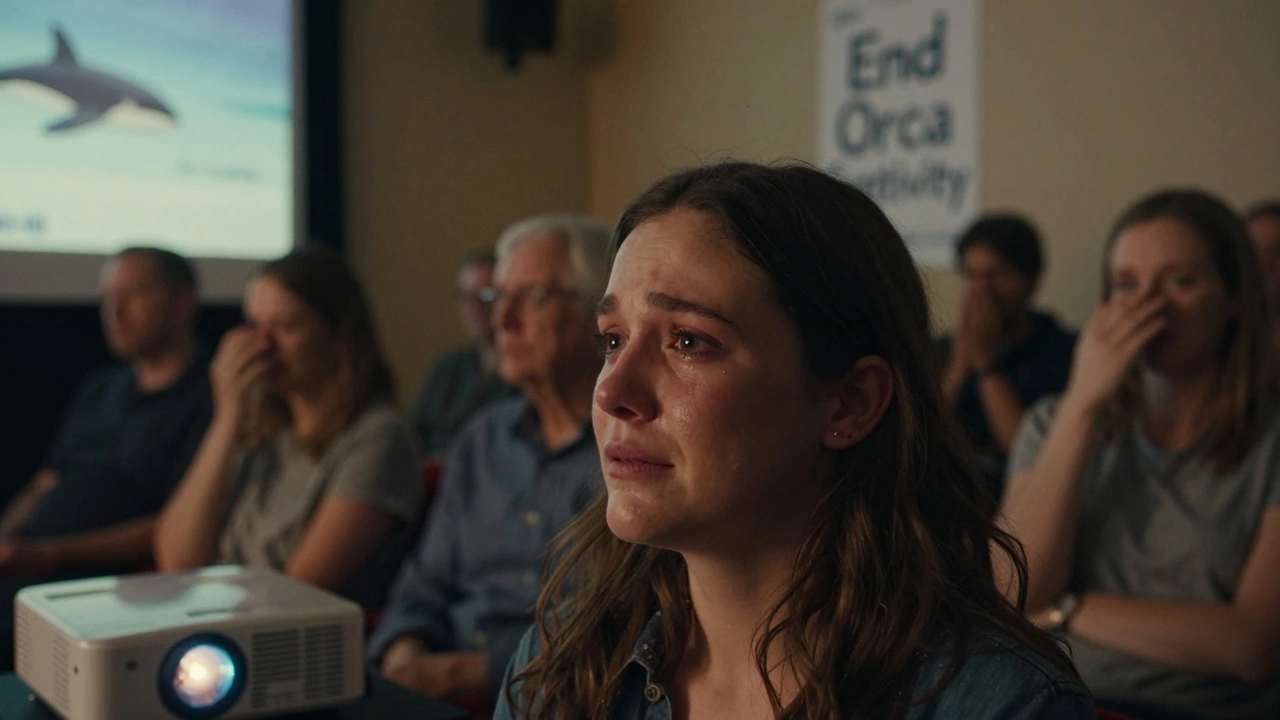
- Blackfish (2013): Exposed the cruelty behind orca shows at SeaWorld. Public pressure led to the end of orca breeding programs, a 70% drop in attendance, and the cancellation of a planned new park.
- Gasland (2010): Documented water contamination from fracking. It led to bans in New York and Maryland, and forced the EPA to investigate 117 cases of polluted wells.
- The Social Dilemma (2020): Showed how social media algorithms manipulate teens. Within a year, 12 U.S. states introduced bills to restrict social media use for minors.
These weren’t accidents. They were outcomes. Each film had a clear target: a company, a law, a policy. And each had a strategy: show the harm, name the guilty, give people a way to fight back.
How to Make Your Own Activist Documentary
You don’t need a Hollywood budget. You need three things:
- A story with a villain. Not a cartoon villain. Someone real. A CEO. A law. A system. Who’s responsible? Name them.
- One person at the center. A single human story. Not 100 statistics. One face. One voice. One struggle.
- A clear ask. What do you want people to do? Sign a petition? Call a senator? Boycott a brand? Say it loud. Repeat it.
Start small. Film a 10-minute piece. Show it at a local library. Ask people: "What would you do?" Then do it with them. That’s how movements begin.
Why These Films Still Matter in 2026
Yes, we live in a world of TikTok clips and 15-second outrage. But here’s the thing: no algorithm can replace a 90-minute story that makes you cry, then get angry, then get up and do something.
Activist documentaries are the last medium that forces you to sit still. To listen. To feel. To think. And that’s why they’re more powerful now than ever.
When everything moves too fast, a documentary slows you down. And sometimes, slowing down is the only way to really see what’s broken.
Can a documentary really change laws?
Yes. Documentaries like Food Chains, Blackfish, and Gasland directly led to policy changes, corporate policy shifts, and even state-level bans. They work by combining emotional storytelling with clear evidence and a specific call to action, making it easy for viewers to translate outrage into action.
Do activist documentaries need to be unbiased to be credible?
No. In fact, bias is the point. Activist documentaries aren’t meant to be neutral-they’re meant to be persuasive. They’re built on evidence, but they take a stance. That’s what makes them effective. A neutral film about climate change won’t move people. A film that says, "This is happening because of X, and you can stop it by doing Y," will.
Are activist documentaries only for activists?
No. The most powerful activist films reach people who never considered themselves activists. A parent who watches a film about child labor might start a petition. A business owner who sees a film about worker exploitation might change their supply chain. These films speak to conscience, not ideology.
How do I find activist documentaries to watch?
Start with platforms like Kanopy (free through libraries), PBS Frontline, or Criterion Channel. Follow organizations like Documentary.org or the International Documentary Association. Subscribe to newsletters like "The Doc Soup"-they curate new activist films every week. You don’t need to buy anything. Just show up.
What’s the biggest mistake new activist filmmakers make?
Trying to cover too much. A film about "everything wrong with the world" won’t change anything. The best ones focus on one issue, one story, one demand. Pick one target. Nail it. Then move to the next.




Comments(8)