Ever tried to shoot a movie in a new city without knowing anyone there? It’s like trying to cook a complex meal with ingredients you’ve never seen before. You might get something edible, but it takes twice as long and costs double. That’s where regional film commissions step in. They are the unsung heroes of the indie world, turning logistical nightmares into manageable workflows. For independent productions operating on tight budgets, these organizations aren't just helpful; they are often the difference between finishing a film and abandoning it halfway through.
Regional Film Commissions are local government or quasi-governmental bodies dedicated to promoting filmmaking within their specific geographic area by providing resources, permits, and industry connections. Unlike major Hollywood hubs that have massive infrastructure, regional commissions focus on agility. They know the local laws, the best locations, and the reliable crews. When you work with them, you’re not just getting a permit; you’re gaining a partner who wants your project to succeed because it boosts their local economy.
The Logistical Backbone: Permits and Locations
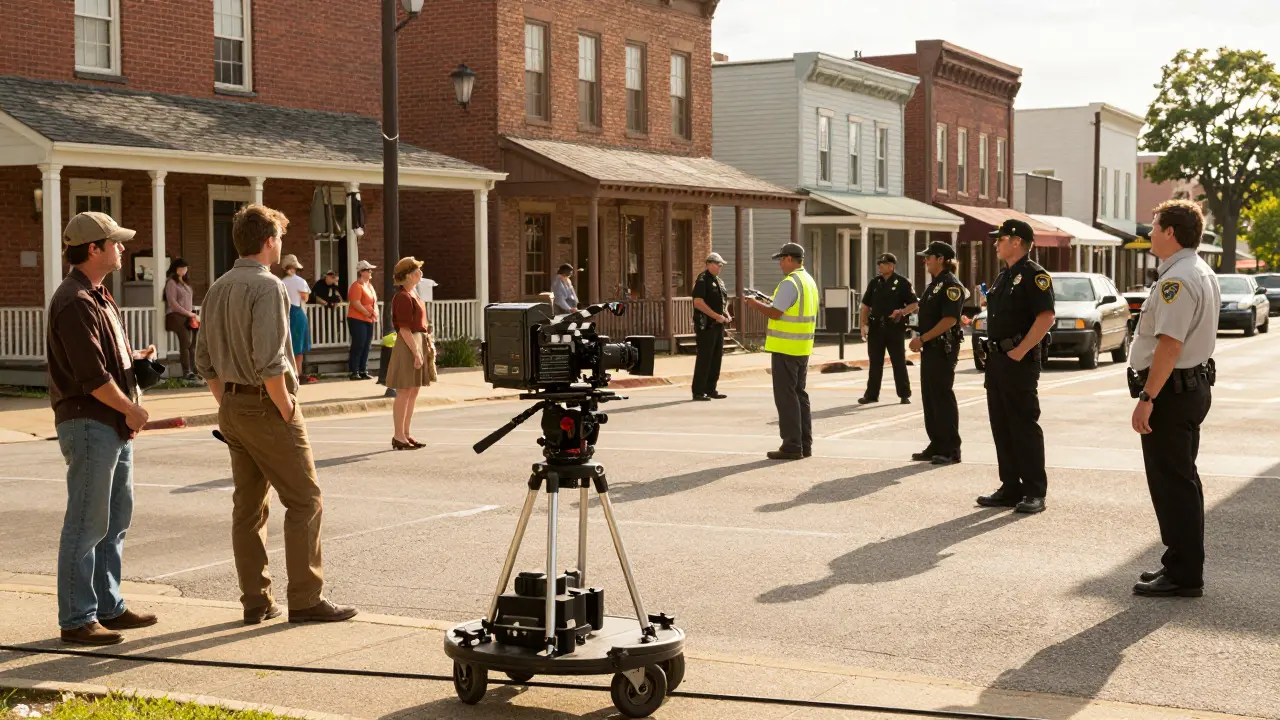
The first thing most indie directors worry about is finding the right spot. Is that old warehouse available? Can we shoot on that main street without shutting down traffic for three days? Regional film commissions solve this by maintaining up-to-date databases of public and private locations. They handle the bureaucratic heavy lifting, which can be a maze for outsiders. A commission knows exactly which city departments need sign-off for a camera crane versus a simple handheld shot.
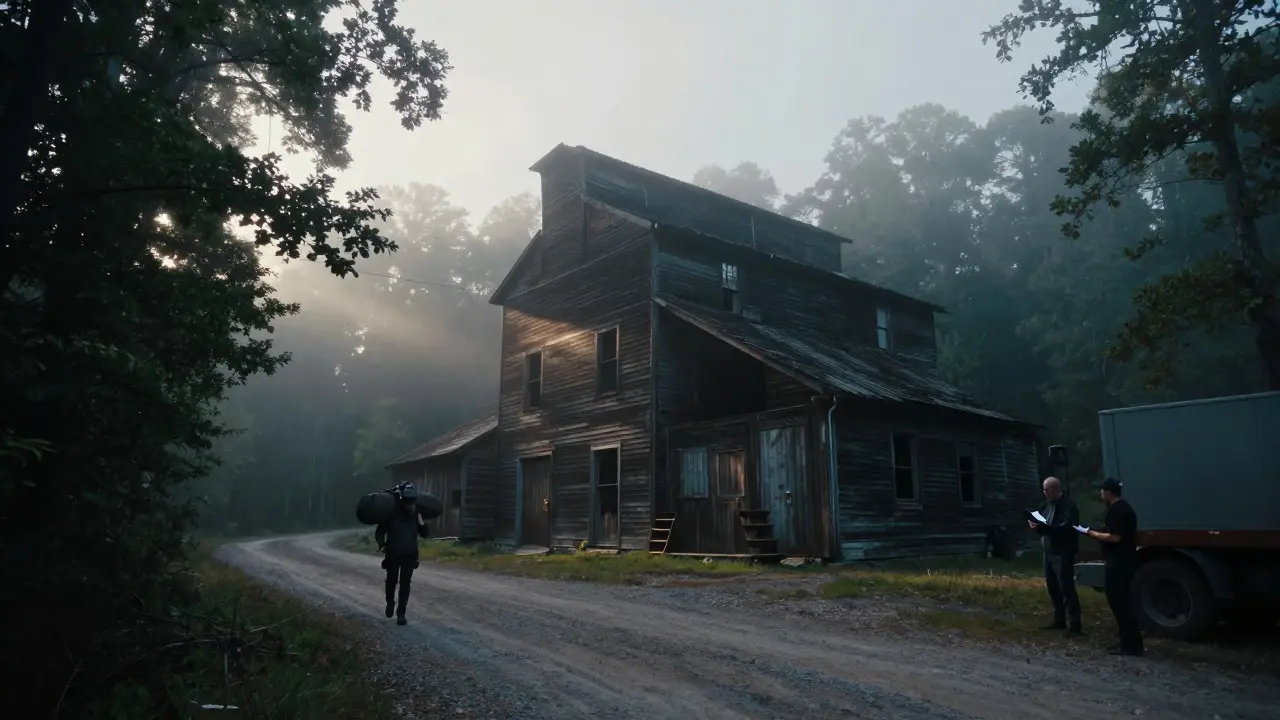
Consider the case of a low-budget thriller set in a rural Appalachian town. The director needed a crumbling mill and a quiet forest road. Without the local commission, he would have spent weeks calling random property owners. With the commission, he got a curated list of five available sites within 48 hours. This speed saves money. Every day you spend scouting instead of shooting is a day you pay for insurance, equipment rentals, and cast fees. The commission acts as a filter, removing dead ends so you can focus on creative decisions.
Economic Leverage: Tax Incentives and Grants
Money is the biggest constraint for independent films. While federal grants exist, they are competitive and slow. Regional commissions often manage state or municipal tax incentive programs. These incentives can reduce production costs by 10% to 30%, depending on the region. For a $500,000 budget, a 20% rebate means an extra $100,000 in the bank. That’s enough to hire a better sound mixer or extend post-production time.
But it’s not just about rebates. Many commissions offer cash grants specifically for projects that use local talent or buy local services. This creates a symbiotic relationship. The production gets cheaper labor and materials, and the local economy sees immediate spending. In states like Georgia or New York, these programs are well-known, but even smaller regions in the Midwest or Southeast have robust systems. The key is early application. Most commissions require proof of local spending before the shoot begins, so planning ahead is critical.
| Support Type | Impact on Budget | Time Saved | Key Benefit |
|---|---|---|---|
| Location Scouting | Low direct cost | High (weeks) | Access to curated, verified sites |
| Permit Processing | Medium (fees) | High (bureaucracy) | Navigates local legal requirements |
| Tax Incentives | High (rebates/grants) | Medium (application) | Direct cash return on local spend |
| Crew Networking | Variable | Medium | Access to experienced local technicians |

Beyond the Camera: Building Local Crews
You can have the best script in the world, but if your gaffer has never worked in rain, your shoot will suffer. Regional film commissions maintain rosters of local crew members who have proven track records. This is crucial for independents who cannot afford to fly in specialized staff from Los Angeles or New York. By hiring locally, you also build goodwill with the community. Locals are more likely to be patient with noise and traffic disruptions if they know someone on the crew is their neighbor or cousin.
Furthermore, local crews understand the terrain. They know which roads are unpaved, which power grids are unstable, and where the light hits best at different times of year. This tacit knowledge is invaluable. A commission can introduce you to a local electrician who knows how to tap into a building’s grid safely, saving you the cost of bringing in a generator truck. These small efficiencies add up quickly over a two-week shoot schedule.
Navigating Community Relations
Filming is an intrusion. Residents may complain about blocked driveways, loud dialogue recordings, or unfamiliar vehicles. Regional film commissions act as mediators between the production and the public. They issue press releases to local newspapers, notify neighborhood associations, and sometimes even organize community viewing events. This proactive communication prevents negative reviews on social media that could scare away future investors or partners.
In Asheville, for example, the local commission works closely with historic districts to ensure filming doesn’t damage heritage sites. They provide guidelines on what props are allowed and how to protect architecture. This level of detail protects the production from fines and lawsuits. It also enhances the film’s authenticity. When locals feel respected, they often contribute in unexpected ways-offering free locations, lending costumes, or acting as extras. This organic support is hard to buy with money alone.
Strategic Planning for Indie Producers
To maximize the benefits of a regional film commission, producers should start engaging them during pre-production, not after casting is locked. Here is a practical approach:
- Research Early: Identify potential shooting locations and contact the corresponding commission at least six months before the intended shoot date.
- Document Local Spend: Keep detailed records of all local purchases, from catering to equipment rentals. This documentation is required for tax rebate claims.
- Network with Locals: Attend industry mixers hosted by the commission. Face-to-face relationships lead to faster responses and better deals.
- Understand Restrictions: Some regions have strict rules about night shoots or drone usage. Clarify these limits before signing contracts with vendors.
By treating the commission as a strategic partner rather than a gatekeeper, you unlock resources that larger studios take for granted. The goal isn't just to get permission to shoot; it's to integrate your production into the local ecosystem. This integration reduces risk and increases the likelihood of a successful wrap.
Frequently Asked Questions
Do regional film commissions charge fees?
Most commissions do not charge a fee for basic consultation or location database access. However, you will pay standard government permit fees for using public land or closing streets. These fees vary by municipality but are generally lower than private location fees.
Can I use a commission from a different state?
Yes, but you lose the benefit of local expertise and tax incentives. If you plan to shoot across state lines, engage each relevant commission separately. Each state has its own rules for permits and rebates, so coordination is essential to avoid compliance issues.
How far in advance should I apply for tax incentives?
Apply at least four to six months before your principal photography starts. The approval process involves verifying your budget and local spending plans. Delays in approval can force you to adjust your budget or schedule, which is costly for independent productions.
What if I don't want to hire local crew?
You can bring in outside crew, but you may miss out on certain grant opportunities that require a minimum percentage of local hires. Additionally, you lose the logistical advantages of local knowledge. Most commissions will still assist you, but the relationship may be less collaborative.
Do commissions help with distribution?
Not directly, but they often host market screenings or connect finished films with local distributors and festival organizers. This exposure can help generate buzz and secure premiere slots, which is valuable for independent films seeking audience attention.