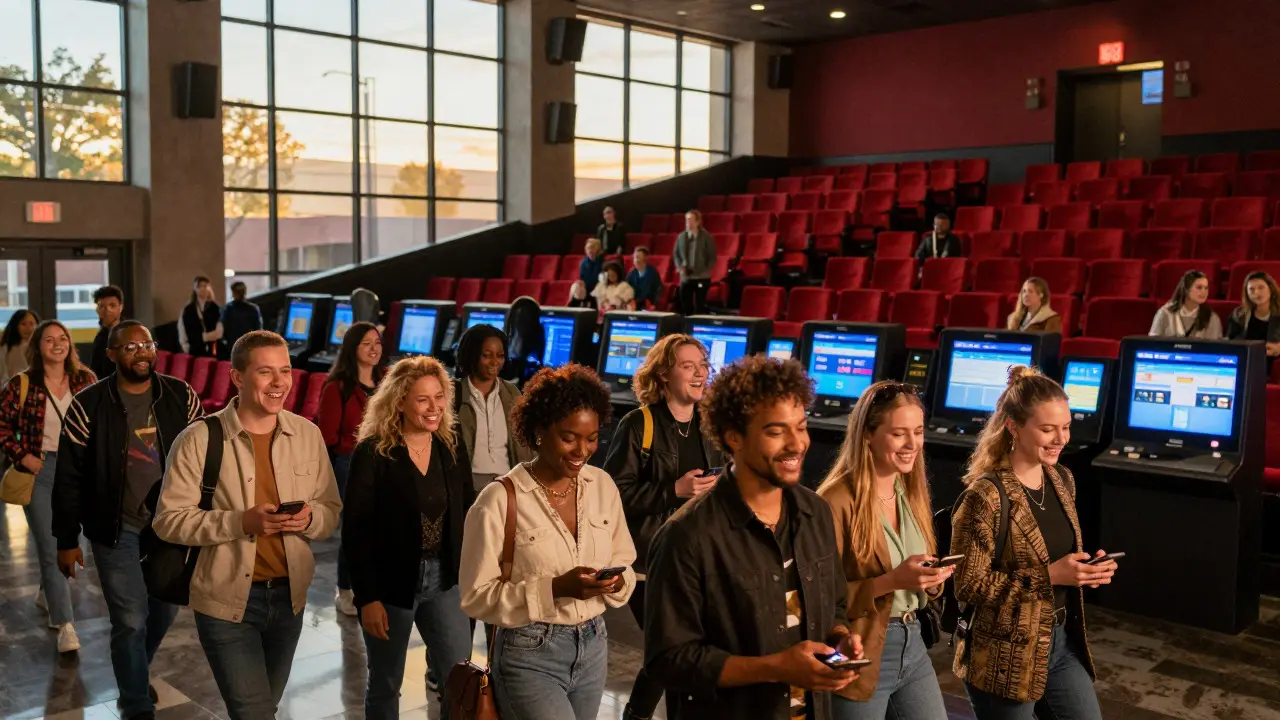
For decades, the path from script to screen for LGBTQ+ cinema was paved with red tape, limited budgets, and audiences that felt like a niche. But if you walked into a movie theater last month, you likely saw something different. Major studios are now greenlighting queer narratives not as special interest projects, but as mainstream blockbusters. This shift isn't just about representation; it’s a structural change in how films are distributed, marketed, and recognized by major awards bodies. Understanding this new landscape helps you see why your favorite indie flick might suddenly appear on a big screen next to a superhero sequel.
The core of this transformation lies in the blurring lines between traditional theatrical distribution and digital consumption. Historically, distributors feared that queer stories wouldn't fill seats outside of major metropolitan areas. Today, data proves otherwise. A film doesn't need to be a global phenomenon to succeed financially if it has a dedicated, passionate audience. This article breaks down the specific mechanisms driving this growth, from festival strategies to the evolving rules of awards eligibility, so you can understand exactly how these films are finding their way to you.
The Shift in Distribution Models
Gone are the days when a small distributor would buy the rights to an LGBTQ+ film and release it in five cities before pushing it straight to video-on-demand. The current model relies heavily on wide releases backed by major studio support or strong mid-size distributors who understand community marketing. Take the success of recent coming-of-age dramas; they often open in 50 to 100 theaters simultaneously rather than starting with just two screens. This strategy is crucial because modern box office tracking rewards momentum. If a film performs well in its opening weekend across multiple regions, algorithms suggest expanding its run, creating a feedback loop that keeps the movie in theaters longer.
Another critical factor is the role of streaming platforms in pre-selling expectations. When a platform like Netflix or Apple TV+ attaches itself to a project early, it signals to theaters that there is a guaranteed second life for the film. This reduces the financial risk for exhibitors. They know that even if the theatrical run is modest, the IP (intellectual property) will generate revenue through subscriptions later. For example, a biopic about a historical queer figure might have a smaller initial audience, but the promise of a massive streaming library ensures that theaters give it a fair shot without demanding exorbitant guarantees.
Festivals as Launchpads
If you want to know where the next big hit is coming from, look at the festival circuit. Festivals like Sundance, TIFF (Toronto International Film Festival), and the Berlinale have become the primary engines for film recognition. These events aren't just screening venues; they are marketplaces where distributors bid on rights. In the past, LGBTQ+ films were often relegated to sidebars or specialized sections. Now, they frequently compete for top prizes in main competitive categories. Winning a jury prize at Sundance, for instance, can double the perceived value of a film in the eyes of buyers. It provides social proof that the story resonates beyond a single demographic.
The timing of these festivals matters immensely. A premiere in January sets up the entire awards season pipeline. By the time the film hits theaters in the spring, the buzz has been building for months. Critics have reviewed it, influencers have discussed it, and the narrative around the film is already established. This sustained attention is what separates a fleeting viral moment from a lasting cultural impact. It allows the film to build a reputation as a "must-see" experience rather than just another title on a list.
Changing Awards Eligibility Rules
One of the most significant barriers to recognition was the arbitrary categorization of films. For years, the Academy Awards and other major ceremonies required films to fit into rigid genres. An LGBTQ+ drama had to prove it was a "drama" first and a "queer story" second. However, recent changes in awards eligibility rules have opened doors. The focus has shifted toward storytelling quality and technical excellence rather than subject matter constraints. This means a musical about a trans dancer can compete against a standard romantic comedy, leveling the playing field.
Furthermore, the expansion of voting members in organizations like the Academy has diversified the perspective of those deciding which films get nominated. As more voters come from underrepresented backgrounds, the bias against niche topics diminishes. This demographic shift ensures that films exploring complex identities are judged on their artistic merit, not their commercial safety. The result is a surge in nominations for films that previously would have been overlooked in favor of safer, more conventional narratives.

The Power of Community Marketing
Distribution gets the film into theaters, but community marketing fills the seats. Unlike general-release movies that rely on broad advertising campaigns, LGBTQ+ films often leverage targeted digital strategies. Social media groups, Pride organizations, and online forums create organic waves of excitement. When a trailer drops, it doesn't just reach random viewers; it reaches people who actively seek out representation. This creates a high conversion rate from viewer to ticket buyer.
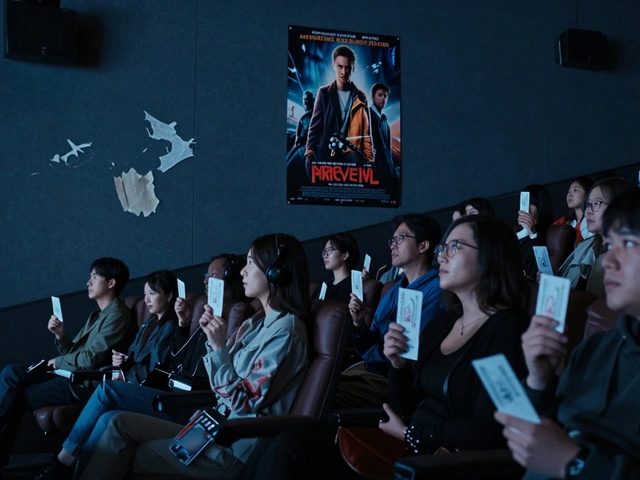
Consider the concept of event cinema. Many theaters now host Q&A sessions with directors, cast members, or activists after screenings. These events transform a simple movie night into a communal experience. People buy tickets not just to watch a film, but to participate in a conversation. This sense of belonging drives repeat attendance and word-of-mouth recommendations, which are far more valuable than paid ads for independent titles. It turns the audience into advocates, effectively doing the marketing work for free.
Challenges That Remain
Despite the progress, hurdles still exist. Regional disparities remain a reality. While New York and Los Angeles have robust circuits for diverse cinema, smaller towns may still struggle to find consistent screenings. Theatrical distribution often prioritizes urban centers, leaving rural audiences dependent on streaming options. Additionally, the cost of production continues to rise, meaning only well-funded projects can afford the wide release necessary for maximum visibility. Independent filmmakers must still navigate a tightrope between artistic integrity and commercial viability to secure the backing needed for a proper theatrical run.
There is also the issue of algorithmic bias in digital discovery. While streaming platforms offer access, their recommendation engines can sometimes bury niche content if it doesn't immediately show high engagement metrics. This makes the initial theatrical push even more critical-it serves as the validation stamp that tells algorithms to promote the film further. Without that physical presence in a theater, a great film can easily get lost in the noise of thousands of other titles available on demand.
Comparing Distribution Strategies
| Strategy Element | Traditional Approach (Pre-2020) | Modern Approach (2026) |
|---|---|---|
| Initial Release Scope | Limited (2-5 theaters) | Wide (50+ theaters) |
| Marketing Focus | Niche press reviews | Targeted social + Event cinema |
| Awards Strategy | Special Interest Categories | Main Competitive Categories |
| Revenue Model | Box Office Only | Theatrical + Streaming Bundle |
| Audience Engagement | Passive Viewing | Active Community Participation |
What This Means for Audiences
For you, the viewer, this evolution means more choice and higher quality. You no longer have to settle for low-budget productions just because they feature characters you identify with. The influx of capital into this space means better cinematography, stronger sound design, and larger casts. It also means that these films are treated as serious art forms deserving of critical analysis, not just emotional resonance. When you see a queer film on the big screen, it’s a sign that the industry has recognized its value both culturally and commercially.
This trend also encourages diversity in other genres. As LGBTQ+ stories normalize themselves in mainstream distribution, they pave the way for other underrepresented voices. The infrastructure built for these films-marketing teams, festival slots, awards consideration-is now flexible enough to accommodate a wider range of perspectives. The line between "niche" and "mainstream" is disappearing, replaced by a spectrum of stories that all compete for the same audience attention based on quality and relevance.
Why do some LGBTQ+ films still have limited releases?
Limited releases often occur when a film lacks major studio backing or when distributors believe the target audience is too geographically concentrated. However, this is becoming rarer as data shows broader appeal. Films with strong festival premieres and clear marketing plans are increasingly securing wide releases to maximize box office potential and awards eligibility.
How does streaming affect theatrical runs for these films?
Streaming partnerships generally extend theatrical runs rather than shortening them. Because the film has a guaranteed future home, theaters are less afraid of losing money. This allows for longer windows between theatrical and digital release, giving the film more time to build word-of-mouth momentum in cinemas before moving to home viewing.
Are awards bodies truly more inclusive now?
Yes, significantly. Changes in voting demographics and the removal of rigid genre restrictions have made it easier for LGBTQ+ films to compete in major categories. While bias may still exist, the structural barriers that previously kept these films out of the conversation have largely been dismantled, leading to more frequent nominations and wins.
What role do festivals play in distribution?
Festivals act as the primary marketplace for independent films. Distributors attend events like Sundance or TIFF to buy rights. A positive reception at a festival validates the film's commercial potential, making it easier to secure financing for a wide theatrical release and effective marketing campaigns.
How can I support LGBTQ+ cinema in my area?
Attend screenings whenever possible, especially during event cinema nights with Q&As. Share your experience on social media to boost algorithmic visibility. Supporting local independent theaters that program diverse content also helps sustain the ecosystem that allows these films to find audiences outside of major city centers.



Comments(8)