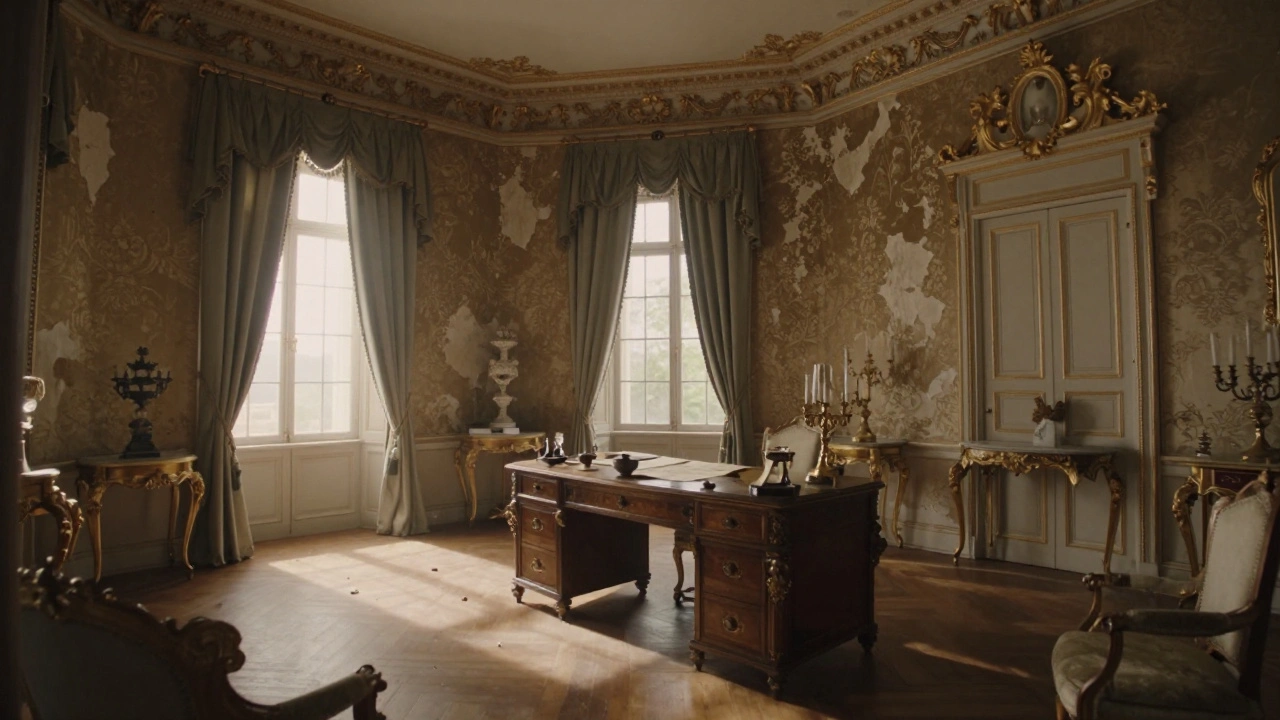
The biggest hurdle in historical recreation is the conflict between accuracy and storytelling. Do you use the exact shade of blue that was available in 1860, or do you use a slightly different tone because the director wants the scene to feel cold and depressing? True authenticity isn't just about copying a textbook; it's about understanding the sociology of the time. It's knowing that a wealthy merchant in 1920s New York wouldn't have a perfectly clean house, but would have specific dust patterns on his mahogany desk that tell us he's a workaholic.
The Core Pillars of Historical Recreation
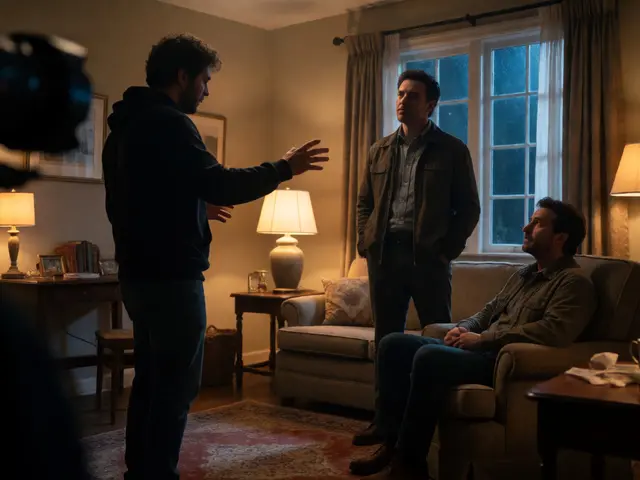
To build a believable world, designers lean on a few non-negotiable elements. First, there's the architecture. You can't just put an antique chair in a modern room. You need the right crown molding, window frames, and floor materials. For example, if you're filming a scene in the Victorian era, you're looking for heavy drapes and dark, moody woods. Set Decoration is the art of filling a set with furniture, art, and accessories to define the character and time period. It turns a hollow stage into a home.
Then there's the concept of "patina." Everything in the real world ages. A brand-new replica of a 1940s radio looks fake because it's too perfect. Professional designers use a process called aging or distressing. They might use sandpaper, tea stains, or actual dirt to make a prop look like it's been handled for twenty years. This is where the magic happens-when a prop feels like it has a history of its own.
| Approach | Pros | Cons | Best For |
|---|---|---|---|
| Original Antiques | Instant authenticity, correct materials. | Expensive, fragile, hard to find in bulk. | Close-up shots, hero props. |
| Custom Replicas | Durable, tailored to camera angles. | Can look "too new," high labor cost. | Action scenes, recurring sets. |
| Modified Moderns | Cheap, fast to deploy. | Risks of anachronisms, looks flat. | Background filler, wide shots. |
Sourcing and the Hunt for Props
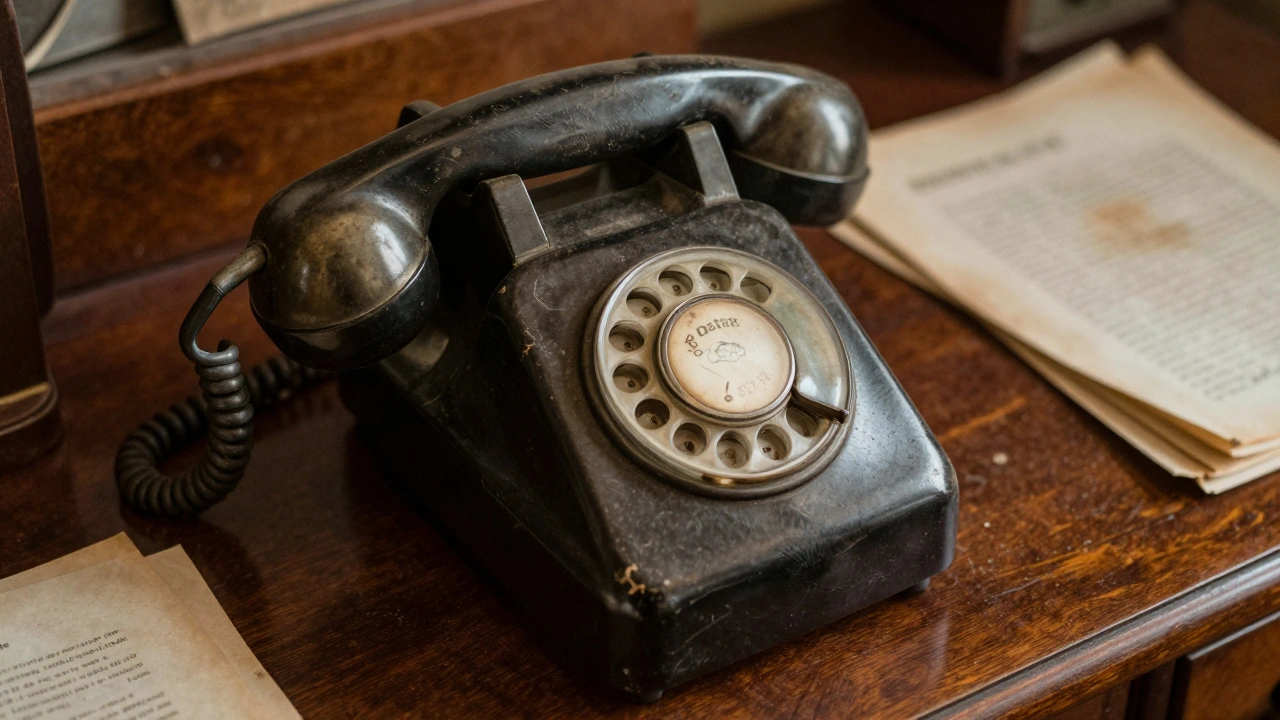
Where do you actually find a 17th-century quill or a 1950s rotary phone? Most designers start with Prop Houses, which are specialized rental warehouses that store thousands of categorized items from various eras. But the real treasures are often found in estate sales, flea markets, or through private collectors. The challenge is that an item might look right from a distance but be anachronistic upon closer inspection. A 1952 lamp in a 1948 setting is a mistake that historians on the internet will find in seconds.
When sourcing, designers create a "look book"-a visual map of the era's color palette, textures, and shapes. If the film is set during the Great Depression, the look book will be filled with muted greys, browns, and worn fabrics. This ensures that every single item, from the salt shaker on the table to the wallpaper in the hall, feels like it belongs to the same universe. It prevents the "furniture showroom" effect, where everything looks like it was bought from the same catalog.
Dealing with Anachronisms and Creative License
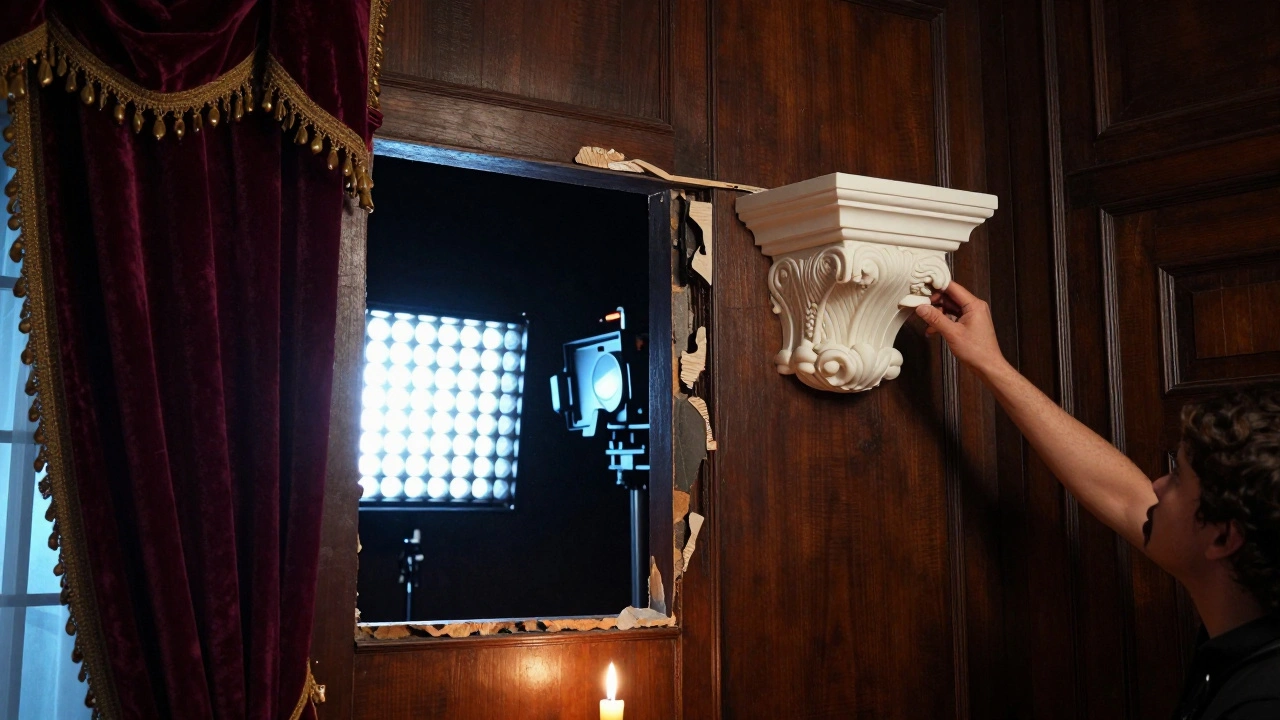
Sometimes, total accuracy is actually a bad idea. If you're making a movie about the 1700s, the lighting in a real room would have been incredibly dim, lit only by candles. But the audience needs to see the actors' faces. This is where Cinematography and production design overlap. Designers might build "cheated" walls-walls that are missing a section-so that the lighting crew can place modern LED panels just inches away from the actors while keeping them out of the shot.
There's also the issue of "visual shorthand." We often use items that the audience *associates* with a time period, even if they weren't common. Think of the classic 1950s diner with neon lights and chrome. While those existed, not every diner looked like that. However, using those elements tells the audience instantly: "We are in the 50s." It's a balance between historical truth and cinematic language.
The Role of Materials and Texture
The tactile nature of a set tells a story without a single line of dialogue. In a wealthy household, you'll see silk, velvet, and polished marble. In a working-class home, it's rough-hewn wood, burlap, and chipped paint. This is why Textile Design is so critical. The weight of a curtain can signal the social status of a character. A heavy, oppressive velvet curtain suggests a world of secrets and rigidity, while a light linen sheet suggests openness or poverty.
Modern production design also uses 3D printing to recreate intricate historical architectural details. Instead of carving a massive wooden corniced ceiling by hand-which would take months-designers can 3D print the molds and cast them in lightweight resin. Once painted, these replicas are indistinguishable from the real thing, proving that technology can actually help us recreate the past more accurately.
Collaborating with Costume and Art Departments
A production designer doesn't work in a vacuum. They are in a constant dance with the Costume Designer. If the lead character is wearing a bright red dress, the walls of the room cannot be red, or the actor will vanish into the background. They coordinate on a master color palette. If the era is the 1920s "Jazz Age," they might agree on a palette of gold, black, and deep emerald to evoke luxury and decadence.
The Art Department handles the construction, while the Production Designer oversees the vision. Together, they manage the "breakdown" of the set. This means planning how the environment changes as the story progresses. If a character's life falls apart, the production design should reflect that-the once-pristine home becomes cluttered, the wallpaper peels, and the flowers in the vase wither. The environment becomes a mirror of the internal psychological state of the characters.
What is the difference between a set decorator and a production designer?
The production designer is the "architect" of the entire visual world, deciding the overall look, feel, and color palette. The set decorator is the one who executes that vision by sourcing the specific furniture, curtains, and small objects (the "dressing") that fill the space and make it feel real.
How do designers handle the risk of modern anachronisms?
Designers use a rigorous checking process involving historical consultants. They also employ "set dressers" who do a final sweep of the scene to ensure no modern elements-like a plastic water bottle or a modern electrical outlet-are visible to the camera.
Can you use modern materials to recreate historical sets?
Yes, and they often do. Lightweight foams, resins, and 3D prints are common. The key is the finishing process; using a combination of paint, stains, and texture sprays to make synthetic materials look like stone, wood, or rusted metal.
Why is 'patina' so important in period pieces?
Patina is the visual evidence of time and use. Without it, a set looks like a museum or a furniture store. Adding wear and tear makes the environment feel lived-in, which helps the actors feel more comfortable and the audience believe the world is real.
How does the color palette change based on the era?
Color palettes are dictated by the dyes and pigments available at the time. For example, a medieval setting might rely on earthy tones and rare, expensive dyes like Tyrian purple, while a 1960s set would feature the bold, saturated plastics and neons of the era's industrial boom.
Next Steps for Aspiring Production Designers
If you're looking to get into this field, start by visiting local museums-not just for the art, but for the details. Look at the way a 19th-century desk is organized. Note the heights of the chairs and the types of fabrics used in the upholstery. Try building a small-scale "mood board" for a specific year, collecting textures, colors, and images that define that era.
For those already working on indie projects, focus on "hero areas." You don't need to make the whole room perfect; just make the area where the camera spends 90% of its time look authentic. Use high-quality textures and a few key authentic props to trick the eye, and keep the rest of the space simple. Remember, the goal isn't to create a history book-it's to create a believable world that serves the story.




Comments(8)