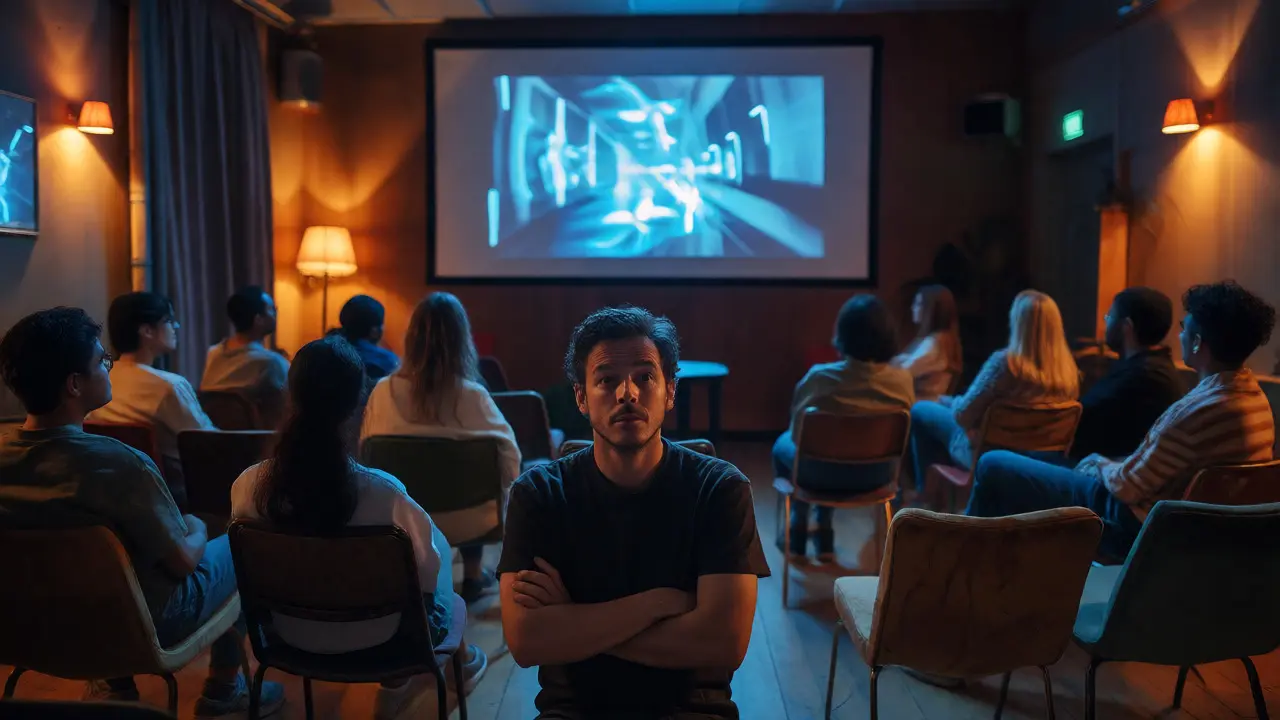
Imagine you’ve spent three years bleeding over a script, shooting in the rain for weeks, and editing until your eyes blur. You think your movie is perfect. Then, you put it in front of fifty strangers, and half of them check their phones during the second act. That’s the brutal, beautiful reality of test screenings. For independent filmmakers, these aren’t just ego checks; they are critical data points that can save a project from obscurity or elevate it to festival darling status.
Unlike major studio films with massive marketing budgets and guaranteed distribution deals, indie films often live or die by word-of-mouth and critical reception. A confusing narrative or a pacing issue that goes unnoticed in the edit suite can kill momentum before a film even hits the screen. This guide breaks down exactly how independent creators use test screenings to refine their cuts, moving beyond vague feelings of "it doesn't work" to actionable editing decisions.
The Psychology Behind the Room
Before we talk about cutting scenes, let’s talk about who is watching. In Hollywood, test audiences are often recruited via phone surveys and paid $50 to sit in a sterile theater. In the indie world, you’re likely inviting friends, fellow filmmakers, and maybe some local community members. The dynamic is different. You have less control, but potentially more honest feedback if you curate the right mix.
The goal isn’t to please everyone. It’s to identify where the story breaks. When an audience laughs at a dramatic moment, or falls silent during a joke, that’s not failure-it’s information. Human beings are empathetic mirrors. If you feel bored, they likely do too. But you’re biased because you know what comes next. The test audience doesn’t. They judge the flow based on pure engagement.
Audience Response Testing is the process of screening a rough cut of a film to a sample group to gauge reactions and identify areas for improvement. Unlike focus groups which rely on verbal discussion, response testing often uses quantitative metrics like dial tests or detailed questionnaires to measure emotional peaks and valleys.
Pre-Screening Prep: Protecting Your Vision
You don’t just throw a raw assembly into a theater and hope for the best. Preparation is everything. First, decide what kind of feedback you need. Are you worried about plot clarity? Character likability? Pacing? Or maybe the ending?
- Define the Problem: Don’t ask "Did you like it?" Ask specific questions. "Was the motivation for the protagonist clear in Act 2?" gives you usable answers.
- Curate the Audience: Aim for 10-15 people for a small indie screening. Too few, and one loud voice dominates. Too many, and shy viewers won’t speak up. Include a mix of people who know you and total strangers.
- The Disclaimer: Tell them upfront this is a work in progress. Warn them about missing sound effects, temp music, or unfinished visual effects. This lowers expectations for polish so they can focus on story.
I remember screening a short thriller I directed in Asheville. We had no budget for professional foley, so the footsteps were placeholder audio. Half the audience complained about the "loud shoes." Once we fixed the audio, those complaints vanished. Lesson learned: warn them about technical gaps, or they’ll critique things you already know are broken.
The Screening Night: Observation Over Interaction
During the screening, your job is to shut up. Seriously. Do not explain why a character did something. Do not defend a slow scene. Just watch the faces. Note when people lean forward, when they cross their arms, when they look at their watches. These non-verbal cues are gold.
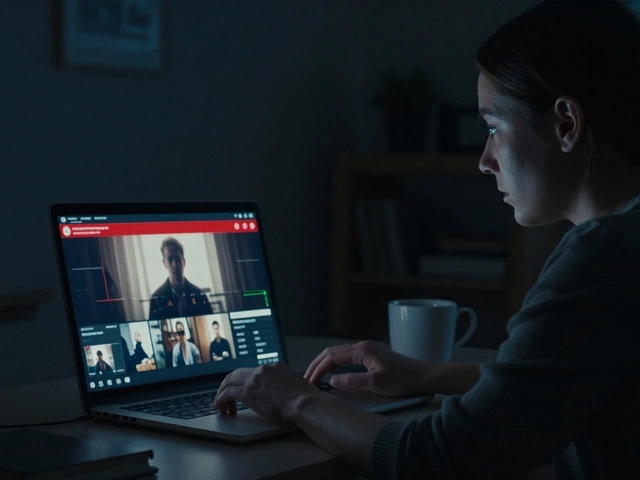
If you’re using a digital platform like Screener or Vimeo OTT for remote screenings, use timestamped comments. Tools like Frame.io allow collaborators to leave notes directly on the timeline. For physical screenings, hand out index cards. Ask two simple questions after each section (or at the end):
- What was the most boring part?
- What was the most confusing part?
Why these two? Because "boring" usually means pacing issues or unnecessary exposition. "Confusing" usually means missing context or poor continuity. Avoid asking "What did you love?" initially. Positive feedback feels good, but it doesn’t help you fix the movie. You need to find the cracks first.

Analyzing the Data: Separating Noise from Signal
After the night, you’ll have a pile of index cards or a spreadsheet of comments. Now comes the hard part: synthesis. One person saying "I hated the red shirt" is noise. Five people saying "I didn’t understand why he left town" is signal.
| Feedback Type | What It Means | Editing Solution |
|---|---|---|
| "I got lost." | Narrative clarity issues. | Add establishing shots, clarify dialogue, or reorder scenes. |
| "It dragged." | Pacing problems. | Cut redundant lines, shorten pauses, remove subplots. |
| "I didn’t care about X." | Lack of empathy/connection. | Show competence or vulnerability earlier in the film. |
| "The ending felt rushed." | Emotional payoff missing. | Extend the final sequence, add reaction shots, adjust score. |
Look for patterns. If multiple people say the same thing about the same scene, you have to change it. Even if you disagree. Remember, you are making the film for an audience, not just for yourself. However, be wary of "design by committee." If ten people give ten different solutions, trust your instincts on the problem, but choose your own solution.
The Edit Suite: Making the Changes
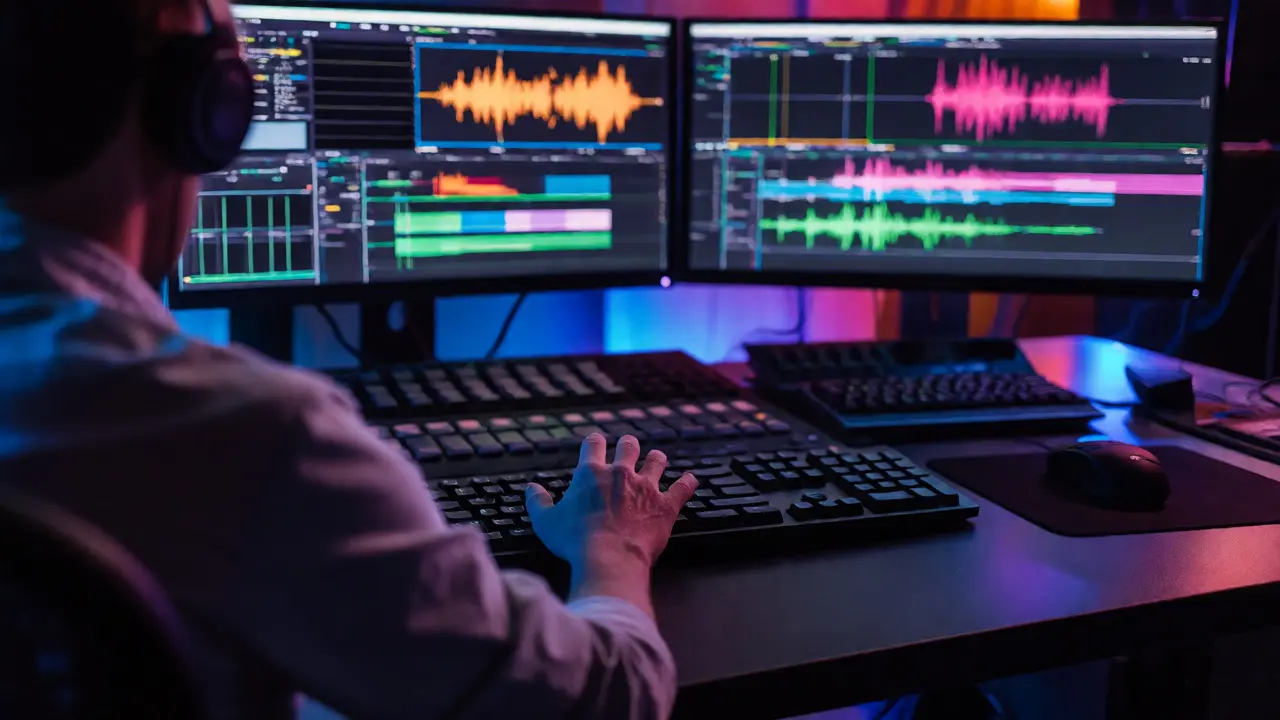
Once you’ve identified the pain points, it’s time to cut. This is where experience matters. Novice editors might delete entire scenes because someone said they were boring. Pro editors know that sometimes, trimming ten seconds from five different scenes solves the pacing issue without losing content.
Consider the "Rule of Three." If a scene serves only one purpose (e.g., showing a character eating breakfast), and it doesn’t advance plot or reveal character, cut it. Test audiences rarely notice small trims, but they definitely notice when the energy sags.
Another common tweak involves the "cold open." Many indie films start slowly to build atmosphere. If test screenings show high drop-off rates in the first five minutes, consider starting later in the action. You can always weave in backstory through dialogue later. Think of Parasite (directed by Bong Joon-ho). While not strictly an indie in the micro-budget sense, its tight pacing and immediate engagement offer lessons for any filmmaker. The film wastes zero seconds. Every frame has a job.
Re-Screening: The Second Pass
Don’t assume your fixes worked. You must re-screen. Ideally, use a fresh audience. Why? Because the first group knows the flaws. Their brains are primed to spot them again. A new group will react naturally to the new flow.
If you can’t afford another full screening, try a "guerrilla test." Show the revised reel to three trusted peers who haven’t seen it yet. Watch their faces. Did the confusion clear up? Did the boredom lift? If yes, you’re good. If no, go back to the drawing board.
This iterative process-screen, analyze, edit, re-screen-is the backbone of effective post-production. It prevents the "director’s blindness" where you become so attached to a shot that you forget it doesn’t serve the story. Independence in filmmaking doesn’t mean ignoring feedback; it means having the agency to choose which feedback to heed.
Ethical Considerations and Expectations
Be fair to your testers. If you invite them, thank them. Buy them pizza. Send a handwritten note. They are giving you their valuable time. Also, manage their expectations. If you tell them "this is terrible," they might be overly harsh. If you say "it’s perfect," they might hold back criticism. Find the middle ground: "We’re trying to make this as engaging as possible. Help us find where it lags."
Also, respect privacy. If you’re sharing unreleased footage, get NDAs if necessary, especially if you plan to send it to festivals or distributors. Leaks can hurt a small film’s marketability.
Real-World Example: Fixing a Broken Third Act
Let’s look at a hypothetical scenario. You’ve made a low-budget sci-fi drama. The first two acts test well. People love the visuals and the mystery. But the third act gets mixed reviews. Comments include: "Too much talking," "Didn’t believe the sacrifice," and "Wish there was more action."
Your instinct might be to reshoot the climax. But reshoots cost money you don’t have. Instead, look at the edit. Maybe the dialogue explaining the science is too long. Cut it. Let the visuals speak. Maybe the hero’s hesitation before the sacrifice feels unearned. Insert a flashback from Act 1 that shows his fear of death. This requires no new footage, just smart re-editing. By addressing the "confusion" and "lack of belief" signals, you tighten the narrative without breaking the bank.
Tools of the Trade
You don’t need expensive software. Here are the essentials for indie test screenings:
- Screening Platforms: Vimeo OTT, Screener, or even secure YouTube links. Ensure they allow download restrictions.
- Feedback Tools: Google Forms for structured questions. Miro boards for visualizing emotional arcs.
- Communication: Slack or Discord channels for quick team updates during the screening.
- Analytics: If streaming remotely, watch play/pause data. Where did people pause? What parts did they skip?
Remember, technology is just a vessel. The human connection remains the core. A face-to-face conversation after a local screening often yields more insight than a thousand online clicks.
How many people should attend a test screening?
For independent films, a group of 10 to 15 people is ideal. This size allows for diverse opinions while keeping the session manageable. Larger groups can dilute individual voices, while smaller groups may lack statistical significance in their feedback.
Should I pay my test audience?
Not necessarily. For indie films, offering food, drinks, or a social event is often sufficient. Paying can attract people who are there for the money rather than genuine interest, leading to less thoughtful feedback. However, if you recruit strangers, a small stipend ($10-$20) can ensure attendance and seriousness.
What if the audience hates my ending?
Analyze why. Is it confusing? Unearned? Too bleak? If the logic holds but the emotion fails, consider tweaking the pacing or adding context. If the concept itself is flawed, you may need to rewrite or reshoot. Don’t change the ending just because it’s unpopular; change it because it doesn’t serve the story.
Can test screenings ruin a film?
Yes, if handled poorly. Trying to please every tester can lead to a generic, soulless product. The key is to filter feedback through your creative vision. Use screenings to identify objective problems (clarity, pacing) rather than subjective tastes (genre preferences).
When is the best time to hold a test screening?
Hold screenings at three stages: early rough cut (for structure), locked picture (for pacing and clarity), and near-final cut (for tone and impact). Early screenings catch structural errors when they are cheap to fix. Late screenings polish the experience.