There is a specific kind of heartbreak that hits when a beloved movie series just... stops. Or worse, when it ends on a note that feels rushed, confusing, or completely disconnected from the journey you took with those characters for years. Ending a franchise isn't just about wrapping up a plotline; it's about honoring the emotional investment fans have made over decades. Whether you are a screenwriter staring at a blank page or a producer weighing the box office risks, the goal remains the same: deliver a satisfying final film that stands on its own while respecting the legacy.
The pressure to get this right is immense. You aren't just writing a movie; you're closing a chapter in pop culture history. The difference between a celebrated finale and a forgotten footnote often comes down to how well you manage expectations, resolve character arcs, and decide what to leave behind. It’s not about saving every loose end-it’s about making sure the ones you do tie up feel earned.
Defining the Core Purpose of the Finale
Before you outline a single scene, you need to answer a fundamental question: What is this final film actually doing? Is it a definitive conclusion to the story, or is it setting up a new era? This distinction changes everything about your pacing, tone, and marketing strategy.
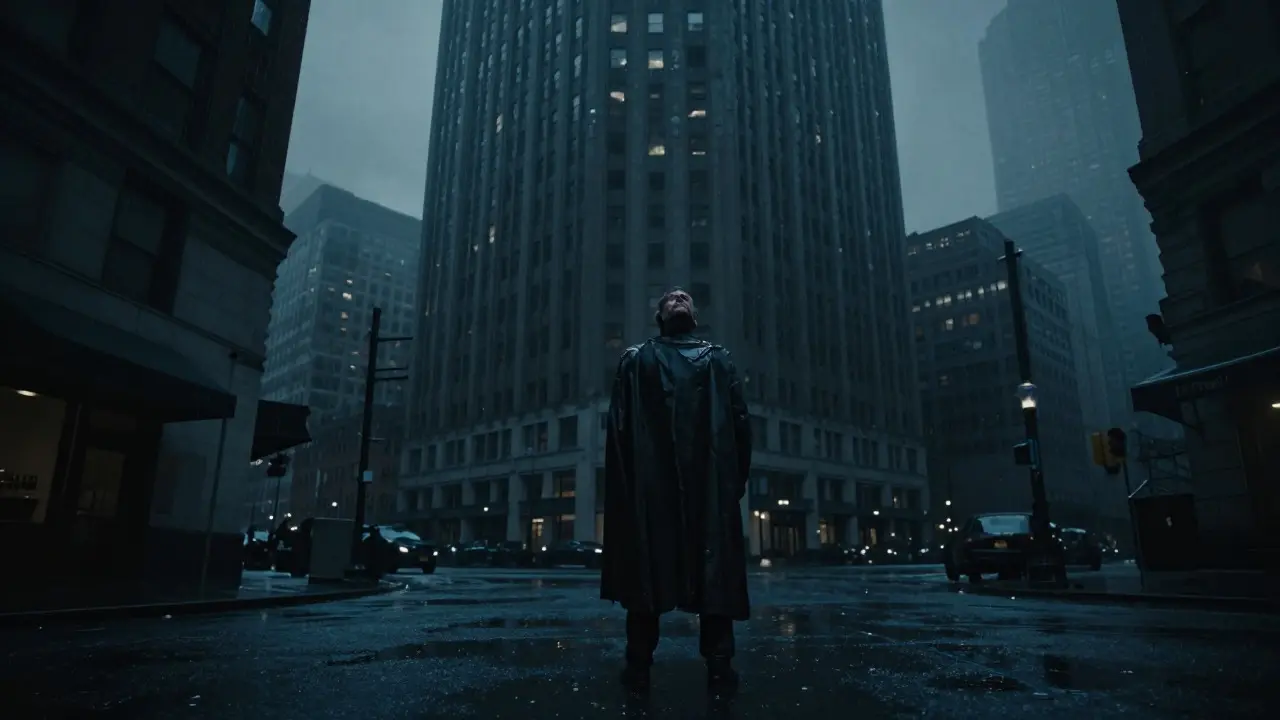
A true finale prioritizes resolution over expansion. Think of The Dark Knight Rises as a concluding installment in Christopher Nolan's Batman trilogy that focuses on Bruce Wayne's retirement and the legacy of Gotham City. The primary job was to close the loop on Bruce's arc. In contrast, a "soft" ending might keep the door open for prequels or spin-offs, which can dilute the sense of finality if not handled carefully.
- Definitive Closure: Every major character arc reaches a logical endpoint. The world has changed permanently.
- Cyclical Resolution: The story returns to where it began, but with transformed perspectives (e.g., Return of the Jedi).
- Open-Ended Legacy: The main conflict is resolved, but the universe continues without the protagonists (e.g., Star Wars: The Rise of Skywalker’s approach to the Force).
Deciding early prevents the common trap of trying to satisfy both camps-the purists who want a hard stop and the casual viewers who want more. Pick your lane. If you choose definitive closure, commit to it fully. Ambiguity only works if it serves the theme, not just the studio's long-term plans.
Managing Character Arcs and Emotional Payoff
Fans don't remember plot holes as vividly as they remember feeling cheated by a character's fate. The core of a satisfying ending is character consistency. Who are your protagonists now, after everything they've been through? Have they grown? Have they broken? The final film must reflect these changes physically and emotionally.
Consider the concept of Narrative Arc as the structural path a character takes from beginning to end, involving change in perspective or status. In a multi-film saga, this arc spans years. Your final script needs to acknowledge that weight. If your hero started as an idealist and became a cynic, the ending shouldn't suddenly revert them to innocence unless there's a powerful catalyst for that change.
The key here is specificity. Don't just say "they are happy." Show them dealing with the aftermath. Does the hero struggle with PTSD? Does the villain find peace in obscurity? These details ground the abstract concept of "ending" in tangible human experience.

Structuring the Narrative for Maximum Impact
Pacing in a finale is different from a standalone movie. You have less room for exposition because the audience already knows the rules. However, you also have more responsibility to pay off setups that were planted five or ten films ago. This requires a tight three-act structure that balances new conflicts with old resolutions.
- Act One: The Return. Re-establish the stakes. Why does this matter *now*? Connect the current threat to the overarching mythology. Keep exposition minimal; use visuals and character reactions instead.
- Act Two: The Convergence. Bring together subplots from previous films. Introduce the final antagonist or challenge. Ensure that side characters from earlier entries have meaningful roles, even if brief.
- Act Three: The Resolution. Execute the climax. Avoid deus ex machina. The solution should stem from the protagonist's growth throughout the series. Follow with a denouement that provides emotional breathing room before the credits roll.
One common mistake is overcrowding Act Two with cameos. While nostalgia sells tickets, it can bloat the runtime and distract from the main narrative thread. Use cameos strategically-only include characters whose presence directly impacts the final outcome or provides crucial thematic closure. If a cameo doesn't serve the story, cut it.
Visual Language and Thematic Consistency
A franchise builds a visual identity over time. Lighting styles, color palettes, camera movements, and set designs become part of the brand. In the final film, you have the opportunity to evolve this language to reflect the maturity of the story.
If the first film was bright and energetic, the finale might be darker and more grounded. This visual shift signals to the audience that things have changed. For example, the practical effects-heavy aesthetic of early Star Wars trilogies gave way to the digital polish of the sequels, a shift that reflected both technological advancement and a different tonal approach. Consistency doesn't mean repetition; it means evolution. The audience should recognize the world, but feel that it has aged alongside the characters.
Music plays a similar role. Themes introduced in the first film can be reworked in the finale to convey different emotions. A heroic motif played softly in a minor key can signal tragedy or reflection. Working closely with the composer to create a "final variation" of the main theme can be one of the most powerful tools in your arsenal.

Avoiding Common Pitfalls in Franchise Endings
Even with the best intentions, finales can go wrong. Here are the traps that frequently derail otherwise good stories:
- The Retcon Trap: Changing established facts to fit the new plot. Audiences notice inconsistencies. If you must retcon, make it explicit within the story (e.g., "memory wipe") rather than silent.
- Over-Reliance on Nostalgia: Filling the film with references to past movies instead of telling a compelling present-day story. The past should inform the present, not replace it.
- Rushed Pacing: Trying to cover too much ground in two hours. Sometimes, it's better to leave some questions unanswered than to rush through resolutions. Trust the audience to fill in the gaps.
- Tonal Whiplash: Shifting abruptly from serious drama to broad comedy (or vice versa) without justification. Maintain the emotional register established in the preceding films, allowing for natural shifts based on character development.
Self-awareness is your friend. If the franchise has always been campy, lean into it. If it's been gritty, stay grounded. Know your audience's expectations and either meet them or subvert them intentionally.
Marketing the Final Chapter
Ending a franchise is also a marketing event. You need to communicate the significance of this moment to audiences without spoiling the twist. Teasers should emphasize the emotional weight of the finale rather than just the action sequences. Phrases like "The Journey Ends" or "One Last Ride" help set the tone.
Engage with fan communities early. Listen to their theories and concerns. While you don't need to cater to every fan wish, acknowledging their investment shows respect. Post-production events, such as exclusive screenings or Q&As with the cast and crew, can build anticipation and provide a space for collective celebration of the series' legacy.
Finally, consider the post-release landscape. Will there be a special edition release? A documentary about the making of the film? These extensions can keep the conversation alive and allow for deeper dives into the creative process, reinforcing the idea that this was a significant cultural moment.
How long should a franchise finale be?
There is no fixed rule, but finales often run longer than standard installments to accommodate resolution scenes. A runtime of 140-160 minutes is common for epic conclusions, provided every minute serves the narrative. Avoid padding; if a scene doesn't advance the plot or deepen character understanding, cut it.
Is it okay to kill off main characters in a finale?
Yes, if it serves the story. Character death can provide powerful closure, especially if the character has completed their arc. However, ensure the death feels earned and not gratuitous. Fan backlash usually stems from deaths that feel random or disrespectful to the character's journey, not from the act itself.
Should I include cameos from previous films?
Only if they add value. Cameos should enhance the final scene or provide necessary context. Avoid using them solely for box office bait. If a character hasn't appeared in the last two films, ask why they need to be in the finale. Their absence can be a statement in itself.
How do I handle unresolved plot threads?
Not every thread needs tying. Focus on resolving the central conflict and major character arcs. Minor plot points can remain ambiguous if they don't impact the main story. Over-explaining can weaken the impact of the finale. Trust the audience to understand that some questions are meant to stay open.
What makes a franchise ending "satisfying" versus "disappointing"?
Satisfaction comes from emotional resonance and logical consistency. Disappointment usually results from broken promises, rushed pacing, or tonal inconsistency. If the ending feels like a natural conclusion to the journey the audience took, it will be remembered positively, even if the plot twists are unexpected.



Comments(8)