You made a movie. You premiered it at Sundance or SXSW, got some press, and now you are staring at your hard drive wondering how to get it onto actual screens. It is not enough to just email the local theater manager and hope they say yes. Getting an independent film into an Art House Cinema is a business transaction, not a favor. These theaters survive on tight margins and careful programming. If you want your film shown, you need to speak their language: risk mitigation, audience data, and guaranteed foot traffic.
Most indie filmmakers think distribution starts with a distributor. In reality, for most films under $1 million in budget, you are often your own distributor. This guide breaks down exactly how to book a run in art houses, whether you are working with a sales agent or going it alone.
Understanding the Art House Business Model
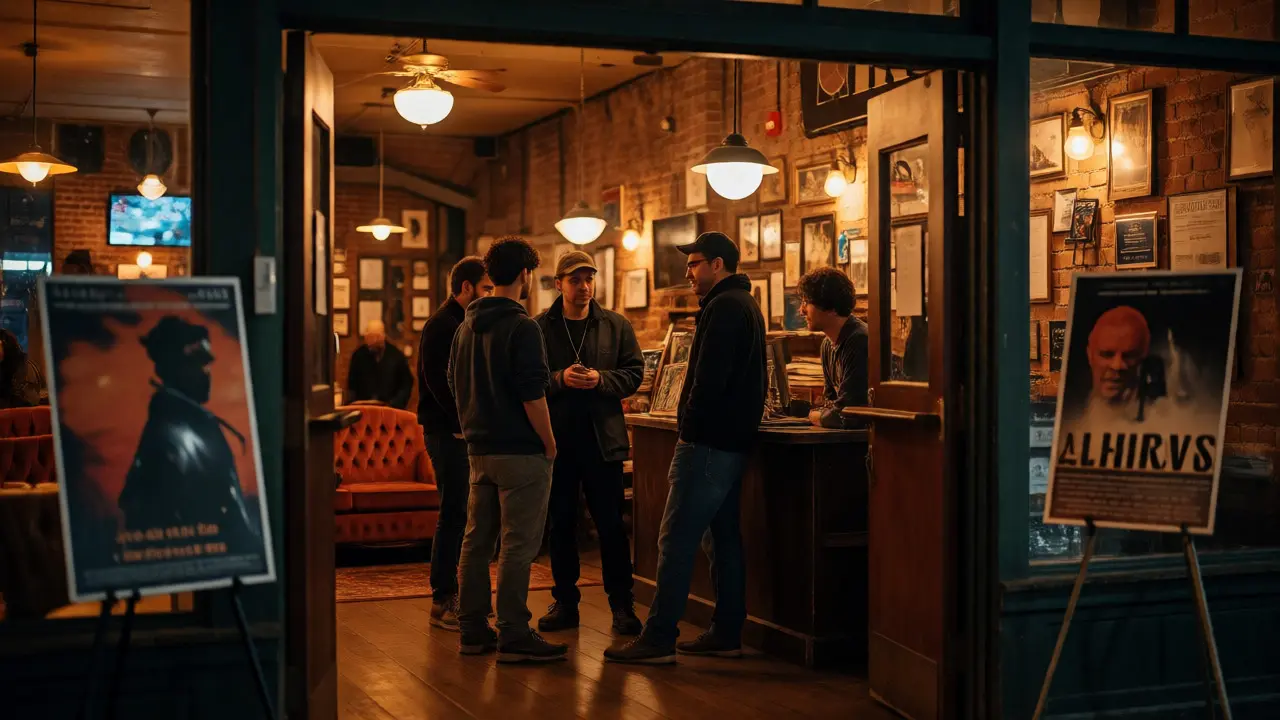
Before you pitch, you must understand who you are pitching to. An art house theater is not a chain like AMC or Regal. They do not have corporate headquarters deciding what plays. The person you talk to is usually the owner or a head programmer who lives in that city. Their primary goal is keeping the lights on while curating quality content.
They care about three things:
- Per-screen average (PSA): How much money does this movie make per screen? If your film brings in $500 on opening night, that is better than a blockbuster bringing in $400 on two screens.
- Audience Demographics: Does your film fit their brand? A theater known for horror might pass on a quiet drama unless you bring a specific crowd.
- Risk: Can they lose money if no one shows up? This leads us to the most common booking model for indies.
The Four-Waller Strategy: Who Takes the Risk?
If you don’t have a distributor, you will likely hear the term “four-walling.” This is where you rent the theater space from the venue for a set period (usually one week). You keep all ticket revenue; the theater keeps concessions and maybe a small fee. For the theater, it is zero risk. For you, it is high risk but high reward if you pack the seats.
Why do art houses love four-walling? Because it fills empty screens. But they won’t let you four-wall just any Tuesday night. They want weekends. Here is how to negotiate it:
- Prove Demand: Show them your email list size, social media followers in that zip code, and past event attendance.
- Offer a Hybrid Deal: Instead of pure four-walling, offer a split. Maybe you cover the first week’s costs, and if you hit a certain gross, you switch to a percentage split (e.g., 60% to you, 40% to them).
- Bring Events: Don’t just show the movie. Organize Q&As, themed nights, or partnerships with local nonprofits. This drives concession sales, which is the theater’s real profit center.
| Model | Risk Bearer | Revenue Split (Typical) | Best For |
|---|---|---|---|
| Four-Wall | Filmmaker | 100% Ticket / Concessions to Theater | Films with strong local fanbases |
| Percentage Split | Shared | 60-70% Filmmaker / 30-40% Theater | Mid-level indies with some buzz |
| Flat Fee Rental | Filmmaker | N/A (Fixed Cost) | One-off special screenings |
| Distributor Deal | Distributor | Negotiated (often 50/50 after recoupment) | Films with major festival awards |
Finding the Right Venues
Not every theater is an art house. Some are “second-run” theaters showing movies six months late. Others are multiplexes with one “art house” screen buried in the back. You want dedicated single-screen or multi-screen independents that program curated content.
Use resources like IndieWire’s theater listings or the National Association of Theatre Owners database, but also use your feet. Go to the theater. Buy a ticket. Watch how they treat customers. Talk to the staff. Ask who programs the films. Often, the answer is “the owner’s spouse” or “a guy named Dave.” Find Dave.
When researching venues, look for these signals:
- Do they host local filmmaker showcases?
- Are their posters hand-drawn or locally printed?
- Do they have a loyalty program or membership?
If the answer is yes, they value community engagement, which is your biggest asset as an indie.

The Pitch Email That Actually Gets Opened
Programmers receive hundreds of emails a week. Most go straight to trash because they look like spam. Do not send a generic blast. Do not attach a 90-page EPK (Electronic Press Kit) in the first email. Keep it short, specific, and focused on value for them.
Here is a structure that works:
Subject: [Film Title] Screening Opportunity - Strong Local Audience Potential
Body:
“Hi [Name], I noticed you programmed [Similar Film] last year and had great turnout. My film, [Title], has a similar tone but focuses on [Unique Hook]. We have [Number] confirmed attendees from our mailing list in [City Name] ready to buy tickets for a weekend run. We are looking to partner with a venue that supports local voices. Are you open to discussing a four-wall or split deal for [Month]?”
Notice what isn’t there: Your life story, your camera specs, or why you deserve a shot. Focus on the numbers and the fit.
Leveraging Festivals and Awards
Having a festival laurel helps, but only if it means something to the local audience. A “Official Selection” sticker from a tiny festival in Ohio means little to a programmer in Los Angeles. However, winning “Audience Award” at a regional festival nearby carries weight.
Art houses trust peer validation. If you screened at a respected regional festival, mention it. Better yet, ask that festival director to introduce you to the theater owner. Warm introductions close deals faster than cold emails ever will.
Also, consider “eventizing” your release. Instead of just releasing the film, release it alongside a cause. Partner with a local charity related to your film’s theme. Promise a portion of ticket sales to them. Now you aren’t just selling tickets; you’re driving a community event. Theaters love this because it builds goodwill and brings in people who wouldn’t normally go to the movies.
Marketing Responsibilities: What You Must Bring
If you want a favorable split, you cannot expect the theater to market your film. They will put it in their newsletter and post on Instagram, but that is passive. You need active promotion.
Be prepared to deliver:
- Local Social Ads: Run Facebook/Instagram ads targeting a 10-mile radius around the theater. Show them the ad spend plan before you sign.
- Press Coverage: Get reviews in local alternative weeklies or blogs. Send clippings to the programmer.
- Talent Presence: Can you or your lead actor attend opening night? Physical presence doubles perceived value.
When you present this package, you shift the dynamic from “please show my movie” to “here is a turnkey event that makes you money.”

Negotiating Terms and Contracts
Once they say yes, get it in writing. Even a simple email confirmation works for small runs, but a contract protects both sides. Key terms to watch:
- Holdover Clause: If the film performs well, can you extend the run? Or does the theater pull it after one week regardless?
- Concession Splits: Usually, the theater keeps 100% of concessions. Don’t fight this; it’s their margin.
- Print Costs: Who pays for the DCP (Digital Cinema Package)? As of 2026, many theaters accept hard drives or secure cloud links, reducing this cost. Clarify who covers shipping or upload fees.
- Minimum Guarantee: In four-walling, you pay a flat fee. Make sure you calculate break-even points accurately based on seat count and average ticket price.
Don’t be afraid to ask for flexibility. If you miss your target on Friday, can you add a Saturday matinee? Good programmers will work with you if you communicate early.
Common Pitfalls to Avoid
I’ve seen filmmakers burn bridges by being difficult. Don’t be that person. Here are mistakes to avoid:
- Overestimating Your Audience: Just because you have 10,000 Instagram followers doesn’t mean 1,000 will live in that city. Be realistic.
- Poor Technical Prep: Arriving without a proper DCP or having audio sync issues kills trust instantly. Test your file at the theater before opening night.
- Ignoring the Staff: Treat the projectionist and box office staff with respect. They control the vibe of the screening. Tip them. Buy them coffee.
Building relationships takes years. One successful run in a small town can lead to referrals in neighboring cities. Treat every booking as a long-term partnership, not a one-time sale.
Key Takeaways
- Know the Venue: Research their programming style and financial needs before contacting them.
- Reduce Their Risk: Offer four-walling or hybrid deals that guarantee revenue or fill seats.
- Market Aggressively: Bring your own audience through targeted local advertising and events.
- Professionalism Matters: Clear communication, technical readiness, and respectful negotiation build lasting industry connections.
What is a four-wall booking?
A four-wall booking is when a filmmaker rents a theater screen for a specific period, paying a flat fee to the venue. The filmmaker keeps all ticket revenue, while the theater retains concession sales. This model shifts the financial risk entirely to the filmmaker but allows for higher potential profit if the film draws a large crowd.
Do art houses require distributors for indie films?
No, many art houses work directly with filmmakers, especially for smaller budgets. While distributors handle logistics and marketing for larger releases, independent theaters often welcome direct bookings if the filmmaker can prove audience demand and handle the marketing themselves.
How much should I budget for a four-wall release?
Costs vary widely by location and theater prestige. In smaller markets, weekly rental fees might range from $500 to $1,500. In major cities like New York or Los Angeles, prime weekend slots can cost $3,000 to $10,000+ per week. Always factor in marketing costs, which often exceed the rental fee.
What is a DCP and do I need one?
A Digital Cinema Package (DCP) is the standard digital format for projecting movies in theaters. It ensures high-quality video and audio playback. Most professional art houses require a DCP rather than a Blu-ray or ProRes file. Creating a DCP can cost between $500 and $1,500 depending on the service provider.
How far in advance should I contact theaters?
Start contacting theaters 3 to 6 months before your desired release date. Popular art houses program their schedules months in advance. Reaching out too late means you might miss prime weekend slots, forcing you into less desirable weekday screenings.