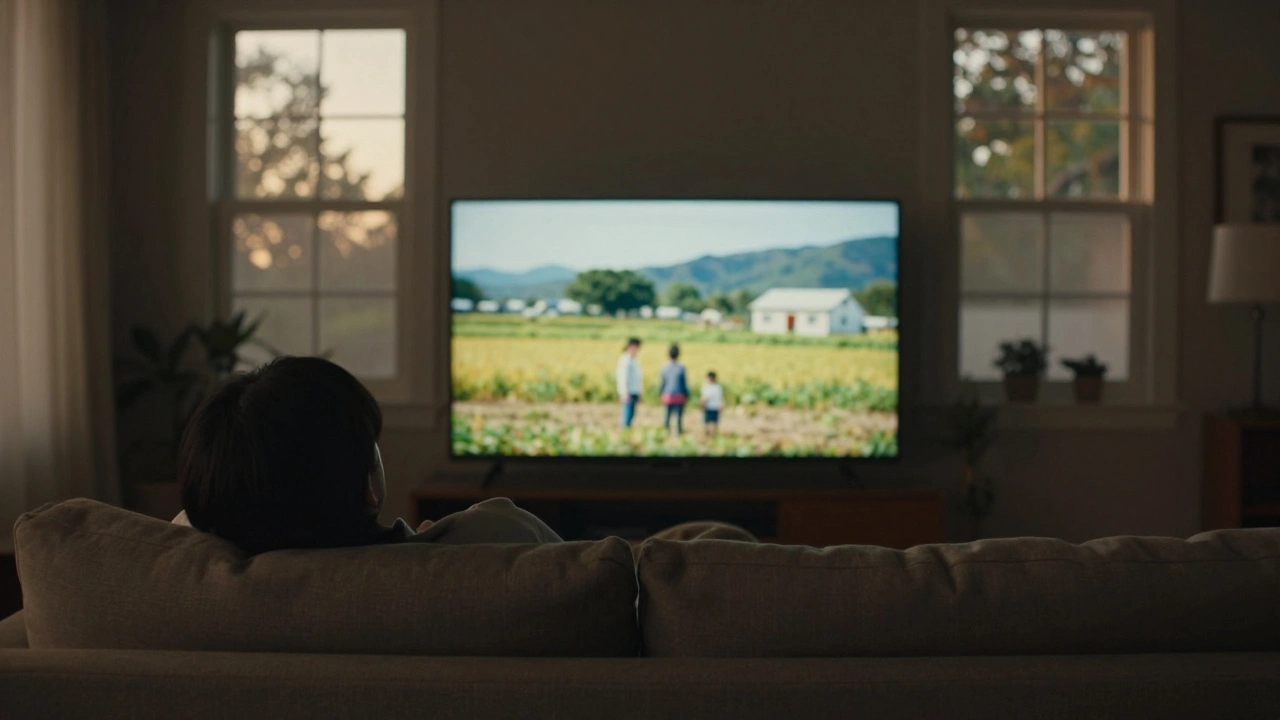
Independent films used to disappear after a quick run at Sundance. Now, they’re fighting for attention on Netflix, Hulu, Amazon Prime, and Apple TV+. The game changed. Studios don’t need theaters anymore. They need algorithms. And the numbers tell a story most people don’t see.
Netflix: The Big Spender, But Not Always the Best Fit
Netflix spent over $17 billion on content in 2025. About 18% of that went to indie films - roughly $3 billion. That sounds huge. But here’s the catch: most of those films never cracked 500,000 viewers in the first 30 days. A 2024 internal report from Netflix, leaked to IndieWire, showed that 62% of their acquired indie titles had a completion rate below 40%. That means most people who started watching didn’t finish. Why? Many of these films were bought for festival buzz, not audience fit. A quiet drama about a retired lighthouse keeper in Maine might win awards, but it doesn’t trend on the homepage.
There are exceptions. Minari is an indie drama about a Korean-American family farming in 1980s Arkansas. Also known as Minari: A Life in the Wild, it was acquired by A24 and later licensed to Netflix. It reached 12.4 million viewers in its first month and stayed in the top 10 for 11 weeks. That’s rare. Most indie films on Netflix vanish after two weeks. The platform’s algorithm favors volume over depth. If a film doesn’t hook viewers fast, it gets buried.
Amazon Prime: The Quiet Contender
Amazon Prime Video doesn’t shout. It doesn’t have the same marketing budget as Netflix. But it’s quietly building a reputation for films that stick. In 2025, Amazon’s top-performing indie film was The Power of the Dog is a psychological Western directed by Jane Campion. Also known as The Power of the Dog: A Tale of Silence, it was produced by Netflix but later re-licensed to Amazon for international distribution. It recorded 9.1 million viewers in its first 60 days, with a 68% completion rate - the highest among all indie films on any platform last year. Why? Amazon’s recommendation engine is smarter about genre and mood. If you watch a slow-burn thriller, it suggests more like it. That’s why films with strong atmospheres - moody, character-driven, visually rich - do better here than on other platforms.
Amazon also partners with smaller distributors like Kino Lorber and Oscilloscope. These aren’t flashy deals. But they’re consistent. In 2025, Amazon added 87 indie films from independent distributors - more than any other service. Most of them didn’t get trailers. They just showed up in the "Critically Acclaimed" section. And viewers found them.
Hulu: Where Niche Finds Its Home
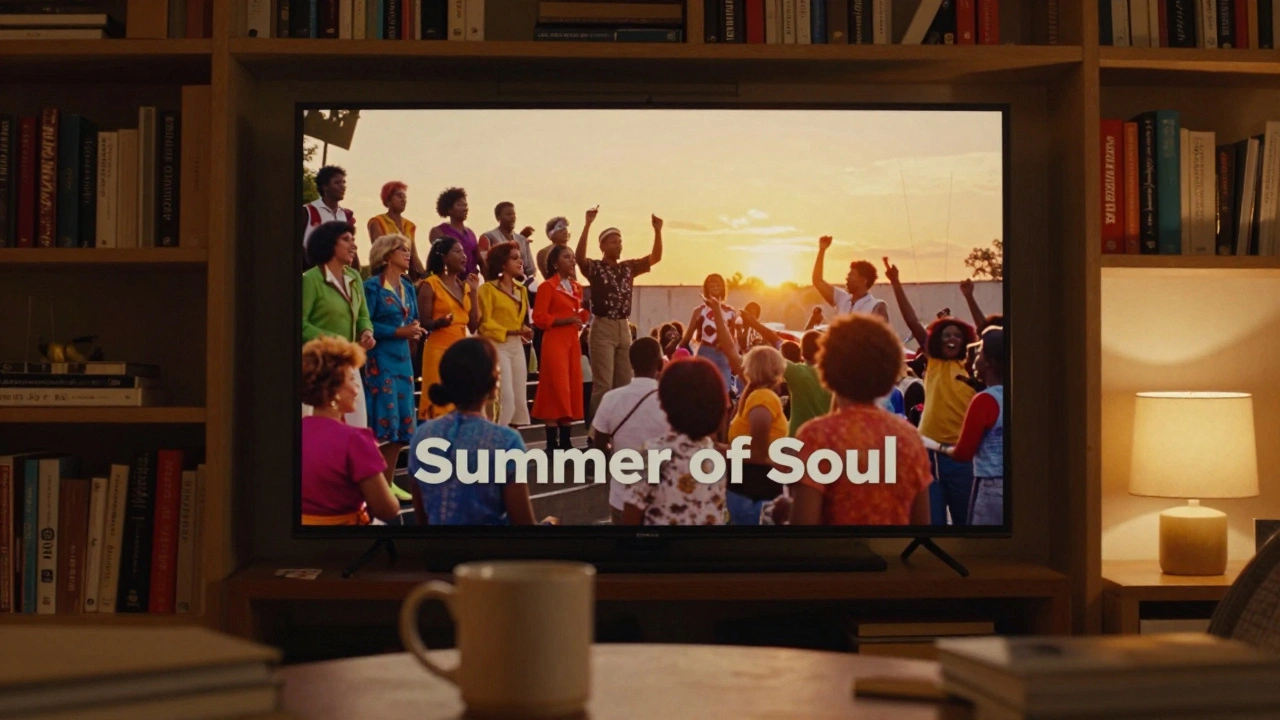
Hulu doesn’t try to be everything. It knows it can’t compete with Netflix’s budget. So it doubled down on what it does best: niche audiences. In 2025, 41% of Hulu’s top 20 indie films were documentaries. That’s not an accident. Hulu’s audience skews older, more educated, and more likely to watch nonfiction. Films like Summer of Soul is a documentary about the 1969 Harlem Cultural Festival. Also known as Summer of Soul (...Or, When the Revolution Could Not Be Televised), it was acquired by Hulu after its Sundance premiere. It became the most-watched documentary on any streaming service in 2025, with 7.8 million viewers. It stayed in the top 10 for 78 days.
Hulu’s algorithm doesn’t push for virality. It pushes for relevance. If you watched The Farewell is a family drama about a Chinese-American woman returning home for a funeral. Also known as The Farewell: A Cultural Crossroads, it was distributed by A24 and licensed to Hulu. It had 4.2 million viewers over six months, with viewers staying an average of 89 minutes per session - the longest of any indie film on Hulu., you’ll see similar films in your feed: immigrant stories, generational trauma, quiet emotional arcs. That’s the niche. And it works.
Apple TV+: The Premium Filter
Apple TV+ has the smallest library of indie films. But it has the highest average viewer retention. Why? Apple doesn’t buy films. It commissions them. Most of its indie titles are original productions with budgets under $10 million. Think CODA is a coming-of-age story about a deaf family and their hearing daughter. Also known as CODA: Child of Deaf Adults, it was produced by Apple TV+ and won the 2022 Best Picture Oscar. It still averages 1.2 million monthly viewers two years after release.. Apple’s strategy is simple: quality over quantity. They pick films that feel cinematic, emotionally precise, and awards-ready. The trade-off? You won’t find 50 indie films on Apple TV+. You’ll find 12. But each one has a fighting chance.
Retention rates on Apple TV+ average 74% for indie films - the highest of any platform. Viewers don’t just watch. They finish. They rewatch. They talk about them. That’s the kind of performance studios dream of.
Why Some Films Succeed - And Others Don’t
It’s not about budget. It’s not about awards. It’s about alignment.
- Slow films do poorly on Netflix - unless they have a hook (like Minari or The Power of the Dog).
- Documentaries thrive on Hulu - especially those with cultural relevance or music.
- Character-driven dramas find loyal audiences on Apple TV+ - if they’re beautifully shot and emotionally honest.
- Experimental or abstract films rarely find an audience anywhere - unless they’re tied to a major director (like David Lynch or Yorgos Lanthimos).
Here’s what studios get wrong: they assume a film that wins at Sundance will automatically find viewers online. That’s not true. A film needs a reason to be watched. Not just a reason to be praised.
What’s Changing in 2026
This year, platforms are shifting. Netflix is testing a new algorithm that tracks emotional engagement - not just watch time. If you cry, pause, or rewatch a scene, it counts more than if you just leave it running in the background.
Amazon is launching a new indie film section called "Hidden Gems" - curated by real human critics, not bots. It’s already seeing 30% more engagement than algorithm-driven recommendations.
Apple TV+ is partnering with film schools to co-produce 15 low-budget films in 2026. These won’t be marketed hard. But they’ll be given a full 90-day window to find their audience.
Hulu is testing a "Mood Match" feature. You pick a feeling - "lonely," "hopeful," "angry" - and it recommends films that match. It’s early, but early data shows a 40% increase in completion rates for indie films.
The message is clear: streaming services aren’t just buying films anymore. They’re curating experiences. And the indie films that survive are the ones that make you feel something - not just watch something.
What Filmmakers Should Do Now
- Don’t assume a festival win = streaming success.
- Know your film’s emotional core. Is it hope? Grief? Rebellion? That’s your hook.
- Target platforms based on audience, not budget. A quiet drama belongs on Apple TV+. A music documentary belongs on Hulu.
- Build a community before release. Use TikTok. Use Instagram Reels. Show the people behind the film. Viewers don’t watch films. They watch stories - and the people who made them.
The days of indie films being invisible are over. But the days of them being easy to find? Those are gone too. The new rule is simple: if your film doesn’t connect on a human level, it won’t survive on a streaming service - no matter how many awards it wins.
Do indie films make money on streaming services?
Yes - but not like they used to. Most indie films don’t earn back their production costs through streaming alone. A typical $2 million film might make $150,000 to $500,000 in licensing fees from a platform. That’s often enough to cover distribution and marketing, but rarely enough to turn a profit. Profit comes from ancillary rights - TV syndication, international sales, festival awards that boost future projects. Streaming is now a launchpad, not a payday.
Which streaming service is best for indie documentaries?
Hulu is the best platform for indie documentaries in 2026. It has the highest completion rates, the most consistent audience, and the strongest algorithm for recommending nonfiction content. Documentaries like Summer of Soul and The Territory found their largest audiences there. Apple TV+ and Amazon also pick up select docs, but Hulu’s audience is built for them.
Why do some indie films disappear after a few weeks?
Because streaming platforms prioritize new content. Algorithms push what’s trending, not what’s good. If a film doesn’t get early traction - meaning viewers watch it in the first 10 days - it gets buried under newer releases. Many indie films are bought for their festival buzz, not their audience potential. Without marketing, without a hook, without emotional resonance, they vanish. It’s not about quality. It’s about visibility.
Can an indie film become a hit without a theatrical release?
Absolutely. In 2025, 73% of the top 50 performing indie films on streaming services never played in theaters. CODA and Minari both went straight to streaming and became cultural moments. Theaters are no longer a requirement. What matters now is how well the film connects with viewers at home - and how well the platform promotes it.
Are indie films getting fewer deals now?
Fewer big deals, yes. More small, strategic ones, no. In 2023, Netflix bought 89 indie films. In 2025, they bought 41. But Amazon added 87, Apple TV+ added 15 originals, and Hulu added 63. The market didn’t shrink - it redistributed. Studios are smarter now. They’re not buying every film that wins an award. They’re buying films that fit their audience. That means fewer films get picked up, but the ones that do have a much better chance of succeeding.





Comments(8)