The Gap Between Release and Recognition
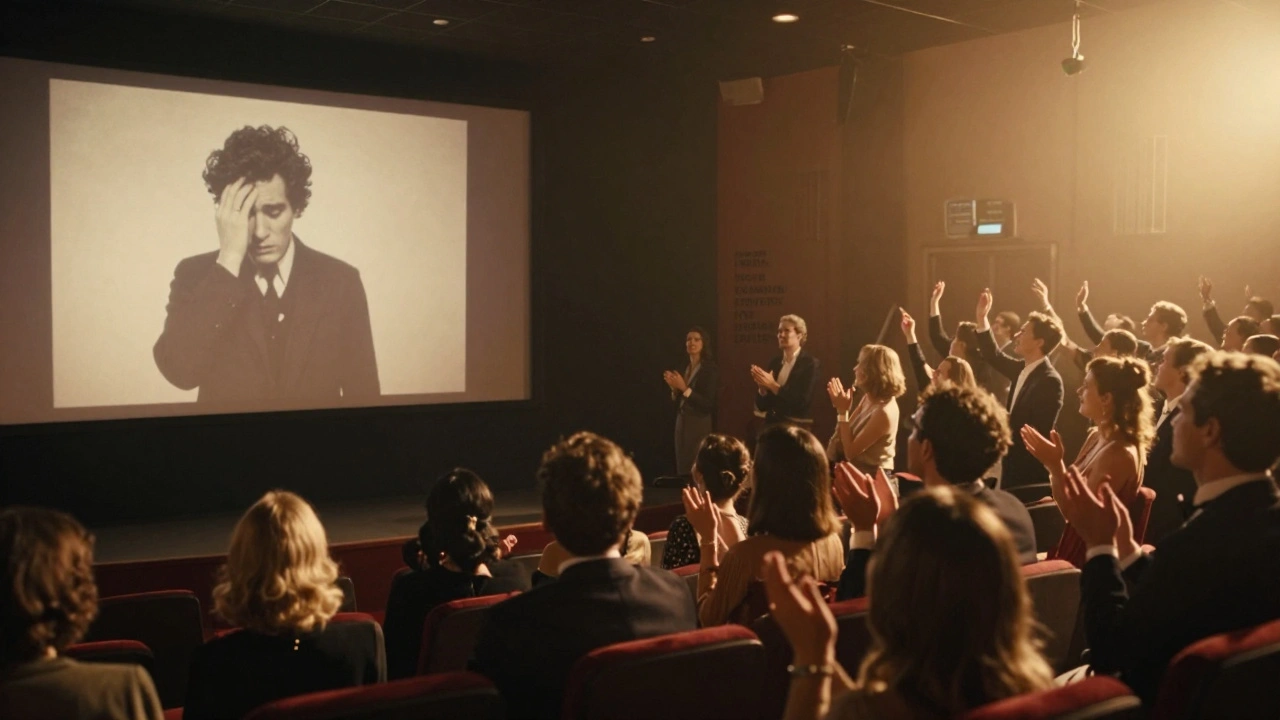
Most films are judged by the standards of their era. When a movie hits theaters, critics compare it to the current trends. If a director tries something that feels "wrong" for the moment, they get slaughtered. Think about the early reception of Blade Runner. In 1982, many critics found it sluggish and overly focused on atmosphere over plot. They were looking for a fast-paced action flick, not a slow-burn meditation on what it means to be human. Fast forward a few years, and the world had shifted. The aesthetic of Neo-Noir-a cinematic style that blends classic noir elements with modern settings-became a benchmark for visual storytelling. Suddenly, the very things that made the film "boring" in 1982 made it visionary in 1990. The film didn't change; our eyes did. This is the core of reappraisal: the realization that the movie was actually speaking a language the audience wasn't ready to hear yet.The Role of the Cult Classic
Before the critics change their minds, the fans usually do. This is where the Cult Classic comes in. A cult movie is essentially a film that failed the initial test of the general public but found a dedicated, obsessive audience. These fans don't care about the "objective" flaws-like poor pacing or a low budget-because those flaws often add to the film's charm. Take The Rocky Horror Picture Show. It was a commercial flop that would have been buried in a vault if not for the midnight screening culture of the late 70s. The community created its own meaning around the film, turning it into a ritual. When the Critical Consensus finally shifted, it wasn't because the movie suddenly got a better script; it was because the social value of the film-its role in LGBTQ+ identity and counter-culture-became recognized as a legitimate form of artistic success.| Film Example | Initial Criticism (The "Flaw") | Reappraised Value (The "Feature") | Key Driver of Shift |
|---|---|---|---|
| The Thing (1982) | Too gruesome, lacking emotion | Masterclass in paranoia and SFX | Technological nostalgia & horror evolution |
| Fight Club (1999) | Glorified violence, nihilistic | Sharp critique of consumerism | Gen X/Millennial societal disillusionment |
| The Shining (1980) | Too cold, deviates from the book | Psychological depth, visual symmetry | Acceptance of Kubrick's formalism |
Why Consensus Actually Shifts
So, why does the mood change? It usually boils down to three things: technology, social evolution, and the "death of the author." First, technology changes how we consume media. In the 80s, you saw a movie once in a theater. If you hated it, that was your experience. But the rise of Home Video (VHS and DVD) allowed people to pause, rewind, and obsess over specific scenes. This "deep dive" consumption reveals layers of detail that a distracted theater audience misses. When a director like Stanley Kubrick hides a clue in the background of a shot, it's hard to appreciate that in a crowded cinema, but it's a goldmine for a home viewer. Second, social values evolve. Films that were seen as "offensive" or "too political" often become the most respected of their era once the culture catches up. A movie that challenged gender roles in the 60s might have been dismissed as "unrealistic" or "scandalous," but today it's seen as a pioneering piece of social commentary. Finally, there is the shift in who is doing the criticizing. The old guard of critics-often older men from a specific academic background-has been replaced by a diverse array of voices. New critics bring different life experiences and different priorities. They might value a film's emotional honesty over its adherence to the Three-Act Structure, a traditional storytelling model that mandates a setup, confrontation, and resolution. When the criteria for "good" change, the ranking of films changes with it.The Danger of Over-Correction
There is a flip side to this. Sometimes, we swing too far in the other direction. In an effort to be "contrarian" or to find a hidden gem, some critics start praising films that are genuinely poorly made. This is the "so bad it's good" trap. There is a difference between a misunderstood masterpiece and a movie that is simply a disaster. When we reappraise a film, we have to ask: Is this actually a better movie, or am I just nostalgic for the era it represents? For example, some 80s action movies are praised today for their "simplicity," but if those same movies were made today, they would be criticized for being lazy. We have to be careful not to confuse the comfort of nostalgia with actual artistic merit. The most successful reappraisals are those based on an analysis of the film's craft-its cinematography, its acting, its thematic depth-rather than just a desire to disagree with the past.How to Spot a Future Classic
If you want to find the movies that will be praised in twenty years, stop looking at the stars on IMDb or the percentages on Rotten Tomatoes. Instead, look for these three red flags of future greatness:- Polarization: If half the people love it and half the people absolutely hate it, there is usually something interesting happening. Total indifference is the death of a movie.
- Unique Visual Language: Does the movie look like every other movie in its genre? If it has a style that feels slightly "off" or too ambitious for its budget, it might be ahead of its time.
- Thematic Obsession: Does the director keep hammering away at one specific, weird idea? Films that are overly focused on a single, niche theme often age better because they offer a deep dive into a specific human experience rather than trying to please everyone.
The Cycle of Cinematic Taste
Ultimately, the shift in critical consensus reminds us that art is a conversation between the creator and the viewer. The movie is the object, but the "meaning" is something we create together. A film like The Thing didn't change its makeup effects between 1982 and 2026. The only thing that changed was our collective understanding of what makes a horror movie effective. We should embrace the fact that we were wrong about some movies. It means we are growing. It means we are learning to see things we were blind to before. Whether it's a misunderstood sci-fi epic or a weirdly paced indie drama, the maligned films of today are often the textbooks of tomorrow. Next time you see a movie with a 20% rating that you actually enjoyed, don't trust the consensus. Trust your gut. You might be seeing the masterpiece before the rest of the world catches up.Why do some movies become cult classics after failing at the box office?
Movies often become cult classics because they offer something unique-whether it's a specific aesthetic, a subversive theme, or an eccentric performance-that doesn't appeal to the general public but deeply resonates with a smaller, niche community. These fans create a supportive ecosystem around the film, often through repeat viewings and community events, which eventually attracts the attention of critics and a wider audience.
Does the "death of the author" theory affect film reappraisal?
Yes. The "death of the author" is the idea that the creator's intentions are irrelevant and the meaning of the work belongs to the viewer. In reappraisal, this allows modern audiences to find meanings in a film that the original director may not have intended, or to appreciate a film's social commentary even if the director had problematic views. This shift in perspective often allows maligned films to be viewed as accidental masterpieces.
Can a movie be "too bad" to ever be reappraised?
Some films are fundamentally broken in a way that no amount of time can fix-such as having an incomprehensible plot or technical failures that make them unwatchable. However, in the world of cinema, even "bad" movies can be reappraised as examples of failure, providing historical insight into what didn't work or becoming objects of irony. While they may never be called "great," they can still become culturally significant.
How does home media impact the critical consensus of a film?
Home media allows for a non-linear and repeated viewing experience. Viewers can analyze specific scenes, notice hidden details, and develop a deeper relationship with the film's pacing and structure. This removes the pressure of the "first-watch" theater experience, where a slow pace can be frustrating, but in a home setting, that same slowness can be perceived as atmospheric or deliberate.
Is critical reappraisal just a trend of "hipsterism"?
While some people enjoy the social capital of liking "difficult" or "hated" movies, true reappraisal is usually based on genuine shifts in cultural values or aesthetic standards. When a film's influence can be seen in newer, successful movies, it's a sign that the reappraisal is legitimate. If a movie's techniques are adopted by current directors, it proves the film was providing a blueprint that the original critics simply didn't recognize.




Comments(8)