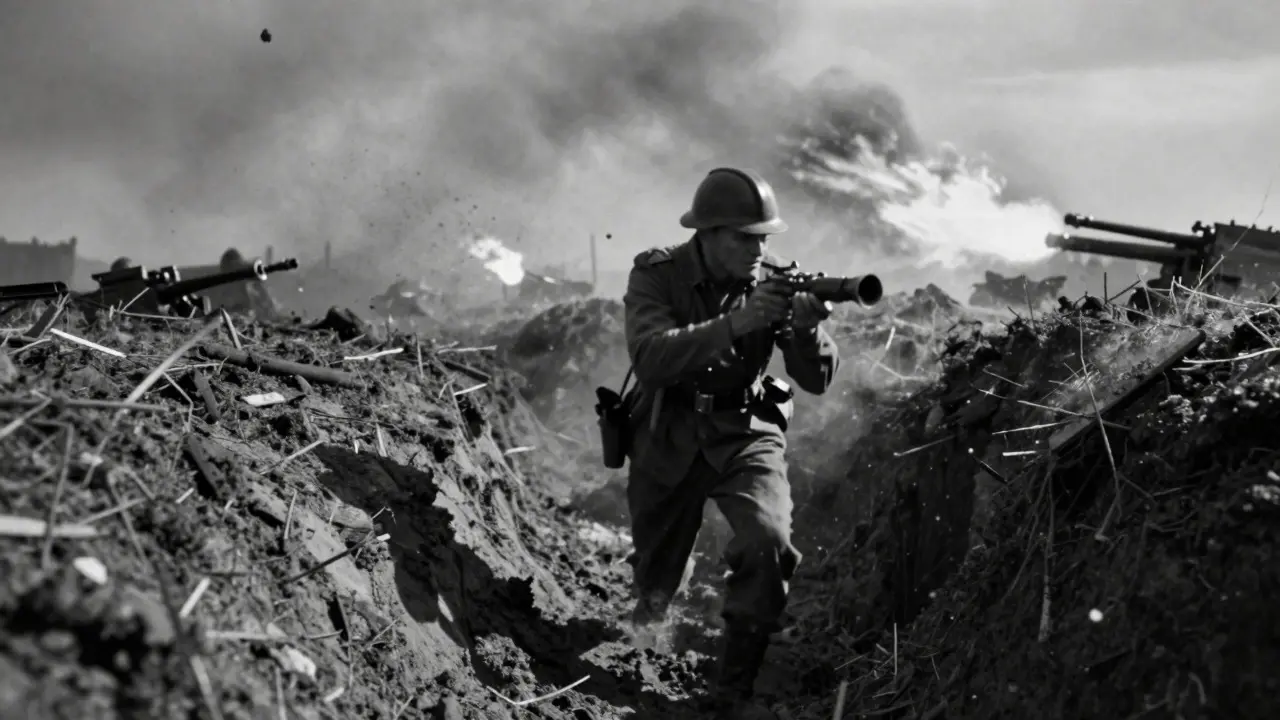
Think about the last movie that made you feel something deep. Was it the tension of a Cold War thriller? The grief of a post-war drama? Or maybe the raw energy of a 1960s counterculture flick? Chances are, those feelings didn't come from thin air. They came from the world outside the theater. Cinema is a medium that reflects and reacts to the major shifts in human society, using visual language to process collective trauma, joy, and change. From the trenches of World War I to the digital revolution of the 2020s, real-world events have constantly rewritten the rules of how stories are told on screen.
The Birth of Visual Language: War and Technology
You can’t talk about how history shaped film without starting with the biggest event of the early 20th century: World War I. This conflict didn't just provide subject matter; it forced filmmakers to invent new ways to show movement and chaos. Before the war, films were mostly static stage plays recorded by cameras. But the speed and destruction of modern warfare demanded dynamic camera work. Directors began experimenting with handheld shots and rapid editing to convey the panic of battle. This experimentation laid the groundwork for the action sequences we take for granted today. Without the urgency of wartime reporting, the grammar of modern action cinema might still be stuck in the silent era's slower pace.
Simultaneously, the economic boom of the 1920s gave rise to the studio system. Studios like MGM and Paramount built massive vertical empires, controlling everything from production to exhibition. This structure allowed for high-budget spectacles but also created a rigid hierarchy. Stories had to appeal to the widest possible audience to justify the costs. This commercial pressure meant that historical events were often sanitized or simplified into clear moral binaries-good guys versus bad guys-to ensure box office success. It wasn't until later disruptions that this formula would break.
The Sound Revolution and the Great Depression
The introduction of synchronized sound in 1927 was a technological shift, but its cultural impact was driven by the economic climate of the time. By the mid-1930s, the Great Depression was gripping the United States. Audiences weren't looking for heavy realism; they wanted escape. This demand fueled the golden age of musicals and screwball comedies. Films like *The Wizard of Oz* offered a colorful refuge from gray reality. However, sound also changed storytelling mechanics. Dialogue became central to character development. Writers had to craft lines that sounded natural yet conveyed plot points efficiently. This era established the three-act structure as the dominant narrative framework because it provided a predictable rhythm that audiences could rely on during uncertain times.
| Historical Event | Time Period | Primary Cinematic Shift | Example Film/Genre |
|---|---|---|---|
| World War I | 1914-1918 | Dynamic camera movement, rapid editing | *The Battle of the Somme* (Documentary) |
| Great Depression | 1929-1939 | Rise of escapism, musicals, clear morality tales | *The Wizard of Oz*, Screwball Comedies |
| Cold War | 1947-1991 | Paranoia themes, noir aesthetics, political thrillers | *Dr. Strangelove*, *Chinatown* |
| Civil Rights Movement | 1954-1968 | Breaking racial barriers, realistic social drama | *To Kill a Mockingbird*, *In the Heat of the Night* |
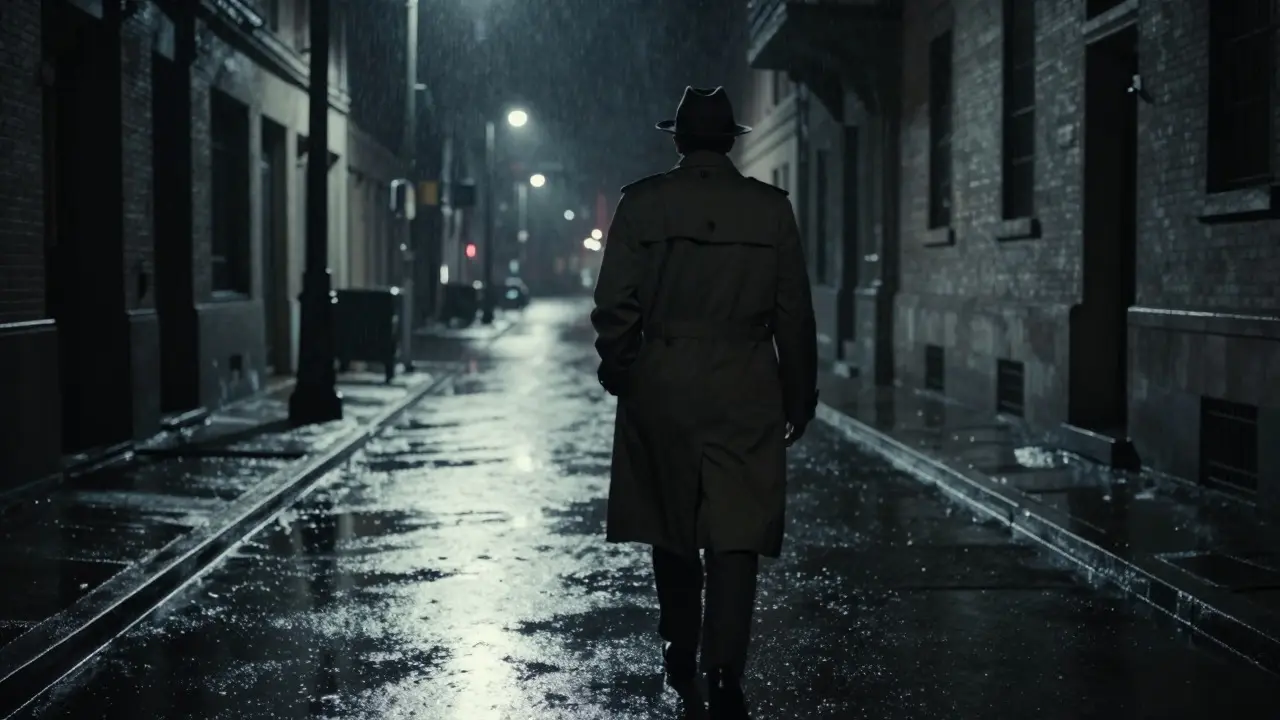
Cold War Paranoia and the Noir Aesthetic
After World War II, the world split into two ideological camps. The Cold War didn't bring open battles, but it brought invisible threats. This atmosphere of suspicion seeped into American cinema, giving birth to Neo-Noir and political thrillers. Characters became less heroic and more ambiguous. Shadows grew longer, and motives became unclear. Filmmakers used lighting techniques to reflect the psychological state of their characters-high contrast shadows represented the uncertainty of living under the threat of nuclear annihilation. Movies like *Chinatown* or *The Third Man* reflected a society where trust was a commodity you couldn't afford. The narrative focus shifted from external adventure to internal doubt, a direct mirror of the geopolitical tension of the era.
This period also saw the rise of the anti-hero. Traditional heroes who always did the right thing felt out of touch with a world where governments could lie and institutions could fail. Audiences craved complexity. This shift required writers to develop deeper, more flawed protagonists, changing the fundamental contract between the filmmaker and the viewer. We stopped asking "Will he win?" and started asking "Can we trust him?"
Social Movements and the Breaking of Barriers
The 1960s and 70s were turbulent decades defined by social upheaval. The Civil Rights Movement and the Vietnam War challenged the status quo both politically and culturally. In response, Hollywood began to crack open its old guard. The Motion Picture Production Code, which had strictly regulated content since the 1930s, was replaced by the MPAA rating system in 1968. This regulatory change allowed filmmakers to address taboo subjects like sex, violence, and racism with greater honesty. Films like *Bonnie and Clyde* and *Midnight Cowboy* broke stylistic and thematic boundaries, introducing grittier, more realistic portrayals of life. These movies acknowledged that the American dream wasn't available to everyone, reflecting the growing disillusionment among younger generations.
Furthermore, the rise of independent filmmaking began to gain traction. Young directors, many influenced by European art house cinema, rejected the polished look of major studios. They used location shooting, natural light, and non-professional actors to create a sense of authenticity. This movement proved that big budgets weren't necessary to tell powerful stories, democratizing the industry slightly and paving the way for diverse voices to enter the mainstream.
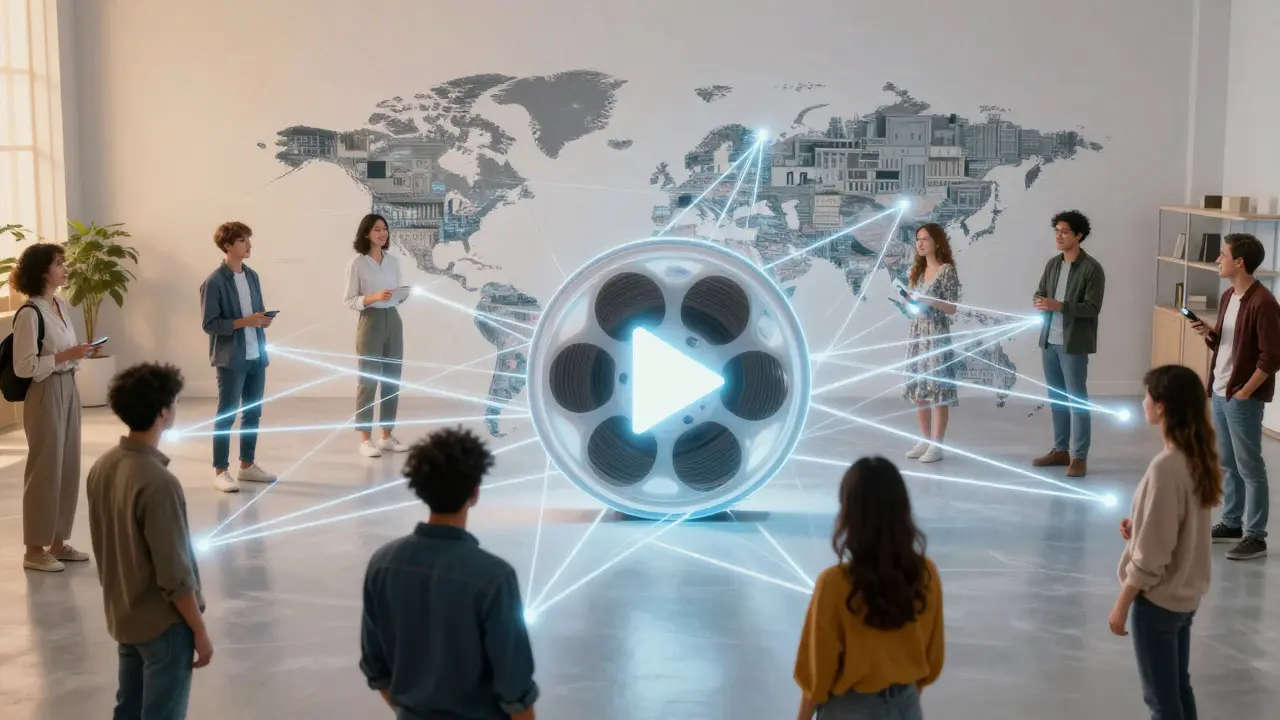
Digital Disruption and Global Connectivity
Fast forward to the late 20th and early 21st centuries. The invention of Digital Cinema technology and the explosion of the internet changed the distribution landscape entirely. No longer did films have to travel through physical reels or rely solely on theatrical releases. Streaming platforms emerged, allowing global audiences to access niche films instantly. This connectivity meant that local stories could find international audiences without needing to conform to Hollywood standards. For example, South Korean cinema gained massive global recognition in the 2000s and 2010s, not because it mimicked Western styles, but because it offered unique cultural perspectives on universal themes like family duty and social hierarchy.
Today, the influence of history on storytelling is faster than ever. Real-time news cycles mean that films can comment on current events almost immediately. Documentaries play a crucial role in shaping public opinion on issues like climate change and social justice. The line between entertainment and education has blurred, with audiences expecting their favorite films to offer some form of commentary on the world they live in. Whether it's a sci-fi allegory for AI anxiety or a biopic about a recent political figure, cinema remains our primary tool for processing the present moment.
Frequently Asked Questions
Did World War I really invent modern action movie editing?
While not the sole inventor, WWI documentary footage and propaganda films pushed editors to use faster cuts and dynamic angles to convey the speed of combat. This technique was later adopted by fiction filmmakers to create tension and excitement in action scenes, moving away from the static, long takes common in pre-war cinema.
How did the Great Depression change the types of movies people wanted to watch?
During the Depression, audiences sought escapism. This led to a surge in musicals, slapstick comedies, and fantasy films that offered temporary relief from economic hardship. Serious dramas existed, but the most commercially successful films of the era were those that provided a hopeful or humorous distraction from daily struggles.
What role did the Cold War play in the popularity of film noir?
The Cold War fostered an atmosphere of paranoia and distrust in institutions. Film noir reflected this by featuring morally ambiguous protagonists, dark settings, and plots involving betrayal or conspiracy. The genre visually represented the fear that hidden enemies could be anywhere, mirroring the geopolitical tension of the time.
How did the end of the Hays Code affect Hollywood storytelling?
The replacement of the Hays Code with the MPAA rating system in 1968 allowed filmmakers to depict nudity, profanity, and complex moral dilemmas without strict censorship. This led to more realistic and adult-oriented narratives, enabling films to tackle social issues like racism and sexuality with greater nuance and depth.
Why are international films gaining more prominence now?
Digital streaming platforms have removed geographical barriers to distribution. Audiences can easily discover and watch films from around the world. Additionally, the success of non-English speaking films in award seasons and at the box office has encouraged studios to invest in diverse global productions, recognizing that universal emotional truths transcend language.



Comments(9)