Why Do We Keep Disappointing Readers?
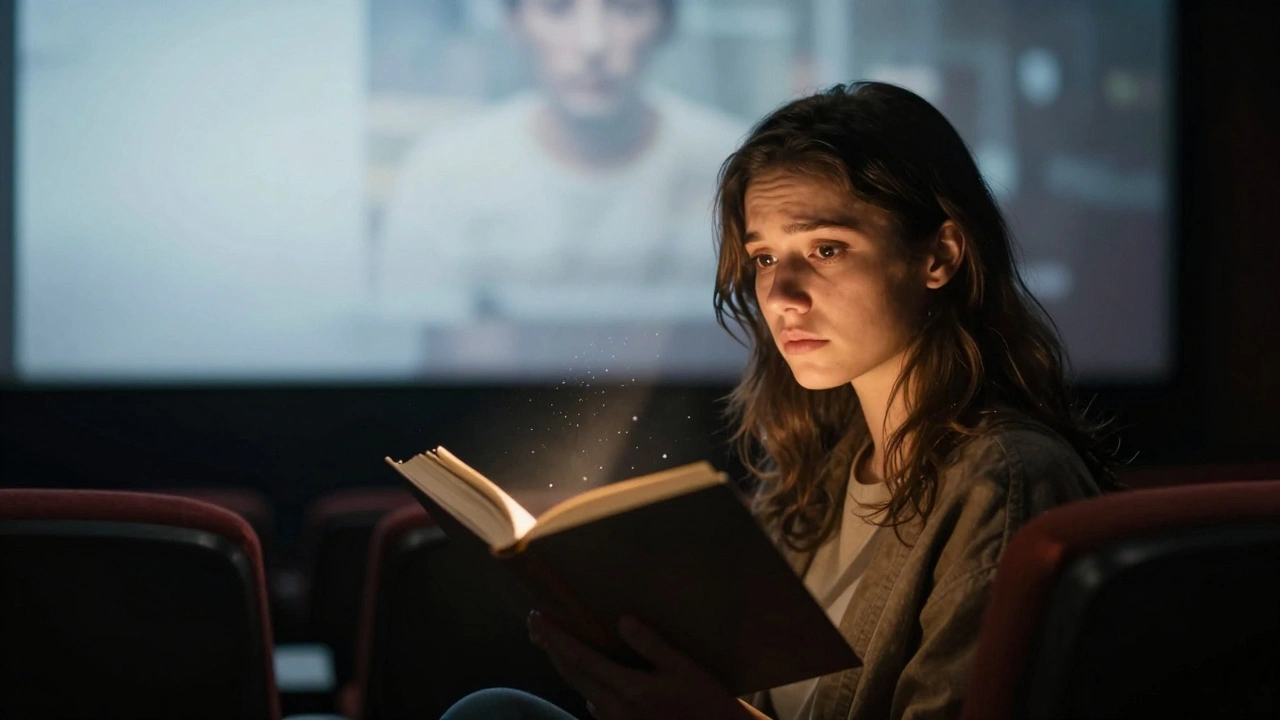
There is a specific kind of heartbreak reserved for book lovers. You read a novel that feels like it lives inside your head. You see the characters, you hear the dialogue, and you know exactly how the story should look. Then, Hollywood picks it up. Months later, you sit in a theater, and the magic is gone. The pacing is off, the characters feel wrong, and the ending makes no sense. It happens over and over again.
When we talk about failed literary adaptations, we are not just talking about bad movies. We are talking about a breakdown in translation. A story works on paper because it lives in the reader's imagination. Moving that to a screen requires a completely different language. When studios ignore this, the result is often a disaster that alienates fans and confuses casual viewers alike.
Understanding why these projects stumble helps us appreciate the ones that succeed. It also highlights the tension between art and commerce. Let's look at the specific reasons these projects fall apart and the real-world examples that prove the point.
The Fidelity Trap: Too Much or Too Little
One of the biggest debates in this space is how close the film should stick to the book. Some directors try to copy every scene, while others take the basic idea and run in a different direction. Both approaches can fail.
When a film sticks too closely to the source material, it often forgets that movies need to move. Books can spend pages on internal monologue. Movies cannot. If a director tries to force every chapter onto the screen, the pacing drags. The audience gets bored. Conversely, when a studio changes too much, the core fans feel betrayed. They paid for the experience of the book, not a new story wearing the book's skin.
Blade Runner is a film adaptation of Philip K. Dick's novel 'Do Androids Dream of Electric Sheep?' that faced initial backlash for deviating from the source material. Also known as Blade Runner (1982), it is now considered a masterpiece, but initially, fans of the book were unhappy with the changes to the plot and character motivations. This shows that sometimes, a change is necessary, but it takes time for audiences to accept it. However, not every change wins that war.
Studio Interference and Budget Constraints
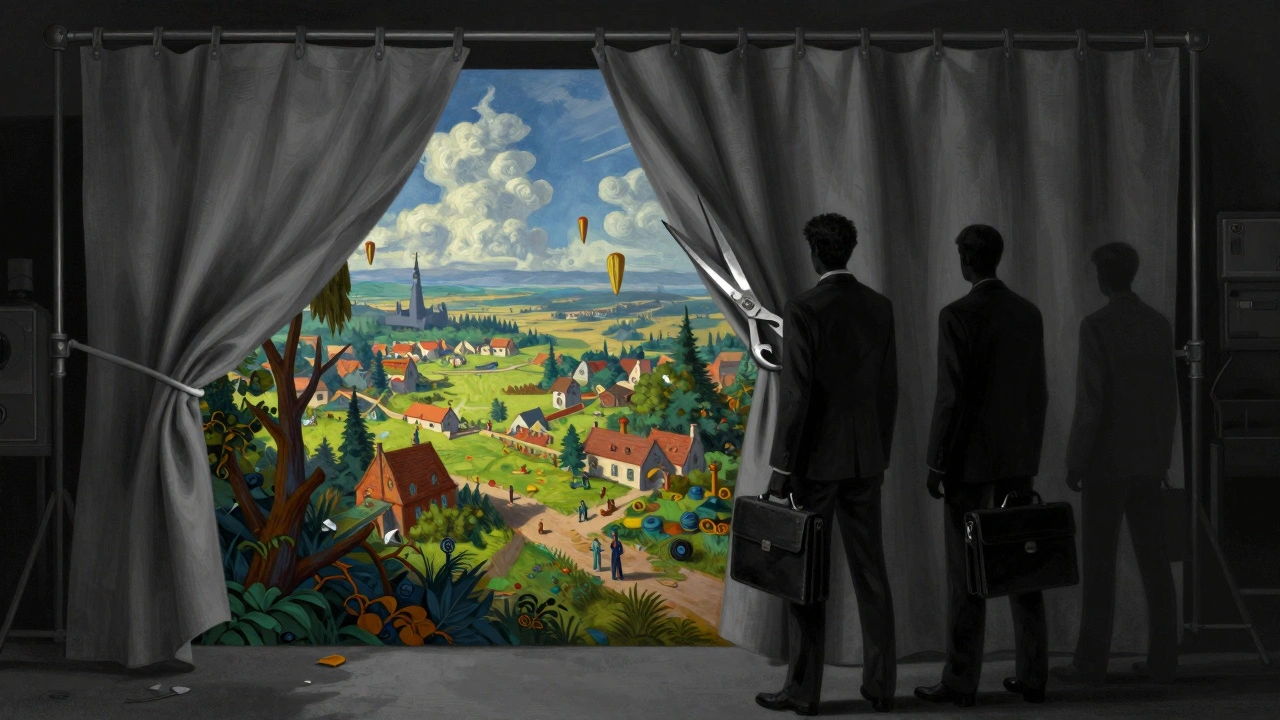
Creative vision often clashes with business decisions. A director might want to shoot in a specific location to capture the mood of the book. The studio might say no because it costs too much money. This is where Studio Interference occurs when production executives override creative decisions to control costs or maximize profit potential becomes a major factor.
Budget cuts can ruin a film's atmosphere. If a book describes a grand, sweeping world, and the movie looks like it was filmed in a small soundstage, the immersion breaks. Money talks in Hollywood. When executives demand changes to make a film more "marketable," they often strip away the unique elements that made the book special in the first place.
Consider the case of The Golden Compass is a 2007 fantasy film based on Philip Pullman's novel that suffered from significant tonal shifts due to studio pressure. Also known as His Dark Materials: The Golden Compass, the film was criticized for toning down the darker themes of the book to appeal to a wider, younger audience. The result was a movie that felt safe and generic, losing the edge that made the original story compelling.
Casting Against the Reader's Imagination
Every reader casts the movie in their head before they finish the book. When the studio announces the lead actor, there is an immediate comparison. If the actor does not match the reader's mental image, the suspension of disbelief breaks immediately.
It is not just about physical appearance. It is about the actor's ability to convey the internal life of the character. Books allow us to know what a character thinks. Movies rely on what a character says and does. An actor might look right but fail to capture the soul of the role. This disconnect is often more damaging than a budget cut.
There are also issues with chemistry between cast members. In a book, the relationship between characters is built through narration. In a film, it is built through performance. If two actors do not click, the emotional stakes of the story feel fake. This is a common reason why ensemble casts based on popular series often struggle to replicate the book's dynamic.
Case Studies in Disappointment
To understand the scale of the problem, we need to look at specific examples. These films had high expectations and huge budgets, yet they failed to satisfy the core audience or the critics.
The Shining is a 1980 horror film directed by Stanley Kubrick based on Stephen King's novel, which the author famously disliked. Also known as The Shining (1980), King felt the film made the protagonist too sympathetic and changed the ending significantly. Stephen King, the author, has been vocal about his dislike for the movie. He felt the character of Jack Torrance was too sympathetic in the film compared to the book, where he is more clearly a villain.
Another example is The Hobbit is a trilogy of fantasy films that expanded the original book into three separate movies, leading to pacing issues. Also known as The Hobbit Trilogy, the films were criticized for adding unnecessary subplots to meet the runtime requirements of a trilogy. Peter Jackson took a single book and stretched it into three films. While visually stunning, the pacing suffered. The middle film, in particular, felt like it was dragging to justify its existence. Fans of the book felt the story lost its charm in the expansion.
| Reason | Impact on Film | Example |
|---|---|---|
| Fidelity Issues | Confuses fans or bores general audience | Blade Runner |
| Studio Interference | Removes unique themes for mass appeal | The Golden Compass |
| Budget Cuts | Reduces visual scope and atmosphere | Various Low-Budget Adaptations |
| Casting Mismatches | Breaks audience immersion | Waterworld |
The Fan Factor and Expectations
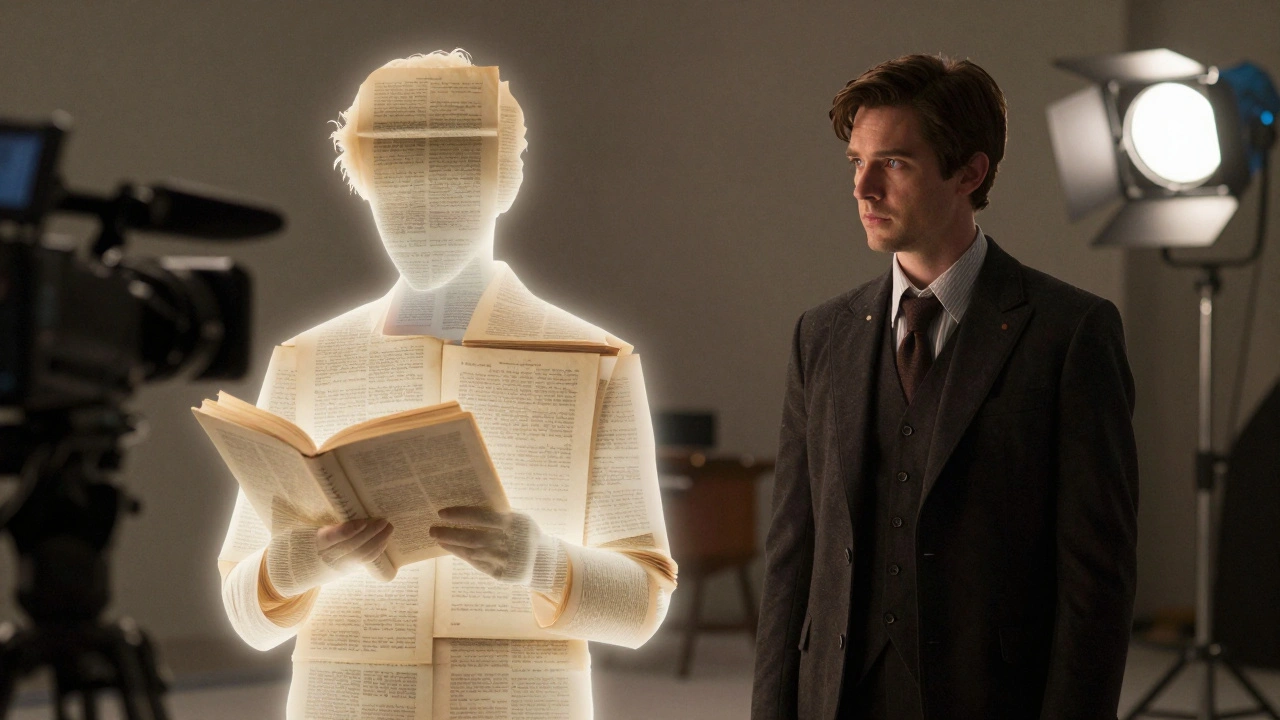
Fans are a double-edged sword. They provide the initial marketing buzz, but they also hold the film to a high standard. If a studio markets a film as "faithful," fans will scrutinize every detail. If the studio markets it as a "reimagining," fans might feel the studio is admitting they don't understand the source material.
Fan Expectations is the collective anticipation and demand from a book's readership regarding how a film adaptation should portray the story. Also known as Audience Expectations, this pressure often influences studio decisions on casting and plot points. Managing this is difficult. Sometimes the changes are necessary to make the story work visually. Other times, the changes are made to chase trends rather than honor the story.
When a film fails to meet these expectations, the backlash can be severe. Social media amplifies disappointment. A bad review from a fan community can spread faster than a positive review. This creates a cycle where studios become risk-averse, leading to safer, less creative adaptations.
Lessons for Future Projects
So, how do we fix this? It starts with respecting the source material without being a slave to it. The director needs to understand why the book worked in the first place. Is it the dialogue? The world-building? The character arcs? Whatever the core strength is, that needs to be preserved.
Studios need to give directors more creative freedom. If they want a hit, they need to trust the vision. Constant note-writing and interference usually lead to a muddy final product. Budgets should reflect the scope of the story. You cannot film a space opera on a budget meant for a romance.
Finally, communication with the fanbase matters. If changes are made, explain why. Transparency builds trust. If the audience understands that a change was made to improve the pacing or clarify the plot, they are more likely to accept it. Hiding behind secrecy often leads to suspicion and anger.
Why It Still Matters
Even with all these failures, studios keep buying book rights. Why? Because books come with built-in audiences. They have a story that is already tested. The risk is lower than starting from scratch. But the risk of failure is still high.
For readers, these failures are painful. We want to see our favorite worlds brought to life. When it doesn't work, it feels like a loss. But these failures also teach us what we value in storytelling. They remind us that a story is more than just the plot. It is the feeling, the tone, and the connection between the reader and the text.
Until Hollywood learns to balance art and commerce better, we will continue to see these failed literary adaptations. But with every mistake, we learn a little more about what makes a story truly work.
Why do book adaptations often fail?
Adaptations often fail because movies and books use different storytelling tools. Books rely on internal thought and pacing, while movies rely on visuals and dialogue. When filmmakers ignore these differences, the story loses its impact.
What is the biggest mistake studios make?
The biggest mistake is prioritizing profit over the story's core themes. Studio interference often leads to toning down darker elements or adding unnecessary subplots to extend runtime, which dilutes the original experience.
Can a movie be better than the book?
Yes, sometimes a film can improve upon the source material by clarifying confusing plot points or bringing a unique visual style that enhances the story. However, this is rare and often debated by fans.
How does casting affect an adaptation?
Casting is crucial because readers have a mental image of the characters. If the actor does not match that image or cannot convey the character's internal life, the audience disconnects from the story immediately.
Why do studios keep adapting books if they fail?
Studios adapt books because they come with a built-in audience. Even if a film fails critically, the existing fanbase ensures a baseline level of interest that original scripts often lack.


Comments(8)