Key Takeaways
- Short stories provide a concentrated emotional core that novels often lack.
- Successful adaptations expand the "negative space" of a story rather than just adding plot.
- The transition from page to screen requires a shift from internal monologue to visual action.
- Many cinematic masterpieces rely on the tight structure of short fiction to maintain tension.
The Art of Expanding the Narrative
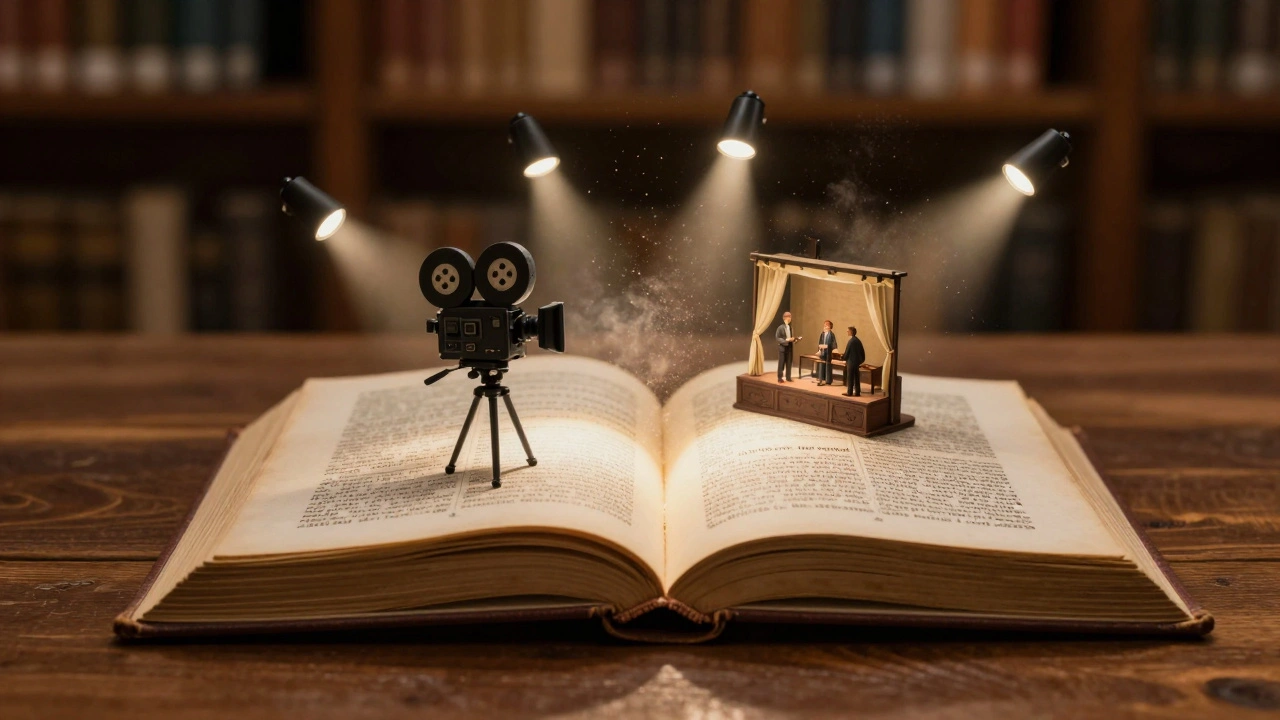
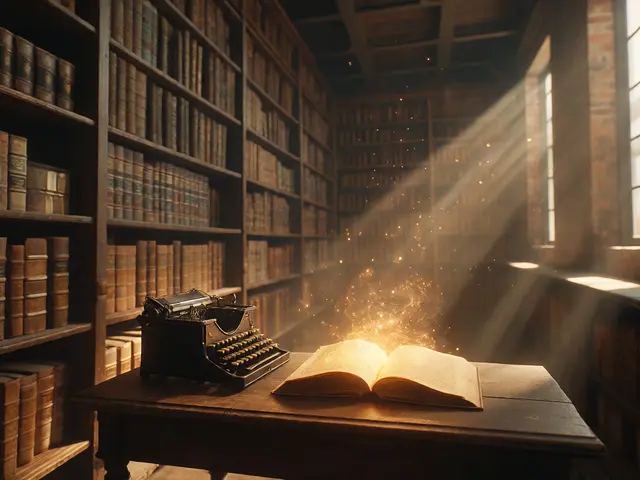
When a filmmaker looks at a short story, they aren't looking for a detailed blueprint. They are looking for a spark. Short stories adapted into films is the process of transforming a brief work of prose into a full-length cinematic experience. Unlike a novel, which provides a map, a short story provides a destination. The screenwriter has to build the road to get there.
Take a look at how a writer handles a character's internal thoughts. In a story, you can spend three pages describing a character's regret. In a movie, you have to show that regret through a shaky hand, a lingering look at an old photograph, or a sudden outburst of anger. This is where cinematic storytelling takes over. The "empty space" in a short story-the parts the author leaves to the reader's imagination-is exactly where the director finds room to breathe and build new scenes.
Turning a Single Idea into Two Hours of Drama
How do you stop a movie from feeling like a stretched-out sketch? The secret is expanding the supporting cast and the backstory. A short story might mention a character's estranged father in one sentence. A movie can turn that sentence into a twenty-minute subplot that adds layers to the protagonist's motivations.
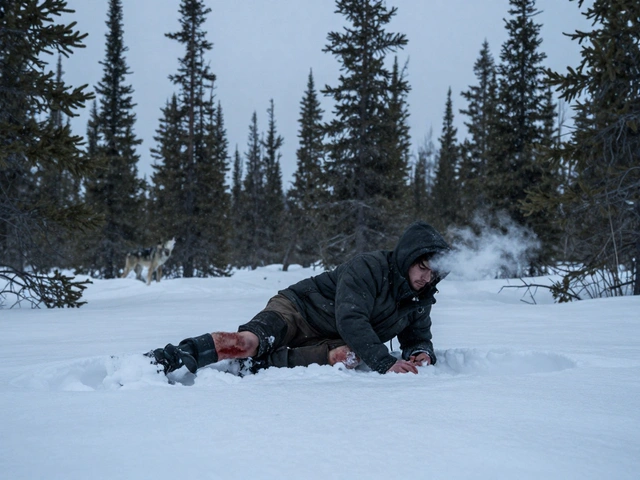
Consider the influence of Stephen King. He is a master of the short form, and his work provides a perfect case study. Many of his stories, like those in the collection Night Shift, are tight, claustrophobic, and punchy. When these are adapted, the filmmakers often wrap the original short story inside a larger frame. They don't just film the story; they build a world that justifies the story's existence.
| Feature | Novel Adaptation | Short Story Adaptation |
|---|---|---|
| Primary Challenge | Cutting content (Compression) | Adding content (Expansion) |
| Plot Structure | Usually follows the book's arc | Often requires new subplots |
| Character Depth | Already detailed in text | Must be built visually/through action |
| Pacing | Risk of feeling rushed | Risk of feeling padded |
The Psychological Thriller and the Short Form
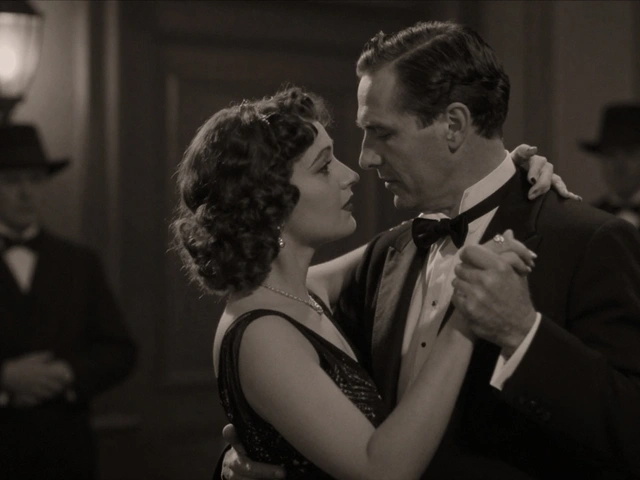
Short stories are naturally suited for psychological thrillers because they focus on a single, intense mood. When Alfred Hitchcock worked on his films, he often utilized the logic of short fiction: a single premise, a ticking clock, and a shocking twist. This approach creates a level of tension that is hard to maintain over 500 pages but works perfectly for a 90-minute film.
The transition often involves a technique called "World Building." If a story takes place in a single room, the movie might spend the first thirty minutes showing us how the character got into that room. By the time we reach the events of the original story, we are emotionally invested in the outcome. This transforms a simple anecdote into a full-scale drama.
From Literary Fiction to the Big Screen
Not every adaptation is about horror or suspense. Many of the most poignant dramas start as short pieces of literary fiction. The challenge here is capturing the "voice" of the author. Literary adaptations often struggle because the prose itself is the art. When you remove the beautiful sentences, what's left?
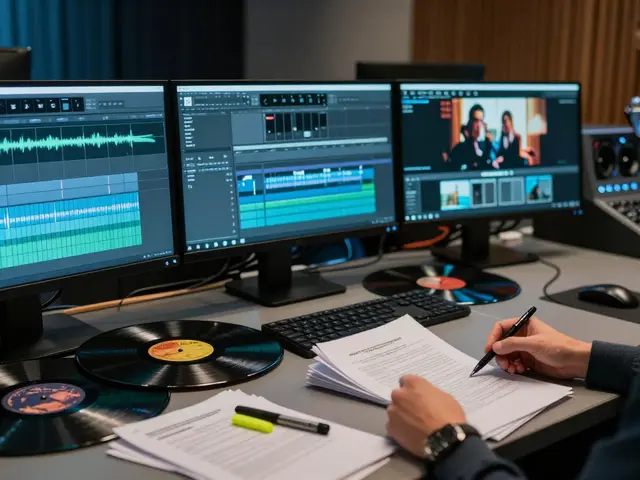
The answer is the emotional truth. A director who succeeds doesn't try to mimic the words; they try to mimic the feeling. For instance, if a story is about the loneliness of old age, the film might use long, silent shots of empty hallways and the sound of a ticking clock to evoke that same loneliness. They use the tools of Cinema to replace the tools of literature.
Common Pitfalls in the Adaptation Process
It's easy to go overboard. The biggest mistake a screenwriter can make is adding "filler." Filler is plot that doesn't move the story forward or reveal anything about the characters. If you add a love interest just to fill twenty minutes of screen time, the audience will smell it instantly. The pacing will drag, and the original intensity of the short story will be lost.
Another trap is sticking too closely to the original text. A literal translation of a short story often feels like a stage play rather than a movie. Movies need movement. They need different locations. They need visual metaphors. If the story is about a man trapped in his own mind, the movie shouldn't just be a close-up of his face for two hours; it should visualize his mental state through surreal imagery or fragmented editing.
The Role of the Screenwriter as a Co-Author
In a sense, the screenwriter of a short story adaptation becomes a co-author. They are filling in the blanks that the original writer left open. This is why some adaptations feel like they betray the source material-the screenwriter took the story in a direction the author never intended. However, this creative freedom is exactly what allows a movie to stand on its own as a piece of art, rather than just a filmed version of a book.
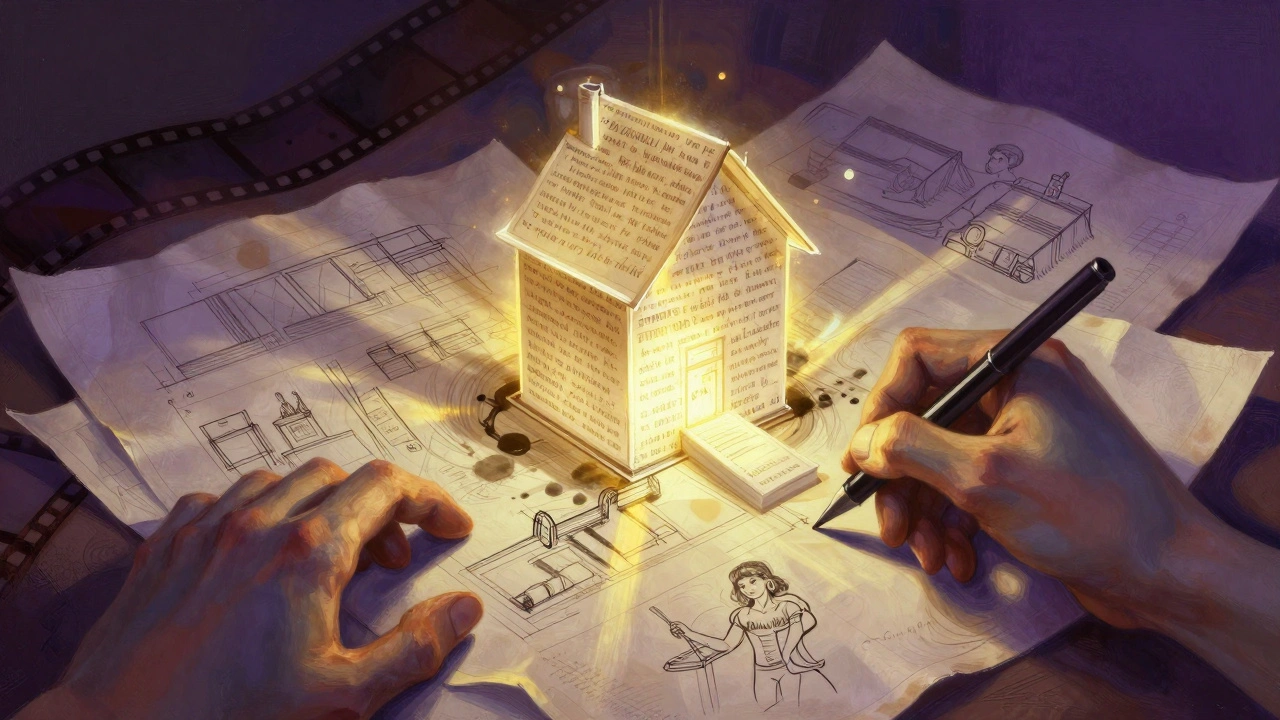
The most successful adaptations treat the short story as a foundation. Once the foundation is set, they build a house around it. They ask: "Why does this happen?" and "What happened before this?" By answering these questions, they create a narrative flow that satisfies a cinema audience while honoring the spirit of the original fiction.
Why are short stories often better for movies than long novels?
Short stories provide a concentrated, high-impact idea. This allows filmmakers to focus on a single theme or emotional arc without the distraction of excessive subplots that often clutter novel adaptations. It gives the director more room to interpret the story and add cinematic flair.
How do filmmakers avoid making the movie feel too long if the story is short?
They use "expansion" techniques. This includes developing the backstories of secondary characters, adding scenes that explore the environment (world-building), and creating a slower build-up to the main conflict. The key is ensuring every new scene adds character depth or tension rather than just filling time.
What is the biggest difference between a short story and its film version?
The primary difference is the transition from internal to external. Short stories often rely on a character's inner thoughts and perceptions. Films must translate these internal states into visual cues, dialogue, and action that the audience can see and hear.
Can a short story be adapted into a movie without changing the plot?
It's possible, but rare for a feature-length film. A literal adaptation of a short story usually results in a short film. To make it a feature, some level of plot expansion or structural change is almost always necessary to sustain the audience's interest for 90+ minutes.
Which genres benefit most from short story adaptations?
Horror, sci-fi, and psychological thrillers benefit the most. These genres often rely on a "high concept" or a single shocking twist, which are the hallmarks of the short story format. The intensity of these genres translates well to the focused experience of a cinema screen.
Next Steps for Aspiring Adapters
If you're looking to turn a piece of short fiction into a script, start by mapping out the "emotional beats." Identify the exact moment the story reaches its peak and work backward from there. Ask yourself what the audience needs to know before that peak to make it feel earned. Don't be afraid to kill your darlings or add characters who weren't in the original text-as long as they serve the core theme.
For viewers, the best way to appreciate these films is to read the original story afterward. You'll start to see the invisible seams where the filmmaker added their own voice to the author's vision. It's a fascinating way to understand how stories evolve across different mediums.


Comments(8)