Key Takeaways
- Visual identity is born from the synergy between a Director and a Director of Photography (DP).
- Signature looks are developed through shared mood boards, color theory, and technical experimentation.
- The collaboration evolves from conceptual brainstorming to real-time problem solving on set.
- Consistent visual motifs help establish a film's emotional tone and narrative rhythm.
The Brain Trust: Director and DP Synergy
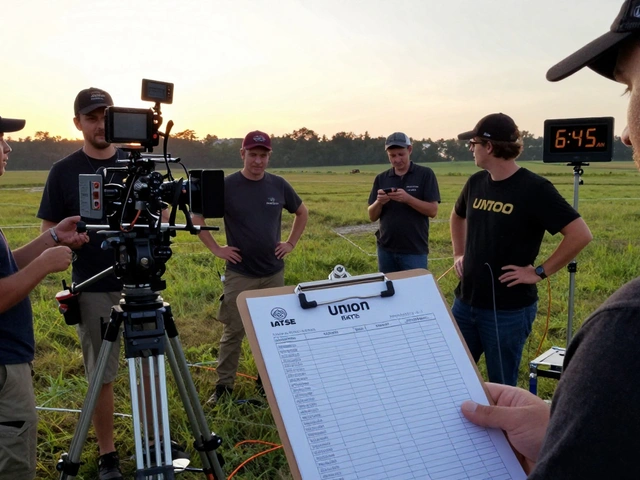
At the heart of every visually striking film is a relationship. The Director is the visionary who knows the emotional core of the story, while the Director of Photography is the technical wizard who knows how to translate those feelings into light and shadow. The DP, also known as the Cinematographer, manages the camera and lighting crews to execute the visual plan.
Think of it like a marriage. If the director says, "I want this scene to feel like a claustrophobic nightmare," the DP doesn't just zoom in. They might suggest a Wide-Angle Lens used in a tight space to distort the edges of the frame, making the walls feel like they are closing in. This is where the cinematography style transforms from a technical choice into a storytelling tool. When this duo is in sync, they develop a shorthand that allows them to make split-second decisions on a chaotic set without losing the overall aesthetic goal.
Building the Visual Blueprint
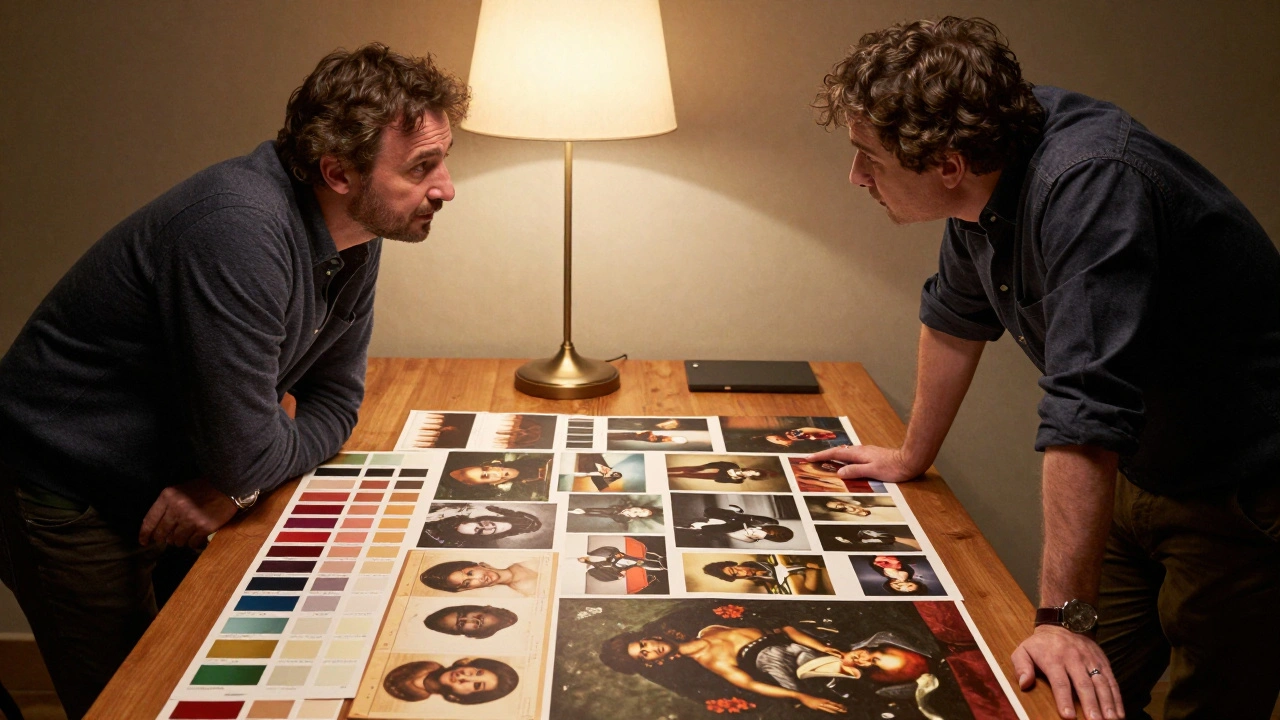
A signature look doesn't happen by accident on the first day of shooting. It starts months earlier during pre-production. Most modern teams use digital mood boards or "look-books" to align their tastes. They might pull references from 1970s noir films or the stark minimalism of early Krzysztof Kieślowski movies. But a great duo doesn't just copy; they synthesize. They ask, "What happens if we take the lighting of a Caravaggio painting and apply it to a futuristic space station?"
This phase involves heavy experimentation with Color Palette and contrast. A director might decide that the protagonist's world should be devoid of warm colors to represent isolation, while the DP determines exactly which LED Lighting setups or gels can achieve that oppressive blue hue without making the actors look like corpses. They aren't just picking colors; they are building a psychological map for the audience.
| Element | Emotional Impact | Common Technical Choice | Example Scenario |
|---|---|---|---|
| Lighting | Tension / Mystery | Low-key / Chiaroscuro | A detective interrogating a suspect in a dark room. |
| Lens Choice | Intimacy / Isolation | Anamorphic vs. Spherical | Using wide anamorphic for sweeping, lonely landscapes. |
| Camera Motion | Chaos / Urgency | Handheld / Steadicam | A high-speed chase through a crowded market. |
| Color Grade | Nostalgia / Dread | Warm Gold vs. Cold Green | A flashback to childhood using soft, golden hues. |
The Language of the Lens
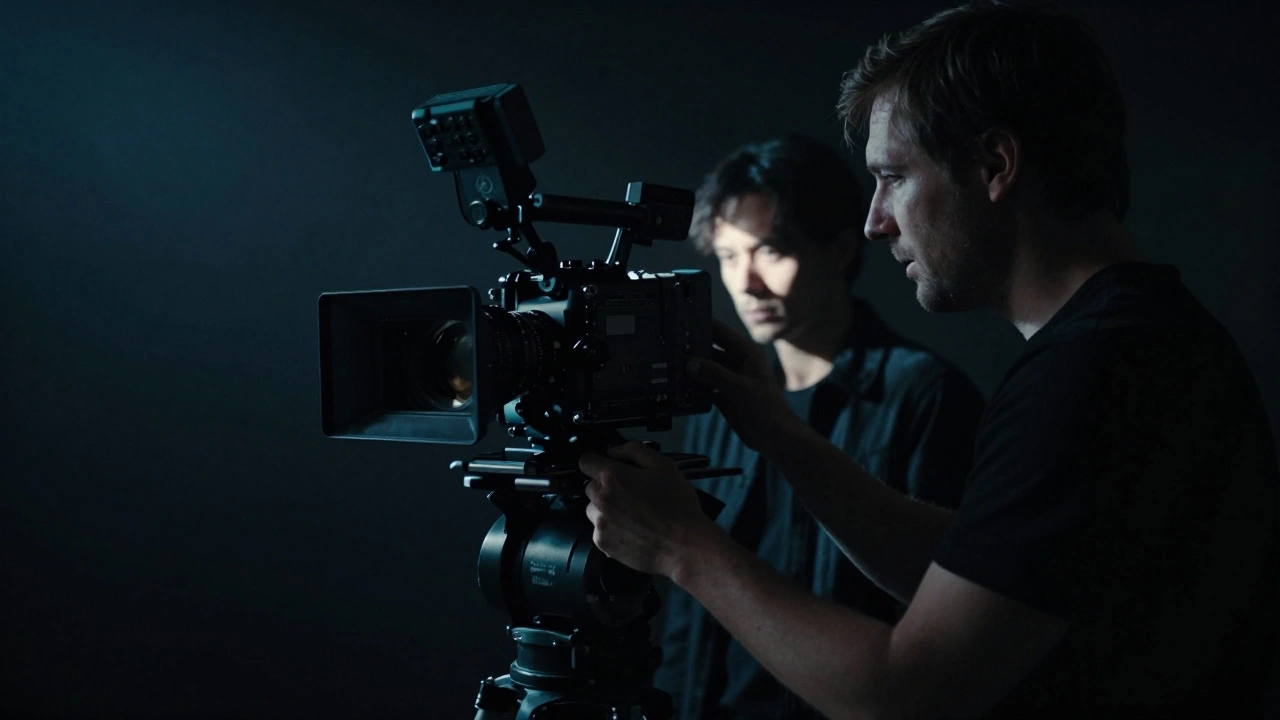
Once they hit the set, the conversation shifts to the Camera Language. This involves the specific way the camera moves and where it sits in relation to the actors. A director might want a "God's eye view" to make the characters feel insignificant, leading the DP to rig a complex overhead crane shot.
Then there is the choice of glass. Using Vintage Lenses can add a soft, organic flare and a bit of imperfection that makes a digital image feel more human and less like a commercial. When a director and DP agree on a specific lens set-say, only using primes with a 35mm and 50mm focal length-they create a consistent visual rhythm. This constraint actually fosters creativity because it forces them to move the camera physically rather than relying on a zoom lens, which creates a more visceral connection between the viewer and the scene.
Lighting as a Narrative Device
Lighting is where the real magic happens. It's the difference between a scene that looks like a soap opera and one that looks like a masterpiece. The DP manages the Exposure and the quality of light, but the director guides the mood. For example, in a high-tension drama, they might opt for "motivated lighting," where every light source in the frame seems to come from a real lamp or window, even if there are actually ten hidden lights just off-camera to make it look perfect.
Consider the use of shadow. In a thriller, the DP might use negative fill-black flags that soak up light-to create deep shadows on a character's face. This visually represents a hidden secret or a fragmented psyche. The director ensures these shadows align with the actor's performance, timing the light shifts to match the emotional beats of the script. It's a delicate dance of timing and physics.
Post-Production: The Final Polish
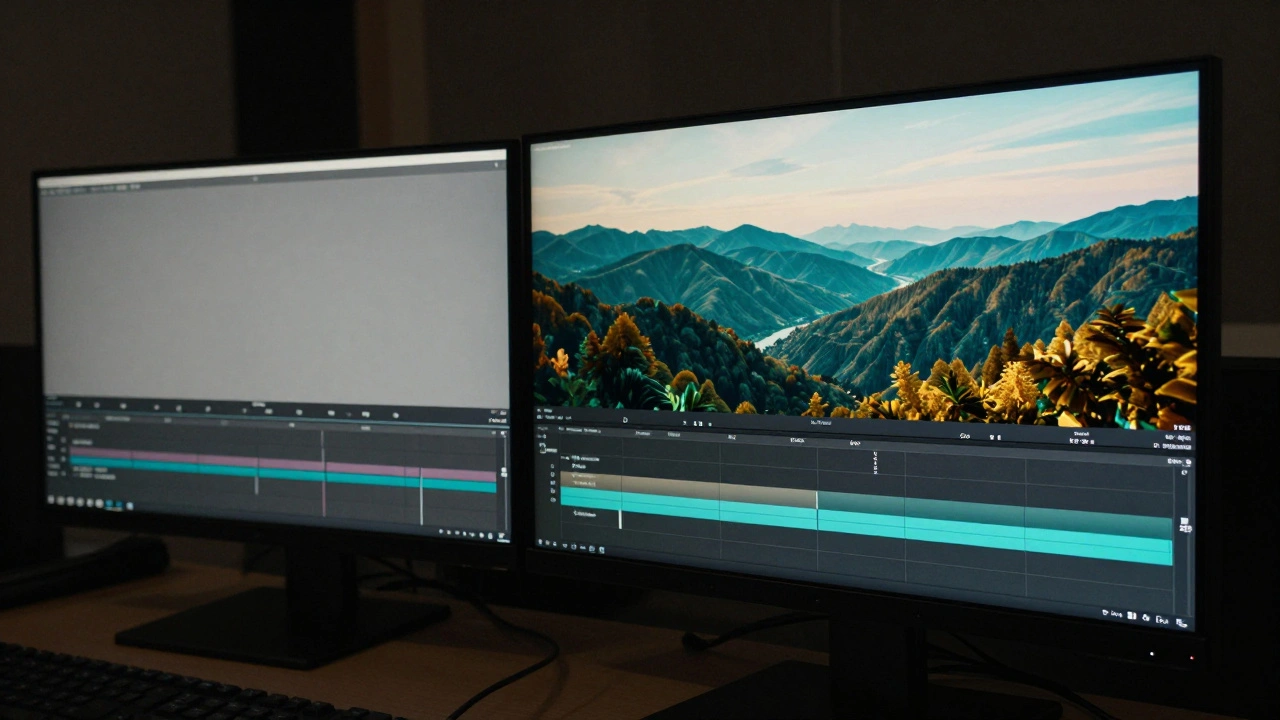
The collaboration doesn't end when the cameras stop rolling. The Color Grading process is essentially the second half of the cinematography. This is where the DP and a colorist work under the director's supervision to tweak the final image. They might push the shadows toward a teal tint or brighten the highlights to give the film a dreamlike quality.
This is also where the Aspect Ratio is finalized. Choosing a narrow 4:3 ratio can make a film feel vintage or oppressive, while a massive 2.39:1 widescreen ratio emphasizes the grandeur of a landscape. The decision isn't just about what looks "modern," but what fits the story's soul. If the film is about a character feeling trapped by society, a narrow frame literally boxes them in.
Common Pitfalls in Visual Collaboration
Not every partnership is a success. One of the biggest risks is "visual noise," where the director wants too many different styles in one movie. If one scene looks like a painting and the next looks like a handheld documentary with no connecting thread, the audience gets confused. The DP's job is often to be the anchor, reminding the director that consistency is the key to an immersive world.
Another common issue is over-reliance on technology. With the rise of Virtual Production and LED volumes (like those used in The Mandalorian), it's easy to forget that the most important element is still the human performance. A signature look should support the actor, not distract from them. The best collaborations are those where the tech disappears, leaving only the emotion and the atmosphere.
What is the difference between a Director and a DP?
The Director is the overall creative lead of the film, focusing on the story, performances, and general vision. The DP (Director of Photography) is a department head who specializes in the visual and technical aspects of the image, including lighting, lens choice, and camera movement, to bring the Director's vision to life.
How do they decide on a color palette?
They usually start with a mood board containing images from other films, paintings, or photographs. They discuss the emotional arc of the story-for instance, using cold colors for sadness or warmth for nostalgia-and then test those colors using lighting gels and digital grading tools during pre-production.
Does the camera brand affect the signature look?
While different sensors (like those from ARRI or RED) have different color science, the "look" comes mostly from the lenses and the lighting. A high-end camera can be made to look gritty or polished depending on how the DP manages the light and how the image is graded in post-production.
What are vintage lenses and why use them?
Vintage lenses are older glass from the mid-20th century. They are prized because they often have "flaws"-like softer edges, unique flares, and less clinical sharpness-which can make a digital image feel more cinematic, organic, and nostalgic.
Can a director work without a DP?
Technically yes, but it's rare in professional cinema. Without a DP, the director would have to manage all the technical lighting and camera settings themselves, which takes away from their ability to focus on the actors and the narrative flow.
Next Steps for Aspiring Visual Storytellers
If you are a director looking for your first DP, don't just look at their reel-look at how they talk about light. A great collaborator is someone who asks "Why?" and "How does this feel?" rather than just "Which lens do you want?" Spend time analyzing your favorite films; mute the sound and look only at the colors and the compositions. You'll start to see the patterns that make a signature look.
For DPs, the best way to improve is to study art history. Look at how painters like Rembrandt or Hopper used light to create mood. When you can bring a reference from a 17th-century painting to a modern movie set, you provide a level of depth that technical knowledge alone cannot achieve.



Comments(9)