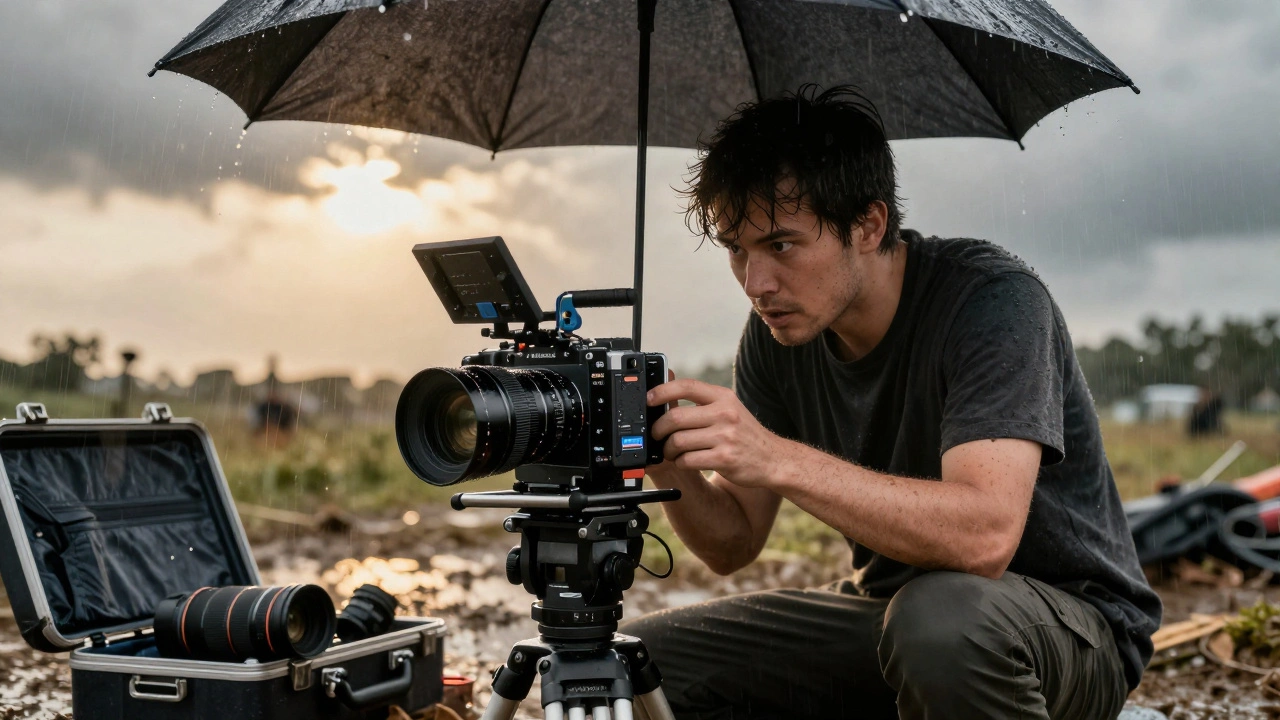
Running a film shoot without insurance is like driving a car without brakes. You might get lucky for a while, but one slip, one accident, one rainstorm, and you’re out thousands-maybe tens of thousands-of dollars in seconds. Film cameras, lenses, lighting rigs, audio recorders, drones, and even tripods aren’t just tools; they’re your livelihood. And if you’re shooting on location, renting gear, or working with high-end equipment, skipping insurance isn’t a cost-saving move-it’s a gamble you can’t afford to lose.
Why Standard Insurance Won’t Cut It
Your homeowner’s policy might cover your laptop or your DSLR at home, but it won’t touch a RED Komodo, a Canon C70, or a Steadicam rig used on set. Most personal policies exclude equipment used for commercial purposes. Even if they didn’t, they typically cap coverage at $1,500-$2,500 per item. A single ARRI Alexa Mini LF? That’s $50,000 new. A set of Zeiss CP.3 lenses? Another $30,000. Your home insurance won’t even scratch the surface.Then there’s the issue of accidental damage. A camera slips off a dolly. A lens gets dust inside during a desert shoot. A drone crashes into a tree during a sunset sequence. These aren’t rare events-they happen every week on independent sets. Without specialized coverage, you’re paying out of pocket. And repair costs? A sensor clean on a high-end cinema camera can run $800. A cracked sensor? $4,000-$10,000. Insurance isn’t optional. It’s the difference between continuing your next project and shutting down for months.
What Equipment Insurance Actually Covers
Film gear insurance isn’t one-size-fits-all. The best policies cover:- Accidental damage-drops, spills, impacts, lens flare damage, water exposure
- Theft-from vehicles, hotel rooms, or unattended gear setups
- Loss-gear that goes missing during transport or location shoots
- Third-party liability-if your equipment damages someone else’s property (like a window, a car, or a historic building)
- Rental replacement-if your gear is out of commission, some policies pay for rental gear while yours is being repaired
- Global coverage-critical if you shoot outside your home state or country
Some policies even cover intentional damage during stunts or pyrotechnics-if you declare it upfront. That’s important if you’re shooting action scenes or explosions. Always read the fine print. Some insurers exclude damage from extreme weather, sand, or saltwater unless you pay extra for environmental coverage.
Who Needs This Insurance?
You don’t have to be a Hollywood crew to need gear insurance. Here’s who should have it:- Independent filmmakers-even if you’re using your own gear, your income depends on it
- Rental houses-if you lend out cameras or lights, you’re liable for damage or loss
- Freelance cinematographers-clients often require proof of insurance before hiring you
- Documentary crews-you’re often in unpredictable environments: jungles, mountains, conflict zones
- Corporate video teams-your client’s brand reputation is tied to your gear’s reliability
- Student filmmakers-school equipment is expensive, and liability falls on you if it’s damaged
One filmmaker in Asheville lost a $12,000 drone during a mountain shoot last year. No insurance. No refund. He had to delay his documentary for six months. That’s the kind of story that makes people realize: it’s not about if something will go wrong. It’s about when.
How Much Does It Cost?
Coverage isn’t expensive compared to the risk. For most indie filmmakers, you’re looking at:- $200-$500 per year for $20,000-$50,000 in gear coverage
- $800-$1,500 per year for $100,000+ in gear (common for professional crews)
- Additional $50-$150/year for global coverage or environmental protection
Some insurers let you pay monthly. Others require annual payment. You can also add on-demand coverage for single shoots-ideal if you’re only shooting a few days a year. That might cost $50-$150 per shoot, depending on gear value.
Compare that to the cost of replacing a single lens: $3,500. Or a camera body: $7,000. Insurance is a small fixed cost that prevents a massive variable loss.
How to Choose the Right Policy
Not all policies are created equal. Here’s what to look for:- Replacement value, not depreciated value-Some insurers pay you what your gear is worth today (after depreciation). You want new-for-old replacement. That means if your 2-year-old camera is stolen, you get a brand-new one.
- No deductible or low deductible-Many policies have $500-$1,000 deductibles. That’s still a big hit if you’re already out of pocket. Look for $0 or $250 deductibles.
- Global coverage-If you shoot anywhere outside your home state, make sure it’s included. Some policies only cover the U.S. or require extra fees for international work.
- Claim process speed-Ask how long claims take. Some insurers take 4-6 weeks. The best pay within 7-10 days. Time is money when you’re on a deadline.
- Exclusions-Read them. Does it cover sand, saltwater, or extreme cold? Does it cover theft from a locked car? Does it cover damage from power surges during a storm? These matter.
Two popular providers in the U.S. are Production Insurance Group and MediaPro. Both specialize in film gear. Don’t go with a general business policy-they don’t understand the nuances of cinema equipment.
Document Everything
Insurance won’t pay out if you can’t prove what you owned. Before you shoot:- Take clear photos of every piece of gear-serial numbers, labels, condition
- Keep receipts for purchases, rentals, and repairs
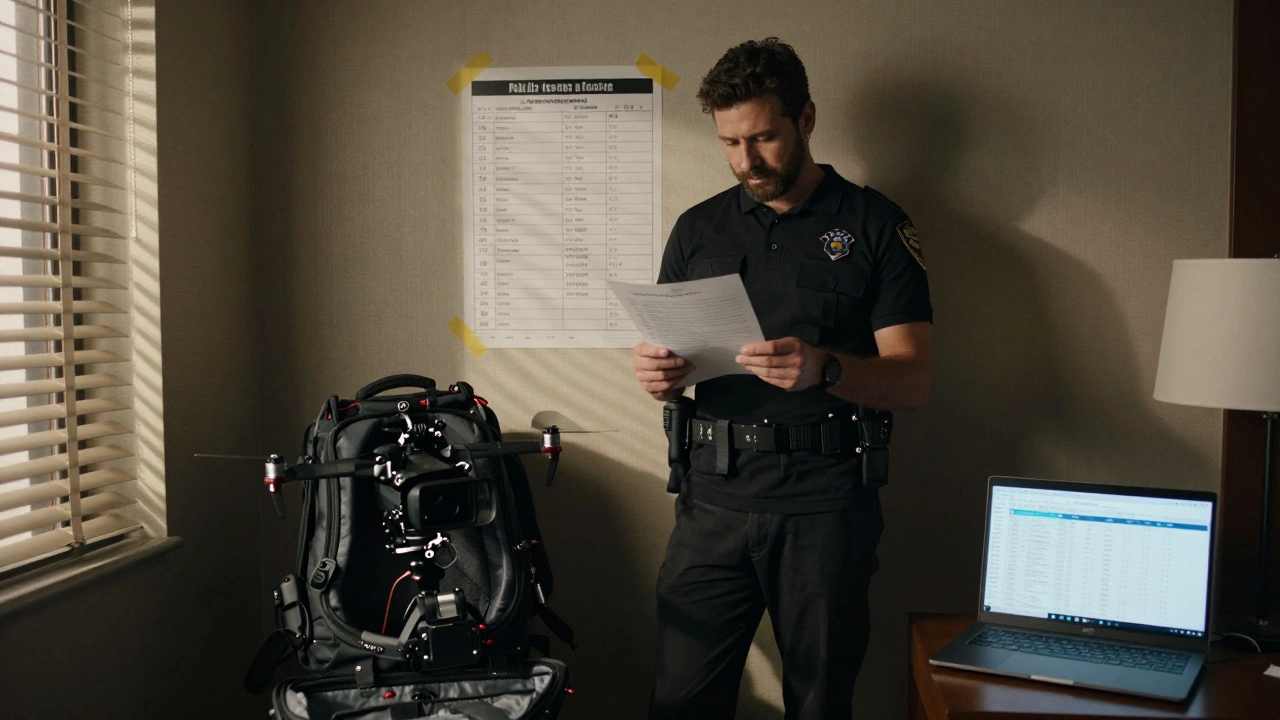
- Log gear in a spreadsheet: make, model, serial number, purchase date, value, location
- Store this digitally (cloud) and physically (printed copy in your kit)
One editor lost a $9,000 audio recorder on a shoot in North Carolina. She had no proof of ownership. The insurer denied the claim. She lost the money. Don’t be that person.
What Happens When You File a Claim
If something goes wrong, act fast:- Report the incident immediately-within 24-48 hours
- File a police report if there’s theft or vandalism
- Take photos of the damaged gear and the scene
- Get a repair estimate from a certified service center
- Submit your gear log and proof of ownership
Some insurers require you to use their approved repair shops. Others let you choose. Know the rules before you need them. And never try to fix it yourself-unless you’re a certified technician. DIY repairs void coverage.
Common Mistakes to Avoid
- Underinsuring-listing gear at $5,000 when it’s actually worth $15,000. You’ll only get paid the listed amount.
- Forgetting rentals-if you rent a camera, you’re responsible for damage. Your policy must cover rented gear.
- Not updating your list-you bought a new lens? Added a drone? Update your gear log. Outdated lists = denied claims.
- Assuming your client’s insurance covers you-most production insurance only covers the production company’s gear, not your personal equipment.
- Waiting until after a loss-you can’t buy insurance after something breaks. Policies have waiting periods, and claims made after an incident are void.
Final Thought: It’s Not an Expense. It’s an Investment.
Film gear insurance doesn’t just protect your equipment. It protects your career. It lets you take risks. It lets you say yes to challenging locations, tight deadlines, and ambitious projects. It gives you peace of mind so you can focus on lighting, framing, and storytelling-not on what happens if your camera falls off a cliff.Every dollar you spend on insurance is a dollar you don’t have to scramble for later. It’s the quiet, unglamorous backbone of professional filmmaking. And if you’re serious about making films, you don’t just need good gear-you need good protection.
Does homeowner’s insurance cover my film camera?
Usually not. Most homeowner’s policies exclude equipment used for commercial purposes. Even if they do cover personal cameras, the coverage limit is typically under $2,500-far below the value of professional cinema gear.
Can I get insurance for rented equipment?
Yes, but only if your policy includes rental gear coverage. Many film-specific insurers offer this as a standard feature. Always confirm with your provider before renting anything.
How long does a claim take to process?
With reputable film gear insurers, claims are typically processed in 7-10 days if all documentation is complete. Delays happen when you don’t have photos, receipts, or serial numbers. Keep everything organized.
Do I need insurance if I’m just shooting a short film?
Yes. Even small projects use expensive gear. A single lens or camera failure can cost more than your entire budget. Insurance isn’t just for big productions-it’s for anyone who depends on their equipment to get paid.
What if my gear is damaged during transport?
Most film gear policies cover damage during transport-whether in your car, a rental truck, or on a flight. Make sure your policy includes transit coverage. Some airlines offer limited liability, but it’s rarely enough to replace professional gear.
Can I add coverage for drones and gimbals?
Absolutely. Most policies allow you to add drones, gimbals, sliders, and other technical gear. Just list them in your gear log and declare their value. Some insurers have specific limits for drones-check those before flying.
Is there a deductible?
Some policies have deductibles ranging from $0 to $1,000. Lower is better. If you’re on a tight budget, look for a policy with a $250 deductible or none at all. Paying $500 out of pocket after a loss defeats the purpose of insurance.
Does insurance cover water damage?
Only if you have environmental coverage added. Standard policies often exclude water, sand, or salt damage. If you shoot near oceans, rivers, or in rain, pay extra for this add-on. It’s cheap and worth it.
What if I lose a piece of gear?
Loss is covered under most film gear policies. You’ll need to file a police report and provide proof of ownership. If you didn’t document your gear, your claim will likely be denied. Always keep photos and receipts.
Can I insure my entire kit under one policy?
Yes. Most insurers let you insure your entire kit as a single package. You list all items and their total value. This is cheaper than insuring each piece separately and easier to manage. Just update your list when you buy or sell gear.



Comments(6)