Think about the last time you picked a movie to watch. Did you scroll through Netflix? Maybe you checked a friend’s recommendation. Or did you glance at a number-like 87% on Rotten Tomatoes-and decide right then? That number isn’t just data. It’s a marketing tool, carefully shaped by studios, polished by editors, and weaponized by critics. Aggregators like Rotten Tomatoes and Metacritic don’t just report on films. They control how films are sold.
The Power of a Single Number
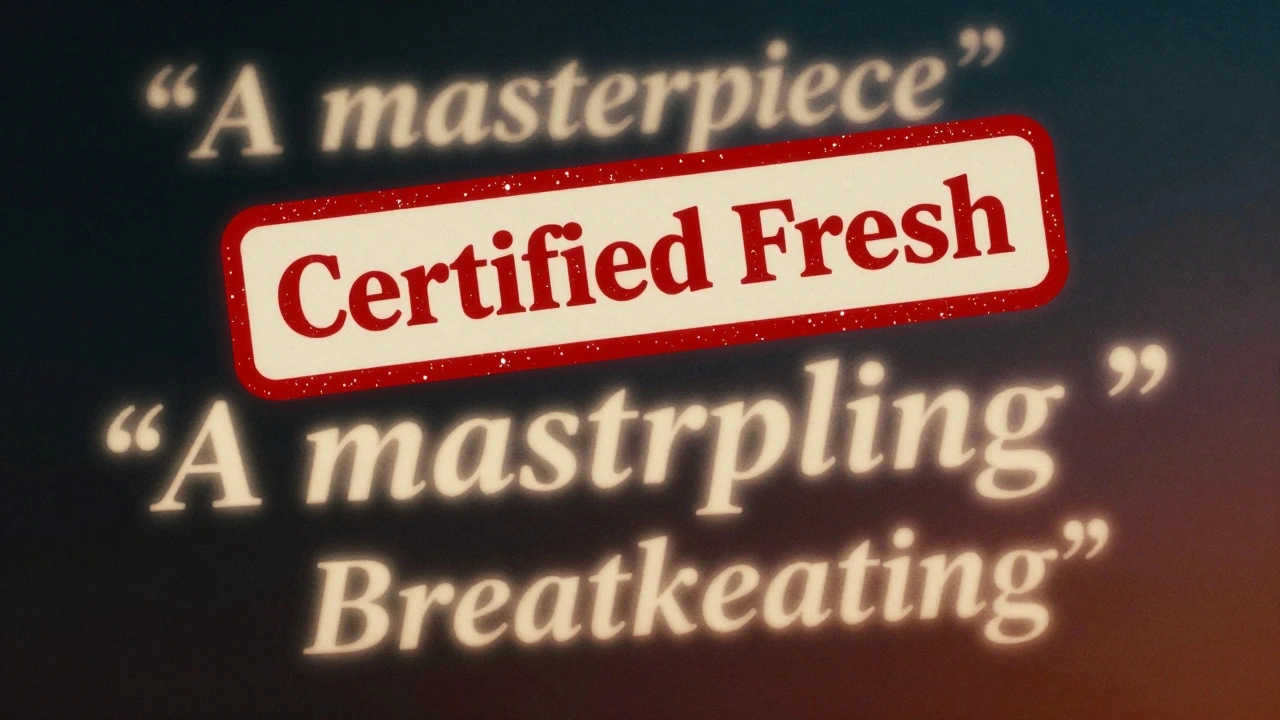
A movie with a 90% score on Rotten Tomatoes gets a red stamp that says ‘Certified Fresh.’ That stamp goes on posters, trailers, billboards, and TV spots. It’s not just a rating. It’s a seal of approval that tells audiences: this movie is worth your time. But here’s the catch: that 90% doesn’t mean 90% of people liked it. It means 90% of professional critics gave it a positive review. And even then, not all reviews count equally.
Studios know this. They spend months before release working with publicists to get the right critics on board. Not just any critic. The ones whose reviews will be picked up by aggregators. A single negative review from a major outlet like The New York Times can sink a film. A string of glowing ones from smaller blogs? Those get buried. The system rewards visibility, not volume.
How Pull Quotes Are Chosen
Ever notice how the same few lines keep appearing on movie posters? ‘A masterpiece.’ ‘The best of the year.’ ‘Breathtaking.’ Those aren’t random. They’re pulled from reviews-sometimes out of context-and arranged like puzzle pieces to sell the movie.
Take the 2023 film Oppenheimer. Its poster screamed: ‘A cinematic triumph’-a quote from The Guardian. But if you read the full review, the critic also wrote: ‘The film’s emotional core is oddly distant.’ That part didn’t make the cut. Studios don’t just cherry-pick praise. They cherry-pick phrases that sound like universal truths.
There’s no rulebook for how many words from a review can be used. Some outlets let studios use up to 15 words. Others cap it at five. But the result is always the same: the most flattering snippet wins. And studios have teams whose only job is to hunt for those phrases.
The Score That Never Was
Metacritic doesn’t just average scores. It weights them. A review from Variety or The Hollywood Reporter counts more than a blog post from a fan site. That’s intentional. It’s supposed to reflect authority. But here’s what happens in practice: studios target those high-weight outlets.
In 2024, a small indie film called Before the Rain opened with a Metacritic score of 78. It was praised for its quiet storytelling. But the studio didn’t stop there. They flew critics to private screenings, sent personalized press kits with handwritten notes, and even arranged interviews with the director. Within two weeks, three more major outlets gave it 85+. The score jumped to 82. The film’s box office tripled.
That’s not luck. That’s strategy. Studios treat aggregator scores like stock prices. They move them. They manipulate them. And audiences don’t realize they’re being guided by a carefully constructed narrative.

The Rise of the ‘Fresh’ Stamp
Rotten Tomatoes changed the game when it introduced the ‘Certified Fresh’ label in 2008. Before that, a 70% score was just a number. Now, it’s a marketing badge. Films with that stamp get preferential placement on streaming platforms. They’re featured in email newsletters. They’re pushed in algorithmic recommendations.
And here’s the twist: studios can earn ‘Certified Fresh’ without even releasing the film to wide audiences. They run test screenings for critics, then release it in just a few cities-enough to meet the minimum review threshold (usually five reviews from top-tier outlets). Once the score hits 75% and stays there for two weeks, they slap on the stamp and expand nationwide.
That’s why you’ll see films with 12 reviews and a 94% score. They’re not blooming with popularity. They’re engineered for the algorithm.
What Happens When the Score Drops
When a film’s score falls below 60%, something strange happens. Marketing stops. Trailers get pulled. Social media campaigns go quiet. Even if the film is good, if the aggregator says it’s not, audiences believe it.
Take The Last Thing He Wanted (2020). It had a 68% score on Rotten Tomatoes. Not terrible. But not ‘Certified Fresh.’ The studio, Netflix, quietly buried it. No billboards. No TV ads. Just a quiet drop on the streaming platform. It disappeared. No one talked about it. The score didn’t kill the film. The lack of promotion did.
Aggregators don’t just reflect opinion. They decide which opinions get seen. And when a film doesn’t get the stamp, it’s treated like it’s broken-even if audiences loved it.
The Audience Is Caught in the Middle
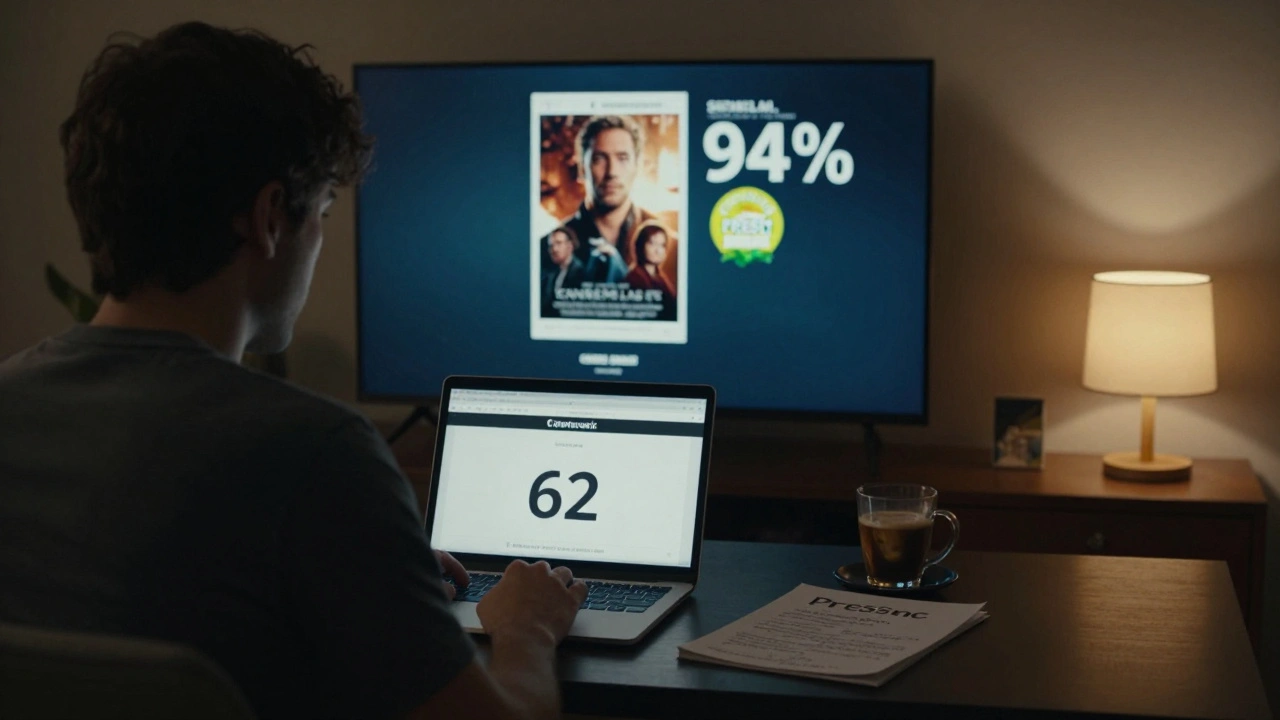
Most viewers don’t realize how much control aggregators have. They think they’re making a choice. But their choice is shaped by what’s been filtered, edited, and amplified.
Think about it: when you see a movie with a 95% score, you expect perfection. When you see a 55%, you expect boredom. But real reactions are messy. A film can be flawed and still move you. A film can be polished and feel hollow. Aggregators flatten all that into a single number.
And studios know it. That’s why they spend millions not just on filming, but on getting reviews right. They hire consultants to coach critics. They time releases to avoid competition. They even pressure critics to change their scores by threatening to cut off future access.
The Hidden Cost
The real cost isn’t just to audiences. It’s to filmmakers. Independent directors can’t afford to play the game. They don’t have PR teams. They can’t fly critics to private screenings. Their reviews get lost. Their scores stay low. Their films stay hidden.
Meanwhile, studio films with $50 million marketing budgets treat aggregators like a lever. Pull it up, and the box office soars. Pull it down, and the film fades.
It’s not about quality anymore. It’s about visibility. And visibility is bought.
What You Can Do
You don’t have to play along. When you see a movie poster with a big percentage, pause. Look at the full reviews. Read the ones that aren’t quoted. Check how many critics actually reviewed it. Was it five? Fifty? Did they all come from the same three outlets?
Follow critics who don’t work for major outlets. Subscribe to newsletters. Watch indie film podcasts. Trust your own gut more than a number.
Aggregators aren’t evil. They’re tools. But like any tool, they can be used to show truth-or to sell lies. The choice is yours.
Do movie aggregators like Rotten Tomatoes and Metacritic reflect what audiences think?
No. Rotten Tomatoes and Metacritic measure critic reviews, not audience opinions. Rotten Tomatoes has a separate ‘Audience Score,’ but that’s usually buried under the critic score. Most marketing only uses the critic score because it’s more controllable. Audience scores can be influenced by fan campaigns, but critics are targeted, curated, and sometimes even coached by studios.
Why do some films have very few reviews but high scores?
Studios often limit early reviews to a small group of trusted critics-usually from major outlets like The New York Times, Variety, or The Hollywood Reporter. Once those reviews are in and positive, they release the film in limited theaters to meet the minimum threshold for a ‘Certified Fresh’ label. This tactic ensures a high score before wide release, even if only 5-10 critics have reviewed it.
Can a film’s score be changed after release?
Yes, but only if new reviews are added. A score doesn’t change based on audience reactions or popularity. If a film gets a negative review after release, the score can drop. If it gets more positive reviews, it can rise. That’s why studios sometimes delay reviews until after the premiere, or release in limited markets first to control the initial score.
Are pull quotes ever misleading?
Extremely. Studios often pull a single phrase from a long review-even if the rest of the review is mixed or critical. For example, a critic might say, ‘The cinematography is stunning, but the story drags,’ and the poster will only show ‘Stunning cinematography.’ There’s no regulation on how much context must be kept, so misleading quotes are common.
Do aggregators favor big studio films over independents?
Yes, indirectly. Aggregators rely on reviews from major publications, which get far more access to big studio films. Independent films often get reviewed by smaller outlets whose reviews don’t count as heavily in Metacritic’s weighted system. Plus, studios have PR teams dedicated to getting reviews into aggregators. Independent filmmakers rarely do.





Comments(5)