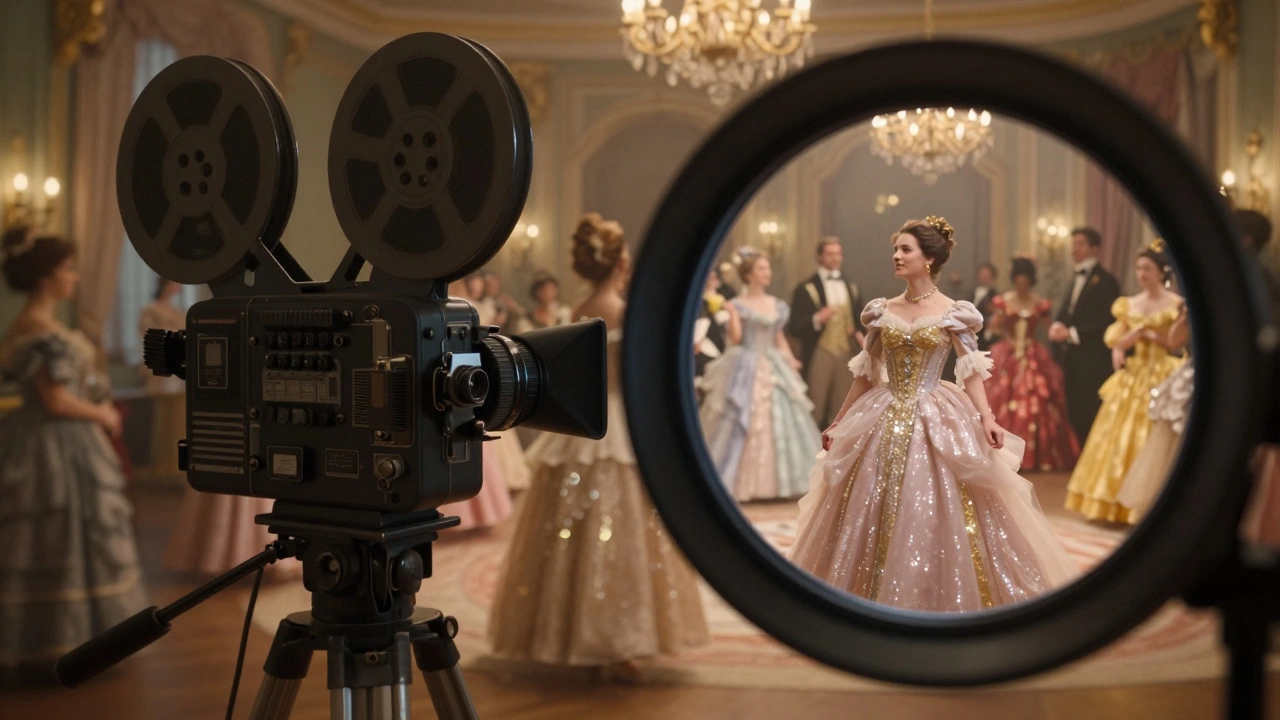
Most people think a movie about the past is just a history lesson with a higher budget. But if you've ever watched a film and wondered why the costumes look too clean or why a certain event happens in a way that feels a bit too convenient, you've already started doing narrative analysis. Cinema doesn't just record history; it interprets it. The real tension in any historical film is the tug-of-war between what actually happened and what makes for a gripping story. Do we want a documentary, or do we want a drama that feels true even if the facts are slightly off?
When we talk about historical films, we are looking at a genre of cinema that recreates past events, eras, or figures to explore themes of identity, power, and human nature. Unlike a textbook, these movies use visual language to make the past feel immediate. They aren't just about dates; they are about the emotional resonance of a specific time and place.
The Core Conflict: Accuracy vs. Authenticity
There is a massive difference between being accurate and being authentic. Accuracy is about the facts-did the General actually wear that specific medal on June 14th? Authenticity, however, is about the feeling. If a director changes a date to make a plot point hit harder, they might be sacrificing accuracy to achieve a deeper emotional authenticity. Think about how many movies compress three years of political negotiation into a single two-hour montage. If they showed every meeting, the audience would fall asleep.
Take Christopher Nolan and his approach to the past. In films like Oppenheimer, the focus isn't on a chronological list of events, but on the subjective experience of the man at the center. The fragmented timeline reflects how memory works, not how a history book is written. This is a conscious choice to prioritize the psychological truth over a linear timeline.
Narrative Devices for Bringing the Past to Life
Filmmakers use specific tools to bridge the gap between a modern audience and a dead era. One of the most common is the "outsider perspective," where a character who doesn't quite fit in acts as a proxy for the viewer. This allows the movie to explain the social rules of the time without sounding like a lecture. If a character is confused by a 19th-century social custom, the audience learns along with them.
Another tool is the use of Anachronism. While usually seen as a mistake, intentional anachronisms can be powerful. Using modern music in a film set in the 1700s-like in some recent royal dramas-isn't about historical correctness. It's about telling the audience, "these people felt the same passions and anger that we feel today." It breaks the "museum feel" and makes the characters human again.
| Approach | Primary Goal | Typical Technique | Risk |
|---|---|---|---|
| Traditionalism | Factual Fidelity | Strict period costumes and linear plots | Can feel stiff or boring |
| Revisionism | Challenging Old Narratives | Showing the "dark side" of icons | Accusations of bias |
| Stylization | Atmospheric Truth | Saturated colors, modern soundtracks | Loss of historical context |
The Danger of the "Great Man" Theory
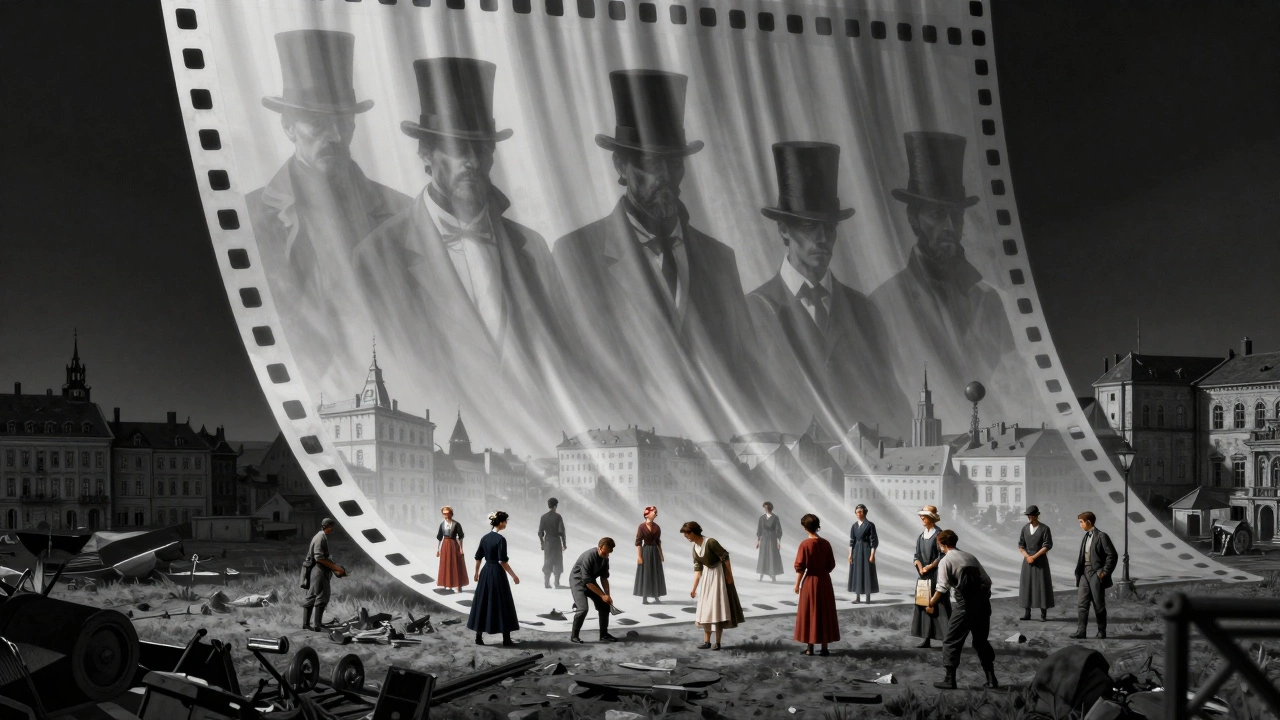
A lot of cinema falls into the trap of the "Great Man" theory-the idea that history is driven entirely by a few powerful individuals. We see this in countless biopics where one person's genius or willpower changes the world overnight. While this makes for a great protagonist, it ignores the systemic forces, economic shifts, and collective movements that actually drive change. When a movie focuses only on the King and forgets the peasants, it's not just a narrative choice; it's a reinforcement of a specific, often flawed, version of history.
Modern cinema is starting to push back against this. We are seeing more stories that focus on the margins-the servants, the women, and the enslaved people whose lives were shaped by those "Great Men." By shifting the lens, directors are performing a kind of narrative archaeology, digging up the stories that were intentionally left out of the official record.
Visual Language and the Construction of Memory
The way a film looks tells us how the director wants us to remember the era. High-contrast, grainy black-and-white footage often signals "this is a memory" or "this is a document." On the other hand, hyper-saturated colors can make a period feel like a dream or a romanticized fantasy. When you see a movie about the "Roaring Twenties" where every dress is sparkling and every party is endless, you aren't seeing the 1920s; you're seeing a modern nostalgia for the 1920s.
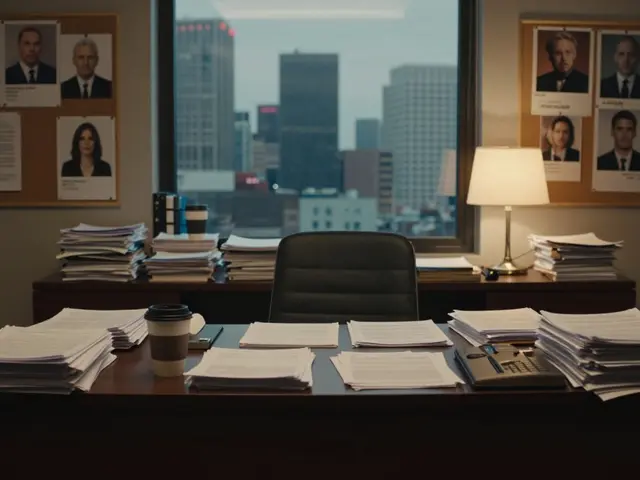
The use of Mise-en-scène-everything arranged in the frame-is where the real work happens. The clutter on a desk, the architecture of a room, and the lighting of a scene create a sensory experience that a textbook can't provide. This visual shorthand allows the brain to accept the setting as "real," which then makes the emotional stakes of the plot feel more urgent.
The Impact of Historical Cinema on Public Perception
Here is the scary part: for many people, the movie is the history. If a popular film depicts a historical figure as a villain, that image often sticks long after the credits roll, regardless of what the actual records say. This gives filmmakers a huge amount of power. They aren't just retelling stories; they are shaping the collective memory of entire cultures.
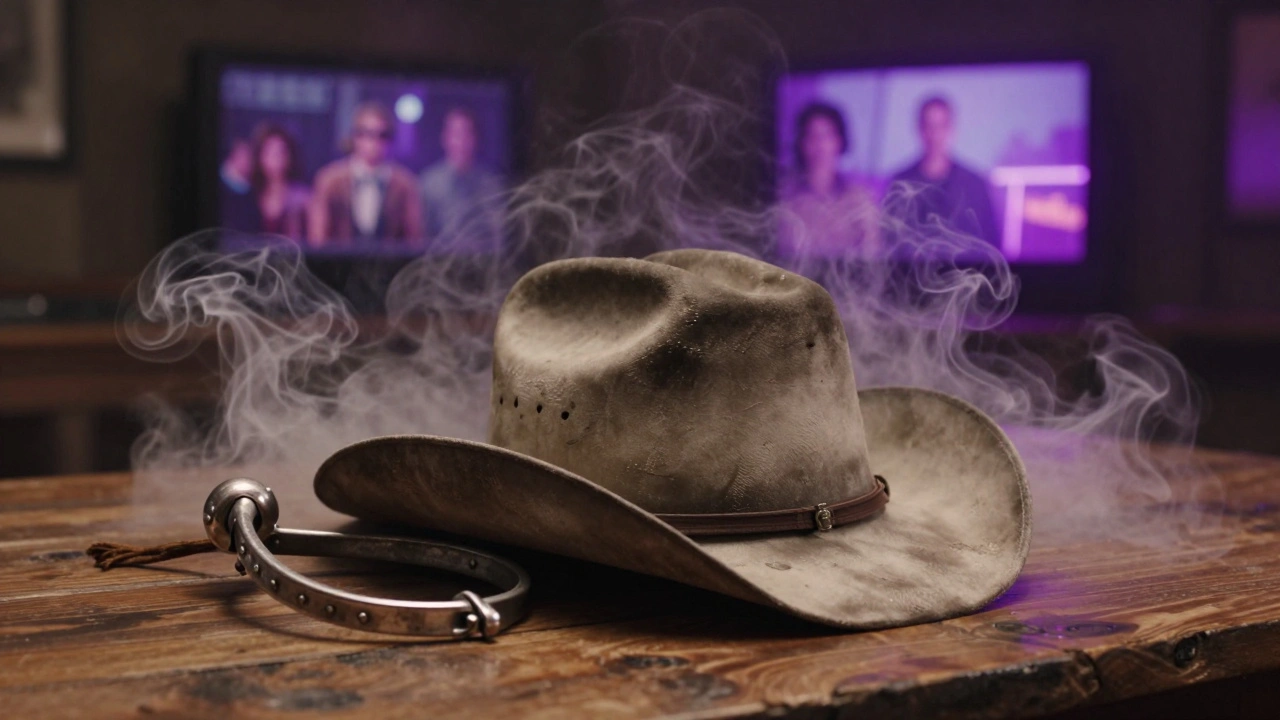
This creates a cycle where cinema influences how we view the past, and then future filmmakers use those cinematic tropes to recreate the past again. We end up with a "cinematic version" of the Victorian era or the American West that is more about movie tropes (top hats, saloons, dramatic duels) than actual lived experience. Breaking this cycle requires a critical eye and a willingness to question why a story is being told in a specific way.
Evaluating the "Truth" in Narrative Analysis
To really understand how a film engages with the past, you have to ask: who is this movie for? A film made in 1940 about the Civil War will have a completely different perspective than a film made in 2026 about the same event. The "truth" of a historical film is often a reflection of the time in which the film was made, not the time it depicts.
When we analyze these films, we should look for the gaps. What isn't being shown? Whose voice is missing? By identifying these silences, we can see the director's true agenda. Whether it's a political statement, a romanticized dream, or a genuine attempt at education, the intent is always there, hidden in plain sight within the narrative choices.
Why do historical movies often change facts?
Films prioritize narrative flow and emotional impact over strict chronology. Changing facts allows directors to create stronger character arcs, resolve plots faster, and make complex historical events easier for a general audience to understand without losing the core essence of the story.
What is the difference between a biopic and a historical drama?
A biopic focuses specifically on the life of a real person, attempting to map their journey from birth to death or through a key period. A historical drama uses a specific time period as a backdrop for a fictional or semi-fictional story, focusing more on the atmosphere and societal norms of the era than on one person's factual biography.
Are anachronisms always mistakes?
No. While some are errors in research, many are intentional. Directors use anachronisms (like modern music or clothing) to create a thematic link between the past and the present, making the characters feel more relatable to modern audiences.
How does the "Great Man" theory affect movies?
It leads to stories where a single leader or genius is credited with all the progress of an era, ignoring the contributions of ordinary people, social movements, and systemic changes. This simplifies the narrative but creates a distorted view of how history actually functions.
Can a movie be historically accurate but not authentic?
Yes. A movie can get every date and costume correct (accuracy) but fail to capture the mood, social tensions, and emotional reality of the time (authenticity), resulting in a film that feels like a sterile museum exhibit rather than a living story.




Comments(7)