Box office analysts used to live in fear of the "Tuesday Cliff." You know the one. A movie opens huge on Friday, holds steady through Sunday, and then evaporates by midweek. But if you look at the charts from late 2024 through early 2026, that cliff has turned into a gentle slope for certain types of films. We are seeing a shift where holdover power is no longer just about word-of-mouth; it is about creating an environment where audiences feel compelled to return. This isn't magic. It is a combination of theatrical spectacle and psychological triggers that turn a movie ticket into an experience rather than a transaction.
The Death of the Average Opening
For years, the industry chased the biggest possible opening weekend. The logic was simple: if you can capture everyone's attention in three days, you win. But this strategy had a fatal flaw. It relied on novelty. Once the novelty wore off, the audience moved on. By 2025, we saw a correction. Studios realized that a massive opening with a brutal 70% drop-off was actually worse for profitability than a modest opening with a slow decline. The goal shifted from "peak" to "plateau."
This change forced a reevaluation of what makes a movie stick. It wasn't just marketing spend. It was the nature of the film itself. Movies that offered something you couldn't get at home-immersive sound, massive scale, or communal energy-started outperforming those that were essentially TV shows blown up to screen size. The data from major markets like North America and China showed that films with high "replay value" maintained higher per-screen averages well into their second and third weeks.
Event Cinema: More Than Just a Movie
Event Cinema is a type of theatrical release designed to create a shared cultural moment, often featuring unique formats, extended runtimes, or exclusive screenings that encourage social attendance. Think about the success of the Greta Gerwig Barbie phenomenon or the sustained run of Dune Part Two. These weren't just movies people watched; they were events people attended. The key difference is intent. When you buy a ticket for an event film, you are buying into a community experience.
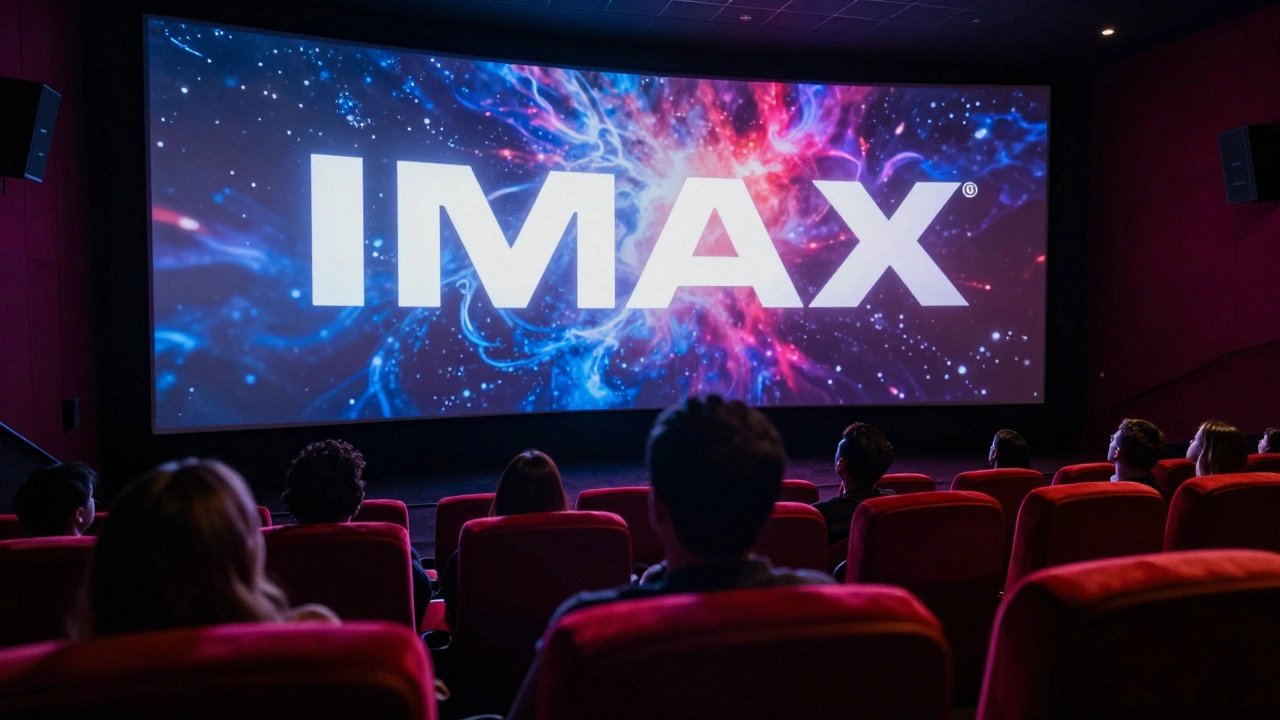
Event cinema thrives on exclusivity and spectacle. If a film uses IMAX-specific aspect ratios, Dolby Atmos soundscapes, or features live orchestral introductions, it gives viewers a reason to step foot in a theater. In 2026, theaters are doubling down on this. Many multiplexes now offer "premium large format" (PLF) experiences as standard for major releases. This isn't just about bigger seats; it's about sensory immersion. When the audio shakes your chest and the image fills your peripheral vision, you cannot replicate that on a living room TV. This physical engagement creates a memory anchor, making the viewer more likely to recommend the film and even return to see it again.
Furthermore, event cinema often incorporates social rituals. Dress-up nights, sing-along versions of classic musicals, or midnight premieres with themed food pairings transform the screening into a party. These additions increase the perceived value of the ticket price. When a consumer feels they are getting an "experience" worth $30, they are less sensitive to the cost and more invested in the outcome. This investment translates directly into holdover power because the film becomes part of their social calendar, not just their entertainment queue.
The Psychology of Repeat Viewings
Repeat viewings are the holy grail of holdover power. Historically, only a tiny fraction of the audience saw a film twice. Today, that number is creeping up for specific genres. Why do people go back? It usually comes down to two factors: complexity and comfort.
Complexity drives the first return. Films with intricate plots, hidden details, or ambiguous endings invite analysis. After the initial viewing, fans dissect the movie online. They spot clues they missed. They debate theories. This digital conversation fuels a second trip to verify hypotheses or catch Easter eggs. For example, sci-fi franchises and mystery thrillers often see a spike in attendance during their second week precisely because of this "detective work" phase. The movie becomes a puzzle to be solved, and solving it requires multiple attempts.
Comfort drives the long tail. Some films provide emotional regulation. A beloved comedy, a heartwarming drama, or a nostalgic franchise installment offers a predictable dose of dopamine. In uncertain times, audiences gravitate toward familiarity. Going back to see a film that made them laugh or cry provides a sense of control and safety. This is why animated features and family-friendly blockbusters often have incredible legs. Parents who enjoyed the film will take their children back, and friends will group up for a second round. This organic repeat business stabilizes weekend numbers even when new releases are competing for attention.

Weekend Stability vs. Midweek Volatility
Let's look at the mechanics of the weekend. Traditionally, Saturday was the king of box office revenue. Sunday followed closely behind. Monday through Thursday were considered dead zones. However, strong holdover power disrupts this pattern. When a film has high retention, it doesn't just survive the weekend; it dominates the entire week.
Consider the impact on theater scheduling. If a film drops 80% in its second weekend, theaters must pull screens to make room for new titles. This creates a volatile environment where older films die quickly. But if a film only drops 40%, it retains its screens. Those screens continue to generate revenue with minimal additional marketing cost. This efficiency is crucial for exhibitors. It allows them to plan staffing and inventory better. It also reduces the pressure on studios to release films in crowded windows. With stable holdovers, studios can space out releases more evenly throughout the year, knowing that previous hits will still be pulling in crowds.
This stability also benefits the local economy around cinemas. Concession sales, which remain the primary profit center for theaters, rely on consistent foot traffic. A film that draws steady crowds all week supports concession revenue more effectively than a film that spikes and crashes. Popcorn and soda don't care if it's Tuesday or Saturday; they just need customers. Holdover power ensures those customers keep coming.
| Feature | Opening-Weekend Chaser | Holdover Power Model |
|---|---|---|
| Primary Goal | Maximize initial buzz | Sustain long-term engagement |
| Audience Behavior | One-time viewing | Repeat viewings and recommendations |
| Theater Impact | High volatility, frequent screen changes | Stable scheduling, efficient resource use |
| Marketing Focus | Pre-release hype | Post-release community building |
| Risk Profile | High risk if opening underperforms | Lower risk, gradual accumulation |
The Role of Social Media in Sustaining Interest
You cannot talk about modern holdover power without addressing social media. Platforms like TikTok and X (formerly Twitter) have changed how word-of-mouth travels. It used to take days for a rumor to spread. Now, a clip goes viral in hours. This speed can kill a film fast if the reaction is negative. But it can also sustain a film indefinitely if the reaction is positive.
In 2026, we see campaigns that deliberately seed content for post-viewing discussion. Studios release behind-the-scenes footage, character deep-dives, or interactive quizzes tied to the film's plot. These elements keep the film relevant in the algorithmic feed long after the premiere. When users engage with this content, they are reminded of the film. That reminder often leads to a second ticket purchase or a recommendation to a friend who hasn't seen it yet.
Moreover, social media facilitates the "event" aspect. Seeing others dressed up, sharing memes, or posting reviews creates FOMO (fear of missing out). If your friends are talking about a scene you haven't seen, you are motivated to go. If they are discussing theories about the ending, you might go back to check if you agree. This digital layer adds depth to the theatrical experience, extending its lifespan beyond the runtime of the film itself.

Challenges and Limitations
Not every film can leverage holdover power. It requires specific ingredients. First, the film must be good enough to warrant a second look. Quality remains the baseline. Second, it must offer something distinct from streaming. If a drama could be watched comfortably on a phone, it won't drive repeat theater visits. Third, it needs active support from the studio. Marketing budgets must be allocated for post-release campaigns, not just pre-release trailers.
There is also the issue of saturation. If too many films try to become "events," the term loses meaning. Audiences are savvy. They can tell when a studio is forcing hype versus when a film genuinely resonates. Authenticity matters. Films that feel genuine and emotionally connected tend to have better holdover than those that feel manufactured. Additionally, economic factors play a role. In periods of inflation, consumers may cut back on discretionary spending, affecting repeat viewings regardless of quality. Theaters must balance premium pricing with accessibility to maintain these trends.
What This Means for the Future
The rise of holdover power signals a maturation of the theatrical market. We are moving away from the boom-and-bust cycle toward a more sustainable model. Studios that understand this shift will prioritize storytelling that rewards attention and encourages community. Exhibitors will focus on enhancing the in-theater experience to justify the visit. And audiences will benefit from a wider variety of films that stay in rotation longer, giving them more time to discover and enjoy cinema.
As we move further into 2026, expect to see more hybrid models. Films might open wide but include special weekly features to draw repeat customers. Limited engagements might expand based on demand rather than fixed schedules. The line between a movie and an event will continue to blur. For anyone involved in the industry, understanding holdover power is no longer optional. It is essential for survival in a competitive landscape where attention is the scarcest resource.
What is holdover power in the box office?
Holdover power refers to a film's ability to retain audience interest and ticket sales in the weeks following its release. Instead of dropping sharply after the opening weekend, films with strong holdover power maintain steady attendance, often due to positive word-of-mouth, repeat viewings, or event-like status.
Why are repeat viewings important for box office stability?
Repeat viewings provide a consistent revenue stream that does not depend on new marketing pushes. They help stabilize weekly earnings, allowing theaters to keep screens allocated to the film longer. This reduces volatility and maximizes the return on investment for both studios and exhibitors.
How does event cinema differ from regular releases?
Event cinema focuses on creating a shared, immersive experience that cannot be replicated at home. This includes premium formats like IMAX, special screenings, or social components like dress-up themes. The goal is to make the theatrical visit a memorable occasion rather than just watching a movie.
Can any movie achieve strong holdover power?
Not necessarily. Holdover power typically favors films with high production value, complex narratives, or strong emotional resonance. Genres like sci-fi, fantasy, animation, and mystery often perform better because they offer visual spectacle or puzzles that encourage re-watching. Dramas or comedies need exceptional quality to sustain similar interest.
How does social media impact holdover power?
Social media amplifies word-of-mouth and keeps films relevant through viral clips, discussions, and fan theories. Positive online engagement can drive second-weekend attendance and encourage repeat viewings as audiences seek to participate in broader cultural conversations surrounding the film.