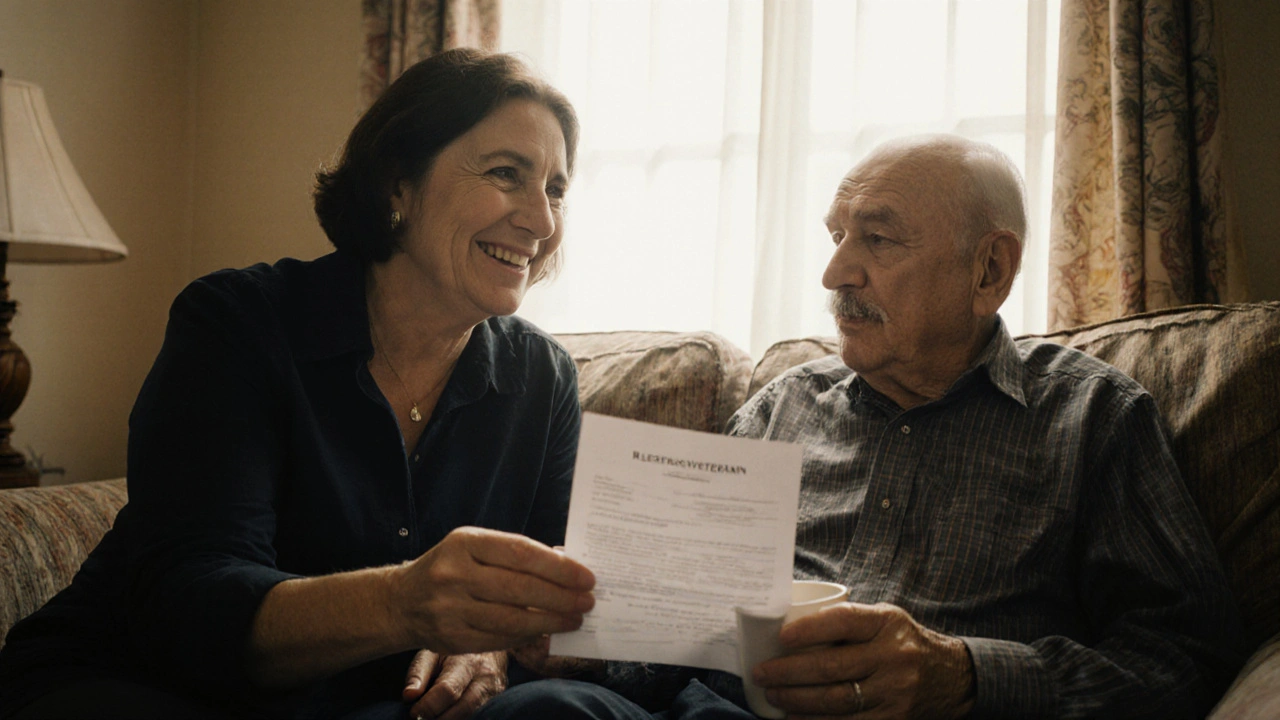
Ever watched a powerful documentary and wondered how the filmmakers got those raw, unfiltered moments? That interview with the whistleblower, the tearful confession, the quiet moment in a hospital room - none of it happens legally without one thing: access and permissions. Getting someone to open up on camera is one thing. Getting the legal right to use their words, image, and story is another. Skip this step, and you’re not just risking a lawsuit - you’re risking the entire film.
Why You Can’t Just Film Anyone and Call It Journalism
A lot of first-time documentary makers think, "I’m just telling the truth. I’m not hurting anyone. Why do I need permission?" That’s a dangerous assumption. Courts don’t care if your story is true. They care about whether you had the right to record and use it. In the U.S., you can film people in public spaces without permission - like a protest or a street musician. But once you focus on an individual, especially for a narrative documentary, you enter a legal gray zone. That person isn’t just a background element anymore. They’re a subject. And their likeness, voice, and personal story are protected.There’s no such thing as "public interest" as a blanket excuse. Even if your film exposes corruption or highlights injustice, you still need consent to use someone’s identifiable image and words. The 2018 case De Havilland v. FX made it clear: portraying real people in dramatized documentaries without consent can violate their right of publicity, even if the portrayal is factual. You can’t just say "it’s documentary" and assume immunity.
What a Release Form Actually Does
The document you hand to your subject isn’t just paperwork. It’s a contract. A properly written release form gives you legal permission to use their name, image, voice, and personal story in your film - across all platforms, forever. It’s not about tricking people into signing. It’s about transparency.Most release forms include:
- Confirmation that the person understands they’re being recorded for a documentary
- Permission to edit, distribute, and monetize the footage
- Waiver of any claims for invasion of privacy or right of publicity
- Statement that they’re not being paid for their participation (unless they are)
Don’t use a generic template from the internet. A form from a 2010 indie film won’t hold up in 2025. Courts now expect clear language. If your subject is a minor, you need a parent or guardian to sign. If they’re in a hospital, a nursing home, or under government supervision, extra care is needed - some institutions require their own forms.
One filmmaker in Asheville recorded a homeless veteran talking about his PTSD. He got the footage, thought he was safe - until the subject later tried to sue for emotional distress. Why? Because the release form he used didn’t mention PTSD, didn’t explain how the footage would be used, and didn’t give the subject a copy. That’s not negligence. That’s avoidable disaster.
When You Don’t Need a Release (And When You Still Should)
There are narrow exceptions. You don’t need a release if:- The person is in a public space and not the focus (e.g., a crowd at a rally)
- The footage is used for news reporting, not storytelling
- The person is a public figure and the footage is used in a newsworthy context
But here’s the catch: even if you legally don’t need it, you should still get written consent. Why? Because you’re not just protecting yourself from lawsuits. You’re protecting your subject. And you’re protecting your own peace of mind.
Take the 2023 documentary Behind the Wall, which followed a former prison guard. The filmmakers didn’t get a release from one inmate who appeared briefly in a group shot. Later, the inmate’s family threatened legal action. The filmmakers had to spend $18,000 in legal fees to prove the shot was incidental. They could’ve avoided it by asking the guard to identify who was in the frame - and getting written permission from anyone who was clearly visible.

What Happens If You Don’t Get Permission
The consequences aren’t just legal. They’re practical. Without signed releases, you can’t get Errors & Omissions (E&O) insurance. That’s the insurance every distributor, festival, and streaming platform requires. No E&O insurance? No broadcast. No Vimeo On Demand. No Netflix deal.Even if you self-distribute, platforms like YouTube and Amazon Prime Video will take down your film if someone files a copyright or right of publicity claim. And once it’s down, you’ll have to prove your release was valid - which is expensive and time-consuming.
In 2024, a documentary about a local church choir was pulled from all platforms after a choir member claimed the film misrepresented her mental health struggles. She never signed a release. The filmmaker had spent two years on the project. It was gone in a week.
How to Ask for Permission Without Scaring People Off
Asking someone to sign a legal document can feel intimidating. That’s why the best filmmakers don’t hand out forms like contracts. They turn the conversation into a trust-building moment.Here’s how it works in practice:
- Explain why you’re making the film - not just the topic, but your intent. "I’m trying to show what life is really like after losing a job in this town. Your story matters."
- Be honest about how you’ll use the footage. "We might edit this to show how the system failed you. We won’t make you look foolish. You’ll get to review your section before we finalize."
- Give them time. Don’t pressure them to sign on the spot. Offer to email the form. Let them talk to a lawyer if they want.
- Provide a copy. Always. People feel more comfortable when they know they’re not being taken advantage of.
One filmmaker in New Orleans told subjects: "This isn’t a waiver of your rights. It’s a way to protect your story from being twisted. I want you to own this." That approach got her 98% sign-off rates.
Special Cases: Minors, Vulnerable People, and Anonymous Sources
Not everyone can give consent the same way.Minors: A parent or legal guardian must sign. But even then, you should consider whether the child understands what they’re agreeing to. Courts are increasingly skeptical of releases signed by children, even with parental consent, if the content is emotionally sensitive.
Vulnerable people: Someone in addiction recovery, with dementia, or under state care may not be legally able to consent. Consult a media lawyer before filming. In some states, you need court approval.
Anonymous sources: If you’re protecting someone’s identity - blurring their face, changing their voice - you still need a written agreement. That agreement should state they’ve reviewed the footage and agree to the anonymization. Otherwise, they can later claim you didn’t honor their request for anonymity.
What to Do If Someone Withdraws Consent
People change their minds. That’s normal. If someone asks you to remove their footage after signing a release, you’re not legally obligated to comply - but you might want to.Ethics matter as much as law. If you’ve built trust with your subject, breaking that trust can damage your reputation more than any lawsuit. Many filmmakers have a "right of withdrawal" clause in their releases: if the subject requests removal within 30 days of the film’s premiere, you’ll edit them out - even if you’re not legally required to.
It’s not weakness. It’s professionalism.
Final Checklist Before You Press Play
Before you start shooting, make sure you’ve done this:- Written release forms for every identifiable person who speaks or is clearly shown
- Parent/guardian signatures for anyone under 18
- Copy of the release form given to each subject
- Release form stored securely with your footage
- Recorded verbal confirmation (audio or video) if a subject can’t sign
- Consulted a media lawyer if filming in a hospital, prison, or with vulnerable populations
Documentaries change lives - including the lives of the people in them. The best stories come from trust. And trust doesn’t come from legal jargon. It comes from honesty, respect, and clear communication. Get the permissions right, not because you have to - but because you care.
Do I need a release form if I’m filming in public?
You don’t need a release for random people in public spaces if they’re not the focus - like a crowd at a parade. But if you zoom in on someone, interview them, or use their story as part of your narrative, you need a signed release. Courts treat identifiable individuals differently, even in public.
Can I use footage of a celebrity without permission?
You can use footage of celebrities taken in public if it’s for news or commentary. But if you’re using their image to sell your film, imply endorsement, or build a narrative around their personal life, you need permission. The right of publicity doesn’t disappear just because someone is famous.
What if my subject dies before the film releases?
If they signed a release before death, it usually remains valid. But if they didn’t, their estate can still sue for invasion of privacy or misuse of likeness. Always get signed releases while your subject is alive. Don’t assume family consent replaces a subject’s own permission.
Is a verbal consent enough?
Verbal consent is not legally reliable. Courts require written proof. Even if you record someone saying "yes," it’s not the same as a signed form with clear terms. Always follow up with a written release - even if you already have audio or video consent.
Can I use old footage without a release?
No. Age doesn’t make permission retroactive. If you filmed someone 10 years ago without a release, you still need one to use it now. The law doesn’t expire - your legal risk doesn’t either.




Comments(10)