The Psychology of the Midnight Queue
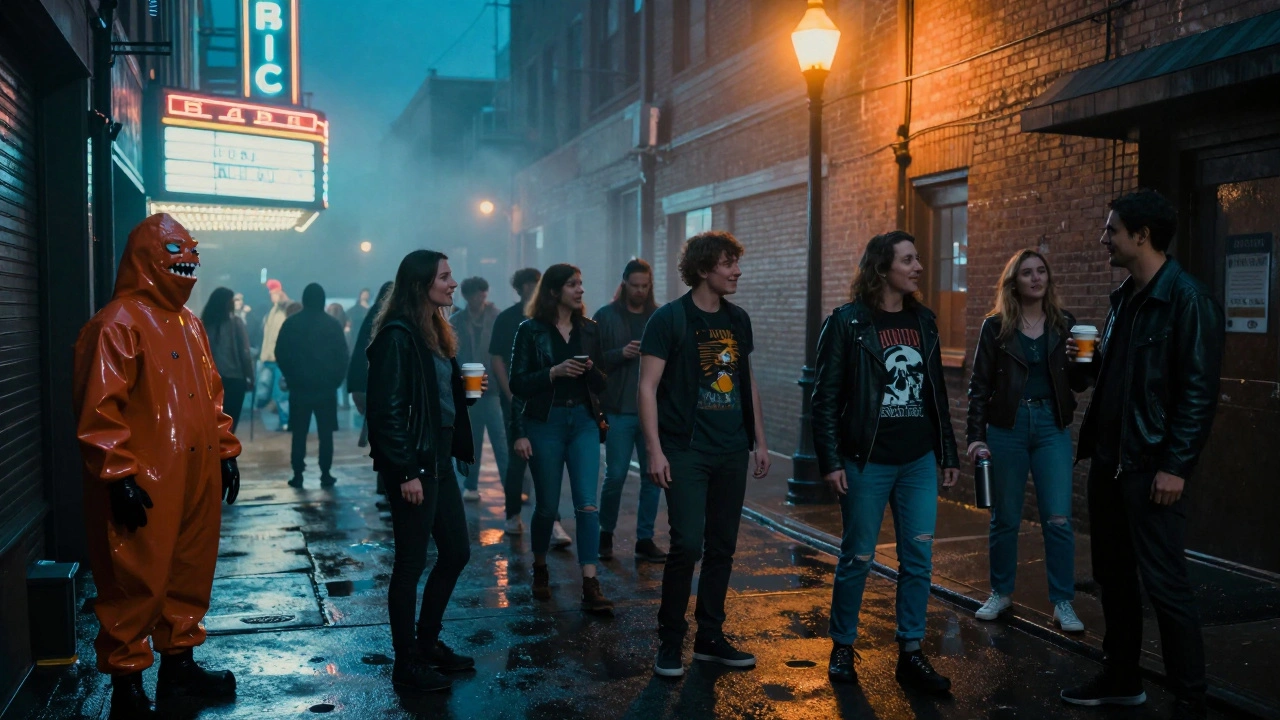
Waiting in line for a midnight premiere is a form of social signaling. When you commit to a ten-hour wait for a niche horror flick, you are telling the world exactly who you are. You are part of a specific tribe. In these lines, the currency isn't money-it's knowledge. The person who knows the director's obscure early short films or the exact number of takes it took to film a specific gore scene earns a higher status in the group. It is a space where being a "geek" is the only way to be cool.
This behavior creates a temporary society with its own rules. You see strangers sharing thermoses of coffee and debating the merits of practical effects versus CGI. There is a palpable tension in the air-a mix of anxiety and excitement-that you simply don't get when you book a ticket online from your couch. The anticipation builds a psychological layer of value onto the film. Even if the movie ends up being a disaster, the memory of the line makes it a legendary event.
Rituals of the Hardcore Fan
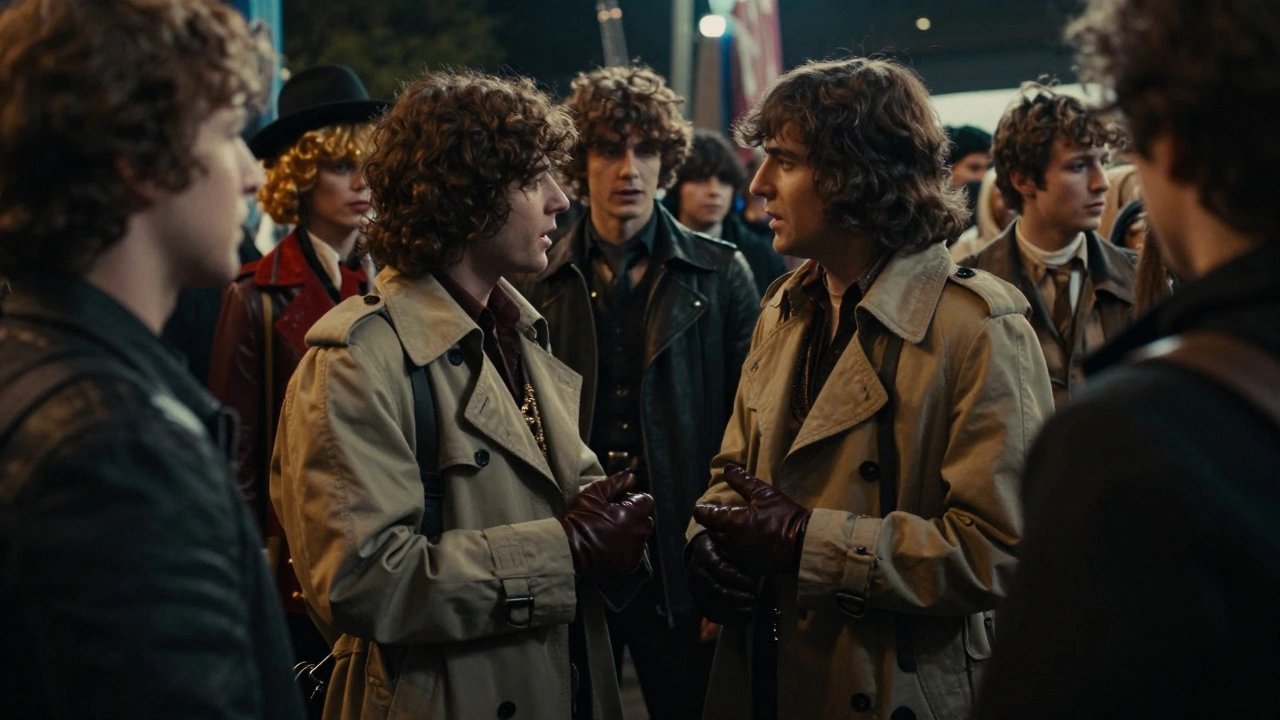
Cult premieres are defined by their rituals. Some of these are organized, while others emerge organically. Cosplay is the most obvious one. At a midnight movie the practice of screening films, typically cult or genre cinema, at midnight to attract a specific subculture of enthusiasts event, dressing as a character isn't about a costume contest; it is about embodying the spirit of the film. If you are watching a 70s giallo film, you might show up in an oversized trench coat and leather gloves.
Then there are the interactive rituals. Think of the way fans of The Rocky Horror Picture Show a 1975 musical comedy that became the quintessential midnight movie, known for audience participation throw toast during the wedding scene. While new premieres don't always have established scripts, fans often invent their own. They might cheer for a specific character's death or boo a predictable plot twist. This transforms the passive act of watching a movie into a collective performance. You aren't just a viewer; you are part of the cast.
The Role of the Film Festival Ecosystem
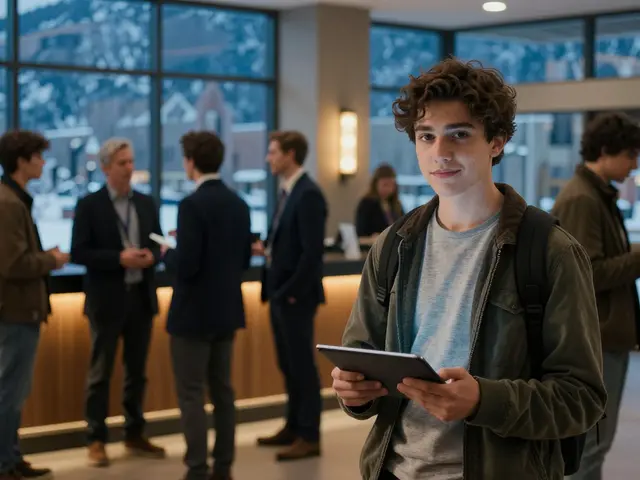
While standalone theaters keep the tradition alive, film festivals organized events where new and independent films are screened for audiences and critics, often featuring competitions act as catalysts for these rituals. Festivals like Sundance one of the most prestigious independent film festivals in the world, based in Park City, Utah or Sitges Film Festival a world-renowned international festival specializing in fantasy and horror films create a concentrated environment where niche interests collide. The "Midnight Section" of a festival is usually the most chaotic and energetic part of the program.
In these settings, the line becomes a networking hub. You'll find aspiring directors talking to critics and distributors scouting for the next big underground hit. The festival atmosphere adds a layer of legitimacy to the cult experience. It says, "This weird movie is important enough to be curated," which justifies the extreme lengths fans go to just to get a seat. The geography of the festival-the walk from the hotel to the theater, the late-night diners-all blends into the ritual.
| Feature | Commercial Cinema | Festival Midnight Premiere | Cult Theater Residency |
|---|---|---|---|
| Crowd Energy | Passive/Quiet | Electric/Chaos | Rhythmic/Ritualistic |
| Social Interaction | Low (Strangers) | High (Networking) | Very High (Community) |
| Viewing Style | Standard | Reactionary | Participatory |
| Ticket Access | Easy/Digital | Competitive/Lottery | Consistent/Local |
The Digital Threat and the Physical Response
With the rise of streaming and instant digital releases, the "exclusive" nature of the midnight line is under threat. Why wait in the rain when you can watch a movie on your phone? However, this has actually made the physical ritual more valuable. In an era of digital isolation, the act of physically standing in a line is a rebellion. It is a statement that says, "I value the physical presence of other people more than the convenience of a screen."
We are seeing a surge in cinephilia the passionate love and study of cinema, often extending to a deep appreciation for film history and obscure titles that emphasizes the "event" over the content. This is why niche cinemas are focusing more on curated experiences-adding Q&As, themed cocktails, and merchandise. They realize that the movie is just the anchor for a much larger social experience. The line is no longer a hurdle to get into the theater; the line is the destination.
Navigating Your First Cult Premiere
If you've never experienced a midnight line, you can't just show up five minutes before the credits roll. There is a specific etiquette to follow. First, bring supplies. Not just snacks, but things that benefit the group. A portable speaker or a deck of cards can make you an instant favorite in the queue. Second, embrace the weirdness. If someone asks you to join in a chant or wear a strange hat, just do it. The faster you let go of your social inhibitions, the more you'll enjoy the event.
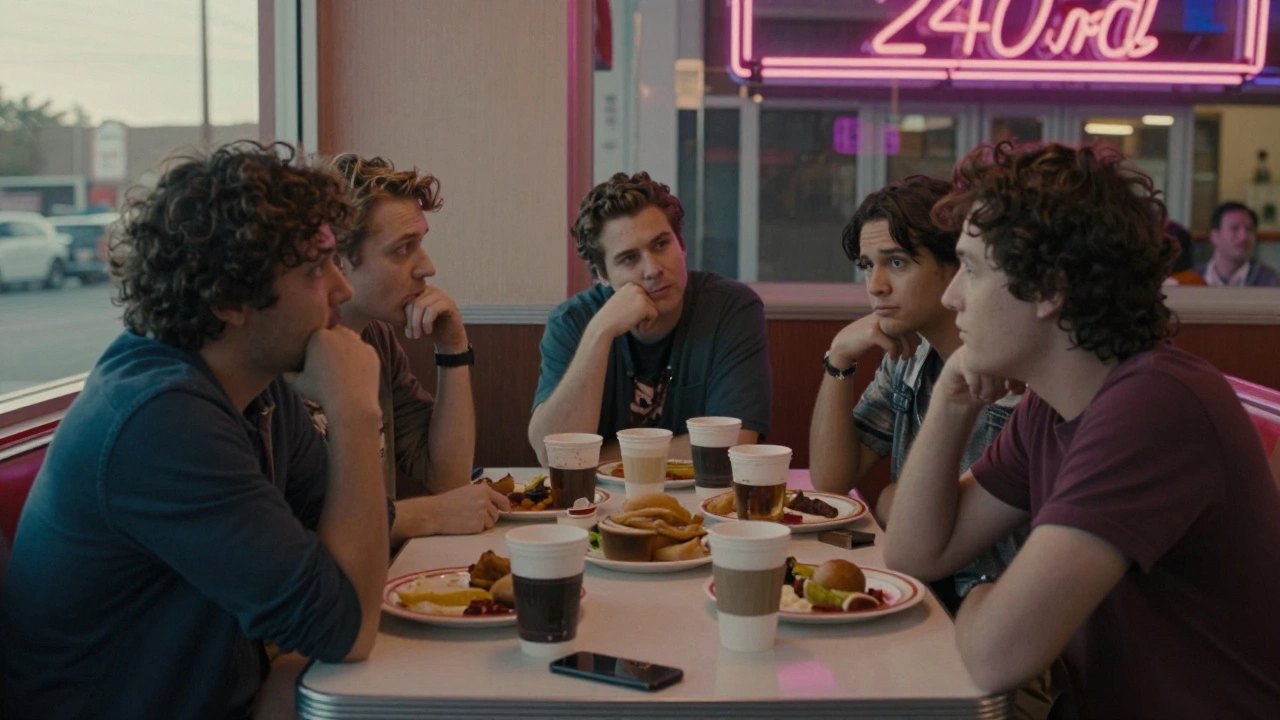
Be prepared for the "post-game" discussion. The ritual doesn't end when the lights come up. The real processing happens in the parking lot or at a 24-hour diner. This is where the collective meaning of the film is negotiated. Was it a masterpiece? A beautiful failure? A crime against cinema? These debates are where the cult status of a film is actually solidified. If the crowd agrees that a movie was "so bad it's good," it has officially entered the pantheon of cult cinema.
What exactly makes a movie a "cult" film?
A cult film isn't defined by its genre, but by its relationship with its audience. It typically has a small but incredibly devoted following. These films often fail commercially upon release or are ignored by mainstream critics, only to be rediscovered by people who find a deep, personal connection to its oddities or transgressive nature.
Is it necessary to dress up for a midnight premiere?
It's not required, but it is highly encouraged if you want to fully integrate into the community. Cosplay acts as a visual signal of your dedication and often opens doors to conversations with other fans. However, even showing up in a themed t-shirt is enough to show you are "in the know."
How do I find these events if I'm not at a major festival?
Look for independent "art house" cinemas in your city. Many of them have dedicated midnight slots or "repertory screenings" where they play older cult classics. Following niche film bloggers or joining local cinephile groups on social media is the best way to find out about pop-up screenings.
Why do people enjoy watching movies that are objectively "bad"?
There is a specific joy in witnessing a failure of ambition. When a director tries to make an epic masterpiece but lacks the budget or skill, the result is often surreal and unintentionally funny. This "camp" appeal allows audiences to bond over the absurdity of the work, making it a more social and liberating experience than watching a polished, corporate product.
Do these rituals happen for mainstream blockbusters too?
Yes, like with Marvel or Star Wars premieres, but the vibe is different. Mainstream lines are often about consumerism and "hype." Cult lines are more about subculture and identity. In a mainstream line, you are a customer; in a cult line, you are a devotee.
Next Steps for the Aspiring Cinephile
If you are new to this world, start small. Find a local theater that does a "Midnight Madness" series. Don't worry about knowing everything before you go-the best part of the ritual is learning from the veterans in line. If you're feeling bold, try organizing your own micro-screening. Rent a small space, pick a movie that is delightfully weird, and invite people who don't mind staying up until 4:00 AM. The goal isn't to have a perfect screening; it's to create a space where people can be collectively strange together.


Comments(9)