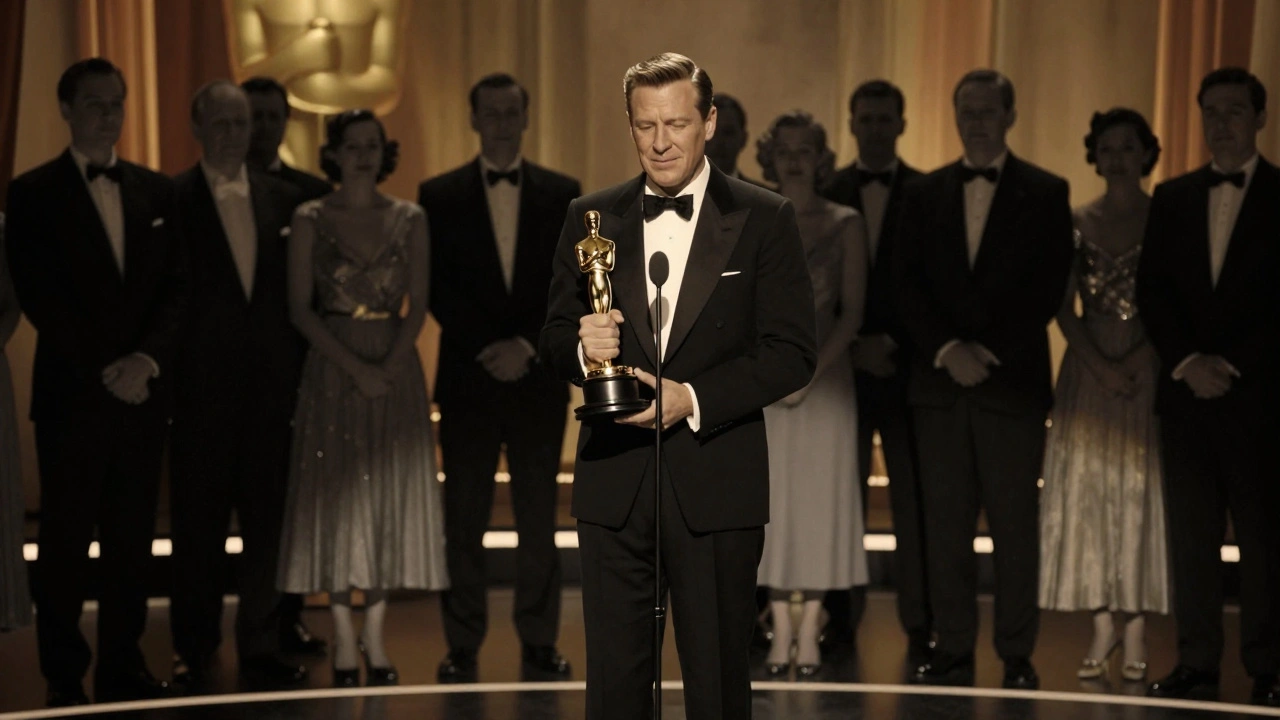
Every February, the world watches. Millions tune in to see who will take home the golden statue for Best Picture, the most prestigious award in cinema. But have you ever wondered why certain films win while others, perhaps more popular or critically acclaimed, go home empty-handed? It’s not just about quality. There is a pattern, a rhythm to the Academy Awards that reveals what the voting body truly values at any given moment.
Looking back at decades of winners, from the black-and-white classics of the 1940s to the streaming-era blockbusters of today, we can see clear shifts in taste, politics, and industry priorities. Understanding these patterns doesn’t just satisfy curiosity; it helps us predict future trends and appreciate the cultural context behind every winner. Let’s look at the history of the Oscars through the lens of what actually made these films win.
The Golden Age: Drama, War, and National Identity
In the early years of the Academy, specifically from the 1930s through the 1950s, the Best Picture category was dominated by grand dramas and historical epics. These were films that reflected the anxieties and aspirations of the American public during turbulent times. During World War II, for instance, the Academy favored stories that bolstered morale or explored the human cost of conflict.
Casablanca (1942) won because it offered a perfect blend of romance, intrigue, and pro-Allies sentiment. It wasn’t just a movie; it was a statement. Similarly, Going My Way (1944) resonated with audiences seeking comfort and faith during the war years. The voters liked films that felt important, films that tackled big themes like justice, freedom, and sacrifice.
- Key Trait: High production value and star power.
- Common Themes: War, social justice, romantic drama.
- Voting Bias: Preference for traditional narrative structures.
This era established the idea that Best Picture should be an "important" film. It didn’t have to be fun, but it had to matter. This expectation persists today, though the definition of "matters" has evolved significantly.
The New Hollywood: Rebellion and Realism
By the late 1960s and 1970s, the landscape changed. The Baby Boomers entered the voting pool, bringing with them a desire for realism and anti-establishment narratives. The polished musicals and war epics gave way to gritty crime dramas and psychological thrillers. This period marked the rise of the director as an auteur, and the Academy began rewarding bold, sometimes controversial, artistic choices.
The Godfather (1972) is the quintessential example. It wasn’t just a gangster movie; it was a Shakespearean tragedy about family and power. Its win signaled that the Academy was ready to embrace darker, more complex storytelling. A few years later, Annie Hall (1977) broke the mold entirely. It was small, quirky, and deeply personal-a far cry from the grand spectacles of the past. Its victory showed that intimacy could triumph over scale.
During this time, the focus shifted from national identity to individual experience. Films like One Flew Over the Cuckoo's Nest (1975) tapped into the growing distrust of institutions and authority. The Academy rewarded films that challenged the status quo, reflecting the social upheavals of the era.
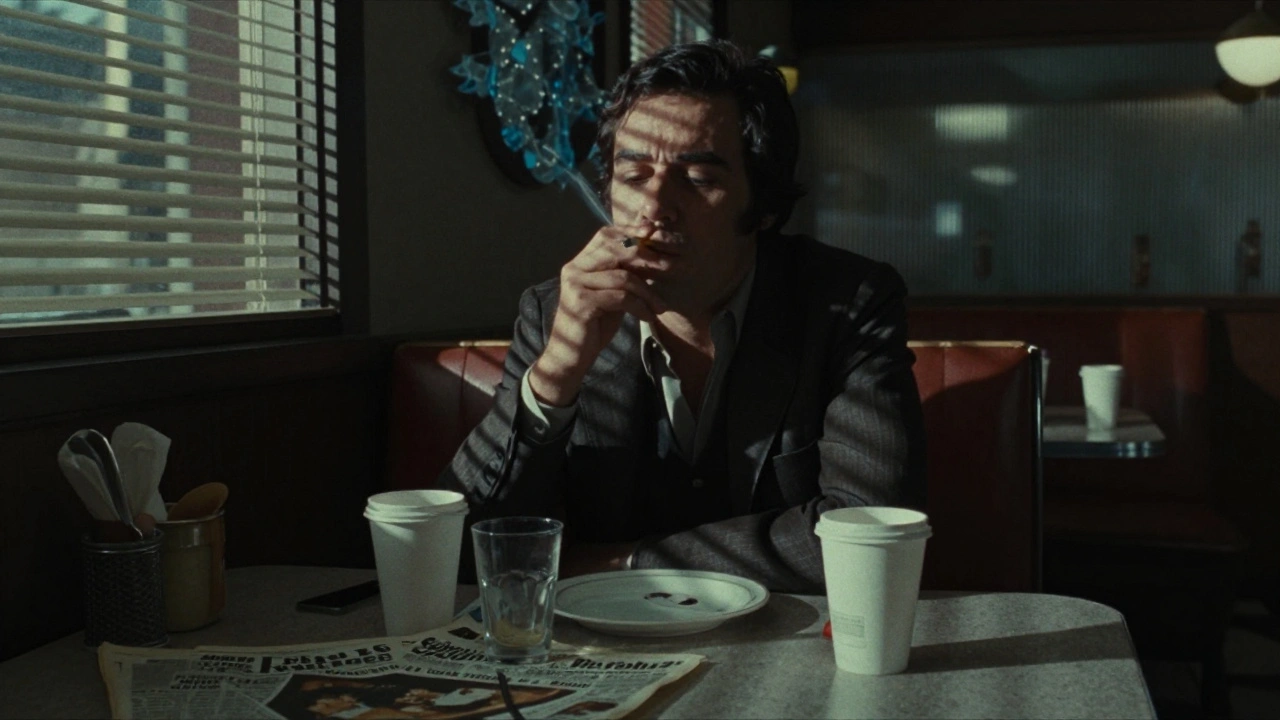
The Blockbuster Era: Spectacle Meets Heart
In the 1980s and 1990s, the rise of the blockbuster changed the game again. Studios invested heavily in marketing and special effects, and the Academy began to recognize films that balanced commercial success with critical acclaim. However, there was still a preference for emotional resonance. Pure action movies rarely won Best Picture unless they had a strong dramatic core.
Platoon (1986) and Forrest Gump (1994) are prime examples. Both were massive hits that used spectacle to tell deeply human stories. Forrest Gump, in particular, captured the mood of the post-Cold War era with its nostalgic view of American history. It was technically impressive, emotionally satisfying, and broadly appealing-the holy trinity for Oscar voters.
This era also saw the beginning of the "prestige TV" crossover. As television became more sophisticated, some of the best writing and acting moved to small screens, leaving theaters to rely on bigger budgets and bigger stars to compete for attention. The Academy started favoring films that felt cinematic in a way that TV couldn’t replicate-large-scale visuals and immersive experiences.
The Modern Era: Diversity and Social Relevance
Entering the 21st century, and especially after the #OscarsSoWhite controversy in 2016, the Academy underwent significant changes. Membership diversified, and so did the winners. Films that previously might have been overlooked due to their subject matter or casting now found themselves in the conversation. This shift reflects a broader societal demand for representation and authenticity.
Parasite (2019) made history as the first non-English language film to win Best Picture. Its victory wasn’t just about quality; it was a statement about global cinema and class inequality. Similarly, Green Book (2018) and 12 Years a Slave (2013) highlighted issues of race and prejudice, showing that the Academy was willing to engage with difficult historical truths.
| Decade | Dominant Theme | Example Winner | Why It Won |
|---|---|---|---|
| 1940s | National Morale | Casablanca | Pro-Allies sentiment, timeless romance |
| 1970s | Auteur Rebellion | The Godfather | Complex characters, dark themes |
| 1990s | Blockbuster Emotion | Forrest Gump | Nostalgia, technical innovation |
| 2010s | Social Justice | Parasite | Global perspective, class critique |
The modern voter cares about relevance. They want films that speak to current conversations about identity, inequality, and global interconnectedness. A film can be beautifully shot and perfectly acted, but if it feels disconnected from the real world, it may struggle to secure the top prize.

The Streaming Revolution: Accessibility and Algorithmic Taste
The most recent shift comes from the rise of streaming platforms. Companies like Netflix, Amazon Prime, and Apple TV+ have become major players in the awards circuit. This has changed how films are marketed and consumed. No longer do you need a wide theatrical release to reach voters; digital screening rooms make accessibility easier than ever.
Everything Everywhere All at Once (2022) exemplifies this new era. It was a wild, genre-bending experiment that defied traditional categorization. Its win suggests that the Academy is open to risk-taking, provided the emotional core is strong. Meanwhile, Oppenheimer (2023) proved that biopics remain powerful tools for exploring moral ambiguity and historical weight.
Streaming services often use data to identify potential award contenders, investing in specific genres or directors known to appeal to critics. This has led to a more diverse range of stories being told, but also raises questions about whether algorithmic curation is influencing artistic choices. Regardless, the barrier to entry has lowered, allowing smaller voices to compete with studio giants.
What Makes a Film Win Today?
If you’re trying to guess next year’s winner, look for these key ingredients:
- Cultural Resonance: Does the film tap into a current societal anxiety or hope?
- Emotional Impact: Can it move a room full of strangers to tears or laughter?
- Technical Excellence: Is it visually stunning or sonically innovative?
- Star Power: Are there performances that dominate the conversation?
- Timing: Was it released when the audience was ready for this story?
It’s never just one thing. A film like The Shape of Water (2017) won because it combined fantasy with a poignant message about otherness, arriving at a time when empathy was desperately needed. It was weird, wonderful, and timely.
As we move further into the 2020s, expect even more experimentation. The lines between high art and popular entertainment continue to blur. The Academy is no longer afraid to reward a superhero movie (Joker) or a musical (La La Land). The only constant change itself.
Which film has won the most Oscars in history?
Ben-Hur (1959), Titanic (1997), and Lord of the Rings: The Return of the King (2003) each hold the record with 11 wins. These films were massive spectacles that excelled in nearly every technical and creative category.
Has a documentary ever won Best Picture?
No. While documentaries can win Best Documentary Feature, they are not eligible for the main Best Picture category. However, hybrid films like March have sparked debates about eligibility rules.
Why do musicals rarely win Best Picture anymore?
Musicals fell out of favor in the 1970s as tastes shifted toward grittier realism. La La Land (2016) came close but lost to Moonlight. Recently, West Side Story (2021) and Tick, Tick... Boom! (2021) showed renewed interest, suggesting a possible revival.
How does box office performance affect Oscar chances?
Box office success helps by increasing visibility and proving broad appeal. However, many Best Picture winners are modest earners. Critical acclaim and word-of-mouth often matter more than raw ticket sales.
What is the youngest Best Picture winner?
The question usually refers to the age of the cast or crew. For instance, Little Women (2019) featured young actors, but the film itself isn't "young." In terms of runtime, Children of Paradise is long, while short films like Pierrot le Fou don't apply. Actually, the shortest winning film is It Happened One Night at 100 minutes.





Comments(6)