When you watch an action movie in theaters, you expect speed - explosions, chases, fistfights - all moving fast enough to make your heart race. But what happens when that speed feels too smooth? When every punch lands with clinical precision, every bullet streaks through the air like a laser beam, and the background blur disappears? That’s the strange feeling you get with high frame rate (HFR) films. Some call it realism. Others call it a soap opera effect. And the debate isn’t just about tech specs - it’s about how we experience stories.
What Exactly Is High Frame Rate?
Traditional movies have been shot and shown at 24 frames per second (fps) for nearly a century. That number wasn’t chosen because it was perfect - it was the cheapest option that still looked convincing. But today, with digital projectors and powerful displays, filmmakers can shoot at 48fps, 60fps, even 120fps. Peter Jackson did it with The Hobbit trilogy at 48fps. James Cameron pushed it to 120fps in Avatar: The Way of Water. And audiences? They split down the middle.
At 24fps, motion has a slight motion blur that our brains interpret as "cinematic." It’s the look we’ve grown up with. At 48fps or higher, that blur vanishes. Every detail is sharp. Every movement is clear. It’s not bad - it’s just different. And that difference can break the spell of fiction.
When HFR Actually Helps: Action and Motion
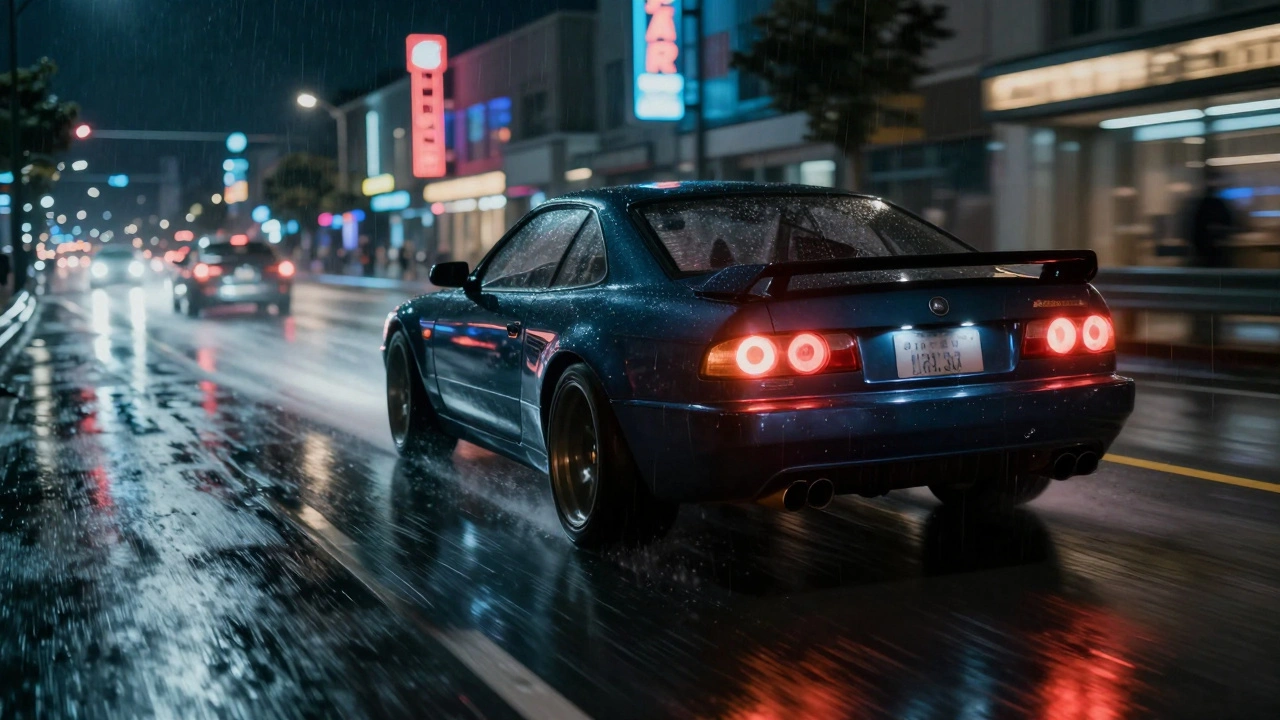
Not all genres suffer from HFR. In fact, some benefit from it - especially action-heavy films where clarity matters. Think of a high-speed car chase through narrow streets. At 24fps, the motion gets muddy. You miss details: the way the tires skid, the flicker of brake lights, the exact moment a car flips. At 48fps or 60fps, you see it all. No guesswork. No motion blur hiding the stunt work.
James Cameron’s Avatar: The Way of Water used 120fps in select scenes, particularly underwater sequences. The result? You can track every ripple, every fish darting past, every droplet suspended in midair. It’s not just pretty - it’s emotionally immersive. When characters swim through glowing plankton, you feel like you’re there because the motion feels real, not stylized.
Similarly, in John Wick: Chapter 4, the fight choreography is so complex that 24fps sometimes blurs the timing of punches and gun reloads. A 60fps version would let you see every muscle twitch, every blade swing, every reload. That’s not just technical - it’s storytelling. You understand the skill of the characters better when you can see the precision.
When HFR Breaks Immersion: Drama, Fantasy, and Emotion
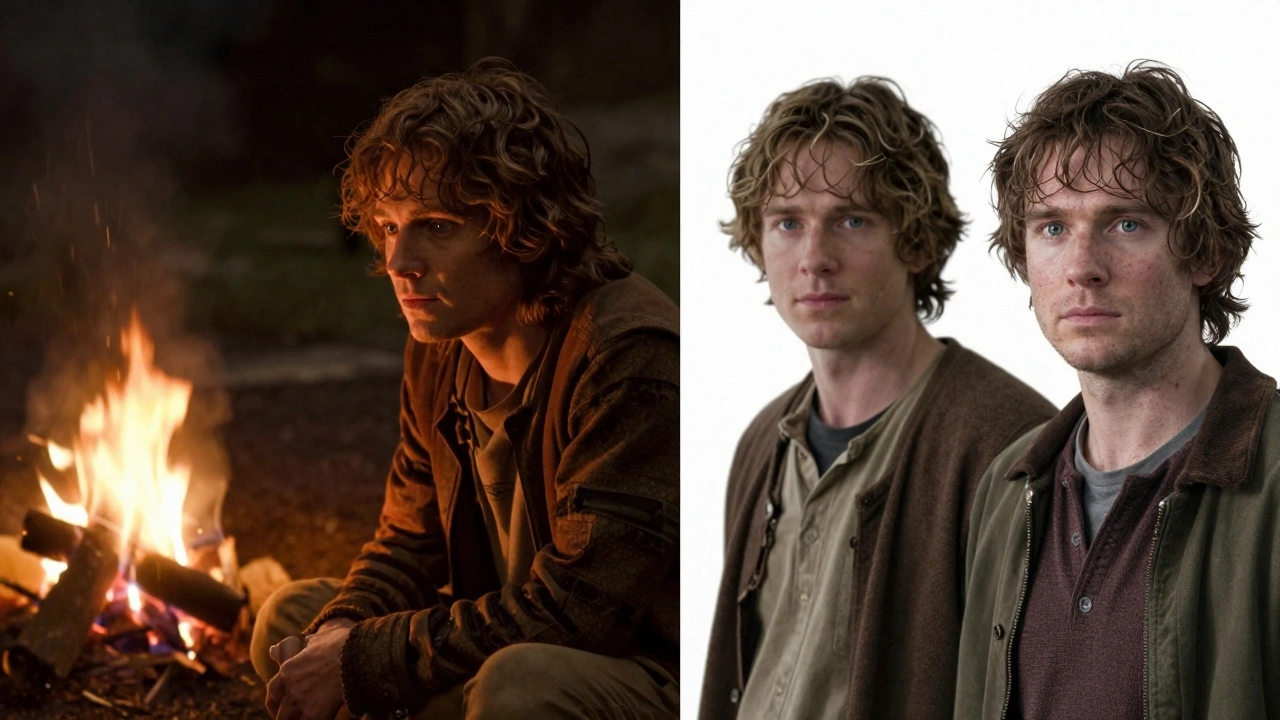
But take that same 120fps treatment and apply it to a quiet scene in The Lord of the Rings - say, Frodo and Sam sitting by a campfire - and something strange happens. The image looks too real. Too clean. Too much like a live TV broadcast. The wood grain on the logs, the sweat on their faces, the individual strands of hair catching the firelight - it all becomes distracting. You stop seeing Frodo as a fantasy hero. You start seeing two actors in makeup under bright lights.
This is the "soap opera effect" - a term borrowed from TV. Soap operas were shot on video at 30fps because it was cheaper and faster. That look stuck. And now, when a movie feels too much like daytime TV, it kills the magic. Fantasy worlds rely on a certain distance - a dreamlike quality. HFR removes that. It flattens the atmosphere.
Even in dramas, HFR can feel invasive. In The Hobbit, the extended close-ups of Bilbo’s face at 48fps made audiences uncomfortable. You could see every pore, every twitch of the eyelid. It wasn’t intimate - it was intrusive. The emotional weight of a character’s silence got lost because the image was too sharp, too present. The film felt less like a story and more like a behind-the-scenes documentary.

The Technology vs. Art Conflict
This isn’t just about whether HFR is better or worse. It’s about whether technology should serve the story - or rewrite it. Filmmakers like Christopher Nolan still shoot on film and insist on 24fps. He argues that motion blur isn’t a flaw - it’s a feature. It gives the image texture. It lets the audience fill in the gaps. That’s how imagination works.
On the other side, directors like Ang Lee and James Cameron believe realism enhances emotional connection. They argue that if you can see every detail of a character’s fear, their tears, their breath, you feel more for them. And in a world where we’re used to 60fps gaming and 120Hz phone screens, maybe 24fps feels outdated.
The truth? Neither side is wrong. But the industry is still figuring out how to use HFR without breaking the rules of cinema. Right now, it’s like putting a 4K camera on a black-and-white silent film. The resolution is there. The technique isn’t.
What Audiences Actually Want
Here’s a surprising fact: most people don’t notice frame rates unless they’re shown side by side. In blind tests, viewers often can’t tell 24fps from 48fps. But when they *know* they’re watching HFR, their reaction changes. It’s psychological. Once you’re told, "This is 120fps," your brain starts looking for flaws - and finds them.
Younger audiences, raised on fast-paced video games and TikTok, tend to prefer HFR. They find 24fps "laggy" or "blurry." Older audiences, raised on film, often feel HFR is "unnatural" or "too clinical." It’s generational. And studios are caught in the middle.
That’s why some theaters now offer both versions. Avatar: The Way of Water played in 24fps, 48fps, and 120fps in different auditoriums. Fans could pick their experience. That’s the future - not forcing one standard, but giving viewers control.
What Filmmakers Should Do
Here’s a rule of thumb: use HFR when motion is the story. Use 24fps when emotion is the story.
- Use 48fps or 60fps for: car chases, martial arts, underwater scenes, sports films, sci-fi battles, any sequence where clarity enhances understanding.
- Stick with 24fps for: dialogue scenes, character moments, period dramas, fantasy worlds, horror, romantic scenes - anything where atmosphere, mood, or mystery matters.
There’s no reason a film can’t mix both. Imagine a war movie: 24fps for the quiet moments in the trench, then switching to 60fps during the final assault. That contrast would be powerful. It would make the chaos feel even more violent because the audience had been lulled into the slower rhythm.
Some directors are already experimenting. Denis Villeneuve shot parts of Dune: Part Two at 48fps for the sandworm sequences. The result? The creature felt more alive, more terrifying - not because it was clearer, but because its movement was more believable.
The Real Issue Isn’t Frame Rate - It’s Choice
High frame rate isn’t the enemy. Forcing it everywhere is.
Cinema survived the transition from silent to sound, from black-and-white to color, from 4:3 to widescreen. Each shift was met with resistance. But each time, filmmakers learned to use the new tool in service of the story - not the other way around.
HFR is just another brush in the painter’s toolkit. It’s not better. It’s not worse. It’s different. And like any tool, it only works when you know when to use it.
Next time you watch a movie, pay attention. Does the motion feel alive - or just sharp? Does it pull you in - or push you out? That’s not about technology. That’s about art.
Is 48fps better than 24fps for action movies?
Yes, for action scenes, 48fps often improves clarity and reduces motion blur, making fast movements easier to follow. Films like John Wick: Chapter 4 and Avatar: The Way of Water used higher frame rates during chase and fight sequences to enhance detail and realism. But it’s not about replacing 24fps - it’s about using 48fps where motion matters most.
Why do some people say HFR looks "too real" or like a soap opera?
At higher frame rates, motion blur disappears, making images look sharper and more like live TV. That’s the same look as 30fps soap operas shot on video decades ago. Our brains associate that look with daytime TV, not cinema. So even if the visuals are stunning, the feeling is off - it breaks the illusion that you’re watching a story, not reality.
Does HFR work on home TVs and streaming?
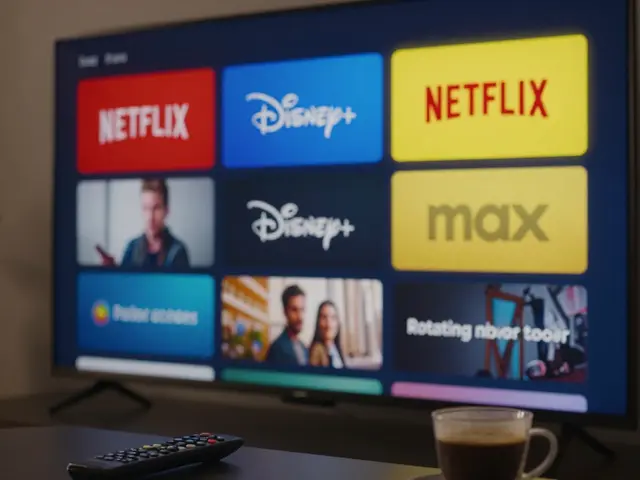
Most home TVs and streaming services still cap out at 60fps, but few platforms support true HFR film content. Netflix and Disney+ rarely offer HFR versions, even when the film was shot that way. Your TV might be capable, but the source material usually isn’t. So unless you’re watching a Blu-ray or streaming through a theater system that supports it, you’re likely seeing a downscaled 24fps version.
Can you mix 24fps and HFR in the same movie?
Absolutely. Some directors already do. Denis Villeneuve used 48fps for the sandworm scenes in Dune: Part Two and kept 24fps for dialogue and quiet moments. This contrast makes the action feel more intense. It’s not about choosing one frame rate - it’s about using each one where it adds the most emotional impact.
Will HFR replace 24fps in the future?
No - and it shouldn’t. 24fps is deeply tied to the emotional language of cinema. HFR is a tool, not a replacement. Just as color didn’t kill black-and-white film, HFR won’t kill 24fps. The future is hybrid: filmmakers will choose the right frame rate for each scene, not the other way around.



Comments(10)