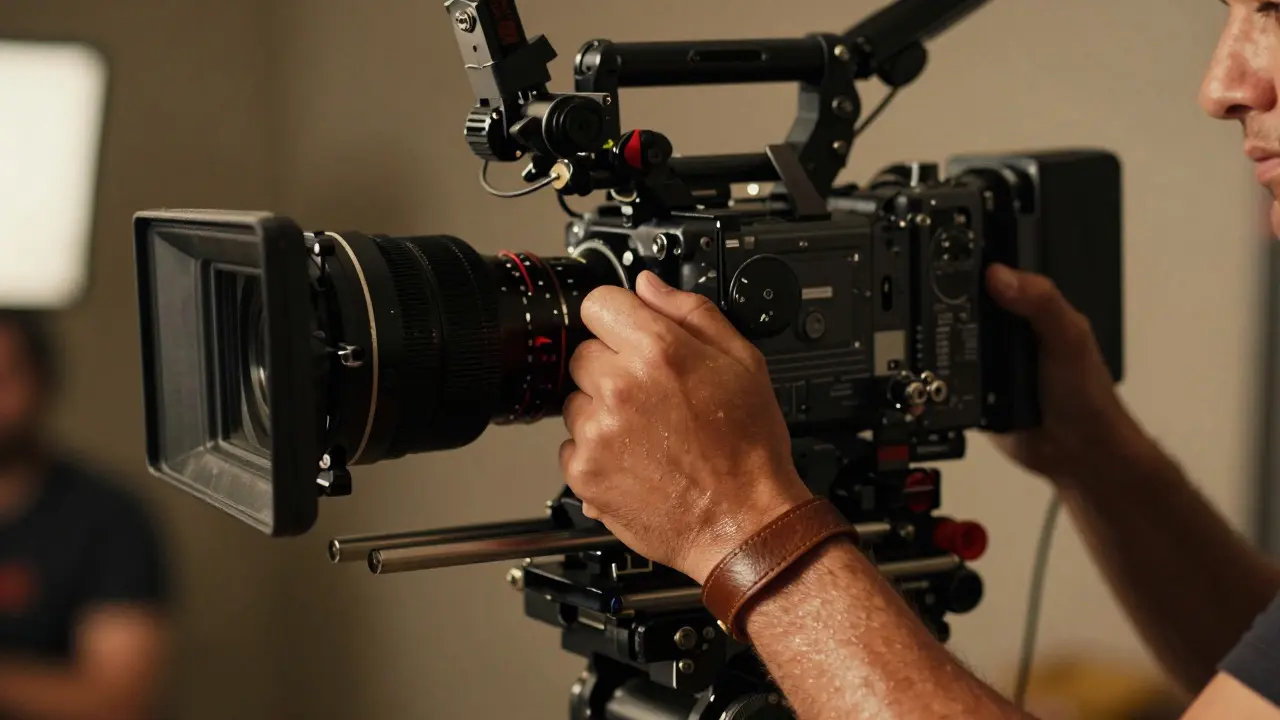
There is a specific tension in the air when a camera shakes just enough to make you feel anxious, but not so much that you lose the subject. This is the delicate balance of handheld camera work. It is no longer just a budget constraint or a stylistic choice for indie films; it has become a primary language of modern cinema. But where does the grit end and the precision begin? When you hold a heavy rig for eight hours, your arms get tired. That fatigue changes the movement. So, how do directors decide if they want that raw, chaotic energy or the controlled, breathing rhythm of a professional operator?
The Anatomy of Handheld Movement
To understand the aesthetic, you first have to understand the physics. A handheld shot is defined by the human body acting as the stabilizer. Unlike a tripod, which offers absolute stillness, or a Steadicam, which isolates the camera from vertical bumps, a handheld camera captures every micro-movement of the operator’s heartbeat, breath, and muscle tension.
Handheld Cinematography is a filming technique where the camera is held by an operator without mechanical stabilization, allowing for organic, often irregular motion that conveys immediacy and intimacy. The key attribute here is imperfection. If the movement looks too smooth, it stops feeling handheld. If it looks too jerky, it feels amateurish. The sweet spot lies in what editors call "controlled chaos."
Consider the difference between a news reporter holding a camcorder during a breaking event versus a feature film crew shooting a dialogue scene. In the former, the shake is accidental and distracting. In the latter, the shake is intentional and rhythmic. The operator walks at a consistent pace, keeping the horizon level while letting the frame drift slightly. This creates a sense of presence, as if the viewer is standing right there in the room.
Grit: The Raw Emotional Trigger
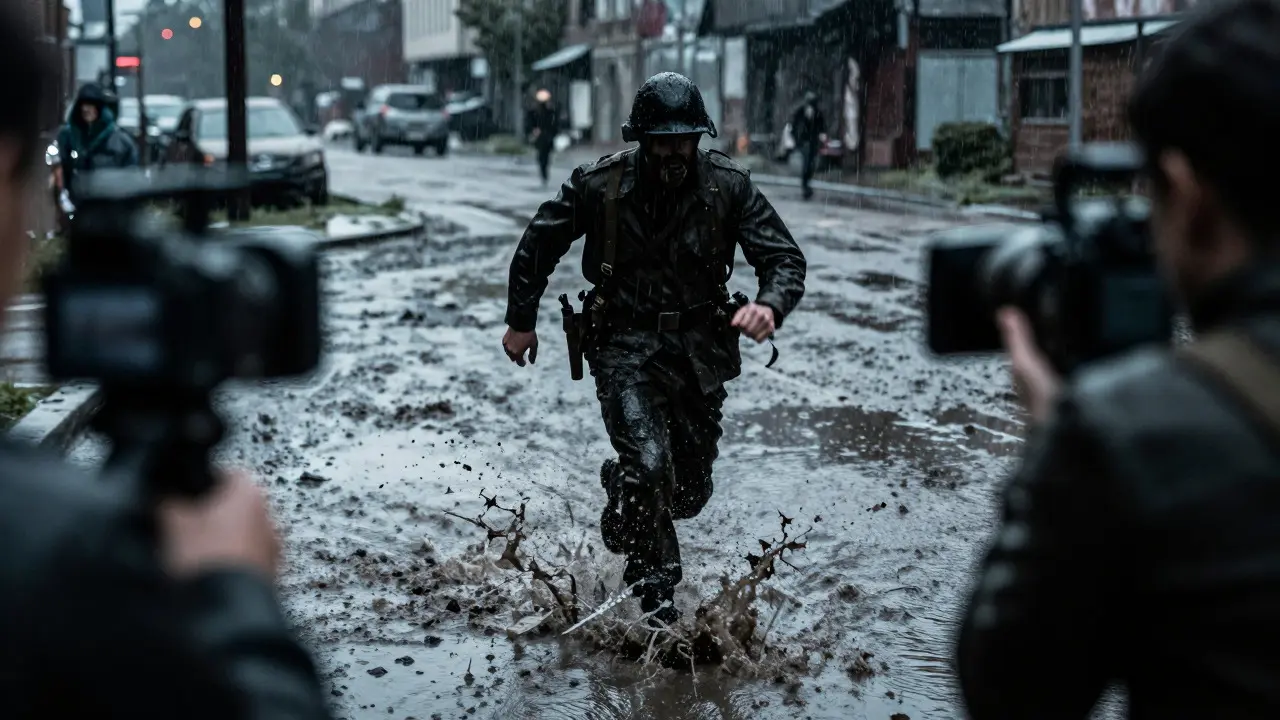
Grit is the most common association with this style. Think of war films like Platoon or Full Metal Jacket. The camera bounces hard because the soldiers are running through mud. The audience doesn’t just see the danger; they feel the impact on their own bodies. This is visceral storytelling.
In drama, grit serves a different purpose. It signals instability. When a character is losing control, the camera often becomes more erratic. Take the opening sequence of Whiplash. The camera follows Miles Teller through the subway system. The movement is tight, close, and slightly unstable. It mirrors his internal panic about making it to practice on time. The grit isn't just visual noise; it's an emotional amplifier.
- Physical Exertion: Fast walking or running adds natural bounce, increasing tension.
- Close Proximity: Shooting closer to the actor makes small movements appear larger and more intrusive.
- Lack of Stabilization: Removing gimbals forces the operator to rely on core strength, resulting in more organic sway.
Precision: The Art of Controlled Instability
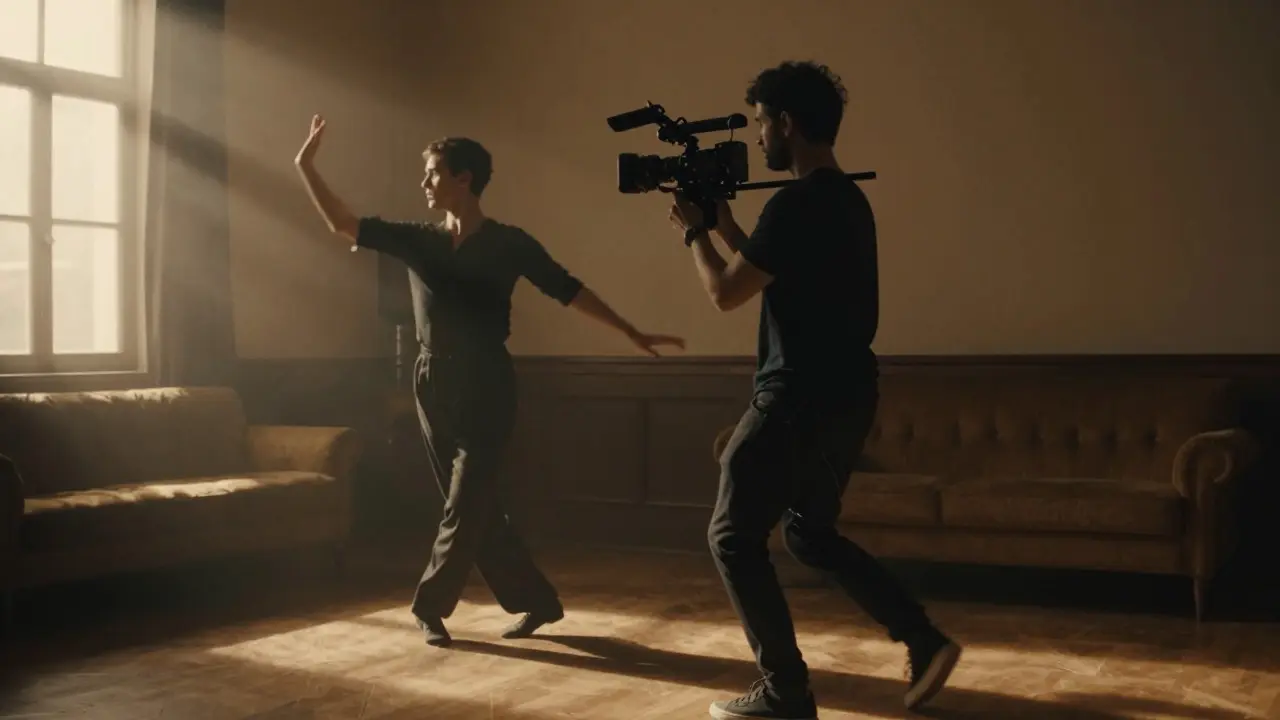
This is where most people misunderstand the craft. They think handheld means sloppy. In reality, high-end handheld work is incredibly precise. Directors like Paul Thomas Anderson and Emmanuel Lubezki use handheld cameras to create shots that last minutes long. These aren't shaky; they are fluid. The operator moves like a dancer, anticipating the actor's next step before it happens.
Precision in handheld work requires extensive rehearsal. The camera operator must know exactly where the actor will be three seconds from now. If the actor turns left, the camera must already be drifting left. If the timing is off by even a fraction of a second, the shot breaks. This level of coordination is why top-tier operators are paid like elite athletes.
Steadicam, while distinct from handheld, shares a similar goal of mobility but achieves it through mechanical isolation. However, many modern rigs blend these concepts. Operators use shoulder mounts or harnesses to reduce arm fatigue, allowing them to maintain a precise, breathing rhythm for extended periods. This hybrid approach allows for the intimacy of handheld with the endurance of stabilized systems.
Comparing the Styles: Grit vs. Precision
To help you visualize the difference, let's look at how these two approaches affect the viewer's perception of time and space.
| Feature | Gritty Style | Precise Style |
|---|---|---|
| Movement Quality | Jerky, abrupt, reactive | Fluid, anticipatory, rhythmic |
| Emotional Tone | Chaos, urgency, fear | Tension, intimacy, observation |
| Operator Focus | Reaction to action | Choreography with actors |
| Typical Use Case | Action sequences, news reports | Drama, psychological thrillers |
| Equipment Needs | Lightweight, minimal gear | Balanced rigs, counterweights |
Notice how the equipment needs differ. Gritty styles often favor lighter cameras because the operator needs to move quickly. Precise styles require heavier, balanced setups to ensure the camera stays level over long takes. A unbalanced camera will eventually pull the operator’s posture off-center, leading to drift that ruins the composition.
Technical Execution: How to Achieve Both
If you are looking to implement these styles in your own projects, the technical setup matters as much as the performance. Here is how professionals manage the physical demands of the job.
- Body Mechanics: Stand with feet shoulder-width apart. Bend your knees slightly to act as shock absorbers. Keep your elbows tucked into your ribs to minimize swing.
- Weight Distribution: Use a shoulder pad or harness. Holding a 10-pound camera with just your hands leads to fatigue within 30 minutes. Fatigue equals wobble.
- Lens Choice: Wider lenses (like 24mm or 35mm) forgive movement better than telephoto lenses. A slight shake is less noticeable on a wide angle. On a 85mm lens, the same shake looks like a earthquake.
- Rehearsal: Walk the path with the actor before rolling. Count the steps. Know where the walls are. Anticipation is the secret to precision.
The Role of Editing in Handheld Aesthetics
Handheld work doesn't happen in a vacuum. The editor plays a crucial role in defining whether the final product feels gritty or precise. Cuts can either amplify the chaos or smooth out the transitions.
In gritty scenes, editors often use jump cuts or quick pans to heighten the sense of disorientation. In precise scenes, they might match the momentum of one shot to the next, creating a seamless flow that hides the fact that the camera was never static. The audio design also contributes significantly. The sound of footsteps, breathing, and ambient noise grounds the viewer in the physical space, making the visual movement feel more real.
Common Pitfalls to Avoid
Even experienced crews make mistakes. Here are the most common errors that ruin a handheld shot:
- The Death Wobble: Caused by loose screws or unbalanced weight. Always check your mount before every take.
- Over-correction: Trying to fight the shake instead of accepting it. Let the camera breathe. If you stiffen up, the movement becomes robotic.
- Ignoring the Horizon: While some tilt is acceptable, a severely tilted horizon distracts the viewer. Keep the sky and ground roughly parallel unless the tilt is a deliberate artistic choice.
Frequently Asked Questions
Is handheld camera work harder than using a Steadicam?
Yes, generally speaking. Handheld work relies entirely on the operator's physical stamina and core strength. There is no mechanical buffer between the operator and the camera. Every bump in the sidewalk is transmitted directly to the lens. Steadicams isolate the camera from vertical movements, making it easier to maintain a stable horizon over long distances, though they require significant training to master the glide.
What kind of camera is best for handheld shooting?
Lightweight digital cinema cameras are ideal. Models from brands like Sony, RED, or ARRI that offer compact form factors are popular. The key is not just the camera body, but the total weight of the rig including the lens, battery, and monitor. Keeping the total weight under 15 pounds allows for longer takes without excessive fatigue.
How do I stop my handheld shots from looking amateurish?
Consistency is key. Amateur shots often have random, jerky movements because the operator is reacting late. Professional shots have a consistent rhythm. Practice walking at a steady pace and keep your eyes on the focal point, not the viewfinder. Also, ensure your gear is properly balanced so the camera doesn't drift to one side.
Can you use a gimbal for handheld aesthetics?
Yes, but you have to turn down the stabilization settings. Modern gimbals can mimic the subtle imperfections of handheld movement. By reducing the motor speed and damping, you allow for more organic sway. This is a popular technique in music videos and commercial work where you want the look of handheld without the physical strain.
Why did filmmakers start using handheld cameras in the 1970s?
The rise of lightweight 16mm and later Super 8 cameras made it possible to shoot outside of large studios. Filmmakers wanted a more realistic, documentary-like feel for dramas. This movement, often associated with New Hollywood, rejected the polished, static compositions of earlier eras in favor of something that felt immediate and alive.



Comments(10)