Most independent films die quietly. Not because they’re bad, but because no one ever knew they existed. Studios spend millions on billboards and streaming ads, but for a film made for $50,000 with a cast of unknown actors, that kind of spending is fantasy. The real way to reach cinephiles-people who seek out foreign films, documentaries, and bold storytelling-isn’t through algorithms. It’s through grassroots marketing.
Why Cinephiles Don’t Trust Big Ads
Cinephiles don’t scroll through Netflix looking for the next great film. They ask friends. They read film blogs. They show up at midnight screenings in converted bookstores. They trust taste-makers, not paid influencers. A 2024 survey by the Independent Film & Television Alliance found that 78% of viewers who discovered an indie film in the past year did so through word-of-mouth, film festivals, or local screenings-not paid ads.Big platforms reward volume. Grassroots marketing rewards connection. It’s not about reaching 10 million people. It’s about reaching 1,000 people who will tell 10 others. That’s how Little Miss Sunshine went from Sundance darling to box office success. That’s how The Florida Project built its audience without a single TV spot.
Start with Your Local Film Community
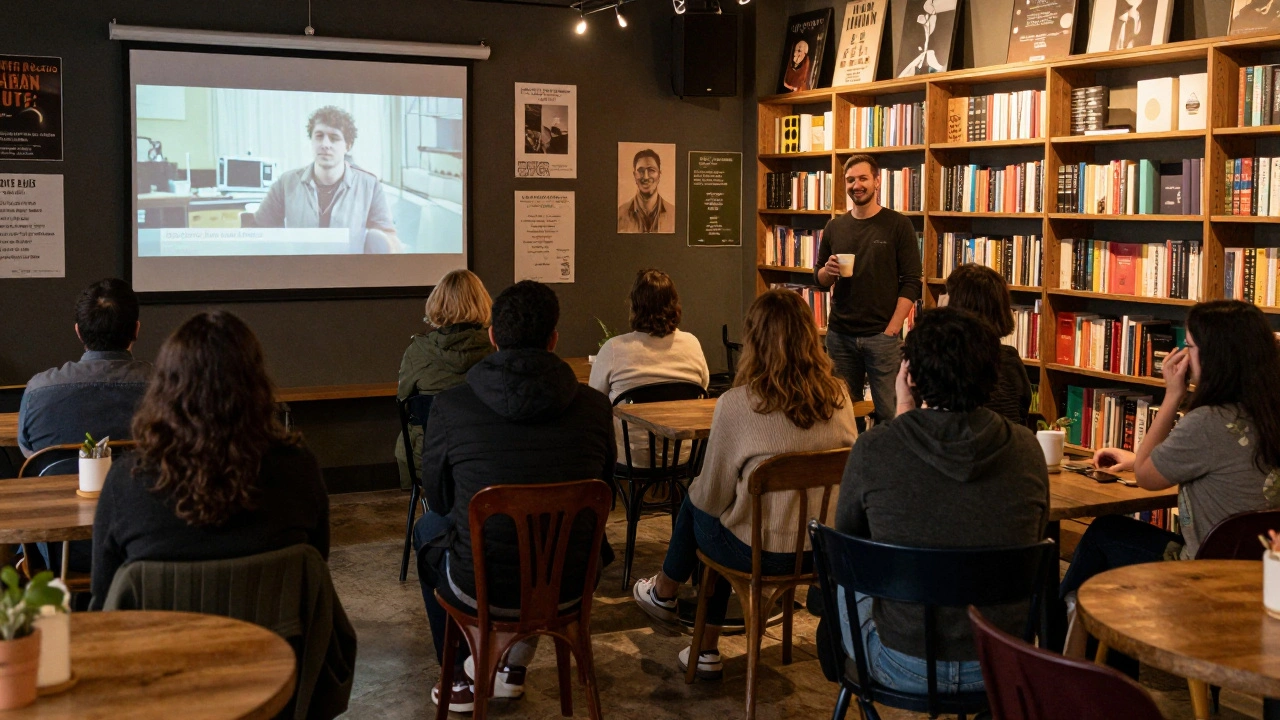
You don’t need to go national to make an impact. Start where your film lives-in your city, your state, your neighborhood. Find local film societies, university cinema clubs, and indie theater owners. Offer them a free screening. Don’t ask for a fee. Don’t demand ticket sales. Just show up with your film, your cast, and your story.In Asheville, a filmmaker named Lena Ruiz screened her debut documentary, Mountains in the Mist, at the Malaprop’s Bookstore café. She invited local photographers, poets, and professors who wrote about Appalachia. After the film, she hosted a 20-minute Q&A. One attendee wrote a long blog post. Another posted clips on Reddit’s r/Documentaries. Within three weeks, the film had 12,000 views on Vimeo. No ads. No budget. Just real people talking to real people.
Build a Network of Film Advocates
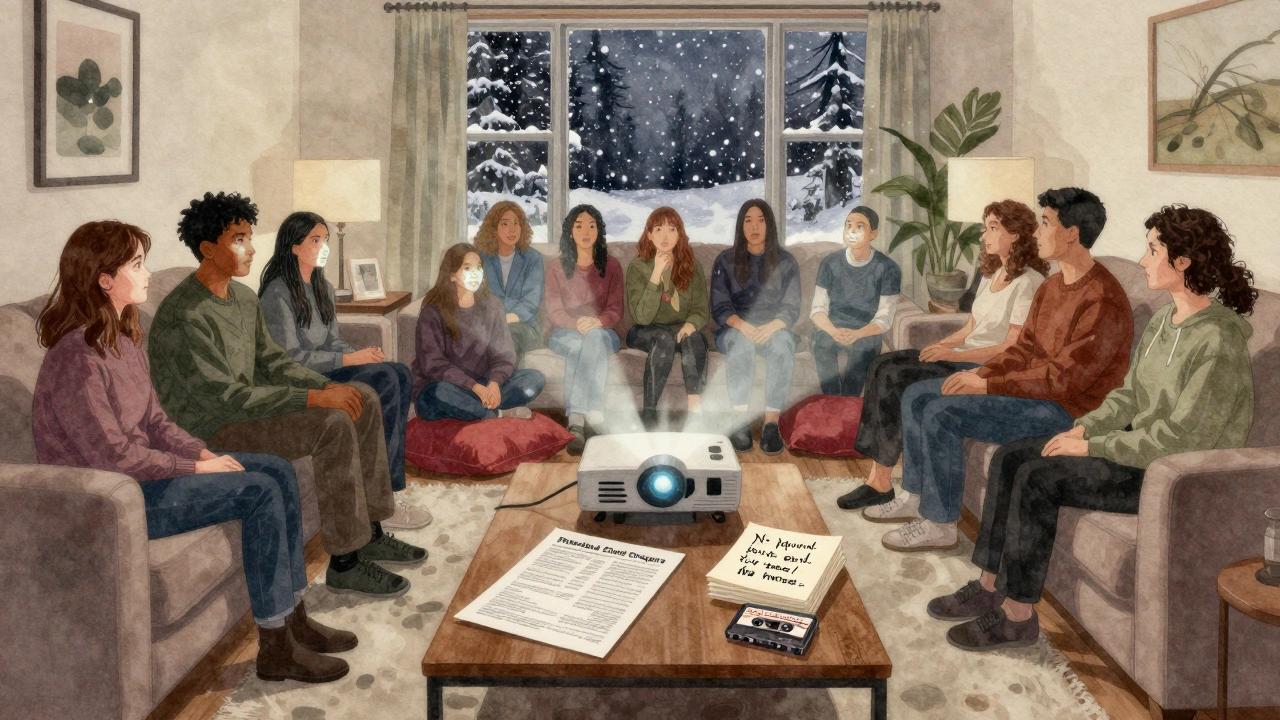
Grassroots marketing doesn’t scale with money. It scales with passion. Find 20 people who love your film enough to become advocates. These aren’t your friends. These are strangers who connected with your story. Maybe they’re a film student who wrote a thesis on your theme. Maybe they’re a retired librarian who lost a parent the way your character did. Reach out. Thank them. Ask if they’d be willing to host a screening in their living room.One filmmaker in Portland gave each advocate a free digital copy of the film and a simple toolkit: a one-pager about the film, three sample social posts, and a link to a free downloadable poster. Within two months, 18 home screenings happened in six states. Each one was recorded and shared on YouTube. The film’s YouTube channel grew from 300 to 12,000 subscribers in 90 days.
Use Film Festivals as Launchpads, Not Endpoints
Film festivals aren’t just for awards. They’re for building relationships. Don’t just submit and wait. Go. Talk to attendees. Ask them what they’re watching. Offer them a QR code that leads to a free short behind-the-scenes video-not the full film, just a 90-second clip. Collect emails. Follow up with a handwritten note.At the 2025 Nashville Film Festival, a low-budget horror film called Static handed out custom cassette tapes with a 30-second audio trailer and a handwritten thank-you. Each tape had a unique code. People shared them. People posted them on TikTok. The film’s official site got 40,000 visits in two weeks. The festival didn’t give it a prize. But the audience did.
Create Content That Feels Like a Secret
Cinephiles love feeling like they’ve discovered something before it goes mainstream. Give them that feeling. Release a series of short, unpolished behind-the-scenes clips on Instagram Reels. Don’t edit them. Show the crew eating ramen between takes. Show the director crying after a take. Show the sound recordist fixing a mic with duct tape.One film, Blue Hour, posted 12 of these clips over six weeks. No captions. No hashtags. Just raw moments. Each clip got 500-2,000 views. But the comments were gold: “This feels like a lost 1970s film.” “I’ve never seen a movie made like this.” “I’m driving three hours to see it.” That’s the kind of buzz you can’t buy.
Partner With Local Businesses That Get It
Coffee shops, record stores, independent bookstores-they’re not just places to sell merch. They’re cultural hubs. Ask them to display your poster. Offer them a free screening night. Give them a small cut of ticket sales. In return, they’ll tell their customers. They’ll post about it on their Instagram. They’ll put a flyer in their newsletter.In Austin, a film called The Last Typewriter partnered with 12 local vinyl shops. Each shop displayed a copy of the film’s soundtrack on a turntable with a QR code to the streaming page. No ads. No discounts. Just the record, the film, and a note: “This movie was made by someone who believes in stories that don’t fit on a screen.” Sales of the vinyl doubled. The film sold out its first three online screenings.
Don’t Sell the Film. Sell the Experience.
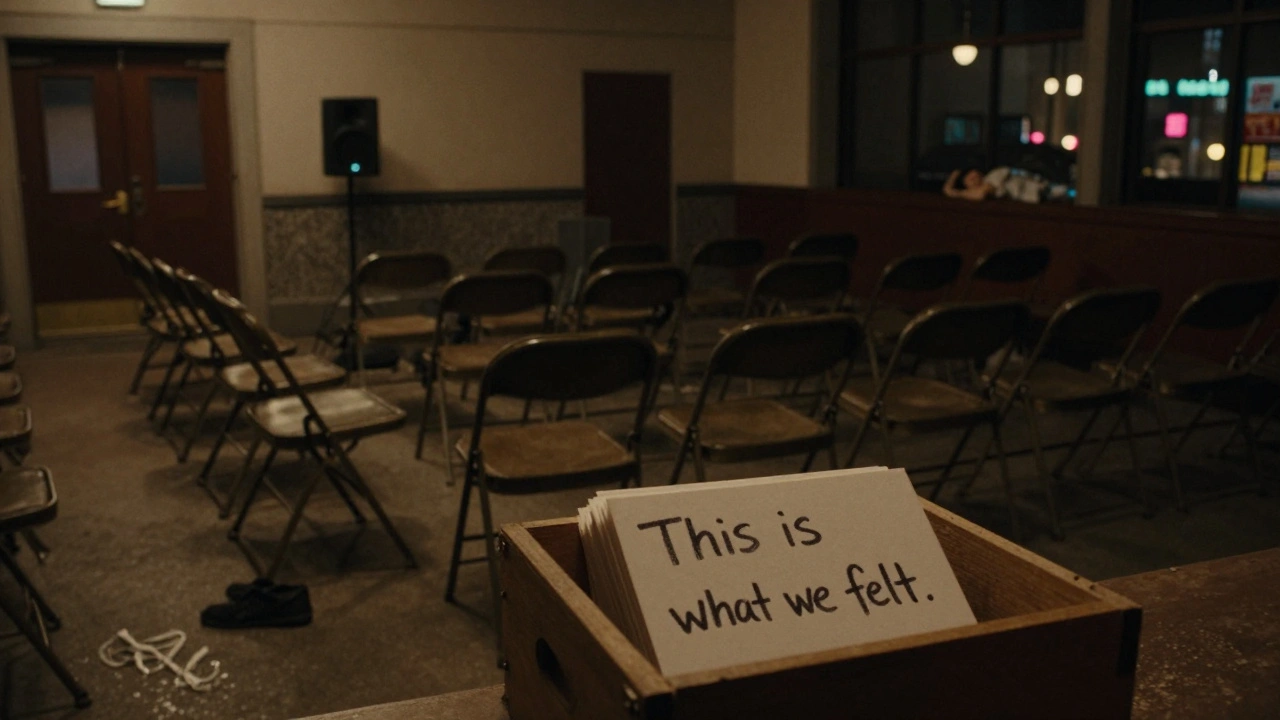
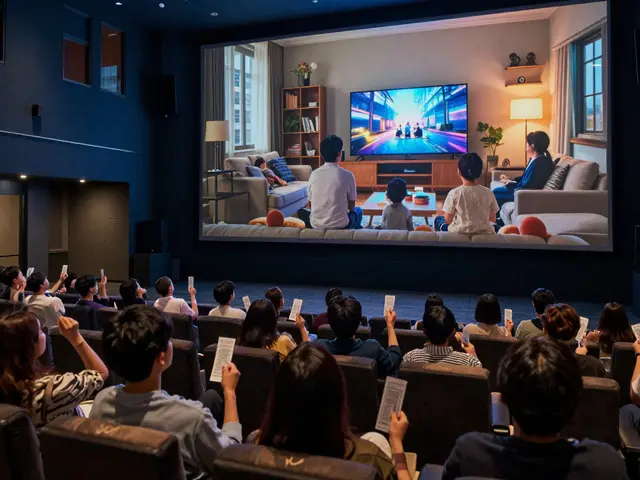
People don’t watch indie films for the plot. They watch them for the feeling. The quiet moment. The unspoken grief. The strange beauty. Your marketing should reflect that. Instead of saying “Watch our film,” say “Come sit with us for 90 minutes.”One filmmaker in Chicago created a “Cinema of Quiet” campaign. He rented out a small theater for one night. No trailers. No snacks. Just dim lights, folding chairs, and a single speaker playing ambient sounds from the film before it started. Attendees were asked to leave their phones in a basket. Afterward, they wrote notes on index cards and dropped them into a box. Those cards became the film’s website copy. The campaign went viral in film circles. The film earned a 9.2 on Letterboxd.
Track What Matters
Forget views. Forget likes. Track the people who stay.Measure:
- How many people signed up for your email list after a screening?
- How many home screenings were hosted by strangers?
- How many blog posts or YouTube reviews mentioned your film by name?
- How many people said, “I’m going to bring my friends next time”?
These are your real metrics. One person who tells three friends is worth 10,000 Instagram followers who scroll past.
The Long Game Is the Only Game
Grassroots marketing doesn’t make you famous overnight. It makes you unforgettable. It takes months. It takes patience. It takes showing up again and again-even when no one shows up.But when it works, it works differently. Your film doesn’t just get seen. It becomes part of someone’s story. A couple watches it on their anniversary. A student writes a paper about it. A filmmaker in another country says, “I made mine because of yours.” That’s the kind of legacy no algorithm can replicate.
If you’re making an independent film, you’re not just telling a story. You’re building a community. And communities don’t grow from ads. They grow from trust. From silence. From shared breaths in a dark room.
Do I need a big budget to do grassroots marketing for my film?
No. Grassroots marketing thrives on low budgets and high heart. Most successful indie films spent less than $5,000 on marketing. What matters is personal connection-handwritten notes, local screenings, real conversations. You don’t need a social media team. You need one person who believes in your film enough to talk about it.
How do I find people to host home screenings?
Start with people who already engage with your content-commenters on your videos, subscribers to your newsletter, attendees at your local festival Q&As. Send them a simple email: “I’m not asking you to promote this. I’m asking if you’d be willing to watch it with five friends in your living room and tell me what you thought.” Most say yes. You’ll be surprised who says yes.
Should I use social media for grassroots marketing?
Yes-but not the way brands do. Don’t post polished ads. Post raw moments: the set falling apart, the lead actor forgetting lines, the crew laughing after a 14-hour day. Use Instagram Reels and TikTok to show the humanity behind the film. Cinephiles don’t want perfection. They want proof that someone cared enough to make it.
What’s the best way to follow up after a screening?
Send a handwritten thank-you note within 48 hours. Include a small gift-a postcard with a still from the film, a quote from a review, or a playlist of songs that inspired you. Don’t ask for anything in return. Just let them know you saw them. That’s what sticks.
How long does grassroots marketing take to work?
It takes at least three to six months to build real momentum. Don’t expect viral success in a week. But if you stay consistent-hosting one screening a month, posting one raw clip a week, writing one personal email a day-you’ll see slow, steady growth. The best indie films don’t explode. They grow roots.
Can grassroots marketing work for documentaries?
Absolutely. Documentaries thrive on personal connection. People don’t watch them for entertainment. They watch them to understand the world. Find community groups tied to your subject-teachers, activists, veterans, artists-and invite them to host screenings. Their networks are your audience. Their passion is your fuel.
What if no one shows up to my first screening?
Show up anyway. Bring your cast. Bring your crew. Play the film to an empty room. Record it. Post it online with a caption: “This is what it looks like when you believe in something even when no one’s watching.” Sometimes, that’s the moment someone sees it and says, “I need to be part of this.”
Grassroots marketing isn’t a tactic. It’s a philosophy. It’s about honoring the people who care enough to listen. If your film is worth telling, it’s worth fighting for-in quiet ways, in real places, with real people.


Comments(6)