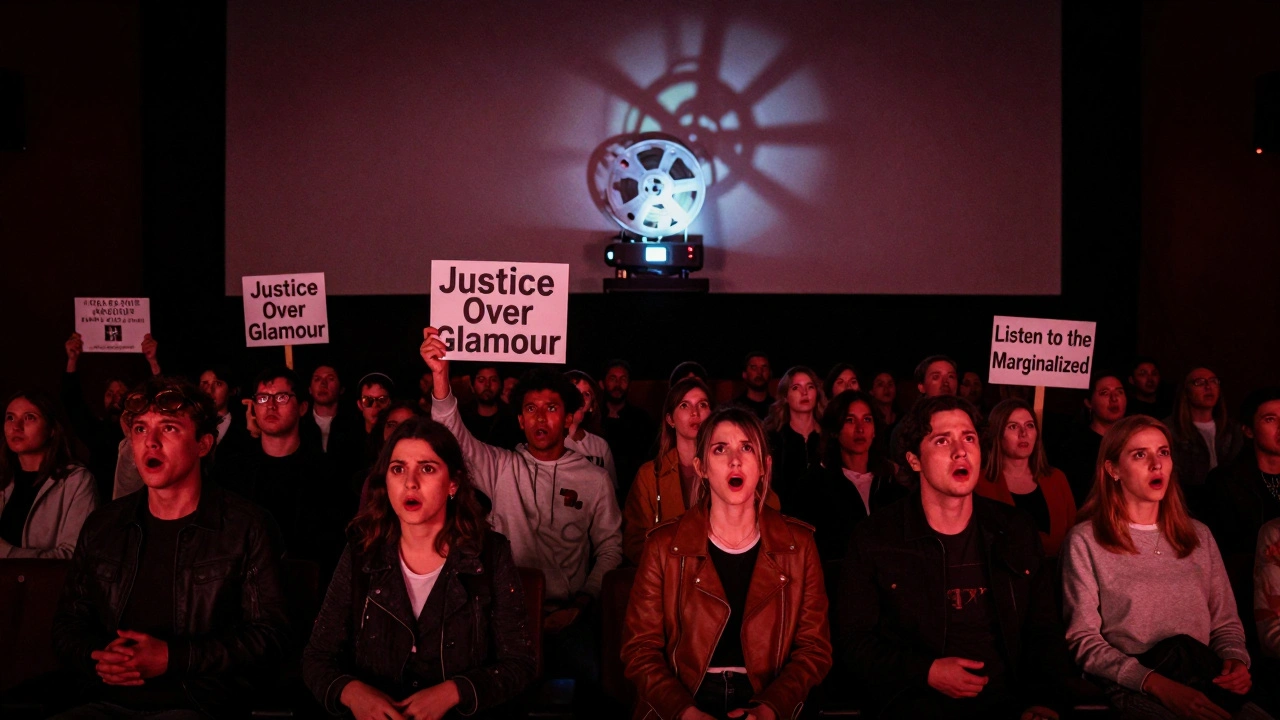
Every year, film festivals announce their lineups-and every year, someone gets angry. Not just a little annoyed. Fully, loudly, publicly angry. Why? Because festivals don’t just show movies. They make statements. And when those statements clash with what audiences expected, felt, or believed, the backlash hits hard.
It’s Not About the Movies-It’s About the Message
When the Sundance Film Festival picked a documentary about a tech billionaire’s private island retreat in 2024, people didn’t just complain about the film. They complained about the festival’s values. The movie itself wasn’t bad. It was well-shot, well-edited, even nuanced. But the choice signaled something: that the festival, once known for championing underdogs, was now cozying up to wealth and power.
That’s the pattern. Controversial selections rarely fail because they’re poorly made. They fail because they feel like a betrayal. Audiences don’t just want good cinema-they want cinema that aligns with their sense of justice, fairness, or cultural truth. When a festival picks a film that glorifies a convicted politician, or ignores entire communities that have been historically silenced, it doesn’t just make a programming decision. It makes a political one.
The Algorithm vs. The Human Eye
Festivals used to rely on a small group of curators-film scholars, critics, former filmmakers-who watched hundreds of submissions in basements and back rooms. Now, many use data-driven tools to filter submissions: view counts on streaming platforms, social media buzz, even box office potential in other countries.
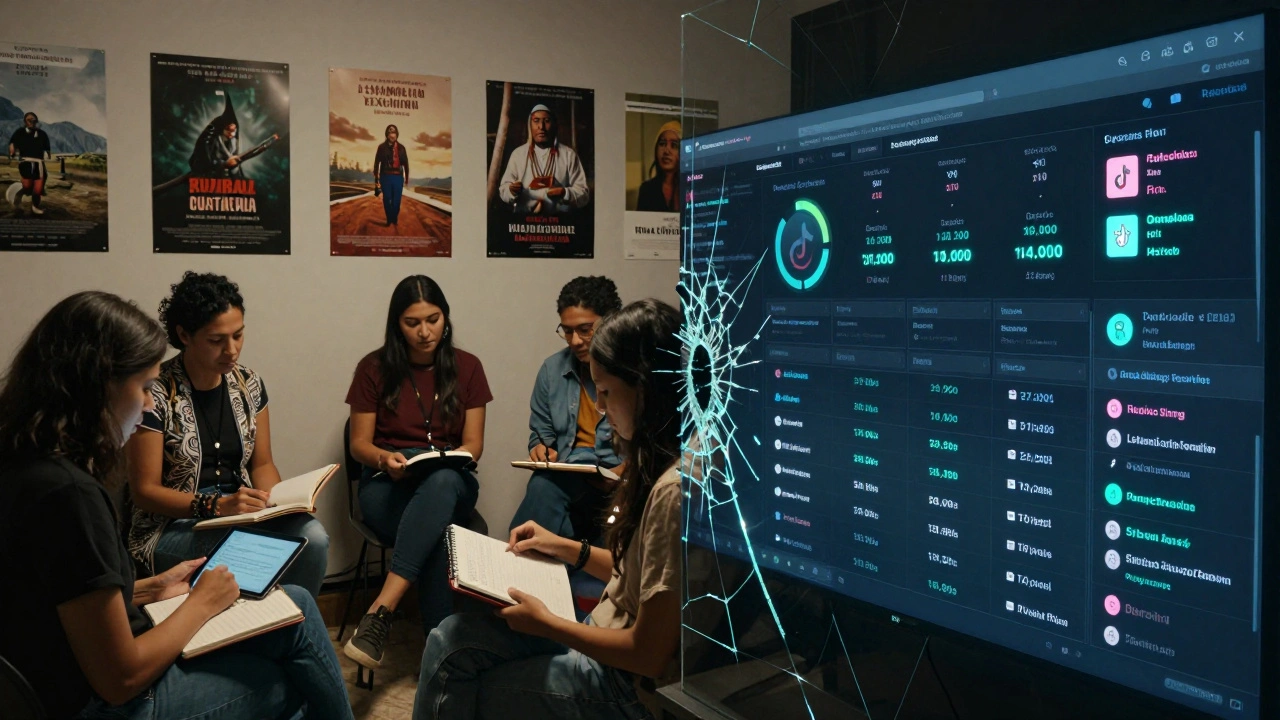
That’s not inherently bad. But when a festival uses metrics to replace intuition, it starts favoring the safe over the bold. In 2023, the Toronto International Film Festival faced criticism for selecting five films that had already gone viral on TikTok, while rejecting dozens of smaller films from Indigenous filmmakers with decades of work. The response? A petition signed by over 12,000 people. The festival didn’t pull the films-but it did add a new section for underrepresented voices the next year.
The lesson? Algorithms don’t understand context. They don’t know that a film from a rural village in Guatemala might not have a social media following because its community doesn’t have internet access. But that doesn’t make it less important.
Who Gets to Decide What’s ‘Art’?
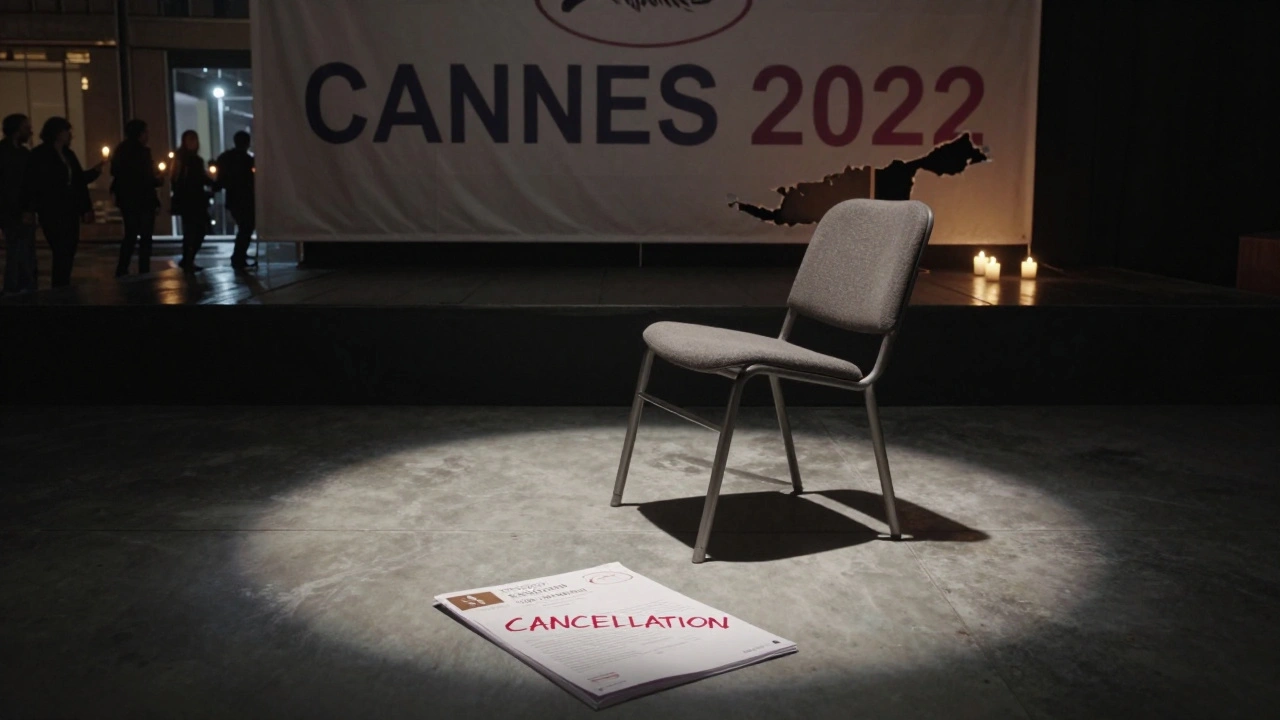
One of the most heated debates in recent years came from Cannes in 2022, when they selected a film by a director accused of sexual misconduct. The film was technically brilliant. Critics praised its cinematography. But the selection felt like a slap to the #MeToo movement. Protests outside the theater turned into full-blown demonstrations. The festival defended its choice by saying, "Art should be separate from the artist."
That’s a myth.
Art isn’t made in a vacuum. It’s shaped by power, privilege, and perspective. When a festival chooses to showcase someone who’s been accused of harming others, it’s not just showing a film-it’s saying, "This person still belongs here." And for many, that’s a line they won’t cross.
Some festivals have responded by creating ethics review boards. Others have started requiring directors to disclose past controversies. But there’s no universal standard. And that’s the problem. Without clear guidelines, every decision looks arbitrary.
The Audience Isn’t Just Watching-They’re Voting
Today, audiences don’t just sit back and accept what’s shown. They vote-with their wallets, their tweets, their boycotts. In 2024, the Berlin International Film Festival lost over 40% of its ticket sales after selecting a film that portrayed a war crime as a "tragic misunderstanding." The backlash wasn’t just online. It spilled into streets, universities, and even corporate sponsorships. One major German bank pulled its funding within 72 hours.
That’s the new reality. Festivals aren’t just cultural institutions anymore. They’re public platforms. And public platforms have public accountability.
Some festivals now track audience sentiment in real time during screenings. They use apps to collect anonymous feedback. Others host post-screening town halls. It’s not perfect. But it’s a start. When you invite people to your event, you’re inviting them into a conversation. And conversations require listening.
What Happens When You Ignore the Backlash?
There are festivals that double down. They call critics "cancel culture warriors." They say they’re "protecting free expression." But that rhetoric doesn’t win audiences. It pushes them away.
The Venice Film Festival’s 2023 lineup included a film that used blackface in a historical drama. The director claimed it was "authentic to the period." Critics pointed out that the film was made in 2022, not 1822-and that the same director had previously been called out for racial insensitivity. The festival didn’t remove the film. But it also didn’t promote it. The screening was held in a small theater, with no press access. Attendance was low. The film disappeared from the conversation.
That’s not a win. It’s a quiet surrender. And it tells filmmakers and audiences alike: your voice doesn’t matter unless you’re loud enough.
How Festivals Can Avoid These Mistakes
Here’s what works:
- Include diverse selection committees. Not just in terms of race or gender-but in terms of geography, class, and lived experience. A committee made up of people from five different continents makes different choices than one made up of New York critics.
- Be transparent about your criteria. Publish your selection process. What do you look for? Innovation? Representation? Risk? Clarity helps people understand why a film was chosen-even if they disagree.
- Listen before you announce. Hold open forums with community groups. Ask: "What stories are you not seeing?" Don’t wait for outrage. Ask before the lineup drops.
- Have a plan for backlash. If a film is controversial, don’t hide it. Don’t ignore it. Have a moderator ready. Have a statement ready. Have a space for dialogue.
- Know your mission. Is your festival about art for art’s sake? Or about amplifying voices that are rarely heard? Your mission should guide every choice. If it doesn’t, you’re just a movie theater with a fancy name.
The Bigger Picture
These controversies aren’t about individual films. They’re about who gets to tell stories-and who gets to decide which stories matter.
Festivals used to be the last refuge for films that couldn’t find a home anywhere else. Now, they’re mirrors. They reflect what society values. And when they reflect something ugly, people call them out.
That’s not a flaw. It’s a feature.
The most respected festivals today aren’t the ones that avoid controversy. They’re the ones that face it head-on. They admit mistakes. They change. They listen. And they keep showing up-not because they’re perfect, but because they care enough to get it right.
Because in the end, film festivals aren’t about the movies on screen. They’re about the people in the seats. And if you keep ignoring them, they’ll stop coming.
Why do film festivals face backlash for their selections?
Festivals face backlash because their selections aren’t just about quality-they’re seen as statements of values. When a festival picks a film tied to a controversial figure, ignores underrepresented voices, or ignores cultural sensitivity, audiences interpret it as a betrayal of the festival’s mission. People don’t just watch films-they expect them to reflect shared ideas about justice, representation, and truth.
Do film festivals use algorithms to pick films?
Yes, many now use data tools to filter submissions based on streaming numbers, social media traction, or international box office potential. But this often favors popular or commercial films over smaller, culturally significant ones that lack digital visibility. Algorithms can’t measure context, history, or impact-only metrics. That’s why human curators still matter.
Can art be separated from the artist?
It’s a common argument, but it doesn’t hold up in practice. Films are made by people, shaped by their experiences, biases, and power. When a festival screens work by someone accused of harm, it’s not just showing a movie-it’s giving them a platform. Many audiences see that as endorsement, not neutrality. Festivals that ignore this risk losing trust.
What should festivals do when a selection causes outrage?
Don’t ignore it. Don’t defend it with vague statements about "free expression." Instead, host public discussions, invite critics and community members to speak, and acknowledge the valid concerns. Some festivals have added ethics panels or audience feedback systems. Transparency and dialogue build credibility-even when you don’t change your mind.
Are film festivals losing relevance because of these controversies?
Not if they adapt. Festivals that refuse to listen are losing audiences and sponsors. But those that embrace accountability-by diversifying their teams, explaining their choices, and responding to feedback-are seeing stronger engagement. The most successful festivals today aren’t the ones with the biggest stars. They’re the ones that feel like they belong to the people watching.




Comments(8)