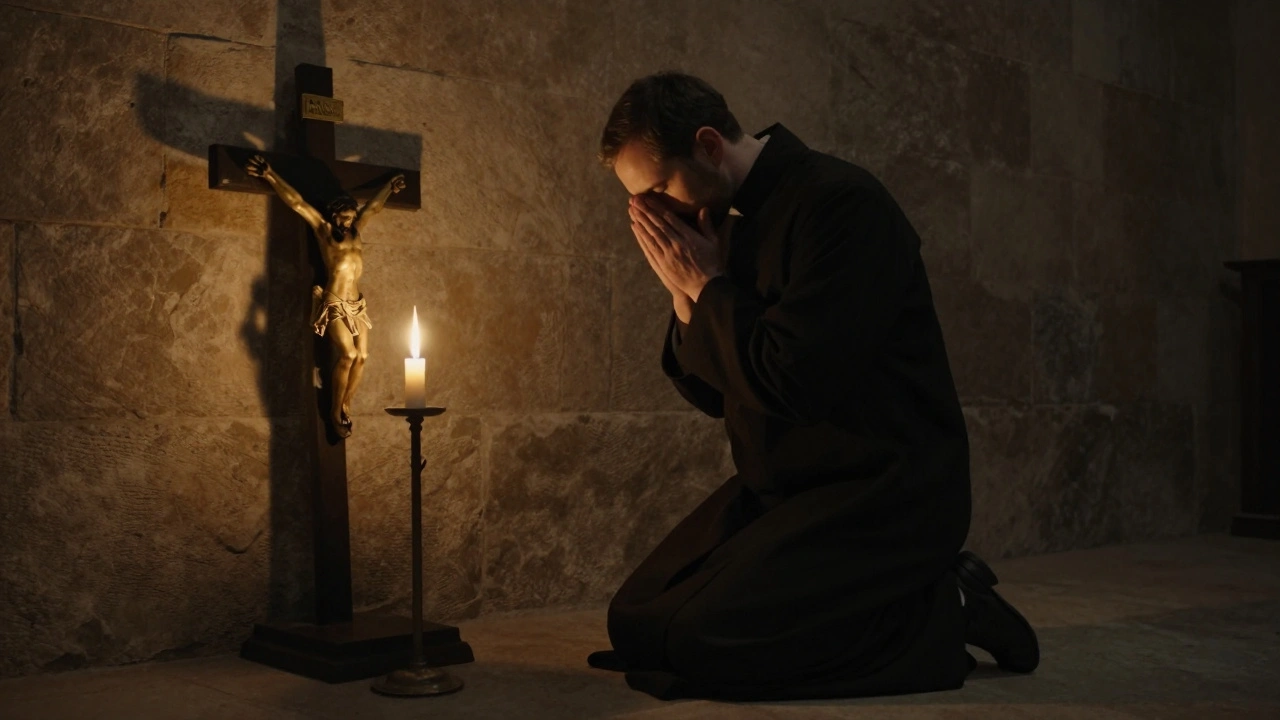
When a priest kneels in silence before a burning candle, or a mother whispers a prayer over her dying child, cinema doesn’t just show a scene-it reveals something deeper. Religious themes in film aren’t just about churches or holy books. They’re about the raw, messy, human struggle with belief when everything falls apart. Movies like Religious Themes in Cinema don’t preach. They ask questions. And sometimes, the most powerful answers come in silence.
Faith as a Living Thing, Not a Doctrine
Faith in movies isn’t about reciting creeds. It’s about what people do when they have nothing left to hold onto. In The Last Temptation of Christ, Jesus isn’t a perfect icon-he sweats, trembles, and begs God to let him live a normal life. That’s not heresy. That’s humanity. The film doesn’t challenge faith; it shows faith as something that grows in the dark, not under stained glass.
Same with Silence by Martin Scorsese. Two Jesuit priests travel to 17th-century Japan to find their mentor, only to face torture, betrayal, and the crushing weight of silence from God. The question isn’t whether God exists. It’s whether faith can survive when God doesn’t answer. The priests don’t lose faith because they doubt-they lose it because they’re asked to choose between their belief and the lives of others. That’s faith under pressure. Real faith.
Compare that to The Shack, where God shows up in a cabin as a woman, a child, and a man. It’s not subtle. But it’s honest. People don’t need perfect theology when they’re broken. They need presence. And that’s what these films give: faith that’s lived, not lectured.
Doubt: The Most Honest Form of Belief
Doubt isn’t the opposite of faith. It’s its shadow. And in cinema, doubt is where the real drama lives.
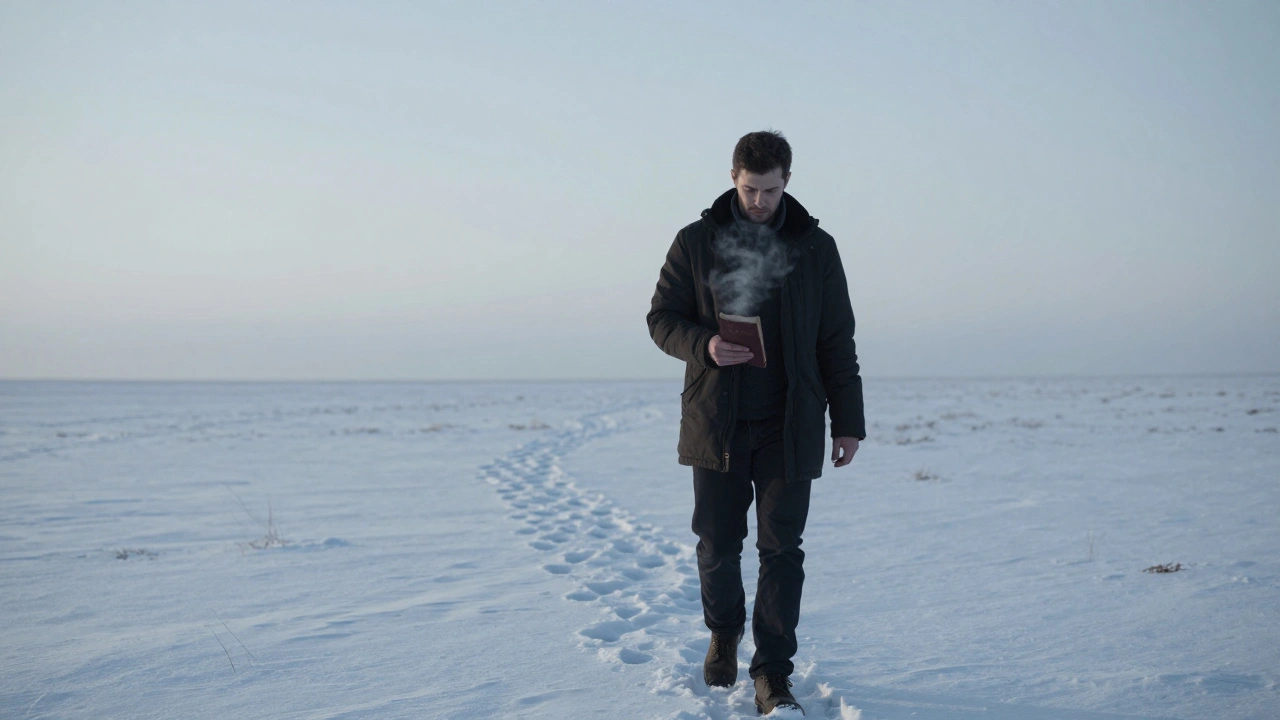
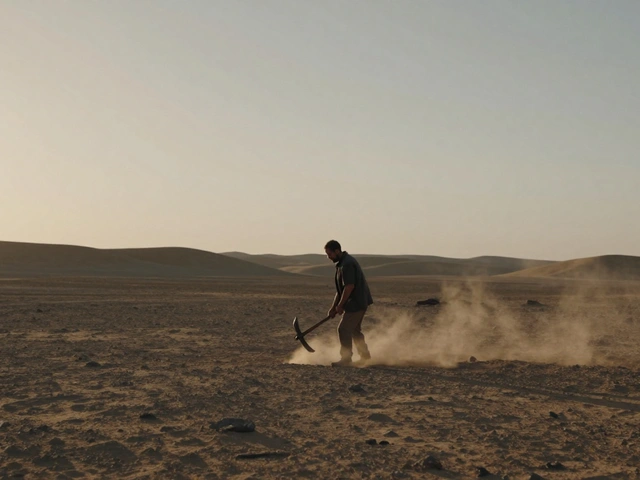
In God’s Not Dead, doubt is a villain to be defeated. But in The Book of Eli, doubt is the engine. Eli walks across a wasteland, carrying a Bible he can’t read, guided only by a voice he can’t see. He doesn’t know if God is real. He just keeps walking. That’s not blind faith. That’s faith as a habit, as a choice made every morning when the world offers no proof.
Then there’s Manchester by the Sea. Lee Chandler doesn’t pray. He doesn’t go to church. But when he’s alone, staring at the ocean, you can feel the weight of something he can’t name. He’s not an atheist. He’s someone who once believed-and lost it. His grief isn’t just about his family. It’s about the collapse of meaning. That’s the quiet horror of doubt: not the absence of God, but the absence of the world you thought God made.
Religious doubt in film isn’t about losing belief. It’s about realizing belief was never enough. And that’s more honest than any sermon.
Ritual: The Language of the Unspoken
People don’t always speak in movies. Sometimes, they act. And those actions-rituals-are where religion lives in cinema.
In The Witch, a Puritan family falls apart in the woods. The mother lights candles. The father says grace. The children whisper prayers. These aren’t just period details. They’re desperate attempts to hold the world together. When the rituals fail, so does the family. The film doesn’t show a demon. It shows what happens when ritual stops working-and no one knows why.
Same with Arrival. The alien language isn’t just words. It’s a structure of time, memory, and meaning. The protagonist learns to see the world differently. That’s not science fiction. That’s religious transformation. The ritual here isn’t prayer-it’s listening. And in that listening, she finds a new way to believe.
Even in Amélie, there’s ritual. The little girl leaves notes, plays tricks, watches strangers. It’s not church. But it’s sacred. She creates meaning where none was given. That’s the quietest form of devotion: choosing to believe in beauty, even when the world says it’s pointless.
When the Sacred Becomes the Everyday
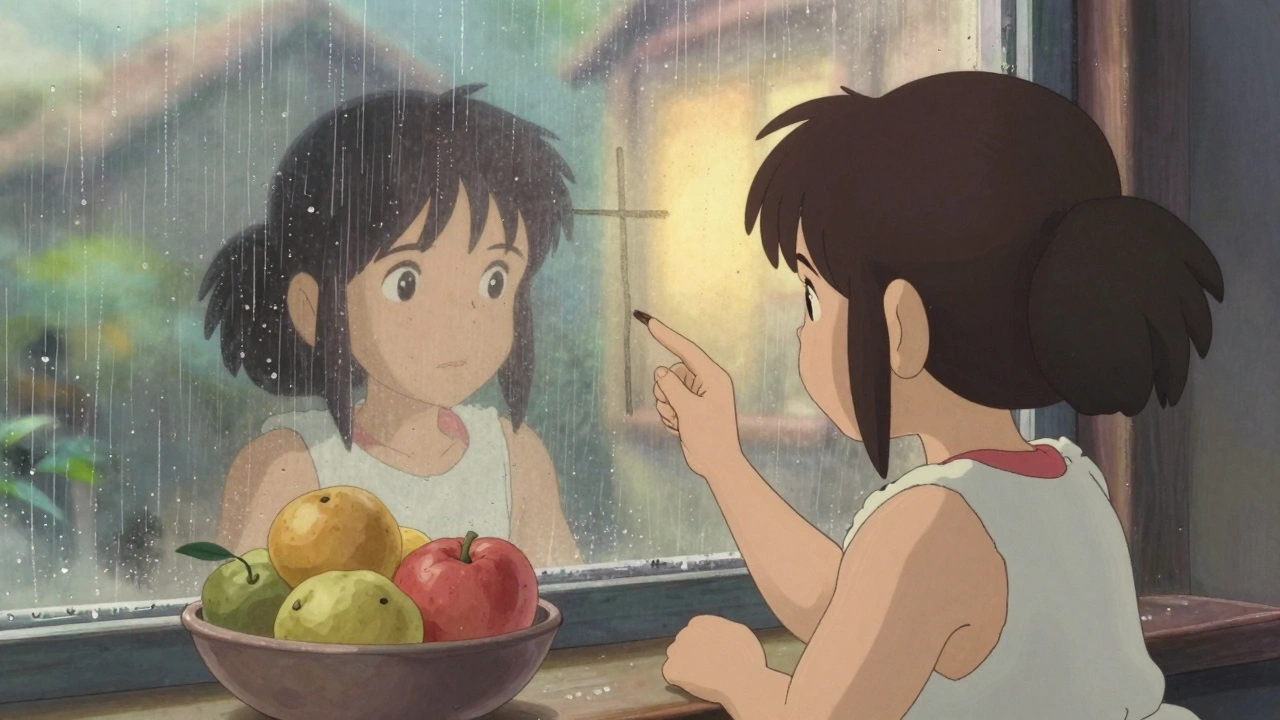
Religion in film isn’t always about altars and robes. Sometimes, it’s about a man washing his feet before bed. Or a woman humming a lullaby her mother sang. Or a child drawing a cross on a window with her finger.
In Wings of Desire, angels wander Berlin, listening to people’s thoughts. They don’t perform miracles. They just sit beside the lonely, the grieving, the lost. One angel decides to become human-not to save the world, but to feel a kiss, taste coffee, hear rain. That’s not a religious moment. It’s the most religious thing in the movie.
Same with My Neighbor Totoro. There’s no god in this film. No temple. No priest. But when the girls leave offerings of food for the forest spirits, it’s clear: they believe. And that belief changes how they see the world. The spirits don’t answer. But the girls keep believing anyway. That’s the heart of it.
Religion in cinema isn’t about what you believe. It’s about what you do when you’re not sure.
Why These Stories Stick With Us
Why do we keep coming back to these films? Not because they’re beautiful. Not because they’re well-made. But because they mirror our own silent struggles.
We don’t go to church every Sunday. We don’t quote scripture. But we light candles for the dead. We whisper wishes into wells. We hold our breath when the doctor walks in. We say, “Please,” even when we know no one’s listening.
These films don’t give us answers. They give us company. They say: You’re not alone in wondering. You’re not broken for doubting. You’re human.
And maybe that’s the most sacred thing of all.
Why do religious themes in film resonate more than sermons?
Because films show belief in action, not just words. A sermon tells you what to think. A movie lets you feel what it’s like to live with doubt, grief, or quiet faith. When a character kneels in a burning house or whispers to an empty sky, we don’t need theology-we feel it. That’s why these stories stick: they don’t preach. They reflect.
Are these films anti-religious because they show doubt?
No. Doubt isn’t the enemy of faith-it’s its companion. Films like Silence or The Last Temptation of Christ don’t reject religion. They test it. Real faith survives questions. These movies show characters wrestling with God, not running from Him. That’s the opposite of anti-religious. It’s deeply religious.
Do you need to be religious to understand these films?
No. You just need to be human. These stories aren’t about doctrine. They’re about longing, fear, ritual, and the search for meaning. A person who’s never set foot in a church can still feel the weight of a mother praying over a sick child. That’s not religion-that’s love under pressure. And that’s universal.
Why are rituals so powerful in religious films?
Rituals are the body’s way of speaking when words fail. In film, lighting a candle, walking barefoot, or repeating a phrase isn’t just tradition-it’s a lifeline. When characters perform rituals, we see them trying to control chaos, connect to something bigger, or hold on to someone they’ve lost. These actions say more than any dialogue ever could.
What’s the difference between religious symbolism and actual religious meaning in film?
Symbols-crosses, candles, robes-are visual shorthand. They’re easy to use. But real religious meaning comes from how characters change. Does the character grow? Do they forgive? Do they keep going even when they don’t believe? That’s the difference. A cross on a wall is a symbol. A man carrying a cross through a desert while doubting every step? That’s meaning.




Comments(9)